
When you need to send items across Singapore with reliable tracking and direct-to-letterbox delivery, SingPost SmartPac is one of the most convenient options available. This prepaid shipping service eliminates the need to weigh your package at the post office counter or calculate postage on the spot. However, choosing the correct size is crucial to ensure your package is successfully accepted and delivered. Selecting the wrong size can lead to delivery delays, additional fees, or even returned mail.
To determine which SmartPac bag you should use, you must consider both the physical dimensions of your item and its total weight. SingPost offers different size tiers designed to accommodate various types of mail, from flat documents to bulkier parcels. By understanding how these tiers work and how to measure your items accurately, you can streamline your shipping process and ensure your packages arrive safely at their destinations.
Understanding SmartPac Size and Weight Specifications
SingPost SmartPac is designed as a prepaid, trackable shipping solution where “size” is defined by a combination of physical dimensions and strict weight limits. Unlike standard postage, where cost is calculated based on exact weight increments, SmartPac operates on a flat-rate system for each tier. This means you pay a single price upfront for the packaging, which includes the cost of postage and tracking.
Products mentioned in this guide
![[1/2/3/4 pcs] SingPost Smartpac Medium size - for using within Singapore only - Prepaid Packaging with Tracking](https://img.lazcdn.com/g/p/8f2c3c3994c2d6fb1e87feebed85f10b.jpg_400x400q80.jpg_.webp)
![[SINGPOST] MEDIUM smartpac - A postage-paid packaging for local delivery. Trackable via the SingPost mobile app.](https://img.lazcdn.com/g/p/3360d819ebee92c4900de5d10f98c2e8.png_400x400q80.png_.webp)
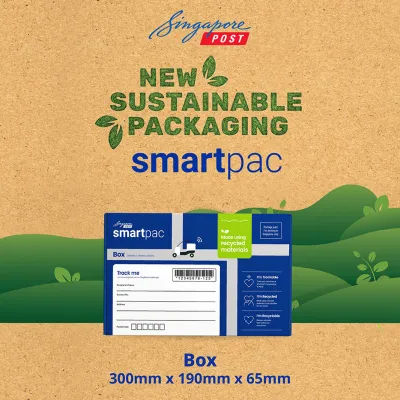
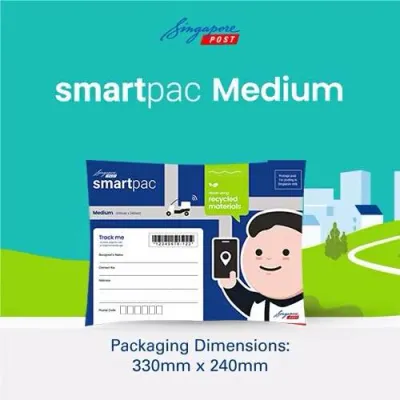

![*FREE SHIPPING* [CHOOSE OPTION] Singapore Post Smartpac Small Smartpac Medium Mini Lite 600g 1kg Singpost Smart pac Sing Post PolyM Poly M](https://img.lazcdn.com/g/p/381a9ea88fad3d5f1345d35b37585401.jpg_400x400q80.jpg_.webp)
Prices are valid at publication and may change. Please refer to the product page for the latest price.
Because SingPost periodically updates its product offerings, naming conventions, and specifications, you should always check the official SingPost website or visit a local post office in Singapore to verify the currently available size tiers. Historically, these tiers have included options like SmartPac Small, SmartPac Medium, and SmartPac Large (previously known under names like SmartPac Lite, SmartPac Box, or SmartPac Delivery). Each tier is engineered to fit specific mailing profiles, with weight limits typically ranging from 1kg to 2kg depending on the selected product.
It is important to remember that these weight limits and maximum dimension thresholds are strict compliance requirements rather than mere recommendations. The automated sorting machines used by the postal service rely on these precise specifications to process mail efficiently. Exceeding either the weight limit or the physical boundaries invalidates the prepaid nature of the bag, which can result in your package being rejected, delayed, or subject to additional postage charges.
Furthermore, the physical dimensions listed by the postal operator refer to the maximum allowable outer dimensions of the filled and sealed bag, not the flat, empty measurements of the packaging. When a flexible mailer is filled, its sides pull inward to accommodate the volume of the contents, which naturally reduces the overall length and width. You must account for this dimensional shift when comparing your item to the official specifications of each SmartPac tier.
How to Measure Your Items for the Perfect Fit
To ensure your items fit perfectly within your chosen SmartPac bag, you must employ systematic measurement and estimation methods before purchasing your packaging. For regularly shaped items like books or boxed products, measure the length, width, and height using a standard measuring tape. For irregularly shaped items, such as clothing bundles or soft toys, measure across the widest and longest points of the item when it is fully packed.

When calculating the required space, you must allocate extra room for internal protective packaging and the bag’s sealing flap. If you plan to wrap your item in bubble wrap, foam, or cardboard inserts, measure the item after these protective layers have been applied. A bag that is exactly the same size as your bare item will not seal properly once protective packaging is added. The sealing flap requires a clean, flat surface to adhere securely; trying to stretch the plastic over an oversized item will compromise the adhesive seal.
Thickness and flexibility play a significant role in how an item fits inside a flexible mailer. SmartPac bags are flexible, meaning they can expand slightly to accommodate thicker items, but this expansion reduces the available length and width. To estimate the “girth” or volumetric impact of your item, consider how much the mailer will bulge. For soft, compressible items, you can often gently squeeze the package to reduce its thickness. For rigid, pre-boxed items, there is no flexibility, so your measurements must be precise.
Before heading to the post office or dropping your package into a posting box, use a digital kitchen scale or a postal scale at home to verify the total weight of the packed item. Ensure the weight of the SmartPac bag itself and all internal packaging materials are included in this final measurement. Comparing both the physical dimensions and the total weight against the official SingPost guidelines will help you avoid compliance issues during transit.
Matching SmartPac Sizes to Common Mailing Scenarios
Selecting the right SmartPac size becomes much easier when you map your specific items to common mailing scenarios. Different types of goods present unique packing challenges that influence which size tier is most appropriate.
Apparel and Soft Goods
Flexible items such as clothing, fabrics, t-shirts, and small plush toys are ideal candidates for SmartPac bags. Because these items are highly compressible, they can easily conform to the shape of the flexible mailer. When packing apparel, fold or roll the items tightly to minimize the final package thickness. This helps ensure the bag can be sealed flat without excessive bulging. Bulky packages can easily jam automated sorting machines or fail to fit through standard residential letterbox slots, so keeping the profile as flat as possible is key.
Books, Documents, and Flat Items
When mailing dense, flat items like books, catalogs, magazines, or thick stacks of documents, the primary risk is exceeding the weight limit rather than the physical dimensions. A heavy textbook might easily slide into a medium-sized bag, but its weight could easily exceed the maximum limit allowed for that tier. For these items, you must prioritize the weight specification over the physical dimensions. If your stack of documents is heavy, you may need to upgrade to a larger SmartPac tier or split the shipment into multiple bags to remain compliant.
Fragile or Rigid Items
It is vital to recognize that standard SmartPac bags do not provide built-in crush or impact protection. If you are mailing fragile or rigid items, such as cosmetics, small electronics, glassware, or ceramics, you must first secure them inside a rigid inner box with adequate cushioning like bubble wrap or packing peanuts. Once the item is safely boxed, measure the outer dimensions and weight of this prepared inner box. You must select your SmartPac size based on these final boxed dimensions, rather than the dimensions of the bare item itself, to ensure the entire protective setup fits comfortably inside the mailer.
What Happens If You Exceed Size or Weight Limits?
Ignoring the specified size and weight limits of your chosen SmartPac bag can lead to several operational and financial consequences. The postal service relies on automated sorting systems and manual handling procedures that require strict adherence to these boundaries.
If your package visibly overfills the bag, prevents the adhesive seal from closing securely, or exceeds the maximum allowable thickness, it faces a high risk of rejection. Postal staff at the post office counter may refuse to accept the item, or it may be flagged during sorting. Packages that cannot fit through standard residential letterbox slots are particularly problematic, as the primary delivery method for SmartPac is direct-to-letterbox delivery.
Financially, sending an overweight or oversized SmartPac can be costly. If a non-compliant package is processed, it may lose its prepaid status. SingPost may require the sender or the recipient to pay the difference in postage, or the package may be redirected to a post office for collection, incurring additional handling fees. In some cases, the package may be returned to the sender, requiring you to purchase a new, appropriately sized shipping label at standard parcel rates.
There is also a significant risk of transit damage when you overstuff a flexible mailer. Overfilling puts immense stress on the welded seams of the bag and the adhesive seal. During automated sorting and transport, these stressed areas are highly susceptible to tearing open, which can lead to the loss or damage of your contents. Additionally, a bulging package can distort the barcode and tracking label, making it unreadable by automated scanners and effectively disabling the tracking feature of your prepaid mailer.
Frequently Asked Questions (FAQ)
Can I tape or fold a SmartPac bag if my item is smaller than the bag?
Yes, you can fold or tape down excess material if your item is significantly smaller than the SmartPac bag you are using. This is often a good practice to prevent the item from shifting excessively during transit. However, you must follow strict postal rules regarding modifications. You must never fold, tape over, or obscure the barcode, tracking label, postage-paid indicia, or any official postal markings on the exterior of the bag. Altering the bag’s structural integrity or covering these critical areas can prevent automated scanners from reading the package, which may result in your item being rejected or losing its tracking capability.
Are SmartPac bags waterproof and tear-resistant?
Standard SmartPac bags are made from durable plastic materials that offer basic water resistance and tear resistance under normal handling conditions. The plastic exterior will protect your items from light rain, splashes, and minor scuffs during transit. However, the seams and the adhesive seal are not completely waterproof. If you are mailing items that are highly sensitive to moisture, such as important legal documents, photographs, or electronics, you should not rely solely on the outer shipping bag. It is highly recommended to pack these items inside a sealed inner polybag or waterproof wrapping before placing them into the SmartPac mailer.

Community discussion
Share your experience or ask a question. Comments are reviewed before publication.