
Interfacing is an invisible but essential support fabric used in sewing to add structure, strength, and stability to specific areas of a garment or textile project. It is commonly applied to collars, cuffs, waistbands, button plackets, and pocket openings to prevent stretching, sagging, and wear over time. The main types of interfacing are categorized by their application method (fusible versus sew-in) and their material structure (woven, non-woven, and knit). Choosing the right interfacing depends on matching these structural properties to your fashion fabric’s weight, stretch, and heat tolerance.
Application Methods: Choosing Between Fusible and Sew-In
Fusible interfacing features a heat-activated adhesive backing on one or both sides. When pressed with a hot iron, the adhesive melts and bonds directly to the wrong side of the fashion fabric. This method is highly efficient, saving construction time, and provides a crisp, integrated structure. However, fusible interfacing is not a universal solution, as its success depends entirely on the fabric’s ability to withstand heat, steam, and pressure.
Heat-sensitive materials present a major limitation for fusible options. Synthetic fibers such as vinyl, faux leather, acetate, and certain delicate polyesters can melt, glaze, or warp under the high temperatures required to activate the adhesive. Similarly, highly textured fabrics like velvet, corduroy, seersucker, or heavily embroidered textiles are poor candidates. The pressure of the iron can permanently crush the fabric’s pile, and the uneven surface prevents the adhesive from establishing a secure, uniform bond, leading to bubbling or peeling after washing.
Products mentioned in this guide
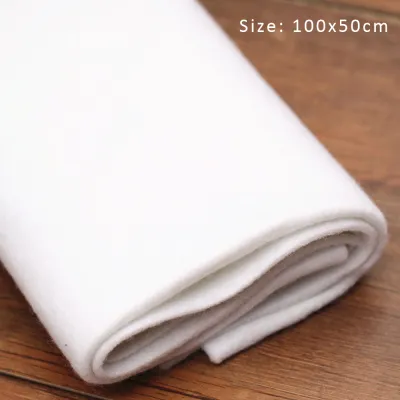
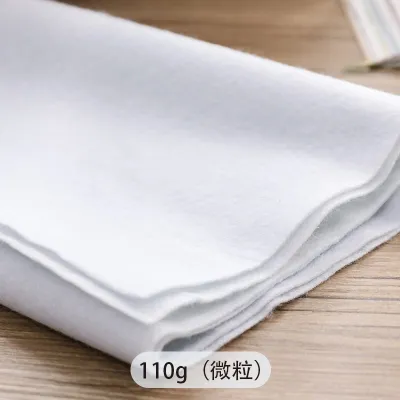
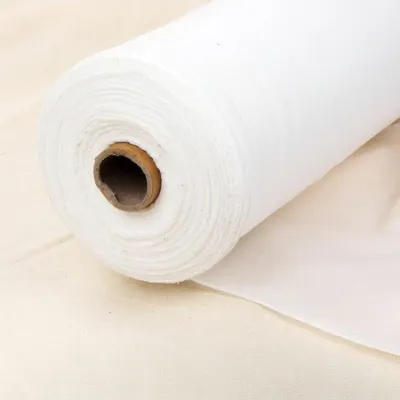
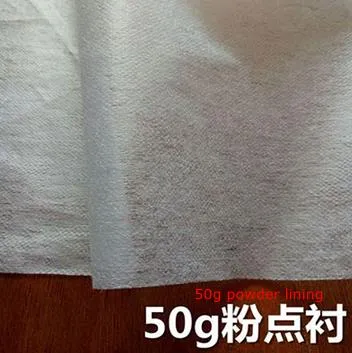
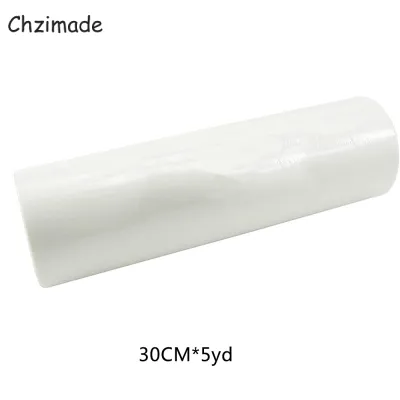
Prices are valid at publication and may change. Please refer to the product page for the latest price.
Sew-in interfacing, by contrast, does not contain adhesive and must be basted or stitched directly to the fashion fabric pieces within the seam allowances. This traditional method is ideal for delicate, sheer, or highly heat-sensitive materials where an iron-on adhesive would bleed through the fibers, ruin the drape, or damage the fabric surface. Sew-in options preserve the natural, fluid movement of the fabric, making them excellent for soft tailoring, silk blouses, and flowing dresses. The trade-off is that sew-in interfacing requires more preparation time, pinning, and basting to prevent shifting during assembly.
To decide between these two application methods, perform a quick three-point check on your materials. First, evaluate the heat tolerance of your fashion fabric by checking its fiber content and care label. Second, inspect the surface texture; smooth fabrics accept fusible options easily, while textured or napped surfaces generally require sew-in alternatives. Third, consider the desired drape of the finished piece. If you want a crisp, highly structured collar, fusible is often the most effective choice; if you want a soft, natural roll on a lapel or a gentle drape along a neckline, sew-in is the preferred path.
Material Structures: Woven, Non-Woven, and Knit Differences
Woven interfacing is constructed much like traditional fabric, with intersecting warp and weft threads that create a distinct grainline. Because it has a grain, it must be cut along the same grainline as your fashion fabric to ensure they drape and hang in harmony. Woven interfacing is highly durable, resists fraying when finished, and maintains its shape over repeated washes and wears. It is the ideal pairing for standard woven fabrics like cotton, linen, denim, and wool, where you want to reinforce specific areas without altering the fabric’s natural woven characteristics or breathability.

Non-woven interfacing is made by bonding fibers together chemically, thermally, or mechanically, resulting in a felt-like sheet with no grainline. This lack of grain means you can cut pattern pieces in any direction, minimizing fabric waste. However, non-woven interfacing does not drape as naturally as woven or knit options. It can sometimes feel stiff, paper-like, or dense, and over time, repeated folding or washing can cause it to crease permanently or break down. It is best suited for crafts, bags, wall hangings, or highly structured areas of garments where fluid drape is not a priority.
Knit interfacing, including tricot and weft-insertion varieties, is designed with a looped structure that allows it to stretch. Tricot interfacing typically offers crosswise stretch with stability in the lengthwise direction. This flexibility makes knit interfacing essential when working with stretch fabrics, jerseys, and knits, as it reinforces areas like necklines, armholes, and pocket openings without restricting the fabric’s natural elasticity. It can also be used on lightweight woven fabrics to add soft, fluid support without adding stiffness.
When selecting a structure, identify the grain and stretch of your main fabric. If your fashion fabric stretches, your interfacing must stretch with it, pointing you directly to knit options. If your fabric is a stable woven, a woven interfacing will preserve its natural drape and longevity. If you are working on a structured craft project or a highly stable garment area where drape is secondary to cost and ease of cutting, non-woven interfacing is a practical choice.
Matching Interfacing Weight and Drape to Your Fabric
A fundamental rule of sewing is that your interfacing should generally be equal to or slightly lighter in weight than your fashion fabric. If the interfacing is too heavy, it will overpower the main fabric, causing it to look stiff, bulky, or unnatural on the body. Conversely, if the interfacing is too light, it will fail to provide the necessary support, leading to sagging collars, weak buttonholes, or distorted necklines.
Stiffness and weight selection should also target the specific area of the project you are reinforcing. Lightweight interfacings are excellent for delicate blouses, soft facings, and lightweight dresses where you want subtle support. Medium-weight options work well for standard shirts, dresses, and light jackets. Heavyweight interfacings are reserved for highly structured applications, such as bag bases, corset boning channels, or the crisp stands of heavy winter coat collars.
Care and shrinkage compatibility are equally critical. Before committing to a combination, verify that the washing, drying, and dry-cleaning requirements of the interfacing match those of your fashion fabric. If you pair a dry-clean-only interfacing with a machine-washable cotton, the interfacing may shrink, warp, or delaminate during a wash cycle, permanently ruining the appearance of your finished garment.
Essential Pre-Use Testing and Verification Steps
Pre-shrinking is a vital step that prevents post-construction distortion. Woven and knit interfacings, especially those made of natural fibers or rayon, can shrink significantly when exposed to moisture and heat. To pre-shrink fusible interfacing, submerge it in warm water for ten minutes, gently squeeze out excess water without wringing, and let it air dry. For sew-in interfacing, wash it using the same cycle you plan to use for the finished project.
Before cutting into your project fabric, always create a test swatch. Cut a small square of your fashion fabric and a matching piece of interfacing, then apply them together following the manufacturer’s instructions. This test allows you to verify the adhesion strength, observe the resulting stiffness, and check for any adverse reactions to heat. Examine the right side of the fabric to ensure the adhesive has not bled through and that the fabric’s texture remains undamaged.
When applying fusible interfacing, consult the manufacturer’s guidelines for specific iron temperature settings, steam usage, and pressing times. Remember that fusing requires firm, downward pressure rather than a sliding motion. Sliding the iron can shift the interfacing, warp the fabric grain, or cause the adhesive to smear.
Establish clear stop conditions during your testing phase. If the test swatch reveals bubbling, puckering, or a stiff, cardboard-like drape that does not match your design vision, abandon that specific interfacing choice. Bubbling often indicates that the iron was too hot, steam was applied incorrectly, or the fabric has a finish that resists adhesive. In these cases, switching to a sew-in interfacing or a lighter weight fusible is the safest path forward.
Frequently Asked Questions (FAQ)
Can I use non-woven interfacing for clothing garments?
Yes, you can use non-woven interfacing for clothing, but it is best reserved for specific, low-stress areas. Because non-woven materials lack a grainline and do not drape naturally, they can make garments feel stiff or paper-like if used over large areas. They are highly suitable for small, structured sections such as collar stands, cuffs, and pocket flaps in stable woven garments. Avoid using them in areas that require fluid movement or on stretch fabrics, as they will restrict elasticity and may tear under tension.
What should I do if my fusible interfacing does not stick?
If your fusible interfacing fails to adhere, first check your heat, pressure, and time settings. Adhesive activation requires a specific temperature and steady, firm downward pressure for a set number of seconds; simply gliding the iron over the surface is often insufficient. If the adhesive still fails to bond, check if your fashion fabric has a surface finish, such as a water-resistant coating or sizing, which can block the glue. Washing the fabric beforehand to remove sizing can resolve this issue. If all else fails, switch to a sew-in interfacing.
Is it necessary to pre-wash interfacing before sewing?
Pre-washing or pre-shrinking is highly recommended for most woven and knit interfacings to prevent differential shrinkage later. If the interfacing shrinks at a different rate than your fashion fabric during its first wash, it will cause puckering, bubbling, and distortion along the seams. While some synthetic non-woven fusibles do not shrink, taking the time to pre-shrink woven and knit varieties by soaking them in warm water ensures your finished garment maintains its smooth, professional appearance over time.

Community discussion
Share your experience or ask a question. Comments are reviewed before publication.