
When shipping fragile goods, relying solely on a specific plastic pallet brand to absorb transit shocks is a common misconception. Standard plastic pallets are inherently rigid structures designed for load-bearing capacity and durability rather than cushioning. True protection for delicate items comes from a coordinated palletized unit load system, where the pallet serves as a stable, non-yielding foundation, and specialized dunnage, wrapping, and cushioning materials absorb the actual forces of drops, vibrations, and impacts.
To secure fragile cargo effectively, logistics managers must shift their focus from searching for a magical “shock-absorbing” pallet brand to evaluating the structural design, material composition, and system compatibility of the pallets they source. By understanding how plastic pallets interact with cushioning materials and handling equipment, you can build a shipping configuration that minimizes product damage and reduces total packaging costs.
Understanding Shock Absorption in Plastic Pallet Systems
To design an effective protective packaging system, it is essential to understand the physical properties of industrial plastic pallets. Most commercial plastic pallets are manufactured from High-Density Polyethylene (HDPE) or Polypropylene (PP). These materials are chosen for their high strength-to-weight ratios, chemical resistance, and structural rigidity. Because these plastics are engineered not to deform under heavy loads, they possess virtually no inherent elastomeric properties. Consequently, they do not absorb shock; instead, they transmit kinetic energy from forklift impacts, road vibrations, and dock drops directly to the cargo resting on them.
Products mentioned in this guide
Prices are valid at publication and may change. Please refer to the product page for the latest price.
Protecting fragile goods requires viewing the shipment as a complete palletized unit load rather than focusing on the pallet in isolation. In a properly engineered unit load, the plastic pallet acts as the rigid base that keeps the load flat and structurally sound. The actual shock absorption is distributed across intermediate layers, such as expanded foam sheets, corrugated cardboard pads, and corner protectors. These materials deform under impact, converting kinetic energy into thermal energy and isolating the fragile cargo from external forces.
During transit, cargo is subjected to three primary types of physical stress: low-frequency drops, high-frequency vibrations, and lateral impacts. Low-frequency drops typically occur during forklift handling or manual stacking when a pallet is lowered too quickly or bumped against warehouse racking. High-frequency vibrations are continuous forces transmitted through the vehicle suspension during road, rail, or air transport. Lateral impacts occur when pallets shift inside a shipping container or delivery truck, causing them to collide with adjacent loads or vehicle walls. A successful packaging strategy must address each of these forces by combining a stable plastic pallet with targeted cushioning solutions.
Key Design Features for Fragile Goods Protection
While plastic pallets do not provide direct cushioning, their structural design features play a critical role in preventing cargo movement and structural failure. One of the most important features to look for is the surface texture of the pallet deck. Smooth plastic decks have a low coefficient of friction, which allows boxes to slide easily during sudden stops or sharp turns. To prevent this lateral shifting, select pallets equipped with integrated rubber grommets, co-molded anti-slip strips, or safety rims along the perimeter. These features grip the bottom layer of packaging, keeping the entire load aligned and reducing the risk of corner crushing.

Load capacity and deflection rates are equally vital specifications when handling delicate items. Deflection refers to the temporary bending or bowing of a pallet when it is supported only at its outer edges, such as in a warehouse rack. If a pallet deflects excessively under load, the flat surface becomes curved, causing the stacked boxes to tilt inward. This tilting concentrates the weight of the entire stack onto the inner corners of the bottom boxes, often exceeding their structural limits and crushing the fragile items inside. Choosing a pallet with a high racking load rating and a low deflection rate ensures the load remains perfectly level throughout the supply chain.
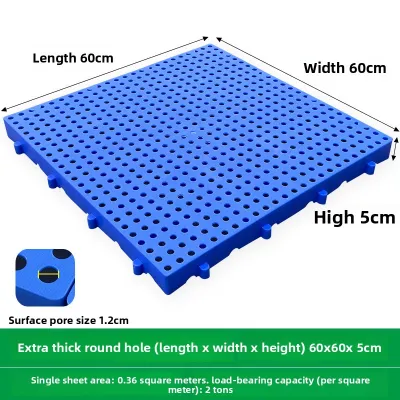
The choice between solid-deck and grid-deck plastic pallets significantly impacts how cushioning materials perform. Solid-deck pallets provide a continuous, flat surface that supports the entire footprint of the bottom boxes, preventing localized pressure points. This continuous surface is also ideal for adhering foam pads or rubber sheets that require full surface contact to function correctly. Grid-deck pallets, while lighter and more cost-effective, feature open mesh patterns that can create uneven pressure points on soft packaging materials and allow moisture or road spray to rise from the floor, potentially weakening corrugated boxes.
Finally, the configuration of the pallet base determines how smoothly the load can be handled by forklifts and pallet jacks. Pallets with a full-perimeter picture-frame base or a three-runner design offer superior stability compared to nine-leg nestable designs. A continuous base distributes the weight evenly across conveyor rollers and warehouse racking, preventing sudden jolts or drops when transitioning between different handling systems. Additionally, look for pallets with chamfered entry openings on the runners, which allow forklift tines to enter smoothly without catching and jarring the pallet.
Building a Complete Cushioning and Securing System
To achieve actual shock absorption, you must integrate the plastic pallet into a comprehensive cushioning and securing system. The first step is selecting the appropriate intermediate cushioning material to place directly on the pallet deck. For lightweight, highly sensitive items like electronics or laboratory glassware, closed-cell expanded polyethylene (EPE) foam sheets provide excellent vibration dampening and multi-impact protection. For heavier fragile goods, such as industrial ceramic components, heavy-duty corrugated cardboard pads or molded pulp trays offer the necessary compressive strength to support the load while still absorbing transit vibrations.
Once the cushioning layers are in place, vertical edge protectors and corner boards should be applied to the outer corners of the stacked cargo. These protectors serve two critical functions: they distribute the tension of strapping or stretch wrap evenly across the load, and they provide vertical stacking strength. By preventing the securing materials from cutting into the corners of the boxes, edge protectors ensure that the structural integrity of the primary packaging is maintained, allowing the boxes to protect their fragile contents effectively.
Securing the load to the pallet requires precise tension control during the stretch wrapping or strapping process. The containment force—the total compressive force exerted by the stretch wrap on the cargo—must be carefully calibrated. If the wrap is too loose, individual boxes will vibrate independently during transit, leading to scuffing and internal damage. If the wrap is too tight, it can crush the corners of the boxes, compromising their protective structure. Utilizing high-performance stretch films with controlled pre-stretch ratios on automated wrapping machines ensures consistent, repeatable containment force without damaging delicate packaging.
For exceptionally sensitive or high-value equipment, standard packaging materials may not provide sufficient protection. In these scenarios, logistics managers should evaluate specialized anti-vibration pallet systems. These systems often feature a dual-deck design, where an upper cargo deck is separated from the lower pallet base by a series of elastomeric dampening mounts or air-cushioned shock absorbers. While these specialized systems represent a higher initial investment—often ranging from S$150 to S$400 per unit depending on the load rating—they isolate the cargo from up to 90% of transit vibrations, making them essential for transporting delicate scientific instruments or high-end medical devices.
Sourcing and Supplier Evaluation Checklist
When sourcing plastic pallets for fragile cargo, you cannot rely on brand names alone to guarantee performance. Instead, use a structured evaluation process to verify the physical properties and manufacturing quality of the pallets. Begin by requesting detailed material certifications from the supplier. Pallets manufactured from virgin HDPE generally offer superior impact resistance and perform consistently across a wide temperature range. In contrast, pallets made from recycled regrind material can exhibit inconsistent physical properties, leading to unpredictable deflection rates or increased brittleness in cold storage environments.
Next, ask suppliers to provide official deflection test reports and load capacity certifications. These tests should be conducted in accordance with international standards, such as ISO 8611, which defines the testing methods for flat pallets. Review the reports to confirm the pallet’s dynamic load rating (the maximum weight it can support during movement) and racking load rating (the maximum weight it can support when suspended in a rack). Ensure that the rated capacity of the pallet exceeds your actual maximum load weight by a safety margin of at least 20% to account for dynamic forces experienced during transit.
Evaluate the supplier’s capability to provide customized features or specialized material formulations. For example, in Singapore’s humid tropical climate, cardboard packaging can absorb moisture from the air, making it softer and more prone to sliding. A supplier who can integrate high-friction rubber grommets or apply specialized anti-slip coatings to the pallet deck can significantly improve load stability. Additionally, inquire if the supplier offers tracking options, such as molded-in pockets for RFID tags or IoT shock sensors, which allow you to monitor the location and physical condition of your shipments in real-time.
Before committing to a bulk purchase, always conduct small-batch transit trials. Procure a small quantity of the candidate pallets and load them with dummy cargo that mimics the weight and dimensions of your actual fragile goods. Run these test pallets through your standard shipping routes and handling procedures. Upon arrival, inspect the pallets for any signs of stress cracking or excessive deflection, and examine the packaging for shifting or compression damage. This empirical verification is the most reliable way to ensure your chosen pallet configuration will protect your valuable cargo.
Frequently Asked Questions (FAQ)
Can standard plastic pallets prevent vibration damage to glass or ceramics?
Standard plastic pallets cannot prevent vibration damage on their own because their rigid plastic construction transmits road and engine vibrations directly to the cargo. To protect glass or ceramics, you must use supplementary damping materials, such as expanded foam inserts, bubble wrap, or corrugated cardboard dividers, between the pallet deck and the items to absorb high-frequency vibrations.
Is it better to use solid-deck or grid-deck plastic pallets for fragile items?
Solid-deck plastic pallets are generally superior for fragile items because they provide a flat, continuous surface that distributes weight evenly and prevents localized pressure points on the bottom of the boxes. Grid-deck pallets can save weight but may cause uneven pressure distribution and allow moisture or road spray to rise from the floor, which can weaken cardboard packaging.
How do I calculate the required load capacity to prevent pallet deflection?
To prevent pallet deflection, calculate the total weight of your cargo stack and select a pallet with a dynamic and racking load rating that exceeds this weight by at least 20%. For example, if your fragile cargo weighs 800 kg, choose a pallet with a certified racking load capacity of at least 1,000 kg to ensure the deck remains flat and does not bend under stress.

Community discussion
Share your experience or ask a question. Comments are reviewed before publication.