
Choosing the right packing materials depends entirely on the physical characteristics of the items you are shipping, their vulnerability to specific types of damage, and how they fit within your shipping container. There is no single universal option; instead, bubble wrap, foam sheets, and air pillows serve distinct protective roles. Bubble wrap excels at absorbing direct impacts on fragile items, foam sheets prevent surface scratches and abrasion on delicate finishes, and air pillows excel at filling empty space to prevent items from shifting during transit. By understanding the unique structural properties of each material, you can make an informed decision that ensures your items arrive safely at their destination.
Understanding the Core Differences in Shockproof Packing Materials
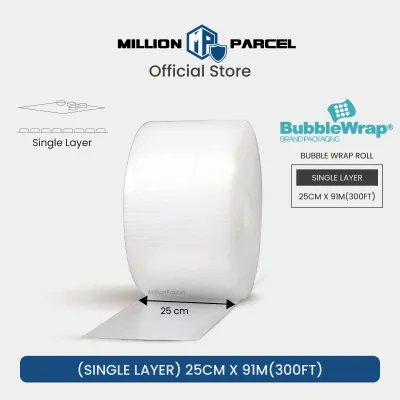
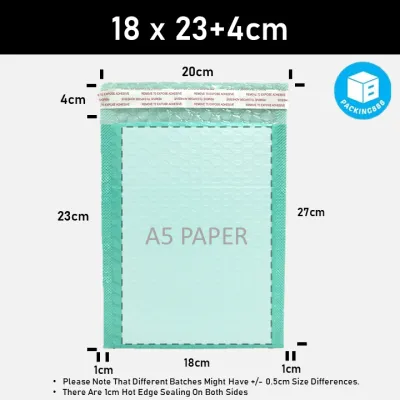
To select the most effective protective packaging, it is essential to understand how different materials interact with physical forces. Bubble wrap consists of regular, air-filled cells sealed between layers of plastic film. These cells act as miniature air cushions that compress under sudden impact, distributing the force across a wider surface area. This makes bubble wrap highly effective for absorbing direct shocks from drops or external bumps.
Foam sheets, on the other hand, are made of thin, flexible, closed-cell or open-cell polyethylene or polyurethane. This structure provides a dense, uniform barrier that excels at absorbing high-frequency vibrations and preventing friction-induced wear. Unlike bubble wrap, which has a textured surface of raised bubbles, foam sheets offer a smooth, flat contact area that distributes pressure evenly across the item’s surface.
Products mentioned in this guide
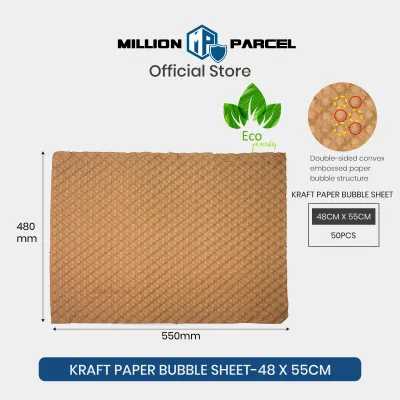
Prices are valid at publication and may change. Please refer to the product page for the latest price.
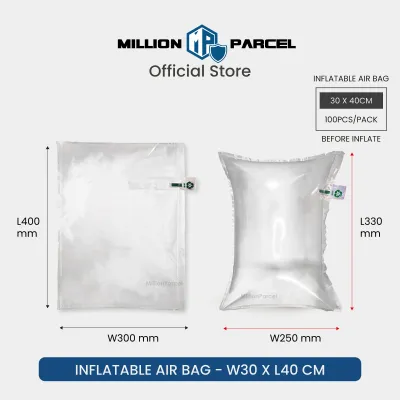
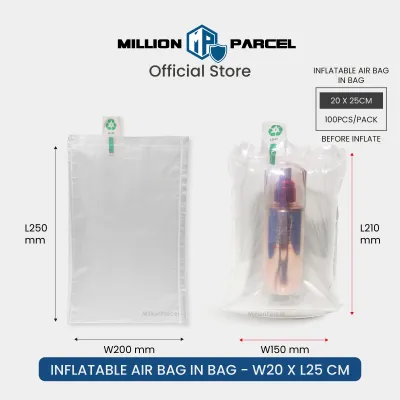
Air pillows are large, inflatable bags filled with air, typically made of thin plastic film. Unlike bubble wrap, which covers the item’s surface, air pillows are designed to occupy large empty spaces within a shipping box. They act as physical barriers that block and brace items, preventing them from moving or sliding during transit.
The fundamental difference lies in surface cushioning versus void fill and blocking. Surface cushioning absorbs direct shocks from external drops or bumps. Void fill and blocking prevent the item from sliding, tumbling, or colliding with the walls of the box. Matching structural properties to item weight, fragility, and surface sensitivity is key. A heavy item will easily pop or compress small bubble wrap, rendering it useless, while a light, highly polished item might get scratched by the textured surface of certain plastic films.
Matching Protection Levels to Your Specific Items
To select the right packing materials, you must evaluate three primary factors: item weight, surface finish, and structural rigidity. No single material is universally best; instead, protection levels shift depending on whether your primary goal is shock absorption, scratch prevention, or immobilization.

Heavy items require high-density materials or robust blocking mechanisms to prevent them from bottoming out during transit. Lightweight items, on the other hand, can rely on softer, more flexible cushioning. Surface finish dictates whether you need a non-abrasive barrier. Highly polished metals, glass screens, and painted surfaces are susceptible to micro-scratches from friction. Structural rigidity determines if an item can support its own weight or if it has delicate protruding parts that require isolated wrapping.
Bubble Wrap for Surface Cushioning and Light Fragility
Bubble wrap is highly effective for lightweight, moderately fragile items that require multi-layer shock absorption. Ceramics, small electronics, glassware, and decorative ornaments benefit from the springy protection of air-filled cells. When wrapped in multiple layers, bubble wrap creates a resilient barrier that cushions against external impacts.
When selecting bubble wrap, observe the cell size. Small bubbles (typically around 10mm in diameter and 4mm in height) are ideal for wrapping smaller items closely, providing surface protection and light cushioning. Large bubbles (often 25mm or more in diameter) offer substantial shock absorption for larger, heavier items, filling larger gaps while keeping the overall package weight low. You should also verify the roll dimensions and thickness standards to ensure they fit your dispenser boxes or wrapping stations.
Be aware of the physical limitations of bubble wrap. Under prolonged pressure or in warm, humid conditions, the plastic film of bubble wrap can cling tightly to highly polished, lacquered, or heat-sensitive surfaces. This can leave temporary circular marks or ghosting on the item. Always check the manufacturer’s guidelines for sensitive items, and consider using an intermediate protective layer.
Foam Sheets for Scratch Prevention and Rigid Edges
Foam sheets are the preferred choice when your primary goal is protecting delicate surfaces and rigid items from abrasion rather than absorbing heavy impacts. Items with high-gloss finishes, polished metals, electronic screens, and painted wood are highly vulnerable to friction during transit. Foam sheets provide a soft, non-abrasive barrier that shields these surfaces from scratches.
Evaluate foam density and thickness based on the item’s weight and the expected transit vibrations. Thin foam sheets (around 1mm to 2mm) are excellent for lightweight surface protection and wrapping. Thicker foam sheets (5mm or more) provide a moderate level of cushioning alongside scratch resistance, making them suitable for heavier items with sharp or rigid edges.
One of the greatest benefits of foam sheets is their suitability for interleaving. When stacking plates, ceramic tiles, or glass panels, placing a foam sheet between each item prevents them from rubbing against one another. Foam wraps easily around flat or uniformly shaped objects without adding excessive bulk, allowing you to keep shipping box dimensions smaller.
Air Pillows for Void Fill and Blocking Heavy Loads
Air pillows serve a highly specific role: they are designed to immobilize items and fill empty spaces inside a shipping box, rather than providing direct, form-fitting surface cushioning. They are ideal for blocking and bracing heavy or bulky items to prevent them from shifting during transit. By filling the empty space, air pillows keep the item centered and secure.
It is crucial to understand the difference between using air pillows for void fill versus top or bottom cushioning. Air pillows are excellent for filling the empty gaps on the sides and top of a pre-wrapped item. However, they are generally not designed to support heavy weight at the bottom of a box, as the concentrated pressure can cause them to burst or deflate, leaving the item unprotected.
Before using air pillows for heavier shipments, check the manufacturer’s specifications regarding weight capacity and film thickness. Heavy-duty films resist puncturing and bursting under pressure, ensuring that the air pillows maintain their volume throughout the shipping journey. Additionally, verify that the film rolls are compatible with your specific inflation device or machine.
Practical Considerations: Storage, Application, and Budget
When managing packing materials, logistical and financial trade-offs are just as important as protective performance. Storage footprint is a major differentiator. Large rolls of bubble wrap and foam sheets require significant physical space in your home, office, or warehouse. In contrast, uninflated air pillow films are stored as flat, compact rolls, requiring minimal space until they are inflated using a dedicated tabletop inflation machine.
Application speed and ease of use also vary. Wrapping items manually with bubble wrap or foam sheets requires cutting, wrapping, and securing with adhesive tape, which can be time-consuming for high-volume shipping. Air pillows, especially when inflated on-demand with a machine, can be dispensed rapidly to fill large voids in seconds, streamlining the packing workflow.
To evaluate cost-effectiveness, compare current supplier pricing in S$ per square meter or per roll rather than relying on fixed estimates. For low-volume shippers, buying pre-cut sheets or small rolls of bubble wrap or foam is often the most practical choice. For high-volume businesses, investing in an air pillow inflation machine and flat film rolls can significantly lower the cost per package over time.
Consider the end-of-life and environmental impact of these materials. In Singapore, clean plastic films, bubble wrap, and deflated air pillows are generally classified as recyclable plastics. However, you should check local recycling guidelines and deposit them in designated recycling bins or collection points rather than mixing them with general waste, ensuring they are processed correctly.
Decision Framework: How to Choose the Right Material
To simplify your selection, use a condition-based framework to identify the primary decision triggers for each material. Choose bubble wrap if the item is fragile, lightweight, and has irregular curves that require form-fitting shock absorption. Choose foam sheets if the item has a highly sensitive surface prone to scratching, or if you need to stack flat items with protective layers in between. Choose air pillows if you have a sturdy item or a pre-wrapped item inside a box with large empty spaces that must be filled to prevent movement.
In many cases, combining materials yields the best results. For example, you can wrap a delicate ceramic vase in a foam sheet to protect its glaze, wrap it in a layer of bubble wrap to absorb external shocks, and then place it in a box filled with air pillows to keep it perfectly centered and immobile.
Always include a final verification step: check the original product’s packaging instructions, warranty requirements, or specific material sensitivities before sealing the box. Additionally, because the water resistance and surface friction of these materials depend on the exact plastic formulation, perform a quick dry-rub trial on a sample surface to verify that the material does not leave residue or cause abrasion under friction.
Frequently Asked Questions (FAQ)
Can I combine bubble wrap and foam sheets for maximum protection?
Yes, combining these materials is highly effective for valuable or extremely fragile items. The correct layering sequence is critical: always place the foam sheet as the inner layer in direct contact with the item’s surface to prevent scratches and abrasion. Then, wrap the bubble wrap around the foam-covered item to act as the outer shock-absorbing barrier. This prevents the textured plastic bubbles from pressing directly against sensitive finishes while maximizing impact protection.
Are there eco-friendly alternatives to these plastic-based packing materials?
Yes, several observable alternatives exist for those looking to reduce plastic use. Corrugated bubble wrap (made of shredded cardboard), honeycomb paper wrap, and biodegradable packing peanuts made from starch are popular options. When choosing these alternatives, verify the specific compostability or recycling certifications printed on the product packaging to ensure they align with your local waste disposal capabilities.
Community discussion
Share your experience or ask a question. Comments are reviewed before publication.