
Finding the right cotton yarn for your crochet projects in Singapore requires balancing fiber properties, project goals, and local availability. Because Singapore’s warm, humid climate makes breathable, lightweight crochet items highly desirable, cotton is an exceptionally popular choice for local crafters. Rather than searching for a single, universally “best” brand, successful crocheting depends on understanding how different cotton yarns behave under your hook and how to source them effectively. By matching the specific characteristics of the yarn to your intended project—whether it is a structured bag, a delicate wearable, or a detailed amigurumi toy—you can ensure your finished piece looks beautiful and stands up to daily use.
Core Properties of Cotton Yarn for Crochet
Cotton is a natural, plant-based fiber that behaves quite differently from animal wool or synthetic acrylics. The most notable characteristic of cotton yarn is its lack of elasticity. Unlike wool, which stretches and springs back, cotton has very little “give” or bounce. This inelasticity means that every stitch you crochet will be highly defined and hold its shape precisely. While this makes cotton excellent for showing off intricate stitch patterns, textured stitches, and clean lines, it also means that any unevenness in your tension will be more visible. Crafters transitioning from acrylic to cotton often find they need to pay closer attention to maintaining a consistent grip on their working yarn.
Another defining feature of cotton is its exceptional moisture absorption and breathability. In Singapore’s tropical climate, garments made from synthetic fibers can often feel stifling and trap heat. Cotton fibers naturally absorb moisture from the skin and allow air to circulate, making cotton wearables far more comfortable to wear outdoors. However, this high absorbency also means that cotton yarn can hold onto water during washing, making the wet fabric significantly heavier and slower to dry. Understanding this behavior is crucial when planning how you will wash and care for your finished items.
Products mentioned in this guide
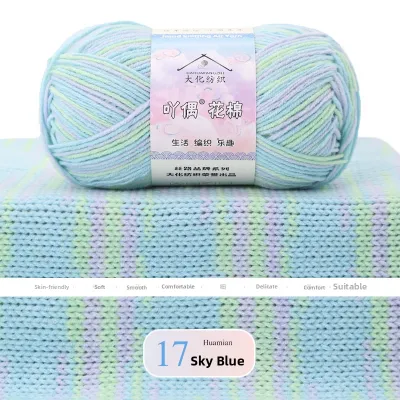
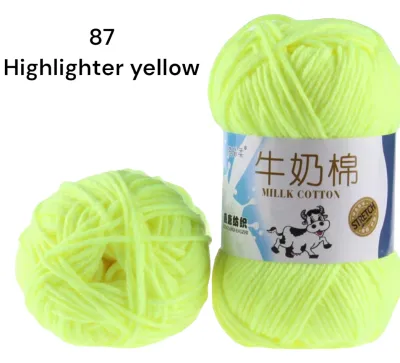
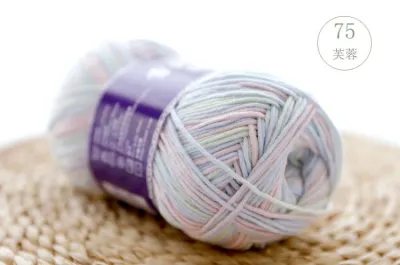
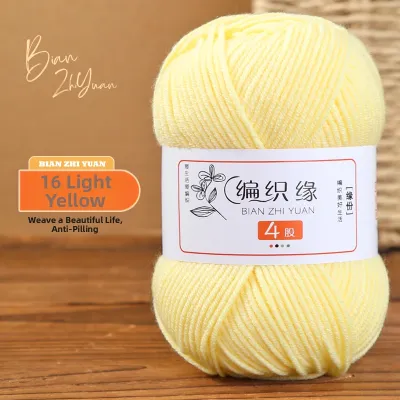
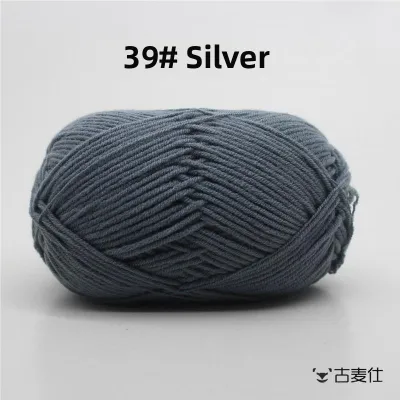
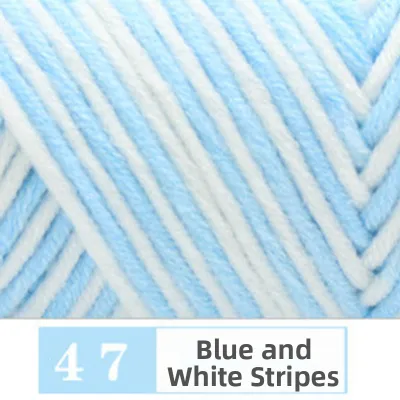
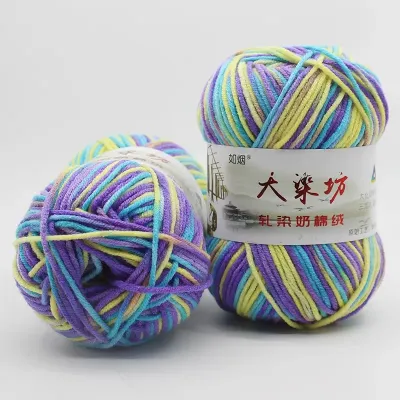
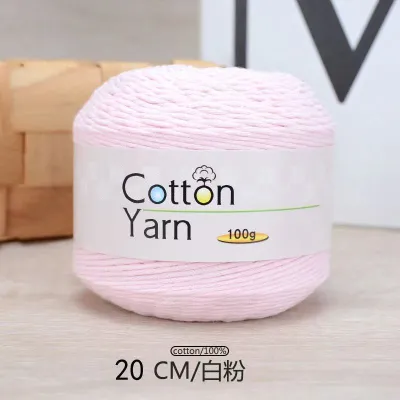
Prices are valid at publication and may change. Please refer to the product page for the latest price.
The weight and density of cotton also set it apart from other fibers. Cotton is inherently denser and heavier than acrylic or wool of the same thickness. A large blanket or a long cardigan crocheted entirely from pure cotton can become quite heavy, which may cause the garment to stretch downward over time due to gravity. This characteristic drape must be factored into your design choices. While the weight of cotton provides a beautiful, fluid drape for summer tops and shawls, it requires careful structural planning for larger items to prevent them from losing their shape.
Matching Yarn Specifications to Crochet Project Types
Selecting the right cotton yarn requires matching the yarn’s construction and finish to the specific demands of your project. For amigurumi and small toys, structural integrity and stitch clarity are the primary requirements. For these projects, a tightly plied, mercerized cotton yarn is highly recommended. Mercerization is a chemical treatment that swells the cotton fibers, giving them a lustrous, silk-like sheen, increased strength, and greater dye affinity. This process makes the yarn smoother and less prone to fraying or splitting as you work tight stitches. The resulting fabric is stiff and durable, helping toys hold their shape and stuffing securely without stretching out over time.

When crocheting garments and wearables, the stiffness of mercerized cotton can be a disadvantage. For comfortable clothing, look for unmercerized cotton or cotton-blend yarns. Unmercerized cotton retains its natural softness, matte finish, and superior absorbency, providing a much gentler feel against the skin. Blending cotton with lighter fibers like acrylic, bamboo, or linen can also improve the drape and reduce the overall weight of the garment. A cotton-acrylic blend, for example, combines the breathability of cotton with the lightweight bounce of acrylic, resulting in a wearable piece that is easy to wash, quick to dry, and comfortable to wear in air-conditioned indoor spaces.
For home decor items, such as coasters, placemats, plant hangers, and market bags, durability and washability are paramount. Heavyweight cotton yarns, such as worsted weight, aran, or even cotton cord, are ideal for these applications. These thicker yarns provide the necessary thickness and rigidity to create self-supporting structures like baskets or sturdy straps for tote bags. Because home accessories are subjected to frequent handling and spills, choosing a robust, machine-washable cotton ensures that your creations can be cleaned repeatedly without losing their structural integrity or pilling excessively.
Navigating Yarn Purchasing Channels in Singapore
Sourcing cotton yarn in Singapore involves navigating a mix of physical retail shops and online platforms. Visiting local craft stores and specialty yarn boutiques offers the benefit of physical inspection. Touching the yarn allows you to assess its softness, stiffness, and ply twist firsthand, which is difficult to judge online. You can also verify the true color under natural light, avoiding screen calibration discrepancies. Many local shops also employ experienced staff who can offer advice on yarn substitution and hook selection.
For a wider variety of brands, colors, and weights, online marketplaces and independent e-commerce stores are excellent resources. When shopping online, you can easily compare prices in S$ across different sellers and access international brands that may not be stocked locally. Many independent online yarn shops specialize in importing high-quality cotton yarns from Europe, Japan, or the Americas. When purchasing online, check if the seller provides detailed specifications, including fiber content, weight, and recommended hook sizes.
When ordering cotton yarn from international websites or cross-border sellers, factor in shipping logistics. Consider shipping origins, estimated delivery times, and potential import fees or taxes. While international shipping can take several weeks, planning in advance helps you secure unique yarns for special projects. Be sure to calculate the total cost, including shipping fees, to determine if the purchase fits your budget, and look for sellers offering tracked shipping to monitor your package’s journey.
Decoding Yarn Labels and Manufacturer Specifications
The paper band wrapped around a skein of yarn, known as the yarn label, contains essential technical specifications that guide your crochet process. The first detail to examine is the fiber content percentage. A label will clearly state whether the yarn is 100% pure cotton or a blend, such as 60% cotton and 40% acrylic. Understanding these ratios helps you predict how the yarn will behave during stitching and after washing. If you are looking for maximum breathability, a pure cotton is ideal, whereas a blend might be chosen for added softness, elasticity, or reduced weight.
Next, look for the physical weight of the skein and its total yardage. This information is critical for calculating how many skeins you need. Two skeins may both weigh 50 grams, but if one has a shorter yardage, it indicates a thicker yarn weight. The label also displays a recommended crochet hook size in millimeters. While this recommendation is a helpful starting point, your personal tension and the desired stiffness of your project may require you to size up or down. For example, amigurumi projects typically use a hook one or two sizes smaller than recommended to create tight, hole-free stitches.
Another crucial piece of information on the yarn label is the dye lot number. When yarn is dyed in large vats, subtle variations in temperature, water chemistry, and dye concentration can cause slight color differences between batches. Even if two skeins share the exact same color name or color code, they may look noticeably different when crocheted side-by-side if they come from different dye lots. Always check that the dye lot numbers match on every skein you purchase for a single project. If you must use different dye lots, alternating skeins every few rows can help blend the color differences seamlessly.
Evaluating Brand Reliability and Quality Indicators
When exploring new or unfamiliar cotton yarn brands, you can assess their quality by inspecting several physical indicators. Start by examining the consistency of the spinning. High-quality cotton yarn should have an even thickness throughout the entire skein. Avoid yarns that feature sudden thick sections or thin, fragile spots, as these inconsistencies can weaken your stitches and disrupt the uniform appearance of your crochet fabric. Additionally, look at the ply twist; a well-constructed yarn has a balanced twist that holds the individual strands together without being so tight that the yarn kinks, or so loose that it splits easily.
Another indicator of quality is the presence of knots within the skein. While a single knot in a skein is occasionally acceptable due to manufacturing limits, frequent knots indicate poor quality control and force you to cut and join yarn more often, creating extra ends to weave in. You should also check the label for care instructions, colorfastness guarantees, and shrinkage warnings. High-quality brands often provide clear guidelines on washing temperatures and drying methods. If a yarn label lacks basic care symbols or manufacturer details, it may be a sign of lower-quality production standards.
Finally, leverage the collective knowledge of the global and local crafting community. Online maker forums, social media groups, and pattern databases are excellent resources for researching real-world performance. Search for the specific yarn brand to see what other crocheters say about its durability, softness, and ease of use. You can often find helpful notes from pattern designers who have tested the yarn in various stitch patterns, giving you valuable insights into how the yarn holds up over time, whether it tends to pill, and how it responds to blocking.
Swatching and Pre-Project Verification
Before diving into a major crochet project, investing time in creating a gauge swatch is highly recommended. A gauge swatch is a small square, typically 10 by 10 centimeters, crocheted using the exact stitch pattern, hook size, and yarn you plan to use for your project. This simple test allows you to measure your personal tension and compare it to the pattern’s specifications. Because cotton yarn has no elasticity, your tension can significantly affect the final size and drape of your item. Swatching helps you determine if you need to adjust your hook size to achieve the correct dimensions.
Once your swatch is complete, subject it to a washing and blocking test to observe how the yarn behaves. Wash the swatch according to the care instructions on the yarn label, and lay it flat to dry. This step is crucial for cotton, as it reveals whether the yarn will shrink, stretch, or bleed color. Observing how the fabric changes after washing helps you avoid unpleasant surprises, such as a garment shrinking two sizes or a dark dye bleeding into a lighter section. It also gives you a realistic preview of the finished item’s drape and texture.
Based on the results of your swatch test, make any necessary adjustments before starting your actual project. If your swatch is too small, it means your tension is tight, and you should try a larger hook size. If the swatch is too large or loose, switch to a smaller hook to tighten your stitches. If you notice significant color bleeding during the wash test, you may need to pre-wash your yarn skeins or use color-trapping sheets during laundering to protect your finished work. Taking these precautionary steps ensures that your hard work results in a beautiful, long-lasting piece.
Frequently Asked Questions (FAQ)
Does mercerized cotton yarn shrink after washing?
Mercerized cotton yarn is generally much more stable and resistant to shrinkage than unmercerized cotton. The mercerization process alters the chemical structure of the cotton fibers, making them less prone to swelling and contracting when exposed to water. However, some minor shrinkage can still occur, especially if the finished item is washed in hot water or dried in a high-heat tumble dryer. To maintain the original size and shape of your mercerized cotton items, it is best to wash them in cool or lukewarm water and lay them flat to dry.
How can I prevent cotton yarn from splitting while crocheting?
Yarn splitting occurs when your crochet hook catches on individual plies of the yarn rather than gliding smoothly through the entire strand. To minimize splitting, choose a crochet hook with a more rounded, tapered head rather than a sharp, inline head, as a rounded tip is less likely to pierce the yarn plies. Additionally, try to maintain a relaxed, even tension; pulling the yarn too tightly can cause the plies to untwist and separate. If you continue to experience splitting, switching to a more tightly twisted or mercerized cotton yarn can make a significant difference.
Is it necessary to buy all skeins from the same dye lot?
Yes, it is highly recommended to buy all the skeins you need for a single project from the same dye lot. Even minor variations in the dyeing process can create subtle color differences that may not be noticeable in the skein but will appear as distinct, distracting bands of color in your finished crochet fabric. If you run out of yarn and must use a different dye lot, you can minimize the visual impact by alternating rows between the old and new dye lots for several centimeters, which helps blend the transition smoothly.

Community discussion
Share your experience or ask a question. Comments are reviewed before publication.