
Choosing the right seam ripper depends entirely on balancing the need for surgical control against the demand for rapid, high-volume thread cutting. For intricate tasks like unpicking tiny machine stitches, delicate embroidery, or fragile lace, a fine-tipped standard fork-and-blade seam ripper offers the necessary visibility and physical feedback to isolate individual threads without tearing the surrounding weave. Conversely, when dismantling long, straight seams on heavy-duty garments, home decor items, or bulk production runs, ergonomic handles and specialized blade shapes minimize hand fatigue, while motorized or electric seam rippers can slice through continuous stitching lines in a fraction of the time.
Selecting the wrong tool for the job can lead to costly mistakes, such as accidentally slicing through the base fabric or suffering from hand cramps after only a few minutes of work. Understanding how physical design elements—such as blade curvature, tip thickness, handle diameter, and weight distribution—affect performance allows sewists to match their tool to the specific demands of their project. By evaluating these design characteristics, you can build a versatile sewing kit that handles both delicate alterations and heavy-duty deconstruction with ease.
Core Seam Ripper Designs and Mechanisms
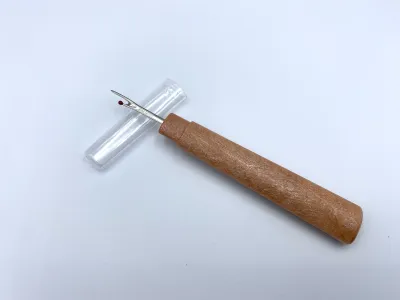
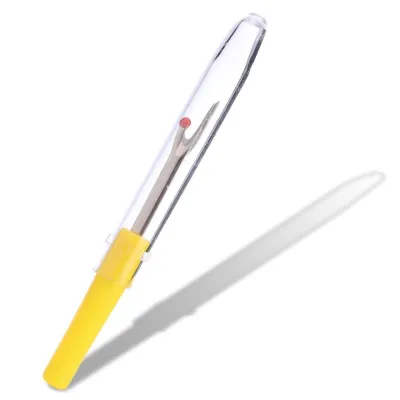
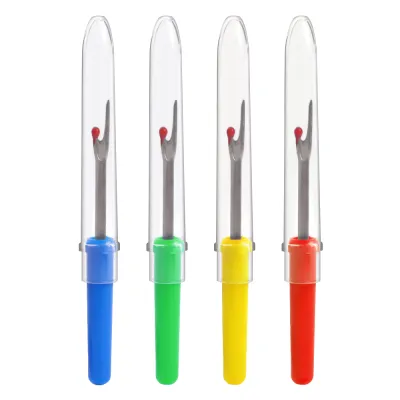
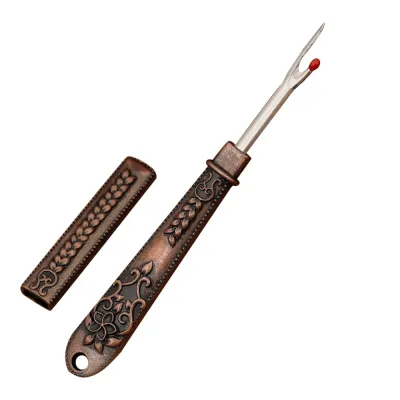
The standard fork-and-blade seam ripper remains the most recognizable tool in any sewing kit. This classic design features a metal shaft that splits into a sharp, pointed tip on one side and a shorter prong tipped with a small safety ball on the other, with a curved cutting blade nestled in the valley between them. The pointed tip is designed to slip under individual stitches, while the safety ball is intended to slide smoothly along the fabric surface, pushing the threads toward the blade while preventing the sharp point from snagging the underlying weave.
Products mentioned in this guide
![[Local SG Seller] Clover 21-501 Seam Ripper](https://img.lazcdn.com/g/p/a26c546d2836ca81bf75c89194437066.jpg_400x400q80.jpg_.webp)
Prices are valid at publication and may change. Please refer to the product page for the latest price.
Ergonomic variations modify this traditional structure to address the physical strain of repetitive unpicking. These tools typically feature enlarged, contoured handles made from soft-grip materials like thermoplastic rubber or textured silicone, which allow for a relaxed, full-hand grip rather than a tight pinch. Some ergonomic models also adjust the weight distribution, adding heft to the handle or altering the angle of the metal shaft to keep the wrist in a neutral, straight position during use, which is particularly beneficial for sewists managing joint discomfort or arthritis.
Electric or automated seam rippers represent a modern shift toward motorized cutting. These devices operate similarly to hair trimmers or small electric shears, utilizing a rapidly oscillating blade guard assembly that cuts threads upon contact. Instead of manually lifting and slicing each stitch, the user guides the motorized head along the seam line, allowing the mechanical action to shear the threads continuously. While highly efficient, these tools require a steady hand and a clear understanding of fabric tension to prevent accidental damage to the main textile body.
Evaluating Tools for Precision and Detail Work
Precision work, such as unpicking tight serger stitches, heirloom sewing, or delicate buttonholes, requires a tool that prioritizes control over speed. The primary requirement for this type of work is an ultra-fine, tapered tip that can slide under stitches measuring less than two millimeters in length without stretching or distorting the surrounding fibers. Standard plastic-handled rippers often feature thicker metal tips that can struggle to penetrate dense stitching, making a specialized fine-tip or surgical-grade steel ripper the preferred choice for detailed tasks.

Visibility around the cutting area is another critical factor when performing delicate work. A bulky handle or an oversized safety ball can obstruct your line of sight, making it difficult to see exactly which thread is resting against the blade. Precision-focused designs often feature elongated, slender shafts and minimal safety balls, allowing you to work under magnifying lamps or in tight corners, such as the pointed collar of a shirt or the curved armscye of a delicate silk blouse.
To verify the suitability of a seam ripper for precision work, you can perform a simple tactile check on a scrap piece of fabric. Gently insert the tip under a single stitch and lift; the tool should slide in smoothly without catching on the fabric threads, and you should feel a distinct, clean resistance as the thread meets the blade. If the tool requires significant pushing force or causes the surrounding fabric to pucker before the thread cuts, the blade may be too dull or the tip too thick for high-precision tasks.
Assessing Options for Bulk and Large-Scale Removal
When tasks involve dismantling long side seams, removing heavy-duty zippers, or deconstructing entire garments for upcycling, speed and physical endurance become the primary concerns. For these bulk operations, a wider, deeply curved blade is highly advantageous. A larger blade opening allows multiple threads to gather and slide into the cutting zone simultaneously, enabling a smooth, continuous sliding motion along the seam rather than a stitch-by-stitch lifting action.
Handle design plays a pivotal role in preventing hand fatigue during prolonged bulk removal. A thin, pencil-like handle forces the fingers into a tight pinch grip, which can quickly lead to cramping and muscle strain when used continuously for hours. Ergonomic handles with a wider diameter distribute the gripping pressure across the palm, allowing you to apply consistent forward pressure using the larger muscles of your hand and forearm rather than relying solely on finger strength.
Electric seam rippers are highly effective for high-volume, heavy-duty tasks, but they operate under strict physical limits. These motorized tools excel on stable, tightly woven fabrics like denim, canvas, and heavy cotton, where the seam line is clearly defined and the fabric can withstand the rapid vibration of the blade. However, they are generally unsuitable for loose knits, sheer polyesters, or delicate laces, as the oscillating blades can easily pull the loose warp or weft threads into the cutting mechanism, resulting in instant, irreparable tears.
Safety, Maintenance, and Pre-Purchase Verification
Working with sharp cutting tools requires strict adherence to safe handling practices to protect both the user and the project. Always store your seam rippers with their protective caps securely in place when not in use; this prevents the sharp tip from dulling against other tools in your sewing basket and protects your fingers when reaching into storage drawers. When unpicking, always push the blade away from your body and your non-dominant hand to ensure that if the tool slips, it does not puncture your skin or slice into adjacent fabric.
Before purchasing a new seam ripper, check the manufacturer’s specifications regarding fabric compatibility and thickness limits. Some heavy-duty rippers are designed specifically for thick upholstery threads and may damage lightweight apparel fabrics, while ultra-fine rippers can bend or snap if forced through heavy denim flatlock seams. If you are working on specialized projects, such as outdoor gear made from laminated nylon or marine canvas, verify that the blade material is rated for synthetic, high-tensile threads.
Maintaining your tool is essential for consistent performance and fabric safety. Inspect the blade regularly for observable signs of dullness, such as thread snagging, fraying edges, or a noticeable increase in the physical force required to make a cut. Keep the blade area clean by using a small brush to remove lint and thread fibers that accumulate in the valley of the fork, as this debris can block the blade and cause the tool to tear rather than cut. Since most standard seam rippers cannot be easily sharpened, plan to replace the entire tool or install a fresh interchangeable blade cartridge as soon as you detect any loss of cutting efficiency.
Decision Framework: Matching the Tool to the Task
To select the ideal seam ripper for your sewing workspace, consider the frequency of your projects, the types of fabrics you handle, and your physical comfort requirements.
Choose a standard design if you primarily engage in occasional sewing, basic garment repairs, or light crafting projects where budget and simplicity are your main priorities. These compact tools are highly portable, fit easily into travel sewing kits, and provide sufficient precision for standard stitch lengths on medium-weight cottons and linens without requiring a significant financial investment.
Choose an ergonomic design if you sew frequently, manage large-scale projects, or experience hand fatigue, stiffness, or joint pain during repetitive tasks. The wider, cushioned grip and optimized weight distribution of an ergonomic tool will allow you to work comfortably for longer periods, making it an essential upgrade for dedicated hobbyists and professional dressmakers alike.
Choose an electric design if you run a high-volume alteration business, regularly deconstruct heavy-duty garments for upcycling, or need to clear long, straight seams on stable fabrics rapidly. This motorized option dramatically reduces processing time for bulk tasks, provided you have the experience to maintain steady tension and guide the oscillating head safely along the stitch line.
Verify first if you are working with specialty fabrics, highly elastic knits, or delicate vintage textiles. In these scenarios, perform a test run on an inconspicuous area or a matching scrap piece using different tool designs to ensure the blade cuts cleanly without pulling the fabric structure, and consult the manufacturer’s guidelines to confirm the tool is rated for your specific material combination.
Frequently Asked Questions (FAQ)
How do I know when a seam ripper blade needs replacing?
A seam ripper blade needs replacing when you observe that it no longer slices through threads effortlessly. If you notice that the tool snags the thread, frays the fiber edges instead of making a clean cut, or requires you to pull and pucker the fabric to force the cut, the blade has lost its edge. Using a dull blade increases the risk of slipping and tearing your fabric, so it is best to consult the manufacturer’s guidelines for replacement intervals or swap out the tool as soon as these performance changes become noticeable.
Can an electric seam ripper handle delicate fabrics safely?
Electric seam rippers are generally not recommended for delicate, sheer, or highly elastic fabrics due to the high risk of snagging. The rapid oscillation of the motorized blade can easily draw lightweight fibers or loose weaves into the cutting path, causing immediate damage to the textile. If you must use an electric model, always test the tool on a scrap piece of the identical fabric first, maintain firm tension on the seam, and strictly consult the device manual to verify its compatibility with lightweight materials before proceeding.

Community discussion
Share your experience or ask a question. Comments are reviewed before publication.