
When assembling a high-quality sewing kit, choosing the right haberdashery brands can significantly impact the ease and durability of your work. Clover, Prym, and DMC are three of the most respected names in the global sewing community, yet they serve distinctly different purposes. Rather than one brand being universally superior, each has carved out a specialized niche where its manufacturing standards and design philosophies excel.
To build an efficient and reliable toolkit, you must match each brand’s core strengths to your specific sewing tasks. Clover is celebrated for its ergonomic designs and precision hand-sewing tools, making it a favorite for quilters and detailed crafters. Prym specializes in robust functional hardware, structural garment notions, and heavy-duty fasteners. DMC remains the undisputed global leader in embroidery threads, decorative floss, and needlecraft supplies.
Understanding how these brands compare across key categories allows you to invest your budget wisely. In humid climates like Singapore, where fabric behavior and tool longevity can be affected by moisture, selecting high-grade, rust-resistant accessories is essential. By combining the strengths of these three manufacturers, you can create a customized sewing kit that handles everything from delicate hand embroidery to structured garment construction with professional results.
Products mentioned in this guide
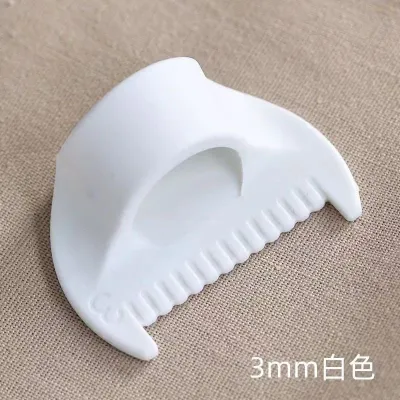
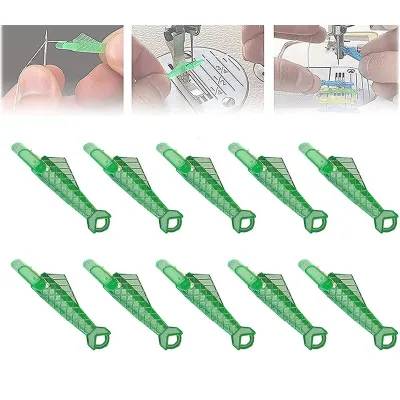
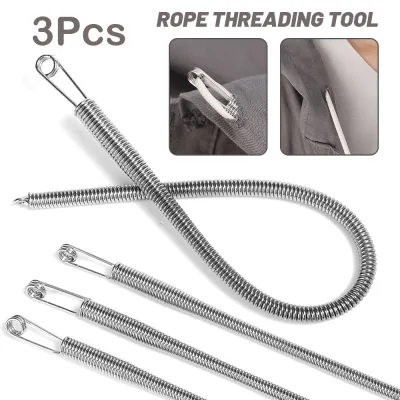
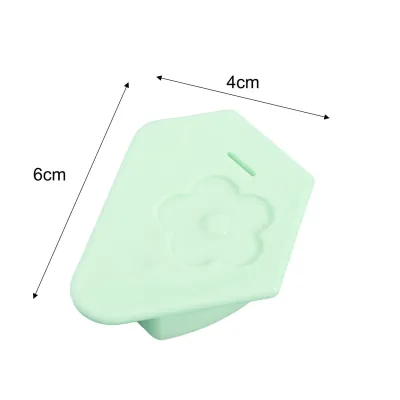
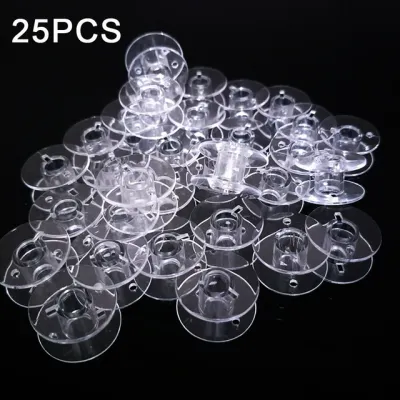
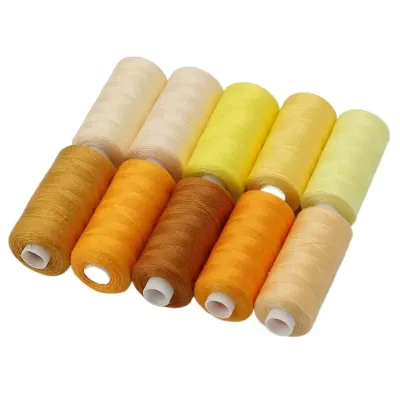
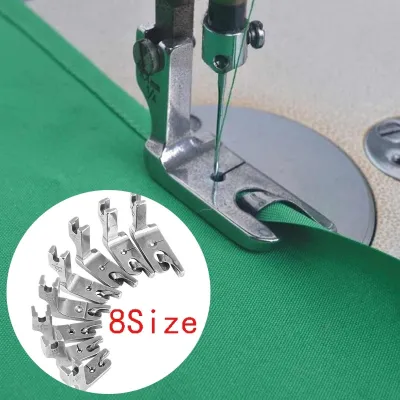
Prices are valid at publication and may change. Please refer to the product page for the latest price.
Brand Positioning and Core Strengths
Every major haberdashery brand carries a unique manufacturing heritage that shapes its product development and quality standards. Understanding these distinct brand identities helps you predict which manufacturer will offer the most reliable solution for a given sewing challenge.
Clover: Precision and Ergonomics
Originating from Japan, Clover is renowned for meticulous engineering and user-centric design. The brand focuses heavily on the tactile experience of sewing, ensuring tools feel natural and minimize hand fatigue during long crafting sessions. This emphasis is highly evident in their soft-touch handles, balanced weight distribution, and smooth finishes.
Clover’s catalog is highly specialized, with a strong emphasis on fine hand-sewing needles, quilting notions, and intricate crafting accessories. Their tools are designed for high-precision tasks where accuracy is paramount, such as applique and detailed patchwork. For sewists who spend hours working by hand, Clover offers unmatched comfort and reliability.
Prym: Hardware and Comprehensive Notions
Based in Germany, Prym is one of the oldest family-owned businesses in the world, with a history deeply rooted in metalworking. This heritage is reflected in their vast range of functional hardware, fasteners, and structural sewing notions. Prym excels at creating durable, mechanically sound components that form the backbone of garment construction and heavy-duty repairs.
Their product line covers everything from snap fasteners and eyelets to technical measuring gauges, rotary cutters, and specialized thimbles. Prym tools are designed for utility, efficiency, and longevity, making them the industry standard for dressmakers and tailors. When your work requires secure closures or heavy-duty fabric manipulation, Prym is typically the most reliable choice.
DMC: Threads, Floss, and Embroidery
DMC, a historic French brand, is globally synonymous with superior textile manufacturing, particularly in the realm of embroidery and needlecraft. Their double-mercerized cotton embroidery floss is the benchmark against which all other decorative threads are measured. DMC’s strength lies in its unparalleled color consistency, extensive shade ranges, and exceptional thread strength.
While DMC produces high-quality hand-sewing needles and basic embroidery accessories, their primary focus remains on the threads themselves. Their products are essential for cross-stitch, surface embroidery, and visible mending. If your sewing project involves color matching, intricate thread work, or embellishment, DMC is the industry standard.
Comparing Key Sewing Accessory Categories
To make informed purchasing decisions, it is helpful to compare how Clover, Prym, and DMC perform when their products overlap in key sewing categories. Evaluating these brands side-by-side reveals where each brand’s design philosophy offers a practical advantage.

Needles, Pins, and Thimbles
When selecting hand-sewing needles, the smoothness of the eye and the flexibility of the shaft are critical for preventing fabric damage and thread fraying. Clover needles are famous for their gold-plated eyes, which are exceptionally smooth and allow thread to pass through with minimal friction. Their shafts are highly polished and slightly flexible, allowing them to glide through dense fabrics without bending permanently. Prym needles, on the other hand, focus on robust utility, offering excellent stiffness and sharp points that are ideal for piercing heavy materials like denim, canvas, or leather.
Rather than relying on generic labels like “medium” or “standard,” always check the packaging for specific fabric-weight recommendations and numerical sizing. A finer needle (such as a size 9 or 10) is necessary for delicate silks and lightweight cottons to avoid leaving visible holes, while a thicker needle is required to carry heavier threads through dense weaves. Clover’s packaging often provides detailed guidance on fabric compatibility, making it easier to select the exact needle for your project.
Thimble selection is highly personal and depends on the shape of your hand and your preferred sewing style. Clover offers innovative leather and flexible silicone thimbles that mold to the unique contours of your finger over time, providing a sensitive, natural feel that many hand-quilters prefer. Prym offers the “Ergonomics” thimble line, made from breathable plastic with integrated ventilation holes and a hard utility tip designed to catch and push the needle securely. When purchasing a thimble, always verify the fit on your dominant hand’s middle finger to ensure it remains secure without cutting off circulation.
Measuring, Marking, and Cutting Tools
Accurate pattern drafting and fabric preparation require a combination of flexible and rigid measuring tools. Prym is a leader in this category, offering fiberglass-reinforced flexible tape measures that resist stretching over time, ensuring consistent accuracy across years of use. For smaller, repetitive measurements like hem allowances or buttonhole spacing, Prym’s rigid metal seam gauges with sliding plastic markers offer excellent precision. Clover also provides high-quality measuring tools, often featuring high-contrast, dual-colored markings that are exceptionally easy to read under varying studio lighting conditions.
Marking tools must be chosen carefully to ensure they can be completely removed from your fabric without leaving a residue. Clover’s chalk wheels and water-erasable marking pens are highly regarded for producing ultra-fine, precise lines that do not smudge easily during handling but disappear completely when dabbed with water. Prym offers traditional tailor’s chalk as well as cartridge-style chalk pens that allow for easy refilling. Regardless of the brand you choose, always test the marking tool on a hidden scrap of your specific fabric first, as synthetic fibers, fabric finishes, or local humidity levels can sometimes cause pigments to become permanently set.
For cutting tools, rotary cutters are essential for achieving clean, straight edges on multiple layers of fabric. Both Clover and Prym manufacture high-quality rotary cutters with ergonomic safety handles, but a key consideration is the availability of replacement blades. Before purchasing a cutter, verify that replacement blades are readily available in your local market and check their compatibility. Some brands use proprietary mounting holes, meaning a Prym blade may not fit a Clover cutter, so keeping your cutting system within a single brand can simplify maintenance.
Threads, Yarns, and Fasteners
Matching your thread composition to your fabric is essential for ensuring seam strength and preventing puckering. DMC’s cotton threads are ideal for natural fibers, quilting, and decorative hand-stitching, offering a beautiful, low-sheen finish and excellent heat resistance when ironed. However, for structural seams on modern garments—especially those made from synthetic blends or fabrics with stretch—polyester construction threads are preferred because they stretch slightly under tension without snapping.
When it comes to functional hardware, Prym is the industry standard for snap fasteners, eyelets, and rivets. Their fasteners are engineered to withstand repeated washing and heavy use without losing their grip or corroding. When selecting snap fasteners, match the weight of the fastener to the thickness of your fabric; a heavy-duty metal snap will tear lightweight linen, while a delicate plastic snap will fail to hold on a thick wool coat.
Installing non-sew hardware requires specialized tools, and this is where brand compatibility becomes critical. Prym’s snap fasteners are designed to be installed using their proprietary Vario pliers or the specific setting tools included in their packaging. Attempting to install Prym hardware with generic tools or tools from another brand like Clover can result in misaligned prongs, damaged fabric, or ruined fasteners. Always verify that your installation tools and hardware sizes align perfectly before beginning assembly.
How to Choose the Right Brand for Your Project
Selecting the right haberdashery brand does not mean committing to a single manufacturer for your entire sewing room. Instead, the most successful sewists build a hybrid toolkit, selecting the best tool for each specific stage of their project.
You should choose Clover if your primary focus is on precision hand-sewing, quilting, applique, or detailed crafting. If you frequently experience hand fatigue, joint pain, or stiffness during long sewing sessions, Clover’s ergonomic seam rippers, rotary cutters, and crochet hooks are worth the investment. Their ultra-fine pins and polished hand-sewing needles are unmatched when working with delicate, high-value fabrics where precision is non-negotiable.
You should choose Prym if you are constructing garments, tailoring outerwear, performing heavy-duty repairs, or working with structural hardware. Prym is the ideal choice when you need reliable measuring gauges, durable marking tools, and high-quality fasteners like snaps, hooks, and zippers. Their comprehensive range of utility notions ensures that your garments are structurally sound and finished to a professional standard.
You should choose DMC if your project involves hand embroidery, cross-stitch, tapestry, visible mending, or decorative embellishments. Their extensive color matching system and high-luster cotton threads are essential for achieving vibrant, long-lasting decorative work. DMC is also the go-to brand when you need specialized embroidery needles designed to accommodate thicker, multi-stranded threads without damaging the ground fabric.
Before purchasing, always verify compatibility if you plan to mix brands within a single task. While you can easily use a Prym tape measure to plan a project stitched with DMC thread, physical interfaces require caution. Always ensure that hand-sewing needles have eyes large enough for your chosen thread weight, and never attempt to mix hardware fasteners and installation tools from different brands without verifying their physical dimensions first.
Verifying Quality and Compatibility Before You Buy
To ensure your sewing accessories perform reliably and do not damage your project materials, it is important to establish a routine of quality and compatibility checks before you begin. Taking a few minutes to verify your tools can save hours of frustration and prevent costly mistakes on your fashion fabrics.
First, read the product packaging carefully to identify specific fabric weight and needle size pairings. Do not assume that needle sizes are completely universal across different brands, as subtle variations in eye shape, point style, and shaft taper can affect how they interact with your fabric. Match ballpoint or stretch needles to knit fabrics, and sharp or microtex needles to woven fabrics, ensuring the numerical size matches the weight of your material.
Second, verify the fiber composition of your thread to ensure it matches the care requirements and physical properties of your fabric. If you are sewing a garment that will be washed frequently at high temperatures, ensure the thread has similar shrinkage characteristics to the fabric. For stretch fabrics, always use a thread with sufficient elasticity, or adjust your machine’s stitch settings to allow the seam to stretch without breaking.
Third, double-check that your hardware installation tools and fasteners are perfectly aligned in size and brand specifications. If you are using Prym non-sew snaps, verify that the plastic dies in your installation pliers match the exact millimeter diameter of the snap components. Mismatched tools can apply uneven pressure, causing the metal prongs to bend incorrectly, which can slice through fabric fibers and ruin the garment.
Finally, always perform a complete test run on a hidden scrap of your project fabric before committing to the final piece. Use this scrap to test your marking tools for easy removal, check your thread tension and stitch quality, and practice installing any metal hardware. In humid environments, testing is especially critical to ensure that marking inks do not react with moisture in the air or become permanently set by the heat of your steam iron.
Frequently Asked Questions (FAQ)
Can I mix sewing accessories from Clover, Prym, and DMC in one project?
Yes, you can easily mix accessories from Clover, Prym, and DMC within a single project, as long as you verify their physical compatibility. For example, you can use a Prym tape measure to draft your pattern, Clover pins to secure the fabric, and DMC thread for the hand-finished details. The only areas where mixing brands requires caution are physical interfaces, such as ensuring your needle eye is large enough for your thread weight, or that your hardware fasteners match the specific brand of installation pliers you are using.
How do I know which needle size to buy for my fabric?
To choose the correct needle size, refer to the compatibility chart typically printed on the back of the needle packaging. These charts map specific needle types and sizes to corresponding fabric weights, such as using fine sharps (sizes 9 to 12) for lightweight silks, and thicker needles (sizes 14 to 16) for heavy denim or canvas. Always test the needle on a scrap piece of your project fabric first; if the needle is too thick, it will leave visible holes, and if it is too thin, it may bend, skip stitches, or shred your thread.
Do premium haberdashery brands offer better value for beginners?
For beginners, investing in a few high-use, premium items from brands like Clover or Prym offers excellent long-term value because these tools improve control and reduce frustration. Essential items like an ergonomic seam ripper, a high-quality tape measure, and a pack of sharp, polished hand-sewing needles are worth buying from premium brands. Basic consumables or specialized tools that you use infrequently can be sourced more economically until your skills develop and you identify your specific sewing preferences.
Community discussion
Share your experience or ask a question. Comments are reviewed before publication.