
Deciding between premium options like SEALED AIR Bubble Wrap and generic alternatives in Singapore often comes down to a balance of protection requirements and budget constraints. The premium cost of branded bubble wrap is typically justified when shipping high-value, fragile, or sensitive items that demand consistent air retention over long transit times. Conversely, generic bubble wrap is often entirely sufficient for low-risk, durable, or lightweight goods where basic, short-term cushioning is the primary requirement. By evaluating key physical characteristics, testing air retention, and analyzing your specific shipping risks, you can determine which option offers the best value for your packaging workflow.
Key Differences to Check Before Buying
When comparing premium brands to generic alternatives, the differences are not merely cosmetic; they lie in the structural integrity of the plastic film. Premium bubble wrap, such as SEALED AIR Bubble Wrap, is engineered with specific manufacturing standards that ensure uniform bubble height and spacing across the entire roll. In contrast, generic rolls may exhibit inconsistent bubble sizes, with some sections containing under-inflated or completely flat bubbles that compromise protection.
Film thickness is a critical specification that you should verify on the product label or technical data sheet. Thickness is typically measured in microns or mils (one-thousandth of an inch). Premium brands often use multi-layer co-extrusion technology to create a thinner yet stronger film, whereas generic options may rely on a single, thicker layer of low-density polyethylene (LDPE) that is more prone to stretching and tearing under pressure.
Products mentioned in this guide
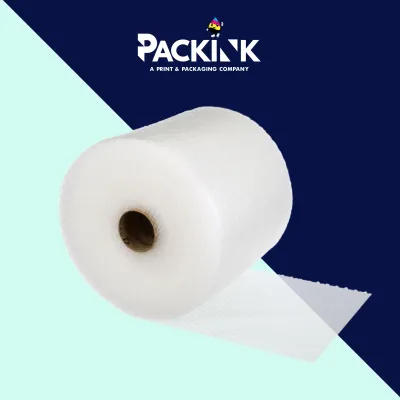
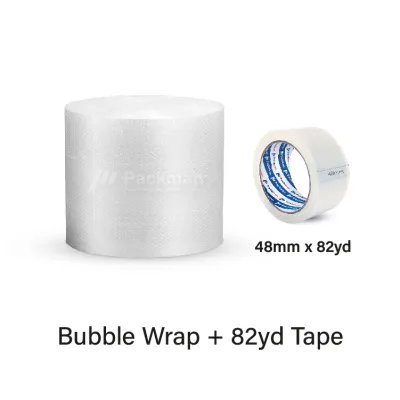
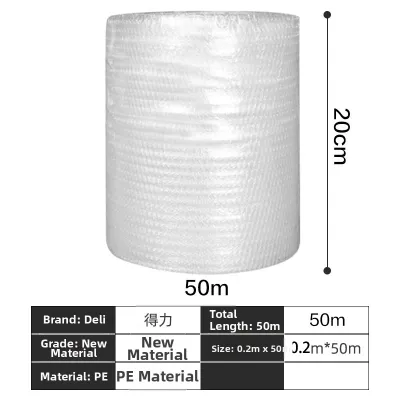
![[SG] Bubble Wrap® 10m | Foam Roll 5m | Packing Tapes – Cushioning for Packing Moving Warehouse Use](https://img.lazcdn.com/g/p/5d1b2367f552267faa5f9fe7d51ee653.jpg_400x400q80.jpg_.webp)
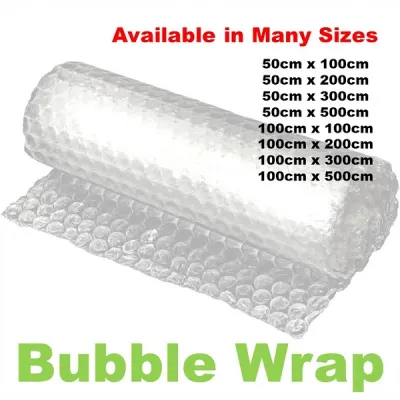
Prices are valid at publication and may change. Please refer to the product page for the latest price.
You can also assess the material composition through simple visual and sensory checks. High-quality bubble wrap made from virgin resin blends is highly transparent and virtually odorless. Generic bubble wrap, which frequently incorporates a higher percentage of recycled post-industrial or post-consumer plastic, may have a slightly cloudy or greyish appearance and a distinct plastic odor. While recycled content is excellent for sustainability, it can sometimes reduce the overall tensile strength of the film.
Additionally, look for specialty features designed for specific applications. Premium manufacturers often offer specialized variations, such as pink anti-static bubble wrap for sensitive electronic components or cohesive bubble wrap that sticks to itself without adhesive tape. Generic alternatives rarely offer these specialized coatings with certified performance, meaning you must carefully verify their suitability if your items are sensitive to electrostatic discharge.
Evaluating Air Retention and Cushioning Performance
The primary function of bubble wrap is to maintain its air cushion under the stress of stacking, dropping, and vibration during transit. Premium bubble wrap often incorporates a proprietary barrier layer—typically a thin co-extruded layer of nylon or ethylene vinyl alcohol (EVOH)—sandwiched between layers of polyethylene. This barrier technology is designed to prevent air from slowly diffusing through the plastic film over time.

To evaluate air retention without relying solely on marketing claims, you can perform a few straightforward, observable tests on sample sheets. First, conduct a manual seal-strength test by firmly pressing down on individual bubbles with your thumb. A high-quality bubble should resist popping and distribute the pressure evenly, whereas a poorly sealed generic bubble may pop easily or leak air into adjacent bubbles due to weak seals between the chambers.
Another practical method is the weighted drop test. Wrap a mock item, such as a wooden block or a non-fragile container, in the bubble wrap and place it inside a standard shipping box. Drop the box from a typical handling height onto a hard surface, then unpack and inspect the wrap. Check if any bubbles have deflated or if the film has ruptured at the impact points. This gives you a direct indication of how the material absorbs shock.
For long-distance shipping or storage, air leakage over time is a critical factor. You can test this by wrapping an item and storing it under a static weight for several days or weeks. Re-inspect the wrap before dispatching the package; if the bubbles feel noticeably soft or flat, the material lacks an effective barrier layer. If your shipments require specific temperature or humidity resistance, stop and consult the manufacturer’s technical specifications, as extreme environmental conditions can accelerate air loss in standard films.
Cost vs. Value: When to Choose Which
To optimize your packaging budget in Singapore, it is helpful to establish a clear decision framework based on the value of the items being shipped and the level of transit risk. Investing in premium options like SEALED AIR Bubble Wrap is highly recommended when packaging high-value electronics, delicate glassware, collectibles, or precision instruments. For these items, the cost of a packaging failure far outweighs the premium paid for reliable, long-term cushioning and consistent air retention.
On the other hand, generic bubble wrap is a highly cost-effective choice for low-risk, durable, or soft goods. Items such as clothing, books, plastic housewares, or pre-boxed goods that only require basic scratch protection or light void-fill do not need advanced barrier technology. In these scenarios, choosing a generic roll allows you to minimize your per-unit packaging costs without compromising the safety of the shipment.
Before making a bulk purchase, verify how the physical properties of the bubble wrap affect your overall shipping expenses. A premium, thin-film barrier wrap may provide the same level of protection as a much thicker generic wrap while keeping the total package volume smaller. If your shipping volume is high, this slight difference in bubble thickness and package volume can significantly impact your dimensional weight calculations and subsequent courier fees.
It is also important to recognize the limitations of standard bubble wrap. If you are shipping extremely heavy machinery, sharp-edged metal parts, or highly sensitive liquid containers, neither premium nor generic bubble wrap may be the correct solution. In such cases, you should evaluate specialized packaging materials, such as custom-molded pulp, engineered foam inserts, or heavy-duty edge protectors, to ensure adequate protection.
How to Verify Quality When Sourcing Online
Sourcing packaging materials online from local suppliers or e-commerce platforms requires a systematic approach to ensure you receive genuine, high-quality rolls. Before committing to a large bulk order, always request physical samples from the supplier. Testing a small sample roll allows you to verify the actual bubble inflation, film strength, and material clarity firsthand before investing a significant portion of your budget.
Once your order arrives, cross-reference the physical dimensions of the roll with the specifications listed on the seller’s product page. Use a measuring tape to verify the width and total length of the roll, and check the bubble diameter and height. Discrepancies in these measurements are common indicators of substandard or mislabeled products, and verifying them immediately ensures you get exactly what you paid for.
Additionally, review the supplier’s policies regarding batch consistency, manufacturing defects, and returns. Reliable packaging distributors should offer clear guarantees on product quality and a straightforward return process if a batch fails to meet the specified standards. Consistent quality is essential, especially for businesses that rely on standardized packaging workflows to maintain efficiency.
Finally, inspect the physical construction of the roll itself. Check for proper core winding and precise edge alignment. A poorly wound roll with telescoping edges or an uneven cardboard core can cause tension issues and jam automated dispensing systems or manual packing stations. Ensuring the roll is tightly and evenly wound will save valuable time and prevent frustration during high-volume packing operations.
Frequently Asked Questions (FAQ)
Can I reuse premium bubble wrap more times than generic options?
Yes, premium bubble wrap can often be reused more times than generic options, but this depends heavily on how it is handled and stored. Before reusing any bubble wrap, carefully inspect the sheet for popped bubbles, loss of air pressure, and surface tears. If a significant portion of the bubbles have deflated, the material will no longer provide adequate shock absorption. The actual lifespan of the wrap is determined by the weight of the previously packed items and the storage conditions, rather than the brand name alone. For high-value or extremely fragile shipments, it is always safest to use fresh, unused bubble wrap to guarantee optimal protection.
Does a higher price always mean thicker bubble wrap?
No, a higher price does not automatically mean the bubble wrap is physically thicker. Premium pricing often reflects advanced material engineering, such as co-extruded barrier layers that prevent air diffusion, or specialized properties like anti-static coatings. These technologies allow a thinner film to perform better over time than a thicker, single-layer generic film. Always check the specific mil or micron rating on the product label to understand the physical thickness. While a thicker generic wrap might offer comparable initial cushioning for short transits, it may lack the long-term air retention required for extended storage or international shipping.

Community discussion
Share your experience or ask a question. Comments are reviewed before publication.