
Finding reliable air bubble wrap in Singapore requires looking beyond generic online listings and focusing on verifiable material specifications. Because Singapore’s tropical climate and high humidity can affect packaging materials, and local shipping routes involve multiple handling stages, selecting a high-quality wrap is essential for protecting goods. To identify a reliable brand or supplier, you must evaluate the physical construction of the plastic, understand how different materials retain air under pressure, and establish a systematic verification process. Rather than relying on brand names alone, the most dependable approach is to assess technical specifications such as polymer composition, thickness in microns, and barrier technology.
Key Criteria for Evaluating Bubble Wrap Reliability
Air retention is the most critical factor in determining the reliability of air bubble wrap. Standard low-density polyethylene (LDPE) is naturally porous to air over time. Under the weight of a heavy item, air slowly leaks through the plastic, causing the bubbles to deflate and leaving the item vulnerable to impact. To prevent this, reliable manufacturers use co-extrusion technology to sandwich a thin barrier layer—typically nylon or ethylene vinyl alcohol (EVOH)—between layers of polyethylene. This co-extruded barrier layer is significantly more effective at trapping air, ensuring the bubbles remain fully inflated during long transit times or extended storage. When evaluating brands, ask suppliers if their wrap features a co-extruded barrier layer or if it is a single-layer utility wrap.
Material thickness, measured in microns (µm) or gauge, directly influences puncture resistance and overall durability. Utility-grade bubble wraps often range from 30 to 40 microns, which is suitable for lightweight, non-abrasive items. For heavier, sharp, or high-value goods, industrial-grade wraps of 50 to 75 microns or more provide the necessary tensile strength to resist tearing. Bubble height also plays a critical role in shock absorption. Standard bubble heights include 4mm (small bubbles) and 10mm to 12.7mm (large bubbles). The choice of height must align with the fragility and weight of the product, as insufficient bubble height under a heavy load will result in the material bottoming out, transferring the impact directly to the item.
Products mentioned in this guide
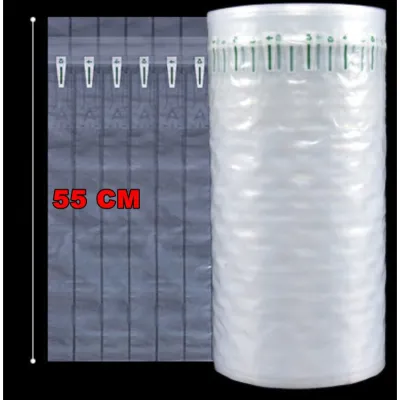
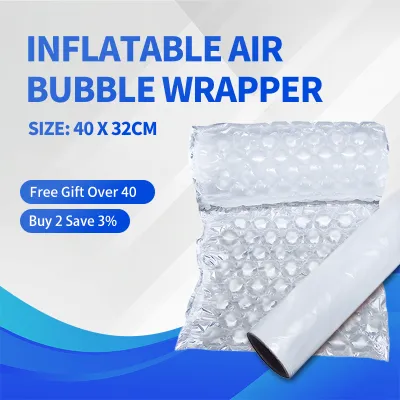
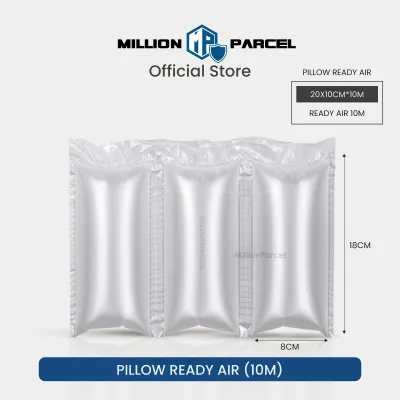
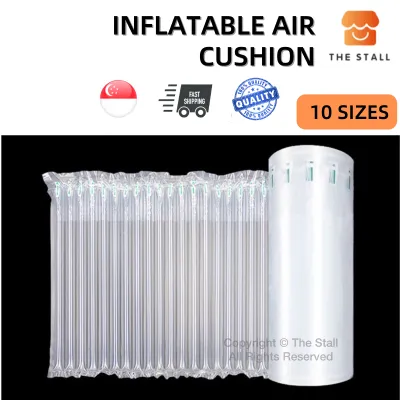
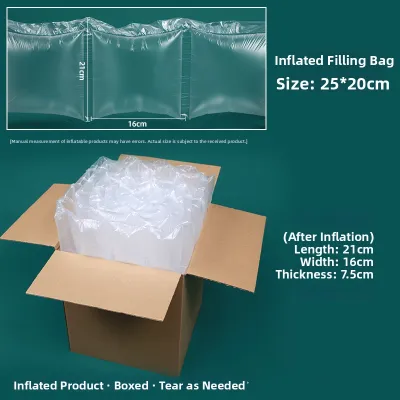
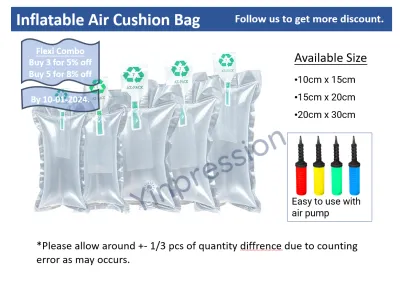
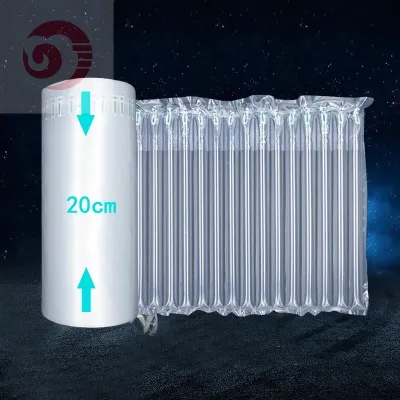
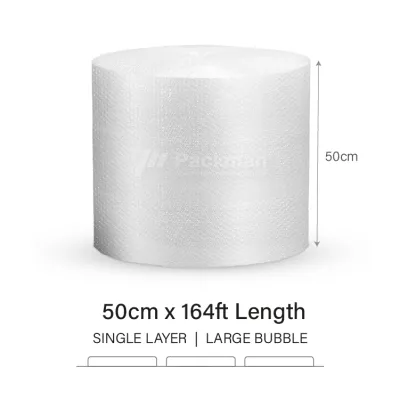
Prices are valid at publication and may change. Please refer to the product page for the latest price.
Puncture resistance and tear strength are vital when packaging items with sharp corners, protruding parts, or high density. A reliable brand of air bubble wrap should resist tearing when stretched over corners. This resistance is achieved through high-quality polymer blends, including linear low-density polyethylene (LLDPE), which adds flexibility and tensile strength. If a brand uses a high percentage of low-quality recycled plastic without proper modifiers, the film becomes brittle, leading to premature bubble popping and tearing during wrapping or transit.
How to Verify Brand and Supplier Quality Claims
When purchasing packaging materials in bulk, relying solely on online product descriptions can lead to inconsistent quality. Ordering physical samples is the most effective way to conduct in-house quality verification before committing to a large order. Once samples arrive, perform simple, observable tests to evaluate performance. A compression test involves placing a heavy object on a section of the wrap for 24 to 48 hours to observe deflation rates. A manual puncture test, using a blunt pen or a corner of a cardboard box, helps assess the force required to rupture the bubbles. For a more dynamic evaluation, pack a sample item in a box with the bubble wrap and perform a controlled drop test from a standard table height to inspect for any damage or popped bubbles.

Requesting and comparing manufacturer specification sheets is another critical step. A reputable supplier should be able to provide a technical data sheet (TDS) detailing the exact micron thickness, tensile strength, elongation at break, and material composition. Compare these specifications against the vague descriptions found on general online marketplaces, which often use subjective terms like “heavy-duty” or “super thick” without providing numerical values. If a supplier cannot or will not provide a technical data sheet, it is a strong indicator that the product quality may vary between batches.
Batch-to-batch consistency is a hallmark of a reliable brand. Inconsistent manufacturing can result in rolls with uneven bubble inflation, varying widths, or sections of flat plastic with no bubbles at all. To safeguard your operations, evaluate the supplier’s quality control processes and replacement policies. A reliable supplier in Singapore should offer a clear return or exchange policy for defective rolls, ensuring that you are not left with unusable material if a batch fails to meet the agreed-upon technical specifications.
Matching Bubble Wrap Specifications to Packaging Needs
Selecting the right bubble wrap variant is just as important as choosing a reliable brand, as even the highest-quality material will fail if mismatched to the application. Small bubble wrap, typically featuring a bubble diameter of 10mm and a height of 4mm, is designed primarily for surface protection and scratch prevention. It is highly flexible, making it ideal for wrapping tightly around glass, ceramics, or polished metal surfaces. However, small bubbles do not provide sufficient cushioning for heavy shock absorption. For larger, heavier, or highly fragile items, large bubble wrap (with a diameter of 25mm to 30mm and a height of 10mm to 12.7mm) is required. The larger volume of air provides a deeper cushion that absorbs significant impact energy during transit, and it also serves as an effective void fill to prevent items from shifting inside the shipping box.
The format of the bubble wrap also impacts packaging efficiency and waste reduction. Standard rolls are highly versatile and can be cut to any length, making them suitable for businesses handling a wide variety of product shapes and sizes. For high-volume operations with standardized product dimensions, pre-made bubble bags or perforated sheets can significantly speed up the packing workflow. Perforated rolls, which allow sheets to be torn off at regular intervals (such as every 30cm or 50cm), eliminate the need for cutting tools, reducing labor time and ensuring consistent material usage.
Specialized packaging environments require specific material formulations. For electronic components, standard plastic wrap is highly problematic because it generates static electricity during handling and transit, which can destroy sensitive circuitry. In these scenarios, anti-static bubble wrap—typically tinted pink—is essential. This variant is treated with an antistatic agent that prevents electrostatic discharge (ESD) while still providing physical cushioning. Other specialized options include cohesive bubble wrap, which sticks only to itself and not to the product, eliminating the need for adhesive tape and preventing adhesive residue on delicate surfaces.
Sourcing Consistent Packaging Supplies in Singapore
In Singapore, businesses and individuals have several channels for sourcing air bubble wrap, each with distinct trade-offs. General e-commerce platforms and online marketplaces offer convenience, fast delivery, and low prices for small quantities. However, these platforms often suffer from inconsistent quality, as sellers may change their manufacturers frequently, leading to variations in thickness and bubble inflation between orders. For businesses requiring consistent quality and reliable supply chains, partnering with specialized industrial packaging distributors in Singapore is highly recommended. These distributors maintain strict quality control, provide detailed technical specifications, and offer volume discounts that make bulk purchasing highly cost-effective.
When sourcing packaging materials locally, consider the impact of Singapore’s humid tropical climate. High humidity can degrade the adhesive backing on self-sealing bubble bags or cause low-quality plastics to become sticky or brittle over time. Reliable local distributors store their inventory in climate-controlled or well-ventilated warehouses to preserve material integrity. Additionally, evaluate the supplier’s minimum order quantities (MOQs) and delivery conditions. While large distributors may require higher MOQs, they often provide free local delivery for bulk orders, saving you the logistical challenge of transporting bulky rolls of bubble wrap.
To ensure you are getting the best value, calculate the true cost per square meter in S$ rather than simply comparing the price per roll. To do this, multiply the roll width by the total length to find the total area in square meters, then divide the roll price by this area (Price / (Width x Length) = Cost per Sqm). This formula allows for an accurate comparison between rolls of different dimensions. When negotiating with new suppliers, ask if they can provide a small sample roll or allow you to purchase a single roll at a sample rate before committing to a large bulk contract.
Frequently Asked Questions (FAQ)
Does the color of the bubble wrap indicate its quality or reliability?
No, the color of bubble wrap does not inherently indicate its physical quality, thickness, or air retention capabilities. Standard, reliable bubble wrap is clear. The most common colored variant is pink, which universally signifies that the plastic has been treated with an anti-static additive to protect sensitive electronic components from electrostatic discharge. Some manufacturers also produce green or blue bubble wrap to indicate that the material contains a percentage of recycled plastic or is biodegradable. However, whether the wrap is clear, pink, green, or blue, its protective reliability still depends entirely on its micron thickness, polymer blend, and whether it utilizes a co-extruded barrier layer to prevent air deflation. Always verify the technical specifications rather than relying on color as a quality indicator.
How long can bubble wrap reliably protect items in long-term storage?
The duration for which bubble wrap can reliably protect items in storage depends heavily on the material’s construction and the storage environment. Standard single-layer polyethylene bubble wrap tends to lose air gradually under constant load, often showing noticeable deflation within a few months. In contrast, high-quality bubble wrap featuring a co-extruded nylon barrier layer can retain its air and protective cushioning for several years under normal conditions. In Singapore, environmental factors such as high temperatures and humidity can accelerate the degradation of low-quality plastics, making them brittle or sticky over time. To ensure long-term protection, store wrapped items in a cool, dry, climate-controlled environment, avoid stacking excessively heavy objects on top of bubble-wrapped items, and periodically inspect stored goods to verify that the bubbles remain fully inflated.
Community discussion
Share your experience or ask a question. Comments are reviewed before publication.