
Satin fabric cloth’s quality and drape depend on two distinct factors: the fiber composition (such as silk or polyester) and the specific weave variation (such as charmeuse or duchess). While the characteristic glossy sheen comes from the satin weave structure, the fabric’s breathability, weight, and longevity are determined by the raw materials used. Choosing the right satin requires matching these physical traits to the structural demands of your specific sewing project.
Understanding Satin: The Difference Between Weave and Material
To make an informed purchasing decision, you must first understand that “satin” is not a raw material or a natural fiber. Instead, satin refers to a specific weaving technique. In a satin weave, the warp yarns float over multiple weft yarns before interlacing. This minimizes the interruption of light across the surface, creating a highly reflective, lustrous front side and a dull, matte reverse side.
Because satin is a weave pattern rather than a fiber, any long-filament thread can be used to construct it. Manufacturers weave satin using natural fibers, synthetic fibers, or semi-synthetic blends. The most common natural fiber used is silk, while synthetic alternatives include polyester, nylon, and rayon. Each of these base fibers reacts differently to heat, moisture, and tension, which fundamentally dictates how the finished fabric behaves.
Products mentioned in this guide
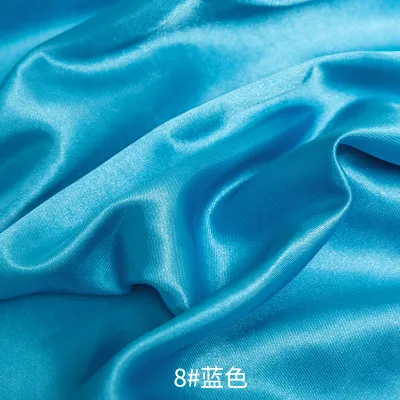

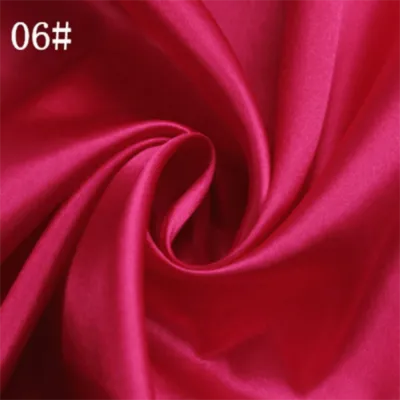
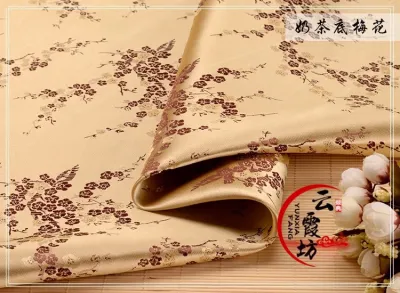
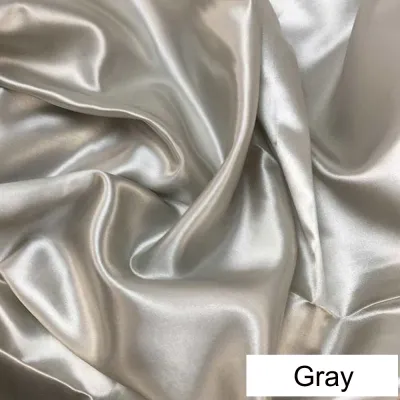
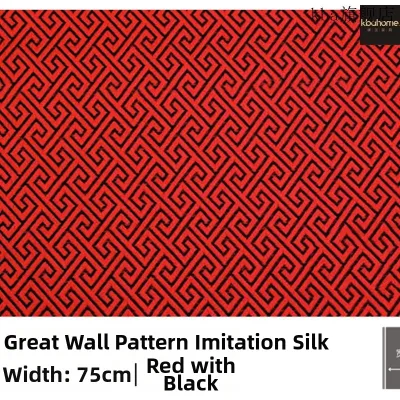
Prices are valid at publication and may change. Please refer to the product page for the latest price.
While the weave structure creates the initial sheen and surface smoothness, the base material determines the fabric’s breathability, durability, and price point. Silk fibers provide natural temperature regulation and a highly fluid drape, but they require delicate care and command a premium price. Polyester fibers offer excellent tensile strength and wrinkle resistance at a budget-friendly price, but they lack breathability and can feel stiff.
When sourcing satin fabric cloth for a project, always check the fabric composition label on the bolt or product listing rather than relying on the word “satin” alone. A label reading “100% polyester satin” will behave very differently from one reading “100% silk satin,” even if they look identical on a retail shelf. Verifying the exact fiber content is the most reliable way to assess the fabric’s true quality and long-term performance.
Common Types of Satin Fabric and Their Drape Characteristics
Satin fabrics vary widely in weight, texture, and flexibility. Understanding how different fibers and weave variations behave allows you to visualize how a garment or home textile will hang, fold, and move.

Silk Satin vs. Polyester Satin: The Fiber Difference
Silk satin represents the traditional standard of luxury in textile selection. The natural protein filaments of silk allow the fabric to glide effortlessly, producing a highly fluid, liquid-like drape that contours naturally to the body. Silk is exceptionally breathable and highly absorbent, making it comfortable to wear for extended periods. However, silk is a delicate fiber that is prone to water spotting, snagging, and degradation from prolonged exposure to direct sunlight. It requires professional dry cleaning or highly gentle hand washing.
Polyester satin is a highly durable, synthetic alternative. It resists shrinking, stretching, and wrinkling, making it an excellent choice for items that undergo frequent wear and washing. However, polyester fibers are non-porous and do not breathe, meaning polyester garments can trap body heat and moisture. The drape of polyester satin is generally springier and stiffer than that of silk, and the fabric is highly susceptible to static cling, which can cause it to stick awkwardly to the skin.
To evaluate these materials when shopping in person, you can use several observable criteria:
- Check the product label: Look for the exact fiber percentage breakdown (e.g., 100% Silk or 100% Polyester).
- Observe the price point: Genuine silk satin is significantly more expensive per meter than synthetic polyester alternatives.
- Perform a temperature touch test: Drape the fabric over your hand. Natural silk feels instantly cool to the touch and slowly adjusts to your body temperature, whereas polyester warms up almost immediately against your skin.
- Examine the luster: Silk satin features a subtle, multi-dimensional luster that shifts softly in the light, while polyester satin often displays a highly reflective, metallic shine.
Charmeuse, Duchess, and Crepe-Back: The Weave Variations
Beyond the raw fiber content, the specific style of the satin weave alters the fabric’s weight and structure. Charmeuse is a lightweight variation characterized by an ultra-fluid, floating drape. It features a high-gloss front and a completely smooth, matte reverse side. Because of its light weight and flexibility, charmeuse is highly sensitive to gravity, making it the traditional choice for bias-cut garments, flowing dresses, and lightweight linings.
Duchess satin is a heavyweight fabric woven with a exceptionally high thread count of dense filament yarns. Unlike charmeuse, Duchess satin has a stiff, structured drape and a more subdued, pearlescent luster. It holds its shape remarkably well, making it the standard choice for structured bridal gowns, corsetry, and dramatic evening wear where volume, pleats, and clean lines are required.
Crepe-back satin offers a unique, reversible construction. One side features the classic smooth, lustrous satin finish, while the reverse side is woven with highly twisted crepe yarns to create a textured, pebbled surface. This dual-textured design provides a medium-weight drape that balances structure with fluidity, allowing designers to use both sides of the fabric to create contrasting design details on a single garment.
Remember that terms like “charmeuse” and “duchess” refer to the weight and weave style, not the fiber content. You can find both polyester charmeuse and silk charmeuse, as well as polyester Duchess and silk Duchess. Always cross-reference the weave style with the fiber content to understand the true quality and care requirements of the material.
Matching Satin Types to Your Sewing Project Requirements
Selecting the correct satin fabric cloth requires aligning your pattern’s structural needs with the fabric’s weight and drape. Using the wrong type of satin can lead to structural failure or an unflattering fit.
For structured projects such as bridal gowns, structured corsets, heavy pleated skirts, or decorative upholstery, choose Duchess satin or heavy-weight polyester satin. These fabrics provide the necessary body, support, and crispness to hold seams, support boning, and maintain architectural shapes without collapsing under their own weight.
For flowing garments such as slip dresses, bias-cut skirts, elegant blouses, scarves, or premium jacket linings, opt for silk charmeuse or lightweight rayon satin. These materials deliver a highly fluid, liquid-like drape that moves beautifully with the body and feels comfortable against the skin.
For budget-friendly, high-wear, or decorative items like theatrical costumes, craft projects, event drapery, or throw pillows, polyester satin is the most practical choice. It offers excellent durability, resists staining, and stands up to repeated handling without the high cost or delicate care requirements of natural silk.
In Singapore, fabric is typically sold by the meter from bolts that come in standard widths, most commonly 114 cm (approx. 45 inches) or 150 cm (approx. 60 inches). When planning your project, always verify the fabric width, as wide pattern pieces like full circle skirts or bias-cut gowns require the wider 150 cm bolts to avoid unnecessary seams.
To help guide your selection, consider the following project mapping:
| Project Type | Recommended Satin Type | Key Drape/Quality Trait |
|---|---|---|
| Bridal Gowns & Corsets | Duchess Satin (Silk or Polyester) | Heavyweight, structured, low luster |
| Slip Dresses & Blouses | Charmeuse (Silk or Rayon) | Lightweight, ultra-fluid drape, high shine |
| Reversible Evening Wear | Crepe-Back Satin | Medium-weight, dual-textured, versatile drape |
| Costumes & Crafts | Polyester Satin | Lightweight to medium, stiff drape, durable |
Always match the fabric weight to your sewing pattern’s requirements. Using a heavy Duchess satin for a pattern designed for a fluid cowl neck will result in a stiff, awkward drape, while using a flimsy charmeuse for a structured corset will lead to seam slippage and structural failure.
Handling, Sewing, and Caring for Satin Fabrics
Satin’s slippery texture and tendency to snag require specific handling techniques during layout, cutting, and sewing.
When preparing to sew, always use a fresh, ultra-fine needle, such as a Microtex or sharp needle (size 60/8 for lightweight charmeuse, or size 80/12 for heavier Duchess satin). Standard universal needles can snag the delicate warp threads, leaving permanent runs in the fabric. Use high-quality polyester thread for synthetic satins and fine silk thread for silk satins. To prevent the slippery layers from shifting or puckering as they pass through the sewing machine, place a layer of tissue paper under the fabric or use a walking foot.
Washing and care routines must be tailored strictly to the fiber content. Always check the manufacturer’s care label on the fabric bolt first. As a general rule, silk satin requires professional dry cleaning or delicate hand washing in cold water with a pH-neutral, silk-safe detergent to preserve its luster and texture. Polyester satin is much more resilient and can typically be machine washed on a gentle cycle in a mesh laundry bag.
Ironing satin requires extreme caution to avoid permanent damage. Always use a low heat setting, turn the fabric inside out to iron on the matte side, and use a clean pressing cloth between the iron and the fabric. Never use steam or spray water directly onto silk or polyester satin, as this can cause permanent water spotting. Synthetic satins like polyester can melt instantly under moderate to high heat, so always perform a test press on a small scrap piece before ironing your main project.
Frequently Asked Questions (FAQ)
Is satin fabric breathable enough for hot and humid climates?
Whether satin is breathable depends entirely on its fiber content, not its weave. In hot and humid climates like Singapore, silk or rayon satin is highly comfortable because these natural and semi-synthetic fibers allow heat and air to circulate. Conversely, polyester satin acts as a barrier that traps heat and perspiration against the skin, making it feel hot, sticky, and uncomfortable to wear outdoors.
How can I verify if my satin cloth is real silk or synthetic?
Checking the fabric composition label or technical specifications provided by the seller is the most reliable method. If you need to verify an unmarked piece, touch the fabric: real silk feels naturally cool to the touch and quickly matches your skin temperature, whereas synthetic polyester feels slightly slicker, warmer, and may generate static electricity. For a definitive check on a scrap piece, an experienced user can perform a burn test in a safe environment: real silk burns slowly, smells like burning hair, and leaves a crushable black ash, while polyester melts quickly, smells sweet or chemical, and leaves a hard, uncrushable plastic bead.

Community discussion
Share your experience or ask a question. Comments are reviewed before publication.