
Quick Answer: Matching the Holder to Your Painting Habits
Choosing the right painting brush holder is not merely a matter of keeping your workspace tidy; it is a critical decision that directly impacts the lifespan of your brushes and the efficiency of your creative process. There is no single “best” holder design that suits every artist. Instead, the optimal choice depends on whether your priority is portable convenience, rapid desktop access during active painting sessions, or long-term preservation and organization within a dedicated studio.
To match a holder to your workflow, consider your primary painting environment and medium. Roll-up brush holders are the premier choice for artists who travel, attend outdoor plein air workshops, or work in compact, multi-use spaces where supplies must be packed away after every session. Traditional cups and jar holders excel during active, high-tempo painting sessions with wet media like watercolors, gouache, or acrylics, offering instant access for frequent brush changes. Wall-mounted racks provide the ultimate solution for permanent studio spaces, offering unmatched airflow for drying brushes vertically while keeping your desk surface completely clear for large canvases and palettes.
Roll-Up Painting Brush Holders: Portability and Space-Saving Storage
Roll-up brush holders, often constructed from heavy canvas, woven bamboo, linen, or synthetic fabrics, offer a classic, highly flexible method for storing and transporting your tools. This format features a row of individual fabric slots stitched onto a backing material, topped with a protective flap that folds over the delicate hair bundles before the entire sleeve is rolled into a compact cylinder and secured with a tie or strap.
Products mentioned in this guide
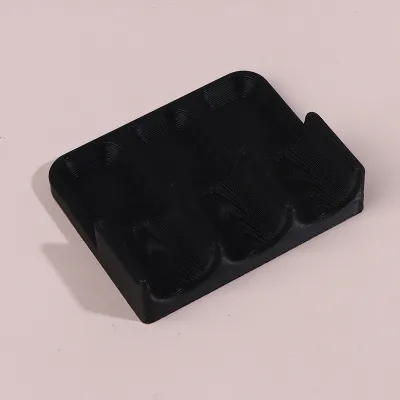
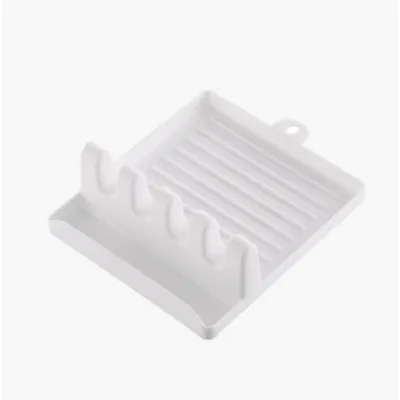
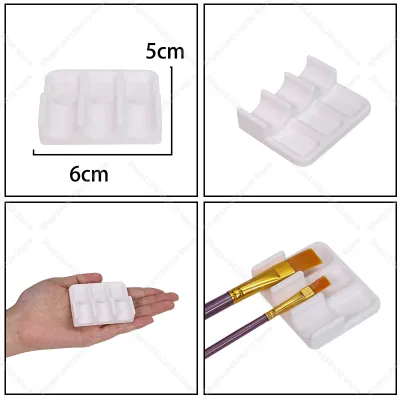


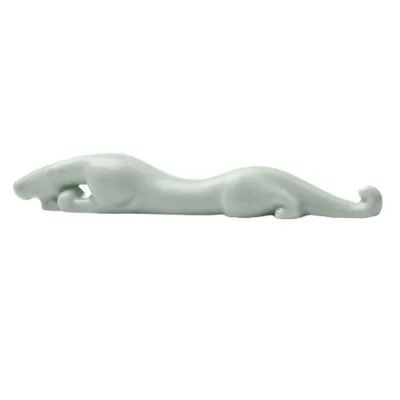


Prices are valid at publication and may change. Please refer to the product page for the latest price.

Ideal for Travel and Compact Desk Setups
The primary advantage of a roll-up holder is its exceptional spatial efficiency and portability. When unrolled, it lies completely flat on your work surface, presenting your collection in a neat, linear sequence that allows you to scan your tools easily. Once your painting session is complete, rolling the sleeve tightly transforms a wide array of brushes into a single, protective bundle that slides effortlessly into a backpack, drawer, or carrying case.
For artists working in urban environments or compact apartments where a dedicated, permanent art studio is not feasible, the roll-up holder is an invaluable asset. It allows you to transform a dining table or a small desk into a fully functional painting station in seconds, and just as quickly pack everything away to reclaim the space. The fabric barrier also prevents your brushes from clattering against one another during transport, protecting delicate natural hair tips—such as Kolinsky sable or soft squirrel hair—from friction, bending, or breakage inside your bag.
Furthermore, bamboo roll-ups offer a unique structural middle ground. The rigid bamboo slats provide a shield against external impact, protecting brush handles from bending while still allowing a degree of natural ventilation through the gaps between the slats. This makes them highly favored by traditional ink painters and watercolorists who require a lightweight transport option that offers slightly more physical protection than soft canvas.
Limitations in Brush Drying and Quick Access
Despite their portability, roll-up holders present significant challenges regarding moisture management and workflow speed. Storing damp or wet brushes inside a tightly rolled fabric sleeve is highly discouraged, particularly in warm, humid climates. Trapping moisture within the dark, enclosed folds of a canvas roll creates an ideal breeding ground for mold, mildew, and bacterial growth, which can permanently ruin natural hair fibers and degrade the wood of your brush handles.
When water remains trapped inside the metal ferrule of a rolled brush, it can slowly dissolve the water-soluble adhesives that bind the hair bundle to the handle. Over time, this leads to excessive shedding, loose ferrules, and wood rot. Consequently, you must ensure your brushes are completely dry before rolling them up for long-term storage, which adds an extra step to your post-painting cleanup routine.
In terms of active workflow, roll-ups can introduce minor friction to your creative momentum. To access a single brush, you must unroll the entire wrap, which occupies a significant linear footprint on your desk. If you only need to swap between two or three detail brushes during a quick session, managing a large, fully unrolled canvas sleeve can feel cumbersome compared to the simplicity of reaching into an open-top container.
Cup and Jar Holders: Convenience for Active Desktop Use
Cup, jar, and pot-style holders represent the most common and intuitive desktop storage solutions. These open-top containers allow brushes to stand upright, making them highly accessible during active painting. Modern variations have evolved far beyond simple ceramic mugs, incorporating advanced features such as internal silicone grids, spiral spring organizers, and integrated water reservoirs.
Best for Frequent Brush Changes and Wet Media
For artists who work with fast-drying wet media like acrylics, gouache, or watercolors, the speed of brush selection is paramount. When paint is drying rapidly on your canvas, you cannot afford to spend time untying a wrap or sliding a brush out of a tight elastic slot. Cup holders allow you to drop a brush in and pull another out in a single, fluid motion, keeping your creative momentum entirely uninterrupted.
Many specialized cup holders feature internal dividers or removable silicone grids that keep the brushes separated and standing perfectly upright. This prevents the brush heads from leaning against one another, which can cause cross-contamination of wet paint or damage to delicate bristles. Additionally, weighted bases made of heavy plastic, ceramic, or metal ensure that the cup remains stable and tip-resistant, even when loaded with long-handled oil or acrylic brushes that carry a high center of gravity.
Some advanced desktop cup systems are designed as multi-functional utility stations. These units often feature a central water reservoir divided into separate chambers for clean and dirty water, alongside textured silicone ridges at the bottom to help gently agitate paint out of the bristles. Surrounding the water well are outer holes of varying diameters, allowing you to clean a brush, wipe it, and immediately stand it upright to dry without ever leaving your primary workspace.
Drawbacks for Long-Term Storage and Transport
While cups are unmatched for active use, they present distinct disadvantages for long-term brush preservation and studio organization. The most significant risk associated with traditional cup storage is the structural damage caused by improper drying. If you place a wet brush upright (bristles pointing up) in a cup, gravity pulls the residual water down into the ferrule, where it pools against the adhesive layer and the wooden handle, causing the wood to swell, crack the exterior lacquer, and loosen the ferrule.
Conversely, resting a wet brush face-down in a cup is even more destructive, as the weight of the brush bends and permanently deforms the bristles against the bottom of the container. Open-top cups also leave your brushes fully exposed to the elements. Over weeks of inactivity, dust, pet hair, and airborne particles settle directly onto the brush heads, which can contaminate your paint layers and affect the smooth application of glazes or fine details during your next session.
From a spatial perspective, cup holders occupy a permanent, non-negotiable footprint on your desk. If you have a large collection of fifty or more brushes, you will require multiple cups, which can quickly clutter your primary working area. Finally, cups offer zero utility for travel; transporting a cup full of loose brushes requires packing them into another container, defeating the purpose of the desktop holder.
Wall-Mounted Racks: Maximizing Studio Space and Airflow
Wall-mounted racks and vertical hanging systems represent the pinnacle of professional studio organization. By utilizing vertical wall space, these systems lift your tools off your desk entirely, mounting them securely in wood, acrylic, or metal frames that feature individual slots, spring clips, or elastic loops.
Advantages for Drying, Sorting, and Clearing Desks
The single greatest benefit of a wall-mounted rack is its ability to facilitate perfect, gravity-assisted drying. Many high-quality wall racks are designed to hold brushes vertically with the bristles pointing downward. This orientation ensures that gravity pulls moisture away from the ferrule and out through the tip of the brush, allowing the hair bundle to dry in its natural, tapered shape while completely protecting the internal glue and wooden handle from water damage.
By moving your entire brush collection onto the wall, you reclaim valuable physical real estate on your desk. This is highly beneficial if you work on large-scale canvases, utilize expansive mixing palettes, or require clean space for cutting mats and reference materials. A clear desk reduces visual clutter, allowing you to focus entirely on your artwork without accidentally knocking over cups of brushes or spilling water jars.
Wall racks also offer unparalleled visual organization. Your brushes are displayed at eye level, fully spread out and sorted by size, shape, and hair type. This allows you to locate the exact tool you need instantly, without having to dig through a crowded cup or unwrap a fabric sleeve. It also serves as a constant visual inventory, making it immediately obvious if a brush is missing, damaged, or in need of deep cleaning.
Installation Requirements and Fixed Workspaces
Despite their practical and preservation benefits, wall-mounted racks demand a level of commitment and physical installation that may not suit every artist. Installing a wall rack requires a permanent or semi-permanent workspace, such as a dedicated home studio, art room, or garage. If you rent your living space or paint at a shared dining table, drilling holes into concrete or drywall to mount a heavy wooden or acrylic rack may not be a viable option.
While some lightweight acrylic racks utilize heavy-duty adhesive strips, these adhesives must be monitored carefully, especially in warm, humid environments where moisture can weaken the bond over time, risking a sudden fall that could damage your brushes. Furthermore, wall-mounted racks are completely stationary; once installed, they cannot be moved to another room or packed for an outdoor painting trip, making them highly impractical for mobile artists.
Compatibility is another critical factor to verify before purchasing a wall-mounted rack. Unlike open cups, which accept any brush shape, wall racks rely on fixed-size holes, slots, or spring clips to grip the brush handles. If your collection includes brushes with thick, ergonomic triangular handles, ultra-thin detail handles, or unusually short travel handles, they may not fit securely in the rack’s pre-drilled slots, causing them to slip through or fail to mount entirely.
Side-by-Side Comparison of Brush Holder Formats
To help you weigh the physical and functional differences of each format at a glance, the following table evaluates roll-up sleeves, cup holders, and wall-mounted racks across six key operational dimensions.
| Comparison Dimension | Roll-Up Holders | Cup & Jar Holders | Wall-Mounted Racks |
|---|---|---|---|
| Desk Footprint | Low (packs away entirely) | High (occupies permanent desk space) | Zero (completely off the desk) |
| Portability | Excellent (rolls into a compact bundle) | Poor (impractical for transport) | None (fixed stationary installation) |
| Bristle Protection | High (shielded by fabric and flaps) | Moderate (risk of splaying if crowded) | High (suspended freely in the air) |
| Drying & Airflow | Poor (traps moisture; risk of mold) | Moderate (dries upright; water pools) | Excellent (dries bristles-down) |
| Capacity Flexibility | Low (limited by fixed fabric slots) | High (can easily add extra brushes) | Low (limited by pre-drilled holes) |
| Cleaning Effort | Moderate (requires washing fabric) | Low (simple rinse and wipe out) | Low to Moderate (dusting acrylic/wood) |
Understanding Capacity Flexibility and Dimensions
When reviewing the table, pay close attention to “Capacity Flexibility.” An open-top cup or jar is highly forgiving; if you purchase a few new brushes, you can easily squeeze them into your existing cup without issue. In contrast, roll-up sleeves and wall-mounted racks feature a fixed number of slots. Once every slot is filled, you cannot add more brushes without purchasing an additional holder or rack.
Before purchasing any slot-based holder, it is vital to check the manufacturer’s technical specifications. Verify the maximum handle diameter and total brush length that the slots or pockets can accommodate. Some heavy-duty oil brushes have very thick wooden handles that will not slide into standard canvas roll-up pockets, while extra-long handles may stick out too far, preventing the protective fabric flap of a roll-up from folding down correctly.
Final Decision Framework: Choose Based on Your Setup
To finalize your decision and choose the option that will integrate seamlessly into your daily creative routine, evaluate your current workflow against these three distinct artist profiles.
Choose a Roll-Up Holder If:
- You frequently travel to workshops, paint outdoors (plein air), or commute to art classes.
- You work in a shared or multi-use space and must pack your supplies away completely after every session.
- You own a modest collection of high-value, delicate brushes that require physical protection from friction during transport.
- You want to keep your brushes stored safely in a drawer or cabinet when not in use.
Choose a Cup or Jar Holder If:
- You paint primarily at a fixed desk or table and value immediate, high-speed access to your tools.
- Your painting style involves rapid, frequent brush changes, particularly when working with fast-drying acrylics or watercolors.
- You prefer a low-maintenance storage solution that can be easily cleaned, rinsed, or replaced.
- Your brush collection grows frequently, and you want a holder that can flexibly accommodate extra tools.
Choose a Wall-Mounted Rack If:
- You have a dedicated, permanent studio space where you can drill mounting hardware into the wall.
- You own a large, professional collection of brushes and want to display them clearly at eye level for rapid sorting.
- Your primary goal is maximizing your physical desk surface area for large canvases, palettes, or other tools.
- You want to prioritize the absolute longevity of your brushes by drying them vertically, bristles-down, with maximum airflow.
Creating a Hybrid Studio Solution
If your workflow does not fit neatly into a single category, you may find that a hybrid storage solution offers the best of all worlds. Many professional artists combine formats to optimize both their active painting sessions and their long-term storage needs.
For example, you can mount a wall rack in your studio to serve as the permanent home for your clean, dry brushes. During an active painting session, you can pull the specific brushes you need and place them in a desktop cup with a silicone divider for rapid access and rinsing. Once your session is over and your brushes are washed, you can hang them back on the wall rack to dry safely, keeping your roll-up sleeve reserved exclusively for those days when you travel or paint on location.
Frequently Asked Questions (FAQ)
Can I store wet brushes in a roll-up holder?
No, you should never store damp or wet brushes in a tightly rolled fabric or bamboo holder. Trapping moisture inside the dark, enclosed folds of a roll-up sleeve creates an ideal environment for mold and mildew to grow, which can permanently destroy natural hair fibers. Additionally, trapped water will seep into the metal ferrule, dissolving the glue that holds the bristles and causing the wooden handle to swell and crack. Always allow your brushes to dry completely—either flat on a clean towel or vertically in a drying rack—before packing them into a roll-up sleeve for storage.
How do I clean a wall-mounted brush rack?
To clean a wall-mounted brush rack, start by removing all brushes to prevent accidental damage to the bristles. For acrylic or wooden racks, wipe the surfaces down gently with a soft, slightly damp microfiber cloth to remove accumulated dust, charcoal powder, or dry paint splatters. If your rack is made of unfinished wood, avoid using excess water or liquid cleaners, which can warp the wood and alter the slot dimensions. Always consult the manufacturer’s care instructions before applying any household cleaners, and never use harsh solvents like acetone, mineral spirits, or turpentine, as these will dissolve acrylic plastics and strip protective varnishes from wooden frames.

Community discussion
Share your experience or ask a question. Comments are reviewed before publication.