
Selecting the right painting brush holder is a critical decision that directly impacts the lifespan of your tools and the efficiency of your creative process. The ideal storage solution is not a one-size-fits-all product; rather, it is determined by your primary painting medium, the size of your brush collection, and the physical limitations of your workspace. For instance, an artist working with delicate watercolors in a compact home studio requires a vastly different setup than an oil painter who frequently travels for outdoor sessions. By analyzing how different holders accommodate drying positions, portability, and access, you can select a system that keeps your bristles pristine and your workspace organized.
Assessing Your Medium and Brush Care Needs
Every painting medium imposes distinct physical demands on your brushes, particularly during the cleaning and drying phases. Water-based media, such as watercolor and gouache, rely on water-soluble binders like gum arabic. When you wash these brushes, water easily travels up the hair bundle via capillary action, reaching the ferrule—the metal band securing the hairs to the wooden handle. If you dry these brushes upright in a standard cup, gravity pulls the residual water downward into the ferrule. Over time, this moisture dissolves the adhesive holding the bristles, leading to shedding, and can cause the wooden handle to swell, crack, and loosen the ferrule entirely. Therefore, watercolorists and gouache artists must prioritize storage solutions that allow brushes to dry horizontally or, ideally, suspended vertically with the bristles pointing downward.
Conversely, heavy-body media like oils and acrylics present different challenges. Acrylic resins dry quickly and irreversibly, meaning any paint left near the ferrule will ruin the brush shape permanently. Oil painting involves heavy solvents and mediums that can degrade handle finishes if allowed to pool. While these brushes are often sturdier, they still require proper shape retention during the drying process. Storing them upright while wet can cause residual solvents or water to seep into the handle, while laying them flat on a dusty surface can ruin the clean bristle shape. You must evaluate your collection’s physical traits—such as the length of long-handled oil brushes, the weight of thick wooden handles, and the maximum barrel diameters of large wash brushes—to ensure your chosen holder can support their physical structure without bending the bristles or tipping over.
Products mentioned in this guide
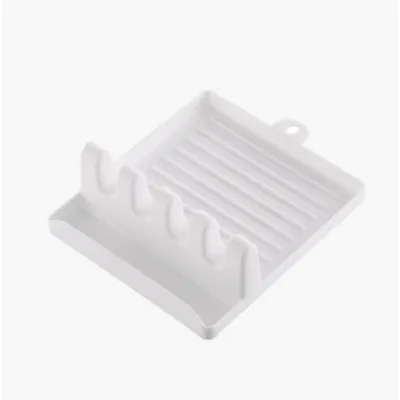
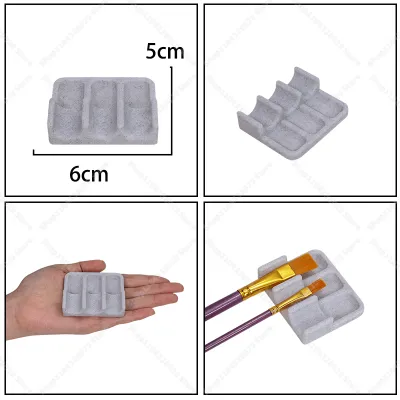
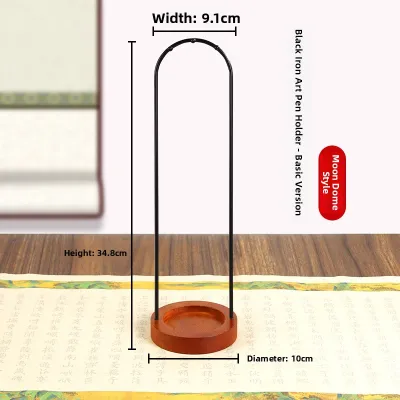
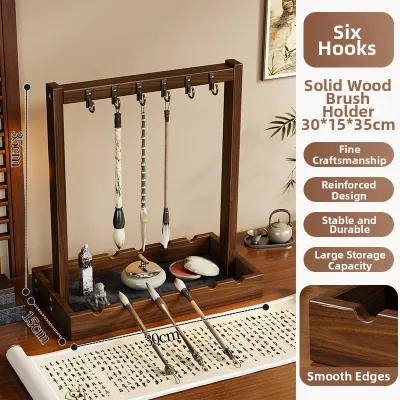

Prices are valid at publication and may change. Please refer to the product page for the latest price.
Comparing the Four Main Brush Holder Types
To find the perfect match for your studio, it is essential to evaluate the structural design, space footprint, and primary use case of each holder category. The four primary designs—roll-up, cup-style, wall-mounted, and magnetic—each offer distinct trade-offs in terms of portability, drying efficiency, and storage capacity.

Roll-Up Holders for Portability
Roll-up holders, typically constructed from canvas, bamboo, or heavy fabric, are the traditional choice for artists on the move. These holders feature individual slots of varying widths sewn onto a flexible backing, which is then rolled up and secured with straps or ties. The primary advantage of a roll-up holder is its exceptional portability and physical protection. When rolled, the fabric wraps securely around each brush, preventing the bristles from rubbing against one another or getting crushed inside a gear bag during transit. This makes them indispensable for outdoor sketching, plein air painting, or traveling to shared community workshops.
However, roll-up holders have significant limitations when it comes to moisture management. If you insert wet or damp brushes into a fabric roll-up and tie it closed, you trap moisture in an airtight, dark environment. In warm or humid climates, such as Singapore’s tropical environment, this trapped moisture rapidly leads to mold growth, musty odors, and wood rot in the brush handles. To prevent this, you must treat roll-ups strictly as transport or dry-storage tools. Always verify the elasticity of the slots and the maximum handle thickness before purchasing, as stiff canvas may not stretch to accommodate thick-handled wash brushes or mop brushes.
Cup-Style Holders for Desktop Capacity
Cup-style holders, ranging from simple ceramic jars to multi-tiered plastic or wooden desktop stands, are the backbone of high-capacity home studios. These holders excel at keeping a large volume of brushes organized and immediately accessible on a flat surface. With a cup-style holder, you can group your brushes by shape, size, or medium, allowing you to grab the exact tool you need mid-stroke without interrupting your creative flow.
The primary drawback of standard cup holders is their reliance on upright storage. Placing wet brushes upright in a cup is highly discouraged due to the risk of water pooling in the ferrule. If you choose a cup-style holder as your primary storage, you will need a separate horizontal drying rack or a specialized cup insert that allows you to suspend wet brushes upside down. Additionally, you must assess the base weight and physical footprint of the cup. Lightweight plastic cups are prone to tipping over when loaded with long-handled oil or acrylic brushes, which have a high center of gravity. Opting for heavy ceramic, weighted acrylic, or wide-base wooden designs helps ensure stability on your desk.
Wall-Mounted and Magnetic Holders for Space Saving
For artists working in compact spaces, such as a small study room or a shared apartment, vertical storage solutions like wall-mounted and magnetic holders offer an elegant way to maximize desk space. Wall-mounted holders often utilize flexible silicone grips or spring-loaded clips that hold brush handles securely against the wall. Magnetic holders, on the other hand, require you to attach small metal rings or magnetic collars to your brush handles, which then stick to a wall-mounted magnetic strip.
The outstanding benefit of these vertical systems is that they naturally facilitate suspended, bristle-down drying. By hanging your brushes upside down, gravity pulls moisture away from the ferrule and out through the tips of the bristles, preserving the adhesive and maintaining the brush’s natural shape. However, vertical systems come with installation constraints. If you are renting your living or studio space, drilling holes into walls to mount heavy metal strips or wooden racks may violate your tenancy agreement. While adhesive-backed options exist, you must carefully verify their weight limits, especially in humid conditions where adhesive backings can lose their grip over time. Furthermore, you must evaluate the magnetic pull strength of a magnetic holder to ensure it can support your heaviest wooden-handled brushes without letting them slip to the floor.
Matching the Holder to Your Workflow
Selecting the right painting brush holder requires matching these physical characteristics to your daily artistic routine.
- Choose a roll-up if: You frequently paint outdoors, travel between home and a shared studio, or need a compact way to store a curated set of dry brushes. It is the ultimate travel companion, provided you allow your brushes to dry completely before rolling them up for long-term storage.
- Choose a cup-style holder if: You have a dedicated, spacious desk, own a massive collection of dry brushes, and prioritize rapid, one-handed access while painting. To protect your investment, pair your desktop cup with a dedicated flat-drying towel or a separate suspension rack for post-cleanup drying.
- Choose a wall-mounted or magnetic holder if: Your desk space is highly limited, you want to keep your workspace clear of clutter, and you want an effortless, built-in way to dry your brushes upside down after every session.
- Verify first if: You live in a rented property with strict wall-modification rules, or if your brush collection consists of heavy, non-standard handles (such as thick bamboo calligraphy brushes or heavy-handled varnishing brushes) that may not fit standard silicone grips or might exceed magnetic weight capacities.
To help you quickly compare your options, the table below summarizes the key performance characteristics of each holder type:
| Holder Type | Portability | Drying Orientation | Capacity | Space Footprint | Best Suited For |
|---|---|---|---|---|---|
| Roll-Up | Excellent | Horizontal (only when unrolled) | Low to Medium | Minimal (packs away) | Plein air and traveling artists |
| Cup-Style | Poor | Upright (not recommended for wet brushes) | High | Medium to Large | High-volume studio artists with large desks |
| Wall-Mounted | None | Vertical (bristles down) | Medium | Zero (uses wall space) | Small studios and dedicated drying zones |
| Magnetic | None | Vertical (bristles down) | Medium | Zero (uses wall space) | Small studios and quick-drying setups |
What to Verify Before Purchasing
Before committing to a specific painting brush holder, taking a few minutes to verify physical compatibility will save you from the hassle of returns or damaged tools. Start by measuring the diameters of your largest brush handles using a ruler or caliper. Many multi-slot desktop stands and silicone wall grips have fixed opening sizes; if your thickest wash, mop, or varnishing brushes exceed these measurements, they will be rendered useless in that holder.
Next, read the manufacturer’s product specifications and care instructions carefully. If you are opting for a metal cup or a magnetic strip, ensure the materials are rated as rust-resistant, as they will inevitably come into contact with water and damp brushes. For fabric roll-ups, check if the material has been treated with any water-resistant or mold-preventative coatings, and verify if it is machine washable.
If you are leaning toward a wall-mounted or magnetic system, check the mounting requirements. Verify whether the product requires screws and anchors or if it relies on double-sided adhesive tape. For adhesive options, ensure your wall surface (such as smooth tile, painted drywall, or glass) is compatible with the adhesive type, and check the maximum rated weight capacity. Finally, look for practical design features like removable plastic inserts in cup holders or drainage holes at the bottom of desktop stands. These features make it significantly easier to clean out dried paint drips, dust, and moisture buildup, keeping your storage environment hygienic and your brushes in peak condition.
Frequently Asked Questions (FAQ)
Is it safe to store wet brushes in a roll-up holder?
No, it is not safe to store wet brushes in a closed roll-up holder. Rolling up damp brushes traps moisture inside the fabric layers, creating a dark, humid environment that is highly conducive to mold and mildew growth. This trapped moisture can also seep into the wooden handles, causing them to swell and crack, and dissolve the glue inside the metal ferrule, leading to premature bristle shedding. You should only use a roll-up holder for transporting dry brushes or during active painting sessions where the roll remains open to the air. Always allow your brushes to dry completely in a flat or suspended position before packing them away long-term.
How do I determine if a magnetic holder is strong enough?
To determine if a magnetic holder can support your brushes, you must check the manufacturer’s stated weight capacity and compare it to the weight of your heaviest tools. Keep in mind that heavy-body brushes, such as those used for oil painting, often feature thick wooden handles and dense metal ferrules that require a stronger magnetic pull. If you are attaching metal rings or magnetic collars to your brushes, ensure they fit snugly and do not slide off under the weight of the brush. For a secure setup, look for magnetic strips designed specifically for workshop tools or heavy-duty kitchen knives, as these typically offer a stronger, more reliable grip than standard office magnetic strips.

Community discussion
Share your experience or ask a question. Comments are reviewed before publication.