
To start embroidery in Singapore, finding a reliable sewing box is essential for keeping specialized tools organized and protected from the humid climate. Beginners should look to specialized needlework brands like DMC and Clover for dedicated thread and needle storage, or trust established haberdashery brands like Prym and Hemline for robust, multi-tiered structural boxes. Alternatively, highly customizable modular plastic organizers from local stationery or hardware stores offer excellent budget-friendly utility. The ideal choice depends on whether your immediate priority is organizing loose embroidery floss bobbins, protecting delicate embroidery hoops, or finding a portable container for local crafting workshops.
What Embroidery Beginners Actually Need in a Sewing Box
Embroidery is a distinct needlecraft that differs significantly from general garment construction or mending. While basic sewing focuses on structural repairs using sewing machines, polyester threads on tall spools, and heavy dressmaking shears, embroidery is a slow, decorative hand-stitching art. This difference in workflow means that the tools, materials, and storage requirements for embroidery are highly specialized, requiring a dedicated organizational approach rather than a generic sewing basket.
A primary consideration for embroidery storage is the physical size of embroidery hoops, which are used to keep fabric taut while stitching. These hoops, typically made of wood or plastic, are wide, flat, and round, ranging from 4 to 8 inches in diameter. A standard sewing box with deep, narrow compartments cannot accommodate these flat hoops, forcing you to store them separately or risk warping them, which defeats the purpose of an organized kit.
Products mentioned in this guide
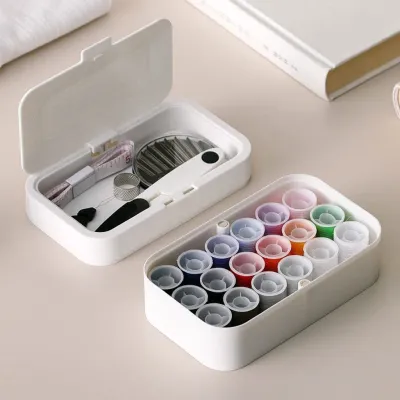
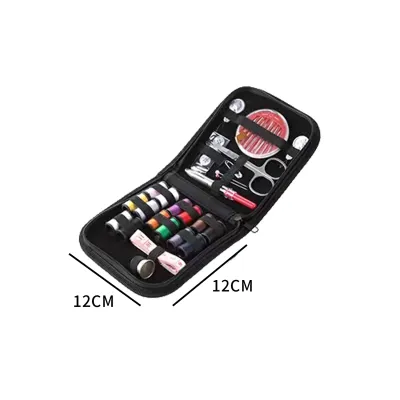
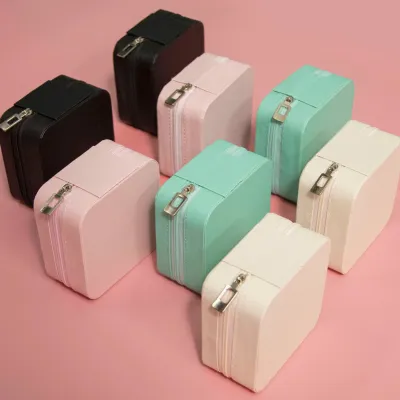
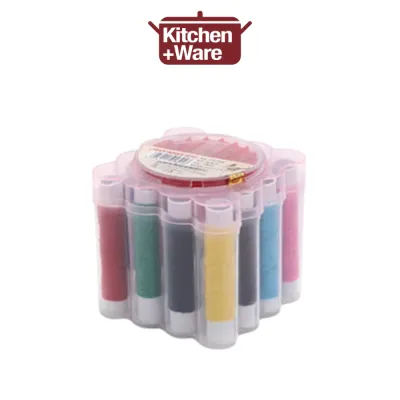
![🧵[3-In-1 Portable]Magnetic Needle Thread Box DIY Portable Magnetic Sewing Box Set Anti-Lost Home Sewing Accessories Sewing Hand Embroidery Tool](https://img.lazcdn.com/g/p/1f2b06022c55593ffad1fd254c41db89.jpg_400x400q80.jpg_.webp)
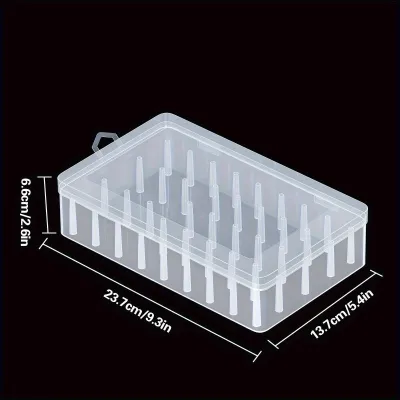
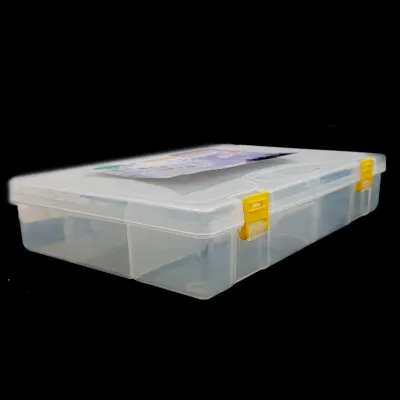
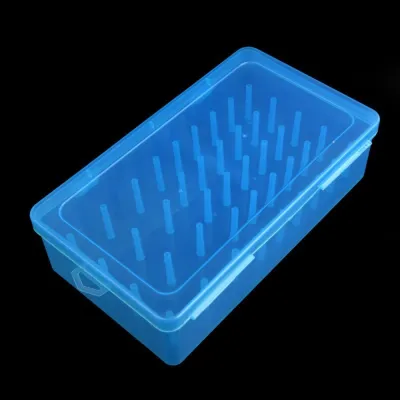
Prices are valid at publication and may change. Please refer to the product page for the latest price.
Embroidery also requires a variety of specialized hand-sewing needles that must be kept dry and secure. Crewel needles feature sharp points and long eyes to accommodate multiple strands of cotton embroidery floss, while chenille needles are thicker, and tapestry needles have blunt points for counted-thread work. Because these needles are fine and highly susceptible to rust in Singapore’s humid climate, your sewing box needs secure, dry compartments or built-in magnetic needle keepers to protect them.
In addition to needles and hoops, embroidery beginners need dedicated space for delicate tools like fine, sharp embroidery scissors and fabric marking pens. Stork scissors or thread snips are essential for cutting close to the fabric surface without damaging surrounding stitches, and their sharp points must be protected from dulling. Fabric marking tools, such as water-soluble or heat-erasable pens, are also longer than standard sewing accessories and require long, narrow compartments to fit comfortably.
Finally, the way embroidery thread is stored differs entirely from standard sewing thread. Embroidery floss is typically sold in loose, six-strand cotton skeins that will quickly tangle, knot, and fray if left loose in a drawer. To prevent this, stitchers wind their floss onto flat plastic or cardboard bobbins, which require organized, grid-like compartments to stay upright and visible. A reliable embroidery sewing box must offer a dedicated solution for these bobbins to keep your colors sorted and accessible.
How to Evaluate Sewing Box Brands for Reliability and Value
When evaluating sewing box brands, material quality is the first line of defense against wear and tear. Molded plastic, natural wood, metal, and fabric-covered frames are the most common materials available. High-quality molded plastic is lightweight, water-resistant, and allows you to see your tools easily, but it must be thick and impact-resistant rather than brittle. If you prefer a traditional wooden box, ensure the interior is completely smooth and finished to prevent rough wood grain from snagging delicate embroidery threads.

The durability of a sewing box is often determined by its hinges and latches, which undergo constant stress during use. Many budget boxes rely on “living hinges”—thin plastic folds that bend when opened—which are prone to cracking and snapping after a few months of heavy use. Reliable brands utilize robust mechanical hinges and secure, metal or heavy-duty plastic snap latches that keep the lid tightly sealed even when the box is fully loaded and carried by its handle.
An effective embroidery box must offer a highly organized, modular interior layout to accommodate tools of varying shapes and sizes. Look for brands that feature adjustable or removable dividers, allowing you to customize the compartment sizes to fit your specific tools. Fixed-grid compartments can lead to wasted space, as they may not fit a long fabric marking pen or a wide embroidery hoop, whereas modular designs let your storage system evolve alongside your skill level.
Lid stability and safety are critical when working with sharp needles and fine pins. A well-designed sewing box should have a lid that stays open independently at a stable angle without tipping the entire box backward. Some advanced boxes feature cantilever trays that slide outward when opened, presenting all your tools and bobbins simultaneously, though these require a larger, flat workspace and must be balanced carefully to prevent tipping.
While pre-filled sewing kits are highly tempting for beginners due to their immediate convenience, they often represent poor long-term value. To keep retail prices low, manufacturers of pre-filled kits frequently include low-grade scissors that dull quickly and chew through embroidery floss, along with cheap needles that bend or rust easily. Investing in a high-quality empty sewing box from a reputable brand and gradually filling it with premium, individually selected tools is a much more practical approach.
Before making a purchase, it is highly beneficial to check feedback and reviews within dedicated needlework communities and local crafting groups in Singapore. Experienced stitchers can provide valuable insights into how well a specific brand’s latches hold up over years of use, whether the plastic remains clear and scratch-resistant, and how easy it is to source replacement dividers or trays. This community trust is often the most reliable indicator of a brand’s actual, long-term durability.
Trusted Sewing Box Categories and Options Available in Singapore
Specialized Needlework Brands
Specialized needlework brands focus exclusively on hand embroidery, cross-stitch, and needlepoint, making them a premier choice for beginners who want purpose-built storage. Globally recognized brands like DMC and Clover are highly respected in the crafting community and are widely available through specialized craft retailers in Singapore. These brands design their products around the specific dimensions of embroidery tools, ensuring a perfect fit for your bobbins, needles, and hoops.
The primary value proposition of these specialized brands is their thoughtful, dedicated thread and needle management systems. For instance, DMC offers clear plastic organizer boxes designed specifically to hold standard cardboard or plastic bobbins upright, allowing you to view and select your color numbers easily. Clover, a Japanese brand known for its exceptional build quality and ergonomic designs, provides compact, modular cases with built-in magnetic needle keepers and specialized compartments that protect fine embroidery snips from damage.
However, a notable limitation of specialized needlework brands is that their storage solutions are often sold as separate, modular components rather than all-in-one boxes. You may need to purchase a dedicated bobbin storage box, a separate needle case, and a fabric project bag to hold your embroidery hoops. While this modularity allows you to build a highly customized organization system that perfectly matches your workflow, it requires more planning and a higher initial investment than a single multi-purpose box.
When shopping for these specialized brands in Singapore, always verify the product descriptions carefully to ensure you are buying the actual storage container. Some online listings or physical store displays may feature photos of organizer boxes filled with colorful embroidery threads, but the product being sold is actually just the empty plastic box or a refill pack of bobbins. Confirming what is included in your purchase will prevent unexpected surprises and ensure you get the exact storage you need.
Comprehensive Craft and Haberdashery Brands
Comprehensive craft and haberdashery brands offer traditional, multi-purpose sewing boxes that are highly durable and versatile. Brands like Prym and Hemline are household names in the sewing world, known for their robust construction and wide availability in Singapore’s department stores and craft shops. These brands provide a wide range of storage options, from classic wooden cantilever boxes to modern, fabric-covered sewing baskets with removable plastic trays.
The reliability of these established haberdashery brands stems from their high-quality materials and secure physical designs. A classic cantilever box from Prym, for example, features multiple tiers that slide open smoothly, providing ample space to store your embroidery hoops in the deep bottom compartment while keeping smaller accessories organized in the upper trays. Their heavy-duty handles and secure locking mechanisms ensure that the box remains stable and safe to transport, even when fully loaded.
The main trade-off with comprehensive haberdashery boxes is that their internal layouts are typically optimized for general sewing supplies, such as tall thread spools, tape measures, and dressmaking shears, rather than flat embroidery floss. To make these boxes work effectively for embroidery, you will likely need to supplement them with small aftermarket plastic organizers, cardboard bobbin cards, or individual zip-lock bags to keep your stranded cotton floss from tangling and fraying.
Before purchasing a traditional sewing basket or cantilever box, it is crucial to measure your primary embroidery hoops and check the box’s internal dimensions. Ensure that the bottom compartment is wide and deep enough to allow your preferred size of hoop (typically 6 to 8 inches for beginners) to lie completely flat when the box is closed. This prevents the hoop from being squeezed or warped, preserving the tension of your embroidery fabric and protecting your ongoing projects.
Budget-Friendly and Modular Organizers
For beginners who want an accessible and highly customizable storage solution without a significant initial investment, budget-friendly modular plastic organizers are an excellent option. These utility boxes, often sold as craft organizers or small hardware storage cases, are widely available in local stationery chains, hardware stores, and general online marketplaces across Singapore. They offer a practical, no-nonsense approach to organizing embroidery supplies on a budget.
The primary advantage of these modular plastic organizers is their high level of customizability. Most of these boxes feature removable plastic dividers that slide into molded tracks, allowing you to adjust the size of each compartment to fit your specific tools. You can easily create a long, narrow slot for fabric marking pens, small square grids for your embroidery floss bobbins, and a larger open section to house your embroidery hoops and scissors.
However, the lower price point of these budget organizers comes with certain risks regarding material durability and tool safety. Many budget-friendly options use thin, brittle plastic and living hinges that can crack and fail over time, especially when subjected to regular transport. They also lack specialized needlework features, such as built-in pincushions or magnetic needle strips, meaning loose needles and pins can slide around during travel, posing a safety hazard and potentially damaging your threads.
To evaluate these budget-friendly options effectively in local Singapore stores, perform a quick physical quality check. Press the sides of the plastic box to ensure it is rigid and does not flex excessively, which indicates thicker, more durable plastic. Test the latches to ensure they snap shut with a firm, audible click, and verify that the removable dividers fit tightly in their tracks so that small items like needles, needle threaders, or pins cannot slip underneath them into adjacent compartments.
Where to Buy and What to Verify Before Purchasing
Finding reliable sewing box brands in Singapore is straightforward if you know where to look. Specialty fabric and craft shops in historic areas like Chinatown, particularly within People’s Park Centre, house several long-standing haberdashery retailers that stock brands like Prym, Clover, and DMC. Large-format craft stores located in major shopping malls across the island also carry a wide selection of needlework storage. For budget-friendly modular plastic organizers, local stationery chains and neighborhood hardware stores are excellent physical retail options.
If you are visiting a physical retail store in Singapore, take the opportunity to thoroughly test the sewing box before purchasing. Open and close the lid, latches, and drawers multiple times to ensure they operate smoothly and secure the box tightly without sticking. Pick up the box by its handle and feel its weight when empty; a heavy wooden box might look elegant on a shelf, but it can quickly become cumbersome to carry if you plan to attend local embroidery workshops or social stitching meetups.
When purchasing online through local e-commerce platforms or specialized craft websites, do not rely solely on product photos, which can easily distort the actual scale of the box. Always read the listed product dimensions (length, width, and height) and compare them against your largest embroidery hoop and longest fabric marking pens to ensure a proper fit. Additionally, search the customer reviews for keywords like “embroidery,” “floss,” or “hoop” to see if other needlecrafters found the layout practical for their work.
Finally, always check the retailer’s return and exchange policies before finalizing your purchase, especially when ordering online. Plastic organizers can crack during shipping, and wooden boxes may arrive with misaligned hinges or rough, unfinished interior edges. Ensuring the seller offers a straightforward, local return process protects your investment and guarantees that you receive a high-quality, defect-free sewing box that will safely house your embroidery tools for years to come.
Frequently Asked Questions (FAQ)
Can I use a regular sewing kit for embroidery?
While a basic sewing kit can serve as a temporary starting point, it is generally not well-suited for the specific demands of embroidery. Standard sewing kits are designed primarily for garment mending and construction, featuring compartments optimized for tall thread spools, dressmaking pins, and basic hand-sewing needles. They typically lack the wide, flat compartments required to store embroidery hoops without warping them, and they do not provide structured storage for flat embroidery floss bobbins, leading to tangled and frayed threads.
Furthermore, the tools included in general sewing kits are often inadequate for detailed needlework. Standard sewing scissors are usually too large and blunt for the precise, close-up snips required to trim embroidery floss near the fabric surface. Standard hand-sewing needles also tend to have small, narrow eyes that make threading multiple strands of embroidery floss difficult, resulting in split fibers and frustration. Transitioning to an embroidery-specific setup or customizing a larger, empty sewing box will provide a much better crafting experience.
Is it better to buy an empty sewing box or a pre-filled embroidery kit?
For most embroidery beginners in Singapore, buying a high-quality empty sewing box and filling it with carefully selected individual tools is the better long-term investment. Pre-filled embroidery kits, especially those from lesser-known or generic brands, often compromise on the quality of the included tools to keep the overall price low. You may find yourself with blunt, uncomfortable scissors that chew through floss rather than cutting it cleanly, and cheap needles with rough eyes that snag and damage your embroidery thread.
By purchasing a sturdy, empty sewing box from a reliable brand, you have the freedom to curate your own high-quality tool collection over time. You can invest in premium Japanese embroidery needles, ergonomic stork scissors, and high-quality water-soluble marking pens that suit your specific stitching style. This modular approach ensures that every tool in your kit is reliable, comfortable to use, and built to last, providing far greater value and a more enjoyable learning experience.
How do I prevent embroidery threads from tangling in my sewing box?
The most effective way to prevent embroidery threads from tangling is to wind your floss onto plastic or cardboard bobbins immediately after purchasing a new skein. You can use a fine-tip permanent marker to write the color number on the corner of each bobbin for easy identification. Store these bobbins vertically in a grid-style organizer tray within your sewing box, which keeps them secure, organized, and easily visible, preventing them from unraveling or rubbing against other tools.
Additionally, avoid leaving loose, unwound skeins of floss in the main compartment of your sewing box, as they will quickly knot and fray when the box is moved or carried. Keep a small pair of sharp thread snips inside your box to trim any loose fiber ends before storing your bobbins, and avoid overstuffing the thread compartments. Compressing too many bobbins or skeins into a small space can cause the delicate cotton fibers to cling together, leading to frustrating tangles when you try to retrieve a specific color.

Community discussion
Share your experience or ask a question. Comments are reviewed before publication.