
Key Specifications That Define a Reliable Bubble Pack
To evaluate any bubble pack objectively, you must analyze its physical dimensions and material construction. The most critical metric of a bubble pack’s strength is its film thickness, which is measured in microns (µm) or mils (one-thousandth of an inch). Standard utility-grade bubble wrap typically features a film thickness of 35 to 45 microns, which is suitable for lightweight items but prone to popping under moderate pressure. For fragile, heavy, or sharp-edged items, look for industrial-grade options with a thickness of 60 to 80 microns, or heavy-duty variations that exceed 100 microns.
Another major structural factor is the layer count of the film. Single-layer bubble packs consist of a flat backing sheet with the molded bubbles exposed on one side. While highly flexible and cost-effective, they offer limited puncture resistance and can lose air more rapidly under sustained loads. Double-layer bubble packs sandwich the bubbles between two flat sheets of plastic. This construction traps the air more securely, increases the tensile strength of the wrap, and prevents the bubbles from popping when dragged against rough cardboard surfaces.
The raw material used during manufacturing also dictates how long the bubbles will remain inflated. Budget bubble packs are often made from standard low-density polyethylene (LDPE) without any barrier additives. Over time, or when subjected to constant pressure, air slowly diffuses through the thin polyethylene film, causing the bubbles to flatten. Reliable brands use co-extruded barrier films that incorporate a thin layer of nylon or specialized copolymer. This barrier layer is highly impermeable to air, ensuring the bubbles retain their inflation throughout long-term storage and extended transit times.
Products mentioned in this guide
![[SG READY STOCK] 50pcs Air Bubble Bag | Bubble Mailer | Bubble Polymailer | Bubble Envelop | Bubble Wrap Packaging](https://img.lazcdn.com/g/p/baf972f2e9530e01a7280216fe3c003d.jpg_400x400q80.jpg_.webp)
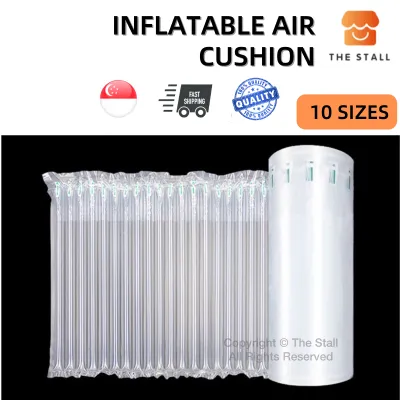
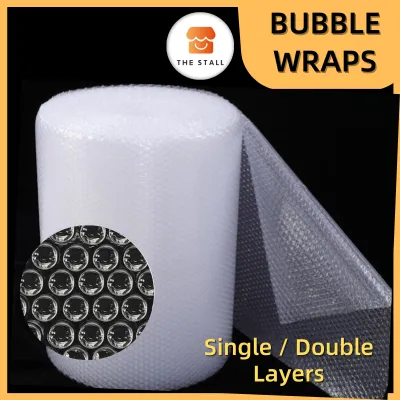
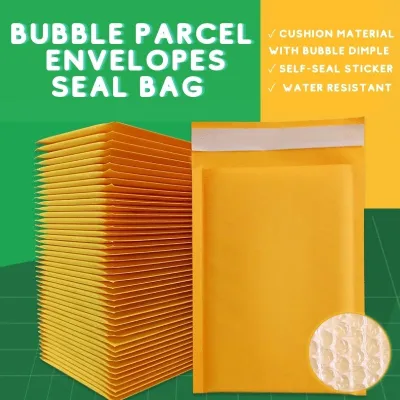
Prices are valid at publication and may change. Please refer to the product page for the latest price.
Verifying these specifications requires looking beyond marketing terms like “heavy-duty” or “premium,” which carry no standardized technical meaning. Trustworthy manufacturers provide detailed product data sheets listing the exact micron thickness, tensile strength, and polymer composition of their rolls. When purchasing from local distributors or online marketplaces, look for listings that explicitly state the micron rating and roll weight. A lower roll weight for the same length and width is a clear indicator of a thinner, less protective film.
Consistent bubble inflation and seal integrity across the entire roll are the hallmarks of quality manufacturing. During production, the plastic film must be heated to a precise temperature to form and seal the bubbles. If the temperature fluctuates, the seals between the bubbles can fail, leading to sections of flat or easily popped air pockets. Unrolling a portion of the material and checking for uniform bubble height and resistance to light hand pressure is a simple way to verify that the manufacturer maintains strict quality control standards.
Matching Bubble Pack Types to Fragile Items
Selecting the right bubble pack is not a one-size-fits-all decision; the material must match the physical weight, shape, and vulnerability of the item being shipped.

Small Bubble Packs for Delicate and Lightweight Items
Small bubble packs, which typically feature bubbles with a diameter of 10mm and a height of 4mm, are designed for items that require close-fitting protection and scratch prevention. These dense, compact air pockets are highly conformable, allowing the wrap to bend easily around complex shapes without creating bulk or empty voids. This makes them ideal for packing glassware, delicate ceramics, cosmetics, jewelry, and intricate collectibles.
The primary mechanical advantage of small bubbles is their ability to distribute localized pressure evenly across a highly detailed surface. When you wrap a delicate figurine, the numerous small contact points cushion protruding parts individually, reducing the risk of snapping fragile details. Furthermore, the close spacing of the bubbles prevents the item from shifting within its protective sleeve, keeping it securely positioned during handling.
However, small bubble wrap has distinct physical limitations. Because each bubble contains only a small volume of air, it has a low threshold for heavy impacts. If a heavy object is wrapped in small bubble wrap, the weight of the item can easily compress the bubbles completely, causing them to “bottom out” against the hard outer packaging. Consequently, small bubbles should not be used as the sole cushioning material for heavy items or as a void filler in large shipping boxes.
Large Bubble Packs for Heavy or High-Impact Items
Large bubble packs, featuring bubbles with a diameter of 25mm to 30mm and a height of 10mm to 12mm, are engineered for heavy-duty shock absorption and void filling. These larger air chambers contain a substantial volume of air, allowing them to compress significantly under load without bottoming out. This makes them the preferred choice for shipping heavier household appliances, large ceramic vases, framed artwork, and boxed electronics.
The superior energy dissipation of large bubbles is critical for protecting items against the severe vibrations and drops that occur during transit. When a heavy box is dropped, the large air pockets absorb the kinetic energy of the impact, slowing down the deceleration of the item inside and reducing the G-force transmitted to the product. Additionally, because of their bulk, large bubble rolls are highly efficient for filling empty spaces inside shipping cartons, preventing the contents from sliding around.
Despite their protective capabilities, large bubble packs must be used with caution on certain surfaces. The concentrated pressure points of large, highly inflated bubbles can leave temporary circular indentation marks or scuffs on highly polished wood, soft plastics, or delicate leather under heavy compression. To prevent this, apply a thin layer of foam wrap or small bubble wrap with the flat side facing the item as a primary protective barrier, and then use the large bubble wrap as an outer cushioning layer.
How to Identify Trustworthy Brands and Suppliers in Singapore
Navigating the packaging market in Singapore requires a systematic approach to identifying reliable suppliers, whether you are sourcing from local industrial estates or online marketplaces.
A key indicator of a reputable packaging supplier is the completeness of their product listings. Reliable suppliers do not hide behind generic descriptions; they clearly state the exact physical dimensions of the roll, the film thickness in microns, and the material composition. If a supplier fails to provide these specifications or avoids answering questions about micron ratings, it is highly likely they are selling low-grade, thin-film products that may fail during transit.
Analyzing buyer reviews on local e-commerce platforms can reveal critical information about a supplier’s quality control. When reviewing feedback, look past simple star ratings and search for specific comments regarding product physical conditions. Red flags include complaints about “flat bubbles upon arrival,” “rolls that are shorter than advertised,” or “thin plastic that tears when unwrapped.” Conversely, positive reviews that highlight “thick, puncture-resistant plastic” and “consistently inflated bubbles” point to a reliable manufacturer.
For business buyers or individuals with high-volume shipping needs, the willingness of a supplier to provide sample rolls is a strong sign of trustworthiness. Testing a sample roll allows you to evaluate the material’s performance under actual packing conditions before committing to a bulk purchase. Reputable local distributors in industrial areas like Ubi, Kaki Bukit, or Jurong often accommodate sample requests and maintain clear return policies for any batches that do not meet the specified tolerances.
Additionally, pay attention to any material safety or environmental certifications if the supplier claims their products are eco-friendly or food-safe. If you are shipping specialty food jars or organic products and require biodegradable or recycled bubble packs, ask the supplier for official certification documents, such as RoHS compliance or ASTM standards for compostability. Verifying these documents ensures your packaging aligns with your brand’s sustainability claims and meets safety requirements.
Best Practices for Packing Fragile Items with Bubble Packs
Even the highest-quality bubble pack will fail to protect your items if it is applied incorrectly. Mastering a few fundamental wrapping and packing techniques is essential to maximize the material’s protective qualities.
The most common debate in packaging is whether to place the bubble side facing inward or outward. The industry standard is to place the bubble side facing inward toward the item. This configuration allows the individual bubbles to grip the surface of the object, preventing it from sliding within the wrap during movement. The smooth outer plastic layer is then left facing outward, where it can easily slide into shipping boxes and resist external punctures or tears from sharp edges.
To determine if you have applied an adequate amount of cushioning, perform the “pinch test.” Gently squeeze the wrapped item at its most vulnerable points, such as corners, handles, or delicate edges. If you can easily feel the hard surface of the item through the bubble layers with moderate finger pressure, the cushioning is insufficient. Add additional layers of wrap until the pinch test reveals a firm, springy barrier that completely isolates the item from external pressure.
When securing the wrapped item, use high-quality packaging tape designed for Singapore’s humid climate. Apply the tape firmly to seal the seams, but avoid pulling it so tightly that it compresses and pops the bubbles along the edges. Crushing these perimeter bubbles compromises the structural integrity of the entire wrap, leaving the corners of your item vulnerable to impact. Use just enough tension to hold the wrap securely in place without distorting the air pockets.
Finally, select a shipping carton that allows room for both the wrapped item and additional void fill. If the wrapped item is forced into a box that is too small, the constant compression will put undue stress on the bubbles, increasing the likelihood of deflation. Conversely, if the box is too large, the item will slide around, risking damage. Fill any remaining empty spaces with packing peanuts, crumpled kraft paper, or air pillows until the item remains completely stationary when the box is gently shaken.
Frequently Asked Questions (FAQ)
Can I reuse bubble packs for shipping fragile items?
Reusing bubble wrap is a great way to reduce packaging waste, but it requires careful inspection. Over time and through repeated handling, the plastic film slowly stretches, allowing air to escape from the bubbles. To verify if a used bubble pack is still suitable for fragile items, perform a quick visual and tactile check. Lay the sheet flat and run your hands over the surface, applying light pressure. If you find that more than 10% of the bubbles are deflated or popped, the material has lost its structural integrity and should not be used as the primary protective layer for delicate items. Instead, repurpose it as secondary void fill or recycle it at local collection points.
Is anti-static bubble wrap necessary for shipping electronics?
Standard bubble wrap is made of low-density polyethylene, which is highly prone to generating electrostatic discharge (ESD) through friction during handling and transit. This static buildup can easily destroy sensitive internal electronic components. Anti-static bubble wrap, which is typically tinted pink, is treated with an antistatic agent that prevents the generation of electrostatic charges. You must use anti-static bubble wrap when shipping bare circuit boards, computer processors, internal hard drives, or sensitive electronic sensors. For fully enclosed consumer electronics that are already sealed inside their original retail boxes, standard bubble wrap is generally sufficient, as the retail packaging provides an effective barrier against external static charges.

Community discussion
Share your experience or ask a question. Comments are reviewed before publication.