
Selecting the right red packet—traditionally known as a hongbao—is more than a matter of aesthetic preference; it is a meaningful gesture of respect, blessing, and cultural awareness. Whether you are preparing for the festive rush of Chinese New Year, celebrating a couple’s union at a wedding banquet, or honoring an elder’s milestone birthday, the design, size, and material of your envelope convey a silent message to the recipient. Choosing incorrectly can lead to minor social awkwardness, such as banknotes jamming in the flap or motifs clashing with the occasion. By understanding the structural and visual elements of these envelopes, you can confidently select the perfect red packet for any celebration.
Understanding Red Packet Sizes and Formats
Red packets are generally available in two primary formats: long and short (or square). Choosing between them depends on the formality of the occasion and how you prefer to present the banknotes. Long envelopes, typically measuring around 165 mm to 170 mm in length, are designed to hold banknotes completely flat. Presenting unfolded, crisp notes is widely considered the most respectful approach, making long formats the standard choice for formal events like weddings and when gifting to parents or elders.
Short or square formats, usually measuring around 80 mm to 90 mm, require you to fold the banknotes into halves or thirds to fit inside. These compact envelopes are highly portable and convenient for casual gifting, such as handing out small tokens of appreciation to children, neighbors, or service staff during Chinese New Year.
Products mentioned in this guide
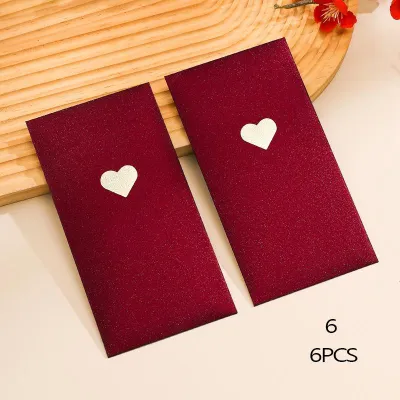
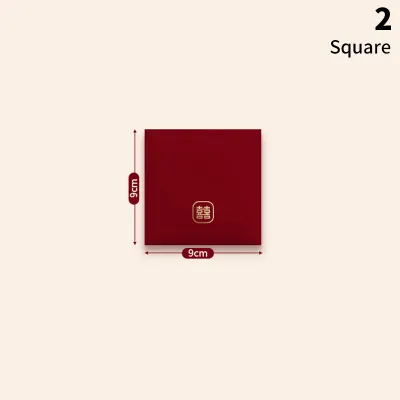
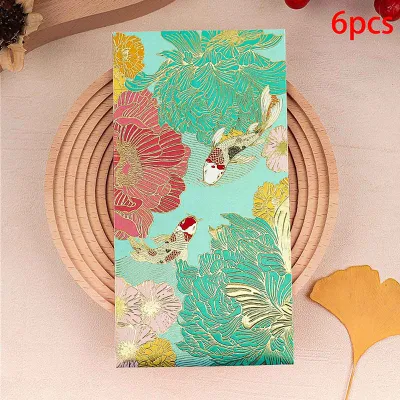
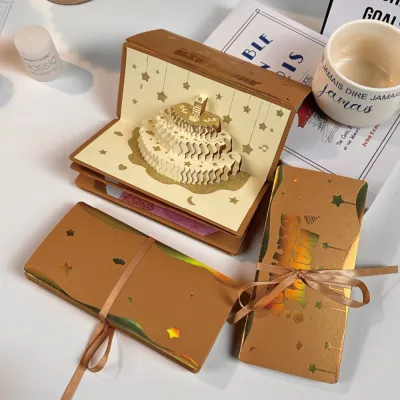
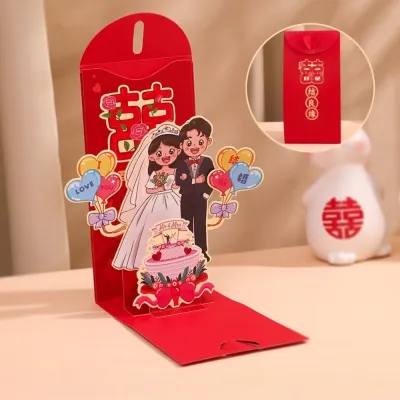
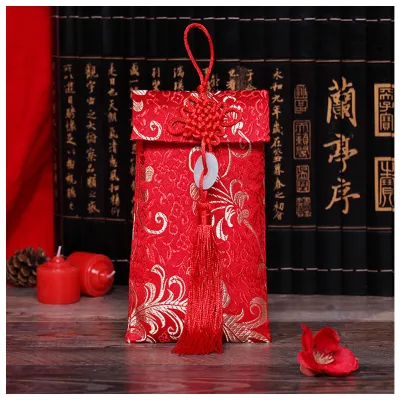
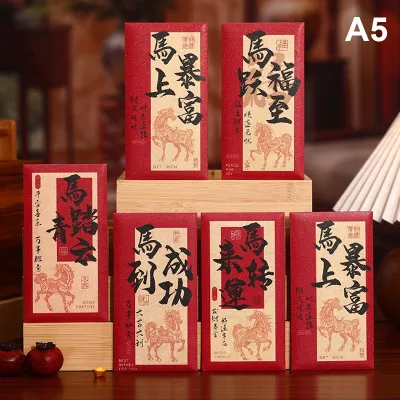
Prices are valid at publication and may change. Please refer to the product page for the latest price.
Before purchasing, it is essential to check the interior dimensions of the envelope against the physical size of your local currency. In Singapore, banknotes increase in size with their denomination. For example, a S$2 note measures 126 mm by 63 mm, a S$10 note is 133 mm by 66 mm, and a S$50 note is 156 mm by 74 mm. While a S$2 or S$10 note might fit comfortably in a slightly smaller long envelope, a S$50 or S$100 note requires a full-sized standard long packet to prevent the edges from bending or jamming when you seal the flap.
The closure mechanism of the envelope also affects both usability and presentation. Tuck-in flaps are the most common and practical, allowing the recipient to open the packet smoothly without tearing the paper. Adhesive seals offer excellent security for larger monetary gifts but often damage the envelope upon opening, rendering it unusable for future keepsake storage. Traditional string ties, button closures, or slide-on paper bands add a premium, tactile feel, though they require a bit more time to assemble and open.
Choosing Designs for Chinese New Year
Chinese New Year is a time of renewal, family reunions, and wishes for prosperity. The designs you choose should reflect these themes through traditional symbols and appropriate color palettes. Classic motifs include the zodiac animal of the current lunar year, delicate plum blossoms representing resilience, and bold calligraphy of auspicious characters such as Fu (福, meaning good fortune) or Chun (春, meaning spring).

When distributing red packets during the lunar festival, tailor the design to the recipient’s life stage. For elders, select elegant envelopes that focus on health, peace, and longevity. Look for phrases like Wan Shi Ru Yi (万事如意, may all things go your way) or Ping An An Kang (平安安康, peace and good health). For children, students, and younger relatives, opt for playful, energetic designs that wish them growth, vitality, and academic success, often featuring phrases like Xue Ye Jin Bu (学业进步, academic progress).
While traditional bright red remains the most popular and culturally safe choice, modern stationery trends have introduced a variety of alternative colors. Gold accents, deep magenta, rich purple, and even contemporary pastel shades like soft pink or orange are widely accepted. However, ensure these modern interpretations still feel festive. Avoid overly dark, muted, or plain white and blue designs, as these colors are traditionally associated with mourning and are considered highly inappropriate for a joyous spring celebration.
Selecting Red Packets for Weddings
A wedding is a formal milestone that demands a high level of etiquette and presentation. The red packet you present at a wedding banquet serves as your contribution to the couple’s new journey, and its design should match the solemnity and joy of the occasion. The most appropriate and universally recognized motif for matrimonial celebrations is the double happiness character (囍). Other elegant options include illustrations of peonies, which symbolize wealth and honor, or the traditional pairing of the dragon and phoenix, representing a balanced and harmonious union.
When selecting a wedding envelope, strictly avoid designs that carry any negative or inappropriate associations. Steer clear of sharp, aggressive geometric patterns, and ensure there are no elements of white, blue, or plain black, which are reserved for funerals and mourning. Additionally, avoid designs that feature unlucky numbers or symbols that do not align with a lifetime partnership.
Given the formality of wedding banquets, the material quality of the envelope is just as important as the design. Opt for premium red packets made from thick, textured paper, matte cardstock, or even fabric like silk or brocade. Envelopes featuring intricate gold foil stamping, embossing, or laser-cut details feel substantial in the hand and convey a deep sense of respect and congratulations to the newlyweds.
Picking Styles for Birthdays and Other Milestones
Milestone birthdays and life transitions require a thoughtful approach to envelope selection, as the appropriate aesthetics vary significantly by age. For an elder’s milestone birthday—such as a 60th, 70th, or 80th celebration—the design should focus heavily on longevity and respect. Traditional symbols like longevity peaches (shoutao), cranes, or pine trees are highly appropriate, often paired with the character for longevity (Shou, 寿). These symbols carry deep cultural meaning and show that you have chosen the gift with care.
Conversely, for children’s birthdays, full-month celebrations, or baby showers, the aesthetic should be cheerful, bright, and playful. Envelopes featuring cute cartoon characters, baby motifs, or vibrant, whimsical illustrations are perfect for these joyful occasions.
Regardless of the recipient’s age, always verify that the greeting text printed on the envelope matches the specific milestone. Using a red packet with Chinese New Year greetings (such as Gong Xi Fa Cai) for a birthday or a baby shower is a common oversight that can cause mild embarrassment. Look for clear, specific phrases like Sheng Ri Kuai Le (生日快乐, Happy Birthday) or general blessings of happiness and good fortune to ensure your message is perfectly aligned with the event.
Practical Tips for Buying and Preparing Red Packets
To ensure your red packets look professional and elegant, pay close attention to the physical quality of the paper. Inspect the paper weight and opacity before purchasing; a high-quality envelope should have a paper weight of at least 100gsm. Hold the envelope up to a light source to verify that the contents and the denomination of the banknotes inside are not visible from the outside, preserving the privacy of your gift.
If you plan to write a personal message or the recipient’s name on the back of the envelope, perform a quick ink test first. The smoothness, drying speed, and bleed resistance of your pen will depend heavily on the paper’s surface coating. Glossy, metallic, or heavily foil-stamped papers often resist water-based inks, leading to smudging. Test your pen on a spare envelope or on the inside flap to ensure the ink dries quickly and does not bleed through to the front.
When sourcing your envelopes, compare your purchasing options. Physical stationery stores are excellent for feeling the paper texture and verifying colors in person. Local markets offer traditional, budget-friendly designs in bulk, which is ideal for large-scale gifting during Chinese New Year. For unique, modern, or highly customized designs, online marketplaces offer a vast selection, though you should carefully read customer reviews regarding paper thickness and print quality.
When preparing the envelopes, ensure your hands are clean and dry to avoid leaving smudges on the paper. Insert crisp, new banknotes neatly. If you are using a short format that requires folding, fold the notes cleanly and uniformly. Tuck the flap in gently to secure the contents without creasing or tearing the delicate paper edges.
Frequently Asked Questions (FAQ)
Can I reuse red packets from previous years?
Yes, you can reuse leftover red packets, but only after a careful inspection. First, assess the physical condition of the envelope; discard any that show creases, tears, faded colors, or old adhesive residue. Second, ensure the design is not year-specific. For example, do not use an envelope featuring a dragon illustration during the Year of the Snake. Finally, consider the formality of the occasion. While reusing a clean, generic red packet is perfectly acceptable for casual gifting among close friends or service staff, it is best to use fresh, pristine envelopes for formal events like weddings or when gifting to elders.
Is it acceptable to use digital red packets instead of physical ones?
Digital red packets, or e-angbaos, have become highly popular due to their convenience and are widely accepted for casual exchanges among peers, colleagues, and tech-savvy younger relatives. Many digital banking platforms incorporate festive themes and animations to mimic the traditional experience. However, physical envelopes remain strongly preferred for formal occasions, weddings, and when gifting to elders. The physical act of handing over a beautifully crafted red packet represents a tangible transfer of blessings, respect, and cultural tradition that digital transactions cannot fully replicate.

Community discussion
Share your experience or ask a question. Comments are reviewed before publication.