
To fit Singapore Dollar (SGD) notes properly without folding, you need a long wedding angbao measuring at least 168 mm by 85 mm. This size comfortably accommodates the common S$50 and S$100 denominations. If you plan to fold the notes or are gifting smaller denominations like S$2, S$5, or S$10, a standard short envelope (typically 120 mm by 80 mm) or a square format will suffice.
Choosing the correct size ensures the presentation remains elegant and prevents the recipient from struggling to slide the cash out. A poorly sized envelope can lead to bent corners, torn paper, or an awkwardly bulging packet. Matching your monetary gift to the correct envelope specifications ensures a respectful presentation at any wedding banquet.
Baseline: Understanding Singapore Dollar Note Dimensions
To choose the perfect wedding angbao, you must first understand the physical dimensions of Singapore’s currency. Unlike currencies that maintain a uniform size across all values, Singapore Dollar banknotes increase progressively in both length and width as the denomination rises. This design helps the visually impaired distinguish between denominations, but it means a one-size-fits-all approach to envelopes does not work.
Products mentioned in this guide
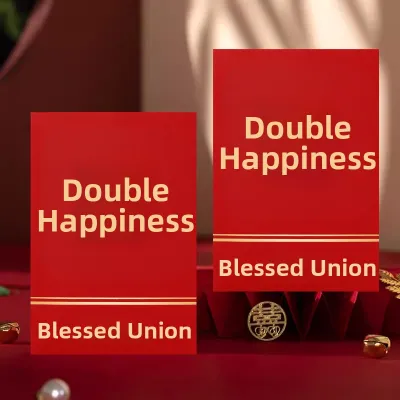
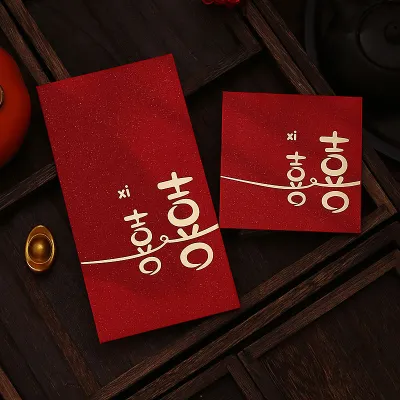
![[SG READY STOCK] Premium Wedding Red Packet | Double Happiness Angbao | Angpao/Angpow/Hongbao | 6pcs/Pack 结婚红包 双喜 喜字红包](https://img.lazcdn.com/g/p/ec9df034dec8ee51e6a720c9cd3b9fb9.jpg_400x400q80.jpg_.webp)
Prices are valid at publication and may change. Please refer to the product page for the latest price.
The current Portrait Series features the following precise dimensions:
- S$2 Note: 126 mm x 63 mm
- S$5 Note: 133 mm x 66 mm
- S$10 Note: 141 mm x 69 mm
- S$50 Note: 156 mm x 74 mm
- S$100 Note: 162 mm x 77 mm
- S$1000 Note: 170 mm x 83 mm
While the Monetary Authority of Singapore (MAS) ceased issuing new S$1000 notes in 2021, existing notes remain legal tender and are still occasionally gifted for high-value weddings. Verifying the physical size of the note is crucial. Check the official MAS specifications online or physically measure the notes with a ruler before purchasing your envelopes in bulk.
The “minimum envelope requirement” is a critical rule of thumb. The internal usable space of the angbao must always exceed the note’s dimensions by a safe margin. If the envelope is exactly the same size as the note, inserting the cash will cause friction, potentially jamming the note or tearing the envelope’s seams during both insertion and removal.
Common Wedding Angbao Sizes and Their SGD Note Compatibility
The stationery market offers several standard red packet formats. Understanding how these categories translate to actual SGD note compatibility will save you from last-minute folding dilemmas.

Standard and Mini Envelopes
Standard or short envelopes typically measure between 115 mm and 120 mm in length, and roughly 80 mm in width. Because even the smallest Singapore banknote (the S$2 note) is 126 mm long, it is physically impossible to fit any SGD note flat inside a standard short envelope.
If you use standard short envelopes, you must fold the notes. S$2, S$5, and S$10 notes can be folded in half to fit comfortably. However, if you are gifting S$50 or S$100 notes, a standard short envelope requires a tight half-fold or even a tri-fold. Folding high-value notes multiple times creates a bulky, uneven packet. This bulk makes the envelope swell, putting pressure on the seams and making it difficult to tuck in the flap securely.
Mini envelopes, which often measure under 100 mm in length, should generally be avoided for wedding gifts. They require banknotes to be folded multiple times into small squares. In Singaporean wedding culture, heavily creased, tightly folded notes can be perceived as less formal.
Long and Extended Envelopes
Long and extended envelopes are the most popular choices for modern weddings. These envelopes typically measure between 165 mm and 170 mm in length, and 85 mm to 90 mm in width.
This elongated design provides the necessary length to accommodate S$50 and S$100 notes completely flat. For instance, a S$100 note (162 mm x 77 mm) fits beautifully inside a 170 mm x 90 mm long envelope, leaving a clean margin on all sides. Even a S$1000 note (170 mm x 83 mm) can fit flat in an extended-length envelope (usually 175 mm to 180 mm long).
The width of these long envelopes is equally important. A width of 90 mm allows multiple flat notes to be stacked together without bowing or warping the paper. Choosing a long envelope is considered the premium option for wedding banquets, as it preserves the crisp, unblemished condition of new banknotes, reflecting high respect for the newlyweds.
Square and Oversized Formats
Square envelopes, typically ranging from 110 mm x 110 mm to 130 mm x 130 mm, offer a modern and stylish alternative to traditional rectangular shapes.
Because of their equal proportions, square angbaos are ideal for holding folded high-denomination notes or thick stacks of smaller notes. They are also highly practical if you plan to combine cash with a wedding cheque or a retail gift card. A standard Singapore bank cheque measures approximately 178 mm x 88 mm, which means it must be folded in half to fit into a square envelope, but the wide square shape accommodates this fold without putting strain on the envelope’s edges.
When opting for square formats, pay close attention to structural rigidity. Because a folded cheque or a stack of polymer notes creates uneven thickness, the envelope requires a higher paper weight to maintain its shape. Thin square envelopes will bend awkwardly in the middle, detracting from the clean, geometric presentation.
Crucial Envelope Specs Beyond Basic Dimensions
Selecting the right wedding angbao involves more than just matching length and width. Several secondary physical specifications directly impact how the envelope looks, feels, and functions.
- Paper Thickness and GSM: The weight of the paper, measured in Grams per Square Meter (GSM), determines the envelope's durability and premium feel. Premium wedding angbaos typically range from 120 gsm to 150 gsm. Thicker paper is essential for privacy; it prevents the outlines and colors of the cash from showing through the envelope. It also provides the structural integrity needed to hold multiple notes without tearing. However, extremely thick paper (above 150 gsm) can make the paper stiff, making the flap harder to fold and tuck in.
- Flap and Closure Design: Angbaos generally feature either a tuck-in flap or an adhesive seal. Tuck-in flaps require a slot on the back of the envelope and need a small amount of internal clearance (about 10 mm of vertical space) to slide in smoothly. If you overstuff a tuck-in envelope with a thick stack of notes, the tension will prevent the flap from staying secured, causing it to pop open. Adhesive seals (peel-and-seal) offer a flatter, more secure profile, but they are less forgiving if the envelope is overfilled, and they often result in the envelope being torn open upon receipt.
- Internal Clearance and Tolerance: An envelope's external measurements do not represent its actual internal capacity. The glue lines along the side seams reduce the usable width by 3 mm to 5 mm on each side. Therefore, you should always aim for a "breathing room" margin of 10 mm to 15 mm beyond the note's dimensions. Zero-tolerance sizing leads to frustrated recipients tearing the envelope or damaging the note.
- Ink Compatibility and Writing Trials: If you plan to write personalized congratulations or the couple's names on the back of the angbao, the paper finish matters. Glossy, foiled, or highly textured papers can cause gel pens or fountain pen inks to smudge or bead up. Always perform a quick writing trial on a hidden area or a spare envelope to verify the ink's drying speed and ensure it does not bleed through.
Scenario-Based Size Selection for Wedding Gifts
To simplify your decision, match your specific gifting scenario to the recommended envelope specifications below.
- Single High-Value Note (e.g., S$100 or S$1000): Use a long format (minimum 168 mm x 85 mm; 175 mm x 90 mm for S$1000) to keep the note flat. Exact width matching prevents the note from sliding around, which can cause the corners to bend inside the envelope.
- Multiple Medium-Value Notes (e.g., a stack of S$10 or S$50 notes): Use a long format with a wider profile (at least 90 mm wide) and a high paper weight (120+ gsm). A stack of five or ten notes adds significant thickness, which pulls the front and back of the envelope closer together, reducing the effective internal length. A wider, thicker envelope accommodates this bulk without warping.
- Mixed Media (Cash + Cheque/Card): Use an oversized rectangular format (typically 180 mm x 100 mm) or a large square format. A standard Singapore bank cheque is 178 mm long, making it too long for standard 165 mm long angbaos. An oversized envelope allows the cheque to lie flat alongside the cash, preventing unsightly folds and keeping the presentation highly professional.
Frequently Asked Questions (FAQ)
Is it acceptable to fold Singapore dollar notes for wedding angbaos?
Yes, folding notes is culturally acceptable in Singapore, particularly when using standard short or square envelopes for smaller denominations like S$2, S$5, or S$10. However, for high-value wedding gifts (such as S$100 notes), keeping the notes flat in a long envelope is highly preferred as a mark of respect. If you must fold notes, avoid tight, aggressive creases that can damage the security threads on paper notes or permanently warp polymer notes, making them difficult for the newlyweds to deposit into automated cash machines.
How much extra space should an angbao have beyond the note size?
You should aim for an ideal margin of 10 mm to 15 mm of extra space in both length and width beyond the banknote’s dimensions. To verify the fit, physically test a single note inside the envelope before purchasing in bulk. The note should slide in and out smoothly without catching on the internal glued seams or the flap mechanism. If you have to force or wiggle the note to get it inside, the envelope is too small and may tear.
Community discussion
Share your experience or ask a question. Comments are reviewed before publication.