
To choose the right red envelope size, you must match the envelope’s internal dimensions to the physical size of your gift—whether it is crisp, unfolded banknotes, folded currency, heavy coins, or rigid retail vouchers. Choosing the wrong size can lead to bent cash, torn seams, or an awkward presentation. In Singapore, where gifting red packets (locally known as ang baos) is a cherished tradition during festive seasons, weddings, and milestones, selecting the perfect fit ensures your gesture remains elegant and secure.
While red envelopes come in a vast array of designs, colors, and paper weights, they generally fall into a few standardized size categories. Understanding how these categories correspond to common physical contents will help you make an efficient and accurate purchase.
Quick Size Matching Guide for Common Gifts
Before purchasing envelopes in bulk, it is helpful to understand how general industry size categories align with the items you plan to place inside them. The table below serves as a quick reference to guide your selection based on the physical format of your gift.
Products mentioned in this guide
![[Local SG] Ultra Big Red Packet/ Chinese new year red packet](https://img.lazcdn.com/g/ff/kf/Sea35ef6013e04e71b75212c57febbbcex.jpg_400x400q80.jpg_.webp)
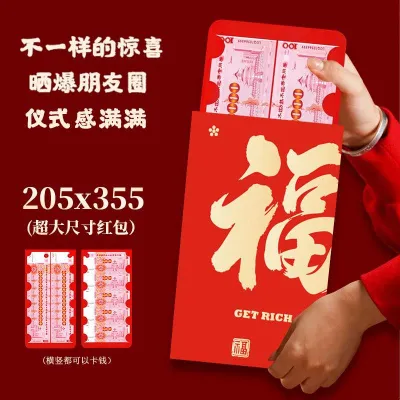
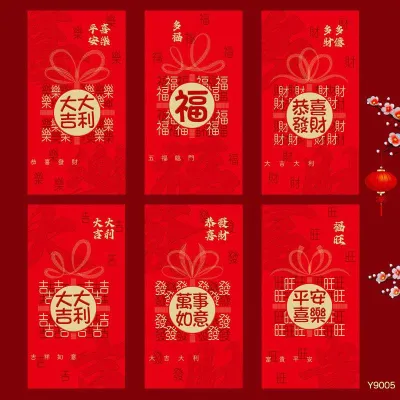
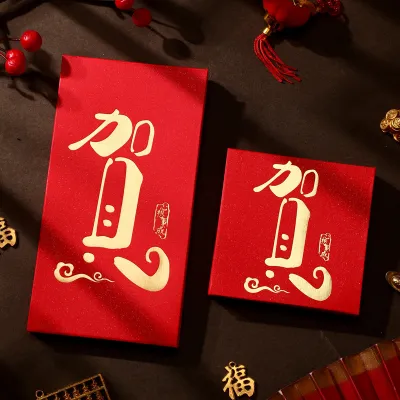
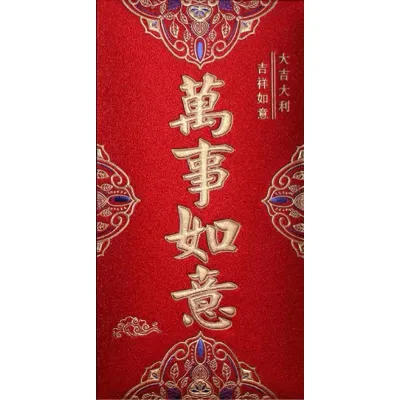

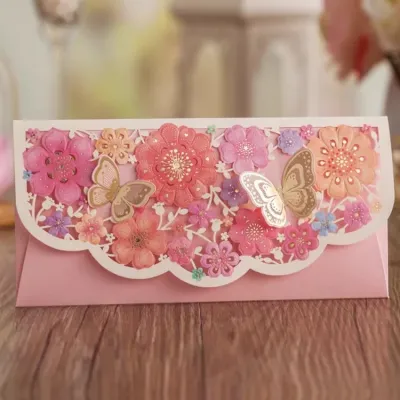
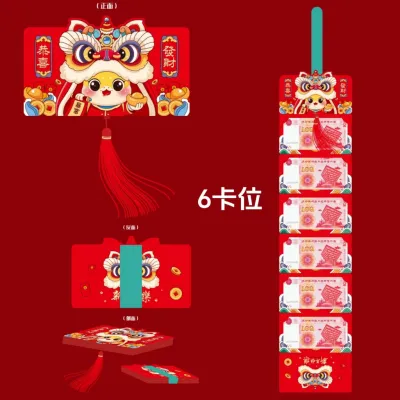
Prices are valid at publication and may change. Please refer to the product page for the latest price.
| Envelope Category | Typical External Dimensions | Best Suited For | Key Physical Contents |
|---|---|---|---|
| Mini / Petite | 70 mm x 70 mm to 80 mm x 80 mm | Coins, small folded items | Single coins, gold charms, small folded banknotes (folded in quarters) |
| Standard / Regular | 115 mm x 80 mm to 120 mm x 85 mm | Folded banknotes | Banknotes folded in half or in thirds, small tickets |
| Long / Extended | 165 mm x 90 mm to 170 mm x 90 mm | Unfolded banknotes, long vouchers | Flat, crisp banknotes (S$2 to S$100), standard retail paper vouchers |
| Square / Large | 130 mm x 130 mm to 160 mm x 160 mm | Rigid cards, thick inserts | Plastic gift cards, multi-page vouchers, custom greeting cards, thick stacks of notes |
These categories represent general industry standards. Because manufacturing tolerances and design elements vary, you should always verify the exact internal dimensions of the specific product you are purchasing to ensure your gift fits comfortably.
Decoding Red Envelope Specifications: What the Measurements Mean
When shopping for a red envelope, the dimensions listed on the packaging almost always refer to the external measurements. This is the total footprint of the envelope when laid flat. However, the usable internal space is always smaller than these external dimensions, and confusing the two is a common buying mistake.

Several design features directly consume internal space. Side seams, especially those glued on the inside of the envelope, typically reduce the usable width by 3 mm to 5 mm on each side. Additionally, the closure mechanism plays a role; tuck-in flaps require a small amount of empty clearance at the top of the envelope so the tab can slide into the slot without bending the contents inside. Permanent adhesive seals require flat, unhindered contact to create a secure bond, meaning you cannot pack the envelope so full that the flap cannot lie completely flat.
Paper thickness, measured in GSM (grams per square meter), also impacts the envelope’s overall capacity and rigidity. Envelopes made from standard paper (typically 80 to 100 GSM) offer more flexibility and can stretch slightly to accommodate thicker stacks of notes. However, they are more prone to creasing and tearing. Premium envelopes made from heavy cardstock (120 to 180 GSM) provide excellent structural integrity and prevent the contents from showing through the paper, but they have very little stretch. If you choose a high-GSM envelope, you must allow for extra internal clearance, as the rigid paper will not flex around bulky items.
External decorative elements like gold foil stamping, deep embossing, or velvet textures add visual appeal but do not affect the internal capacity. Focus on the physical measurements and paper weight first to ensure the envelope can perform its primary task of holding your gift securely.
Choosing the Right Size by Gift Type
Different gifts present unique physical challenges. Matching the structural design of the envelope to the specific material of your gift prevents damage and ensures a smooth presentation.
Cash Notes: Folded vs. Unfolded Crisp Bills
If you prefer to gift flat, crisp, unfolded banknotes—which is highly favored during major festive periods—you will need a Long or Extended red envelope. In Singapore, presenting pristine, uncreased currency notes is a sign of respect and good wishes.
To ensure a proper fit, you must verify the dimensions of the specific denominations you plan to use. Typical dimensions for Singapore currency notes are as follows:
- S$2 Note: 126 mm x 63 mm
- S$10 Note: 141 mm x 69 mm
- S$50 Note: 156 mm x 74 mm
- S$100 Note: 162 mm x 77 mm
A standard Long envelope measuring 165 mm x 90 mm easily accommodates unfolded S$2, S$10, and S$50 notes. However, a S$100 note requires an envelope with at least 168 mm of clear internal length to slide in and out smoothly without catching on the side seams. If you plan to fold the banknotes, a Standard or Regular envelope is highly efficient. Folding a note in half or in thirds allows it to fit neatly into a more compact space, making it ideal for casual gifting or wedding tokens.
Coins and Heavy Items: Managing Weight and Bulk
Gifting coins, commemorative medallions, or small gold charms requires an envelope that can handle weight without sagging or tearing. For these items, a Mini or Petite envelope is the most appropriate choice. A smaller envelope keeps the heavy item centered and prevents it from sliding around, which reduces the kinetic force that can split paper seams.
When packing coins, look for envelopes made from thick, high-GSM paper (at least 120 GSM) to provide structural support. Avoid overfilling standard paper envelopes; a high volume of loose coins will concentrate weight at the bottom seam, which can easily burst if held together by weak adhesive. For heavy items, prioritize envelopes with reinforced, wide side-fold seams and secure tuck-in flaps rather than thin, self-adhesive strips.
Gift Cards and Vouchers: Fitting Rigid Inserts
Rigid items like plastic gift cards, membership cards, or thick cardboard retail vouchers cannot bend to accommodate a tight envelope. For these gifts, you must measure the exact width, height, and thickness of the insert before buying your packaging.
Standard plastic gift cards typically measure approximately 85.6 mm x 54 mm. While they might physically fit inside the external dimensions of a Standard envelope, the rigid corners can easily catch on internal glue seams or tear the paper during insertion. To avoid this, select an envelope with a wide opening and at least 10 mm of extra internal clearance on all sides. Square or large-format red envelopes are the safest options for oversized retail vouchers, theater tickets, or multi-page gift certificates, ensuring the recipient can retrieve the gift easily without damaging the paper.
Practical Buying and Packing Tips
To ensure a seamless gifting experience, keep these practical, low-risk preparation steps in mind before finalizing your purchase:
- Measure with a Ruler: Do not guess the size of your gift. Physically measure the length, width, and thickness of the banknotes, cards, or vouchers using a standard ruler.
- Test with a Dummy Template: If you are purchasing custom or expensive envelopes in bulk, cut a piece of scrap paper to the exact dimensions of your gift. Use this dummy template to test how easily it slides into the envelope and whether the flap closes securely.
- Verify Writing Compatibility: If you plan to write personalized names or blessings directly on the envelope, test your pen on a hidden area of the flap first. This allows you to check the ink drying speed, smudge resistance, and whether the ink bleeds through the paper fibers. This is especially important for metallic gel pens and permanent markers on glossy or textured paper.
- Purchase Extra Quantities: Always buy approximately 10% more envelopes than you think you need. This accounts for packing mistakes, torn flaps, or unexpected last-minute additions to your gifting list.
- Check the Seal Mechanism: Determine whether the envelope uses a tuck-in flap, a self-adhesive strip, or requires manual gluing. If you choose non-adhesive envelopes, ensure you have a high-quality, non-toxic glue stick or double-sided tape on hand to complete the assembly neatly.
Frequently Asked Questions (FAQ)
Can I fit multiple banknotes in a standard red envelope?
Yes, a standard red envelope can easily hold multiple banknotes, provided they are folded neatly and aligned. However, as you stack more notes, the overall thickness increases, which reduces the available width and length of the envelope. If you are gifting a thick stack of notes, it is best to use a Long or Square envelope made of flexible, mid-weight paper (around 100 GSM) to prevent the seams from bursting under tension.
Do square red envelopes hold more than rectangular ones?
Square red envelopes do not necessarily hold a higher volume of items, but they accommodate different physical shapes. Their wider footprint makes them ideal for rigid plastic gift cards, square greeting inserts, and wide retail vouchers that cannot fit into narrow rectangular envelopes. For flat cash, rectangular Long envelopes remain the most efficient choice as they match the natural proportions of banknotes.

Community discussion
Share your experience or ask a question. Comments are reviewed before publication.