
Selecting the right paintbrush cleaner depends entirely on matching the chemical composition of your cleaning agent to the specific binder of your paint medium. Oil paints require lipid-dissolving solvents or emulsifying soaps to break down viscous oils; acrylics demand polymer-softening agents to penetrate and dissolve cured plastic films; watercolors need exceptionally gentle, conditioning surfactants that preserve the delicate natural oils of animal-hair bristles. Using the wrong product can permanently ruin expensive brushes by stripping natural oils, dissolving ferrule adhesives, or failing to remove cured binders.
Investing in high-quality artist brushes—with premium natural hair options often costing upwards of S$50 to S$100 in Singapore—means that proper maintenance is a financial necessity. A dedicated paintbrush cleaner preserves the structural integrity of the bristles, maintains the sharpness of the brush tip, and prevents the buildup of dried paint at the heel of the brush near the metal ferrule. Understanding the chemistry behind these cleaning agents ensures your tools remain in peak performing condition for years to come.
How to Match Cleaner Ingredients to Your Paint Type
To choose the most effective paintbrush cleaner, you must first understand the binder of the paint you are using. Oil paint relies on drying oils, such as linseed, safflower, or walnut oil, which dry through a slow process of oxidation and polymerization. Once dry, these oils form a tough, water-resistant film that cannot be dissolved by water alone. Cleaning wet or semi-dry oil paint requires either organic solvents that break down the lipid chains or specialized soaps containing strong surfactants that emulsify the oils, allowing them to be rinsed away with water.
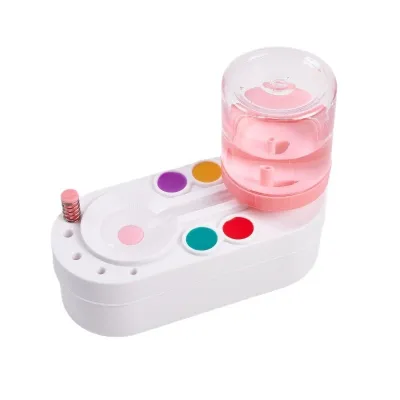
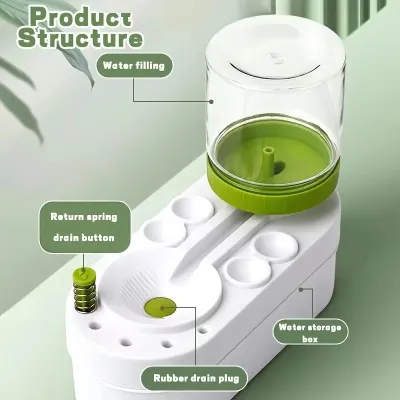
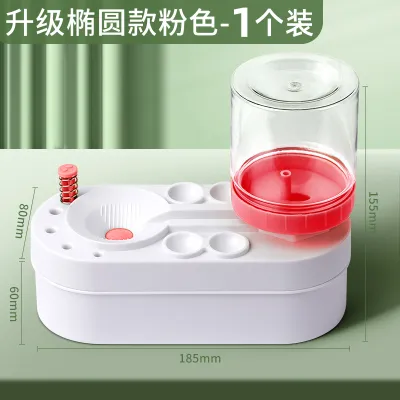
Products mentioned in this guide

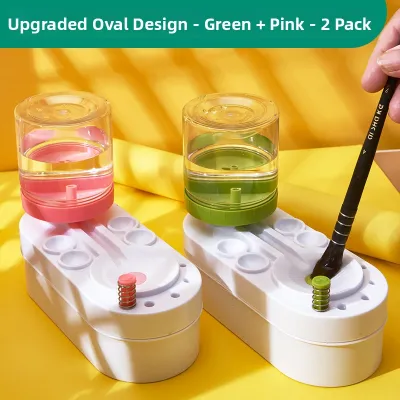
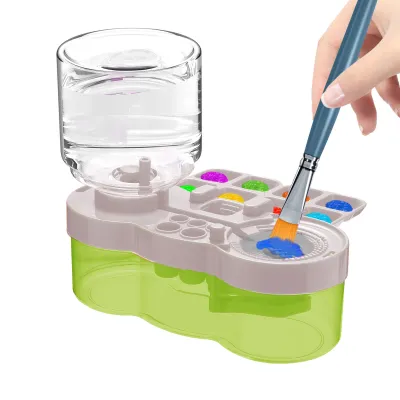
Prices are valid at publication and may change. Please refer to the product page for the latest price.
Acrylic paint uses an acrylic polymer emulsion as its binder. When wet, this emulsion is completely water-soluble, making daily cleanup relatively simple. However, as the water evaporates, the acrylic polymer molecules cross-link to form a flexible, waterproof plastic film. Once fully cured, this plastic film resists standard soap and water. Rescuing a brush with dried acrylic paint requires specialized solvents, such as glycol ethers or specific alcohols, which penetrate the plastic matrix and soften the polymer bonds without melting the synthetic fibers of the brush.
Watercolor paint utilizes gum arabic, a natural water-soluble binder derived from the sap of the acacia tree. Because gum arabic remains soluble in water indefinitely, watercolor brushes do not face the risk of permanent hardening associated with oils and acrylics. However, highly concentrated or staining pigments can migrate deep into the microscopic cuticles of natural hair brushes, causing stubborn discoloration and stiffness. Cleaning these delicate brushes requires mild, lipid-rich soaps that lift pigment particles while replenishing the natural oils of the hair fibers.
Before purchasing a paintbrush cleaner, you must evaluate several key selection criteria. First, identify the ingredient base: solvent-based cleaners are highly effective for heavy pigment removal but carry higher toxicity risks, while surfactant-based natural soaps are safer and offer conditioning benefits. Second, consider odor and ventilation requirements; this is particularly important in Singapore’s humid climate, where closed, air-conditioned home studios can easily trap volatile organic compounds (VOCs). Finally, verify bristle compatibility, as natural animal hairs are highly sensitive to strong solvents, whereas synthetic fibers can melt if exposed to aggressive chemical strippers.
While some manufacturers market “multi-purpose” brush cleaners, these products almost always involve chemical compromises. A cleaner formulated to strip stubborn, cured acrylic polymers is often far too harsh for delicate natural watercolor brushes, stripping away the natural oils and leaving the hairs brittle and prone to snapping. Conversely, a mild watercolor soap will struggle to lift heavy, drying oils from a thick oil-painting brush. Using dedicated cleaners tailored to your specific medium is always the safest path to maximizing brush longevity.
Recommended Paintbrush Cleaner Types and Classic Brands for Oil Paints
Cleaning oil paint presents a unique challenge: you must thoroughly remove thick, viscous drying oils from the core of the brush without stripping the natural oils from hog bristle or sable hairs. If these natural oils are lost, the bristles become dry, split at the ends, and lose their ability to hold and spring back during paint application. Additionally, managing the toxic fumes associated with traditional oil solvents is a major health and safety concern for artists working in residential spaces.

Professional Brush Soaps and Pastes
Solid cake soaps and conditioning pastes are the gold standard for the final cleaning and preservation of oil brushes. The industry benchmark is The Masters Brush Cleaner & Preserver, a solid, non-toxic cake soap that is activated with water. It contains gentle surfactants that emulsify oil paint residues, lifting them from the deep heel of the brush near the ferrule. Because it contains conditioning agents, you can leave a clean lather of the soap on the damp bristles, shape them into a fine point or sharp edge, and let them dry; the soap acts as a sizing agent that keeps the bristles perfectly shaped until your next painting session.
Another excellent option is Escoda Natural Brush Soap, which is formulated with pure olive oil. This soap is exceptionally gentle on premium animal-hair brushes, replenishing the natural lipids of the hair fibers to prevent brittleness. For artists who prefer liquid alternatives, Speedball Pink Soap offers a liquid surfactant-based cleaner that cleans, conditions, and preserves brushes without the use of harsh chemical solvents.
Low-Odor and Citrus-Based Solvent Alternatives
For the initial rinse during a painting session, artists traditionally relied on turpentine or mineral spirits to quickly strip paint from the bristles. However, these traditional solvents release high levels of hazardous VOCs. Modern, highly refined alternatives like Gamblin Gamsol or Mona Lisa Odorless Mineral Spirits have had their aromatic compounds removed, significantly reducing inhalation risks. While they are far safer than industrial paint thinners, they are still petroleum-based solvents that require proper handling.
For an eco-friendly, non-hazardous solvent alternative, citrus-based cleaners such as Chelsea Classical Studio Lavender Spike Oil Essence or citrus terpene-based solvents are highly recommended. These natural solvents use the power of citrus oils to dissolve wet oil paint efficiently. They provide a pleasant aroma and are biodegradable, making them an excellent choice for home studios where ventilation is limited.
Limitations and Verification
When purchasing these products in Singapore, verify their availability at local art specialty stores, such as Art Friend or Overjoyed, or through authorized online marketplaces. It is crucial to remember that “odorless” solvents are not vapor-free; they still release chemical fumes that can accumulate in enclosed spaces. Always check the safety label on your solvent container, ensure your workspace has a steady cross-breeze, and never store solvent-soaked rags in open containers due to the risk of spontaneous combustion.
Recommended Paintbrush Cleaner Types and Classic Brands for Acrylics
Because acrylic paint dries rapidly through water evaporation, artists face a constant battle against paint curing inside the brush. Once the acrylic polymer cross-links, it forms a tough plastic barrier. If paint is allowed to dry near the ferrule, it wedges the bristles apart, permanently destroying the brush’s shape and preventing it from holding a clean edge. Cleaning acrylic brushes requires a two-pronged approach: mild, daily maintenance for wet paint, and specialized solvent-based rescue cleaners for dried accidents.
Dedicated Acrylic Brush Cleaners
When acrylic paint has accidentally dried on your brushes, standard soap and water will not suffice. You need a dedicated chemical cleaner formulated to break down cured acrylic polymers. Winsor & Newton Acrylic Mediums Brush Cleaner is a highly effective, water-miscible solvent designed specifically to target cured acrylic films. It penetrates the hardened plastic, softening it into a water-soluble gel that can be gently combed out of the bristles without damaging the synthetic fibers.
Another reliable option is Liquitex Professional Acrylic Brush Cleaner. This liquid cleaner is formulated to dissolve dried acrylic paint from both synthetic and natural brushes. It is particularly useful for restoring old, stiff brushes that would otherwise be thrown away, breaking down the stubborn acrylic binder while remaining gentle enough to preserve the integrity of the brush fibers.
Deep-Cleaning Brush Soaps
For daily cleaning when the acrylic paint is still wet, harsh solvents are unnecessary and should be avoided to prevent chemical exposure. A solid brush soap like The Masters Brush Cleaner & Preserver works exceptionally well for wet acrylics. Swirling the wet brush directly on the soap cake with lukewarm water creates a rich lather that lifts wet pigment and polymer particles from the core of the brush before they can cure.
Using a textured silicone cleaning mat alongside your brush soap can greatly improve daily cleaning efficiency. Gently rubbing the soapy bristles across the raised patterns of the mat helps dislodge wet acrylic paint from the center of the brush head, ensuring no residual binder remains to harden overnight.
Limitations and Verification
While dedicated acrylic cleaners are highly effective, they contain strong solvents that can damage delicate natural hair brushes if left to soak for too long. They can also dissolve the adhesives holding the bristles inside the metal ferrule, leading to severe shedding. Always read the manufacturer’s instructions on the product label to verify the maximum safe soaking time. Under no circumstances should these strong chemical solvents be used to clean paint off your skin; instead, use mild cosmetic oils or soap and water.
Recommended Paintbrush Cleaner Types and Classic Brands for Watercolors
Watercolor brushes are precision instruments designed to hold a large volume of water and release it with absolute control. Because watercolorists frequently use premium, fragile natural hairs—such as Kolinsky sable, squirrel, or goat hair—their cleaning routine must focus on extreme gentleness. While watercolor is highly water-soluble, stubborn staining pigments can cling to the hair cuticles, and improper cleaning can quickly strip the natural oils that give these expensive brushes their characteristic spring and point.
Conditioning Brush Soaps
To clean and preserve delicate watercolor brushes, you should use mild, conditioning soaps that lift pigment while restoring the hair’s natural moisture. Da Vinci Artist Brush Soap, which is formulated with natural vegetable oils such as palm and coconut oil, is highly recommended. This soap is specifically designed to clean natural animal hair gently, ensuring the bristles remain soft, elastic, and capable of holding a perfect point.
The Masters Brush Cleaner & Preserver is also highly effective for watercolor brushes. Its conditioning properties act as a leave-in treatment. After washing, leaving a tiny amount of the clean soap lather in the brush tip helps reshape the delicate hairs and protects them from dust and physical damage while stored in your studio.
Mild Liquid Brush Cleaners
For quick rinses between painting sessions, mild liquid brush cleaners can be highly convenient. However, you must carefully verify the ingredient list of any liquid cleaner before applying it to natural hair brushes. Ensure the product is completely free from alcohol, ammonia, or strong alkaline builders, as these harsh chemicals will quickly dry out the natural hair cuticles, causing the bristles to become frizzy, split, and shed prematurely.
Limitations and Verification
It is highly recommended to avoid using household dishwashing liquids on your watercolor brushes. Dish soaps are chemically formulated to aggressively strip heavy grease and oils from kitchenware. When applied to natural hair brushes, they strip away the essential natural lipids, leaving the hair dry, brittle, and unable to hold a sharp point. Stick to artist-grade soaps designed specifically for fine art brushes to protect your investment.
Safety Boundaries and Post-Cleaning Brush Care
Regardless of the medium you paint with, practicing safe handling of chemical cleaners and establishing a proper post-wash drying routine are essential for your health and the lifespan of your creative tools.
Safety Boundaries
Even paintbrush cleaners marketed as “natural,” “citrus-based,” or “odorless” require sensible safety precautions. Always work in a well-ventilated space, especially in warm, humid climates where indoor air conditioning can trap chemical vapors. Avoid prolonged skin contact with solvent-based cleaners to prevent contact dermatitis, and consider wearing chemical-resistant gloves during deep-cleaning sessions.
Keep all solvent-based products, including used cleaning jars and soaked rags, sealed tightly and stored away from direct heat sources, open flames, and children. If you encounter a conflict between the instructions on a cleaner’s label and your brush manufacturer’s care guide—such as a solvent warning against use on synthetic fibers—stop immediately and consult the manufacturer for clarification.
Post-Cleaning Care
Once your brushes are thoroughly clean, proper drying is critical to preventing structural damage. Follow this step-by-step routine to ensure your brushes dry correctly:
- Squeeze: Gently squeeze excess water from the bristles using a clean, lint-free microfiber cloth or paper towel. Never pull or yank on the bristles.
- Reshape: Use your fingers or a breathable mesh brush guard to gently shape the damp bristles back into their original form (e.g., a sharp point for rounds, or a crisp edge for flats).
- Position: Lay the brushes completely flat on a horizontal towel, or hang them bristle-down using a specialized brush hanger or elastic bands suspended from a rack.
- Avoid Vertical Drying: Never dry your brushes standing upright in a cup or jar. Gravity will cause water to run down the bristles and pool inside the metal ferrule. This water dissolves the glue holding the bristles, causing heavy shedding, and can rot the wooden handle, leading to cracked paint and mold.
Replacement Signals
It is important to recognize when a brush has reached the end of its useful life. If the bristles have become permanently splayed, if the brush sheds fibers continuously onto your artwork, or if the metal ferrule has become loose and wobbly, chemical cleaners cannot reverse the physical damage. At this stage, attempting to repair the brush is no longer practical, and it is time to replace it with a new tool.
Frequently Asked Questions (FAQ)
Can I use dish soap or shampoo to clean my paintbrushes?
Household dish soap is formulated to aggressively strip heavy grease, which quickly destroys the natural oils in delicate animal-hair brushes, leaving them dry, brittle, and prone to breaking. Hair shampoo is milder, but it often contains silicones, heavy conditioning agents, or artificial fragrances that leave a slippery residue on the bristles. This residue can interfere with paint flow, water absorption, and paint adhesion during your next painting session. To protect your tools, always use a dedicated artist brush soap instead of household alternatives.
How do I save a paintbrush with completely dried acrylic paint?
To rescue a brush with dried acrylic, submerge only the bristles in a dedicated acrylic brush cleaner, such as Winsor & Newton Brush Cleaner, following the product label’s instructions. Allow the solvent to penetrate and soften the cured polymer matrix. Once the plastic film has softened into a gel-like consistency, gently comb through the bristles using a specialized metal brush comb or an old toothbrush to dislodge the paint. Avoid getting the solvent deep into the ferrule. If the acrylic paint has cured deep inside the ferrule for several months, the polymer bond may be permanent, and attempting to force the bristles apart will likely break them, meaning the brush cannot be saved.

Community discussion
Share your experience or ask a question. Comments are reviewed before publication.