
Finding the perfect way to express gratitude on Teacher’s Day often begins with a meaningful card. While a physical gift is a thoughtful gesture, educators frequently share that handwritten messages of appreciation are what they cherish most and preserve for years. To ensure your words of gratitude remain beautiful over time, selecting a card made from high-quality materials is essential. A premium card not only conveys deep respect but also withstands the test of time, remaining pristine even when stored in a keepsake box or displayed on a classroom desk.
Choosing the right card involves understanding the physical properties of paper, the behavior of different inks, and the design elements that elevate a simple message into a lasting keepsake. In Singapore’s unique climate, factors like ambient humidity can quickly affect lower-quality paper products, making material selection even more critical. By focusing on structural integrity, print clarity, and writing compatibility, you can find or create a card that perfectly honors the dedication of your teachers.
What Makes a High-Quality Teacher's Day Card?
To identify a premium greeting card, you must first evaluate its physical structure, starting with paper weight and stiffness. A high-quality card must be sturdy enough to stand upright on a desk without bowing, sagging, or warping over time. This structural integrity is determined by the thickness and density of the cardstock. When a card is displayed in a classroom, it is subjected to air conditioning and ambient humidity; cheap, thin paper will quickly absorb moisture from the air, causing the corners to curl and the fold to lose its crispness. Handling the card in person allows you to test its resistance to bending, ensuring it feels substantial and premium in hand.
Products mentioned in this guide
![[MIN 3 CARDS] 🇸🇬SG Punny Teacher Appreciation Card Special Editions for Graduation Greeting Thank You Heartfelt Support Message Card](https://img.lazcdn.com/g/ff/kf/S46b8562713de4564b8cea4c9945a655fF.jpg_400x400q80.jpg_.webp)
Prices are valid at publication and may change. Please refer to the product page for the latest price.
Print quality is another critical indicator of craftsmanship. High-quality cards feature sharp typography, precise color registration, and vibrant, consistent ink coverage. Inspect the card closely for any signs of printing defects, such as fuzzy text edges, color bleeding, or alignment errors where different ink layers do not match up perfectly. The exterior finish should be uniform, with no unwanted smudging, scuffing, or fingerprint marks. Premium printing techniques, such as offset lithography or high-resolution digital printing, ensure that the artwork looks professional and polished from every angle.
An often-overlooked component of a greeting card is the accompanying envelope. The envelope serves as the first touchpoint and should match the premium feel of the card itself. A high-quality envelope is made from thick, opaque paper that prevents the card’s design and written message from showing through. It should feature clean, precise folds and a reliable adhesive seal that remains secure without peeling open prematurely. When the envelope and card are perfectly matched in weight, texture, and color, the entire presentation feels cohesive and carefully considered.
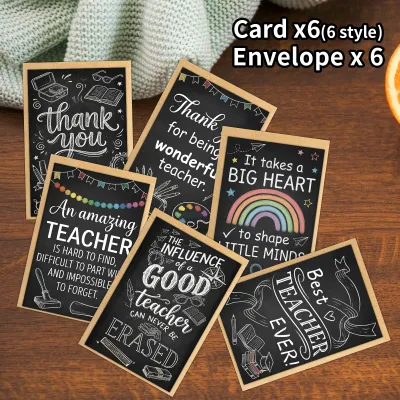
Finally, the design relevance and aesthetic appeal of the card play a major role in conveying respect. The visual elements—including typography, color palette, and illustrations—should align with the professional and respectful nature of the teacher-student relationship. Elegant, minimalist layouts, thoughtful literary quotes, or clean modern illustrations are generally preferred over overly generic, mass-produced graphics that lack character. A well-designed card respects the recipient’s role, offering a sophisticated canvas for your personal message rather than relying on loud, distracting gimmicks.
Where to Find Reliable Greeting Card Brands in Singapore
When searching for the ideal Teacher’s Day card, understanding where to shop can save time and ensure you find a product that matches your expectations. Singapore offers several distinct retail channels, each catering to different preferences, budgets, and timelines. Knowing the strengths and limitations of each channel helps you make an informed decision based on whether you prioritize unique artistry, convenience, or customization.

Independent local stationery boutiques are excellent sources for unique, artisanal designs. These shops often collaborate with local illustrators or import premium stationery brands from countries renowned for paper craftsmanship, such as Japan, Italy, and the United States. The cards found here frequently feature specialized printing techniques like letterpress, foil stamping, or risograph printing on high-grade, sustainable paper. While these boutique options carry a higher price point and are typically sold in limited quantities, they offer unmatched distinctiveness and a highly tactile, premium feel that stands out.
For convenience and bulk purchases, major bookstore chains and department stores across Singapore provide a reliable and accessible option. These retail outlets stock a wide variety of traditional greeting cards from established international and regional brands. They are ideal when you need to purchase multiple cards for different teachers in a single trip. The selection generally covers a broad range of classic themes and sentiments. However, because these cards are mass-produced, they may lack unique design elements, and you are more likely to find repetitive layouts or generic messages.
Online marketplaces and print-on-demand services offer a modern alternative, providing unparalleled variety and the ability to customize designs. These platforms allow you to filter cards by specific themes, sizes, and paper types, or even upload your own artwork and personalized text. This channel is highly convenient for direct shipping and bulk ordering. The primary limitation is the inability to physically inspect the paper weight, texture, and print quality before purchasing. To mitigate this, it is crucial to read customer reviews carefully, check seller ratings, and verify the detailed material specifications provided in the product descriptions.
| Channel Type | Ideal Use Case | Expected Price Range (S$) | Key Limitations |
|---|---|---|---|
| Independent Boutiques | Unique, artistic, and premium keepsake cards | S$6.00 to S$12.00 per card | Higher cost, limited retail locations, and smaller stock quantities |
| Major Bookstores | Convenient, traditional, and bulk purchases | S$2.50 to S$6.00 per card | Standardized designs, less personalization, and common layouts |
| Online Marketplaces | Custom designs, personalized text, and bulk ordering | S$1.50 to S$8.00 per card | Cannot inspect physical paper quality beforehand; shipping delays |
Paper and Ink Specifications to Check Before Buying
To ensure your handwritten message looks flawless, you must understand the technical specifications of the cardstock. The most reliable measure of paper density and sturdiness is GSM, or grams per square meter. For a greeting card to feel premium and stand upright without support, it should ideally have a weight between 250 GSM and 350 GSM. Anything below 200 GSM behaves more like heavy writing paper than true cardstock, making it prone to bending and creasing. The envelope should also feature a respectable weight, ideally between 100 GSM and 120 GSM, to protect the card during transit and handling.
The texture of the paper surface significantly influences both the tactile experience and the legibility of your handwriting. Textured papers, such as linen, laid, or felt-marked cardstock, offer a classic, sophisticated feel that immediately signals high quality. However, these textured ridges can cause slight friction or skipping when writing, particularly with fine-tip pens. Smooth finishes, such as matte uncoated or satin-coated paper, provide a level, uniform surface that allows pens to glide effortlessly. This ensures clean, unbroken lines and consistent ink distribution, making smooth finishes highly practical for long, detailed messages.
Ink compatibility is a critical factor that depends entirely on the interaction between your writing instrument and the paper’s surface treatment. Coated or glossy papers have a non-porous surface seal that resists liquid absorption. While this makes printed colors look incredibly vibrant, it prevents handwritten inks—especially from gel pens, rollerballs, and fountain pens—from drying quickly, leading to severe smudging. Uncoated cardstock is highly recommended for handwritten cards because it absorbs ink rapidly, minimizing drying times. If you plan to write with a fountain pen, look for paper specifically rated as fountain-pen friendly to prevent feathering, where the ink spreads along the paper fibers, and ghosting, where the ink seeps through to the other side.
Before purchasing, always check the interior layout of the card. Some cards feature pre-printed sentiments on the inside, which can limit the space available for your own words. If you prefer to write a long, deeply personal message, look for cards that are completely blank on the inside. Additionally, ensure that the interior surface of the card is uncoated, even if the exterior has a glossy or foiled finish. Writing on a glossy interior is exceptionally difficult, as the ink will bead up, smear, and fail to adhere permanently to the paper.
When to Choose Custom or DIY Card Alternatives
While commercial greeting cards offer convenience, there are times when a custom or do-it-yourself (DIY) approach is far more appropriate. If you want to convey a highly specific sentiment, showcase a student’s personal artwork, or create a truly unique keepsake, crafting a custom card is an excellent alternative. This approach allows you to control every aspect of the design, from the exact paper stock to the decorative embellishments, ensuring the final product is completely personalized.
Creating a DIY card begins with sourcing high-quality raw materials. You can purchase premium blank cardstock and matching envelopes from dedicated art supply stores, particularly those located in historic creative hubs like Bras Basah. Buying blank cardstock allows you to select specialized papers, such as heavy watercolor paper, cotton rag, or colored cardstock, that are rarely used in mass-produced commercial cards. This provides a superior foundation for handwriting, calligraphy, sketching, or painting, ensuring your custom creation feels incredibly premium to the touch.
For those who prefer a digital design process, local printing services can turn custom digital illustrations, photographs, or graphic layouts into professional-grade cards. Many modern print shops offer short-run digital printing, allowing you to print just a few copies of your custom design at a reasonable cost. To elevate your digital design, you can opt for professional finishing services such as gold or silver foil stamping, embossing, or custom die-cutting. These techniques add a tactile, luxurious dimension to your custom card that rivals or exceeds the quality of high-end retail brands.
To elevate a basic card, you can incorporate simple structural enhancements and decorative details. Layering different colored papers creates a pleasing three-dimensional border around your message or artwork. Applying a classic wax seal to the back of the envelope adds an elegant, old-world touch of sophistication; however, ensure safe handling practices when working with hot wax and open flames. You can also incorporate organic elements, such as carefully pressed and dried local flowers, secured flat against the card surface with a thin layer of clear-drying adhesive to prevent them from shedding.
Regardless of the DIY method you choose, planning adequate lead time is essential. In Singapore’s warm and humid climate, liquid adhesives, calligraphy inks, and paints require significantly more time to dry and cure completely. Rushing the assembly process can lead to warped paper, smudged ink, or sticky residues that ruin the card’s presentation. Additionally, custom digital printing services typically require several business days for file verification, printing, and delivery. To avoid rushed results, begin sourcing materials, designing, and crafting your custom cards at least two to three weeks before Teacher’s Day.
Frequently Asked Questions (FAQ)
Is it better to give a handmade card or a store-bought one for Teacher's Day?
Both options carry distinct advantages, and the best choice depends on the student’s age and the desired presentation. Handmade cards possess immense sentimental value, showcasing the student’s personal effort, time, and creativity, which teachers deeply appreciate. On the other hand, high-quality store-bought cards offer a polished, professional finish with elegant typography and premium printing techniques that are difficult to replicate at home. For the ideal balance, consider a hybrid approach: purchase a premium, blank-interior card made from high-GSM cardstock, and dedicate the inside to a highly personalized, beautifully written message or a small hand-drawn illustration.
How much should I spend on a Teacher's Day greeting card?
The true value of a Teacher’s Day card lies in the sincerity and thoughtfulness of the handwritten message rather than its financial cost. Standard commercial cards in Singapore typically range from S$2.50 to S$6.00, offering a great balance of quality and affordability. Premium, artisanal, or imported cards from specialty boutiques generally cost between S$6.00 and S$12.00, which is appropriate for a standout, keepsake-quality gesture. If you are on a budget, sourcing high-quality blank cardstock to create a DIY card is a highly cost-effective option, often costing less than S$1.50 per card while delivering maximum personal impact.

Community discussion
Share your experience or ask a question. Comments are reviewed before publication.