
Selecting a greeting card for Teacher’s Day is a time-honored tradition in Singapore, serving as a tangible expression of gratitude for the educators who shape young minds. While a simple note is always appreciated, a well-crafted card from a reputable brand elevates the gesture, transforming a brief message into a lasting keepsake. With numerous local and international stationery brands available, finding the right balance of paper quality, design aesthetic, and writing compatibility requires a structured approach. This guide outlines the essential criteria for evaluating greeting card brands in Singapore, helping you select a card that conveys your appreciation with elegance and durability.
To make an informed decision, you must look beyond the cover illustration and evaluate the physical construction, design appropriateness, and sourcing options available in the local market. By understanding what distinguishes a premium card from a generic alternative, you can ensure your gesture stands out and endures as a cherished memento on your teacher’s desk.
What Defines a Quality Teacher's Day Greeting Card
The physical quality of a greeting card is the first thing a recipient notices. A premium card should feel substantial in the hand, signaling that time and care went into its selection. The foundation of this tactile experience is paper weight, measured in grams per square meter (GSM). Standard greeting cards should ideally range between 250 GSM and 350 GSM. Cardstock within this range provides a rigid, satisfying weight that allows the card to stand upright on a desk without bowing or folding under its own weight over time.
Products mentioned in this guide
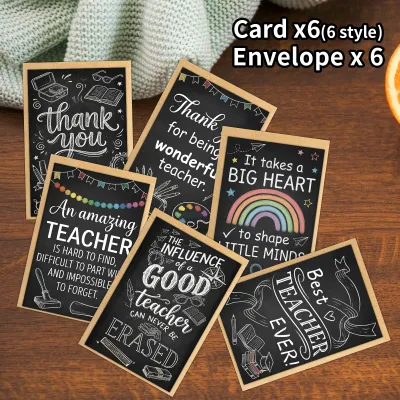
![[MIN 3 CARDS] 🇸🇬SG Punny Teacher Appreciation Card Special Editions for Graduation Greeting Thank You Heartfelt Support Message Card](https://img.lazcdn.com/g/ff/kf/S46b8562713de4564b8cea4c9945a655fF.jpg_400x400q80.jpg_.webp)
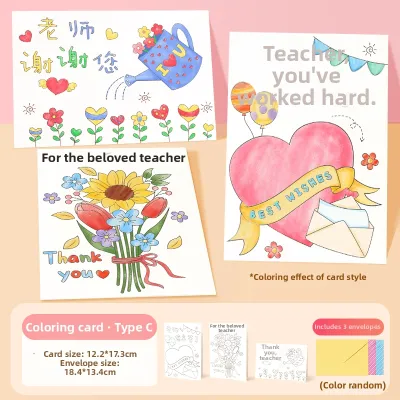
Prices are valid at publication and may change. Please refer to the product page for the latest price.
Beyond weight, the texture of the paper plays a critical role in both the card’s appearance and its writing performance. Common paper textures include smooth, matte, linen, and laid finishes. Smooth and matte finishes offer a clean, modern look, while linen and laid papers feature subtle raised patterns that add a classic, tactile dimension. When selecting a brand, consider how the paper texture interacts with writing instruments. Highly textured papers can sometimes cause fountain pen nibs to catch, whereas extremely glossy coatings can prevent ink from drying, leading to unsightly smudges.
Print quality and finishing techniques are equally important indicators of a brand’s craftsmanship. High-quality card brands utilize precise printing methods that deliver crisp text, vibrant colors, and accurate registration where different colors meet. Look for premium embellishments such as hot foil stamping, embossing, or debossing, which add depth and visual interest. The edges of the card should be cleanly cut without fraying, and the central fold must be pre-scored. Proper scoring ensures the card folds cleanly without cracking the paper fibers or disrupting the printed design along the spine.
The accompanying envelope is often overlooked but is vital for a complete presentation. A quality envelope should be constructed from paper weighing at least 100 GSM to 120 GSM, ensuring it is opaque enough to keep the contents private and sturdy enough to resist tearing during transit. Examine the gumming quality along the flap; high-quality brands use reliable, moisture-activated adhesives or peel-and-seal strips that secure the envelope firmly without warping the paper.
Evaluating Design Themes and Message Appropriateness
Design aesthetics should align with the teacher’s personality and the nature of the student-teacher relationship. Greeting card brands generally fall into two design categories: traditional and modern. Traditional designs often feature classic academic motifs such as apples, books, blackboards, and elegant calligraphy. These designs are universally safe and highly appropriate for formal relationships or senior educators. Modern designs, on the other hand, employ minimalist layouts, contemporary botanical illustrations, abstract patterns, or lighthearted, subject-specific humor. These are excellent for younger teachers or educators with whom the student shares a casual, friendly rapport.

Cultural sensitivity is another crucial factor within the diverse educational landscape of Singapore. Opt for brands that offer inclusive, respectful imagery and messaging. Avoid designs that rely on overly casual slang or highly specific cultural references unless you are certain they will be well-received. The language on the card should remain respectful, celebrating the universal values of guidance, patience, dedication, and mentorship.
One of the most critical practical features of any greeting card is the availability of blank space. While pre-printed sentiments provide a helpful starting point, the core value of a Teacher’s Day card lies in the personalized, handwritten message. Ensure the brand you choose leaves ample blank space—either on the left-hand inside page or as a generous border around a short printed message. Furthermore, verify that the interior paper is uncoated. Coated or glossy interiors are highly resistant to ink absorption, which can lead to severe smudging, particularly in Singapore’s humid climate where ink drying times are naturally extended.
Tailoring the card’s theme to the educator’s specific teaching level ensures the gesture feels personal and thoughtful. For early childhood and preschool educators, bright, cheerful colors and playful, hand-drawn illustrations are highly fitting. These cards often leave space for a young child to add a simple drawing or sign their name. For secondary school, junior college, or tertiary lecturers, more sophisticated designs featuring elegant typography, subtle color palettes, or inspiring literary quotes are highly appropriate, reflecting the mature nature of the academic relationship.
Sourcing Greeting Card Brands in Singapore
Finding high-quality greeting card brands in Singapore involves exploring a mix of physical retail spaces and dedicated online platforms. Physical stationery stores, major bookshops, and boutique gift shops located in central shopping districts offer the distinct advantage of hands-on quality checks. Visiting these brick-and-mortar locations allows you to physically feel the paper weight, inspect the print finishes, and test the structural integrity of the folds before committing to a purchase.
For those seeking unique, independent, or locally designed cards, brand official websites and local artisan markets are invaluable resources. Many independent Singaporean designers showcase their work at seasonal pop-up markets, creative hubs, or through their own online storefronts. These platforms often feature highly creative, small-batch designs that you will not find in major retail chains, allowing you to present a truly distinctive card that stands out from standard commercial options.
When sourcing cards online, it is essential to verify authorized retailers to ensure product authenticity and consistent stock availability. Purchasing directly from a brand’s official website or its designated local distributors guarantees that you receive genuine products printed on the specified paper stock. Avoid purchasing from unverified third-party sellers on general online marketplaces, as these listings may feature low-quality, unauthorized digital reprints on flimsy paper that fail to meet the standards of a premium gift.
Building Your Shortlist: A Step-by-Step Selection Framework
To streamline your purchasing process, establish a clear selection framework based on your logistical needs, budget, and values. Begin by defining your budget per card. Individual premium cards in Singapore typically range from S$5 to S$12, depending on the complexity of the design and the printing techniques used. If you are purchasing cards for multiple teachers, or coordinating a bulk gift on behalf of an entire class, look for brands that offer multi-pack assortments or bulk purchasing discounts, which can significantly reduce the cost per unit while maintaining a high standard of quality.
Next, consider the logistical aspects of your purchase, particularly delivery lead times and shipping costs. If you are ordering online, ensure you place your order well in advance of Teacher’s Day to account for local shipping times, which typically range from 2 to 5 business days. For last-minute purchases, prioritize brands that offer reliable in-store pickup options at physical outlets across Singapore, allowing you to secure your cards quickly without relying on postal services.
Environmental sustainability is increasingly important to many schools and educators. If this aligns with your school’s values, look for brands that prioritize eco-friendly production methods. Many premium stationery brands now use Forest Stewardship Council (FSC) certified paper, recycled cardstock, and biodegradable packaging. Some innovative brands even offer plantable seed cards, which are embedded with wildflower or herb seeds, allowing the teacher to plant the card after reading it, leaving a living tribute to their growth and guidance.
To help organize your search, use the following evaluation checklist when comparing different card brands:
| Evaluation Criteria | Standard Requirement | Verification Method |
|---|---|---|
| Paper Weight | 250 GSM to 350 GSM | Feel the thickness and rigidity of the cardstock |
| Interior Finish | Uncoated, matte surface | Run a finger over the inside page to ensure it is not glossy |
| Fold Quality | Pre-scored, clean crease | Inspect the spine for any cracking or misalignment |
| Envelope Quality | 100 GSM to 120 GSM | Check for opacity and sturdy seams |
| Sustainability | FSC-certified or recycled | Look for eco-labels or product specifications on the packaging |
Complementing the Card with a Teacher Day Gift
A greeting card is rarely presented in isolation; it is typically paired with a physical teacher day gift. To create a cohesive and polished presentation, ensure the card’s design, size, and format coordinate beautifully with the accompanying gift. Start by matching the card’s dimensions to the scale of the gift. A standard A6 card (105mm x 148mm) or a small square card pairs naturally with compact items such as a premium pen, a notebook, or a small box of chocolates. Larger cards, such as A5 sizes, are better suited for substantial gift hampers or class-coordinated gift baskets, ensuring the card is not visually overwhelmed by the package.
Visual balance is key to a successful presentation. If your physical gift features elaborate, colorful wrapping or a highly patterned gift bag, complement it with a clean, minimalist card design to avoid visual clutter. Conversely, if your gift is packaged in a simple, rustic kraft paper box, an ornate card featuring vibrant colors or metallic foil accents can serve as the primary visual highlight of the presentation. Coordinating the color of the envelope with an accent color in the gift wrapping is a simple yet highly effective way to tie the entire presentation together.
Finally, pay close attention to how the card is attached to the gift. Avoid using standard adhesive tape directly on the card or envelope, as this can tear the paper fibers when the recipient attempts to open it. Instead, utilize elegant and non-damaging attachment methods. Threading a high-quality satin ribbon or natural jute twine through a neatly punched hole in the corner of the envelope allows you to tie the card securely to a gift bag handle or box lid. Alternatively, double-sided acid-free adhesive dots or decorative washi tape can secure the card in place firmly while allowing the teacher to remove it easily without causing any damage to the keepsake.
Before writing your final message, it is highly recommended to perform a quick ink compatibility test. Using your preferred pen, write a few test characters on a hidden area, such as the inner flap of the envelope or a small corner of the card’s interior. Observe how quickly the ink dries and check for any signs of feathering or bleeding through to the other side. This simple check ensures your handwritten note remains clean, legible, and free of smudges, preserving the professional and thoughtful presentation of your gift.
Frequently Asked Questions (FAQ)
How far in advance should I order custom or bulk Teacher's Day cards?
For standard retail purchases from local physical stores or online shops with ready stock, purchasing 1 to 2 weeks in advance is generally sufficient. However, if you are planning custom printing, personalized messages, or bulk orders for an entire school department, you should initiate the process 3 to 4 weeks ahead of time. This timeline accounts for design proofing, printing production, and potential shipping delays, ensuring your cards arrive well before the school celebrations begin.
Are digital greeting cards a suitable alternative to physical ones for teachers?
While digital greeting cards offer convenience, instant delivery, and environmental benefits, they generally lack the personal warmth and tactile value of a physical card. Teachers often treasure physical cards as tangible keepsakes, displaying them on their desks or storing them in memory boxes for years. A physical, handwritten card demonstrates a higher level of effort and personal investment, making it the preferred choice for expressing sincere appreciation. Digital cards are best reserved for situations where physical delivery is logistically impossible, such as remote learning environments or international distance learning.
Community discussion
Share your experience or ask a question. Comments are reviewed before publication.