
Preparing your child for their transition to Primary 1 in Singapore is an exciting milestone, but it often comes with a bewildering array of preparation checklists. Among the most critical tasks is assembling a practical, functional stationery kit that complies with school guidelines while supporting your child’s daily learning. Many parents make the mistake of overbuying, filling school bags with heavy, complex, or distracting items that ultimately remain unused or get confiscated by teachers. The goal is to build a lean, high-quality kit that fits comfortably on a small classroom desk and empowers your child to work independently.
In Singapore primary schools, classroom environments are highly structured, and desk space is at a premium. Students typically share double desks or sit at individual desks with limited surface area, meaning a cluttered pencil case can easily lead to items rolling onto the floor and disrupting the lesson. Furthermore, schools maintain strict rules regarding the types of stationery allowed in the classroom. Highly decorated, toy-like erasers, noisy mechanical pencil boxes, and multi-color pens with clicking mechanisms are frequently discouraged because they distract both the user and neighboring classmates. By focusing on simple, ergonomic, and reliable tools, you help your child maintain focus during lessons.
When selecting stationery, it is helpful to divide your purchases into two distinct categories: the daily carry kit and the home-based art or craft supply stash. The daily carry kit should contain only the absolute essentials required for writing, erasing, and basic measuring. Specialized art supplies, such as heavy drawing blocks, oil pastels, and poster colors, are typically kept in the classroom art cupboard or stored at home until specifically requested by the teacher. This division keeps your child’s school bag light and prevents the loss of expensive art materials during the hectic school week.
Products mentioned in this guide
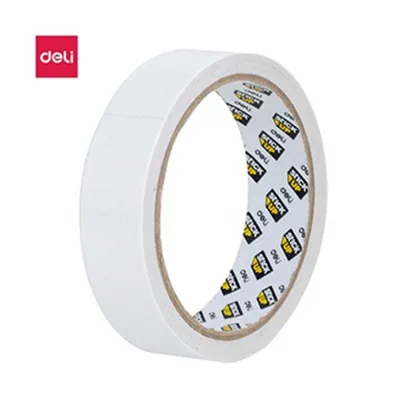
Prices are valid at publication and may change. Please refer to the product page for the latest price.
Ergonomic design and standard sizing are also crucial factors to consider for a child entering Primary 1. At seven years old, children are still developing their fine motor skills and hand-muscle endurance. Writing for extended periods can cause fatigue if the writing instruments are too thick, too thin, or poorly balanced. Choosing stationery designed specifically for early learners ensures that your child can focus on letter formation and spelling rather than struggling to grip their pencil or cut a straight line.
Selecting Deli Writing Tools for Developing Fine Motor Skills
The foundation of any Primary 1 stationery kit is the writing instrument, and selecting the right pencil can significantly influence your child’s handwriting development. Wooden 2B pencils are the universal standard recommended by Singapore primary schools. The 2B lead grade is soft enough to leave a dark, legible mark on standard school exercise books without requiring excessive downward pressure, which helps prevent hand fatigue. Additionally, 2B graphite is highly compatible with optical mark recognition (OMR) sheets used for standardized grading, ensuring that your child’s work can be scanned accurately.
When browsing Deli’s extensive range of pencils, prioritize triangular or hexagonal barrels over traditional round ones. A triangular shape naturally guides a child’s fingers into the correct tripod grip, placing the thumb, index finger, and middle finger in the optimal positions. This ergonomic design prevents the pencil from slipping and encourages proper hand posture from day one. It is also wise to purchase unsharpened pencils or use protective pencil caps for transit. Pre-sharpened tips are highly prone to snapping when jostled inside a school bag, leaving your child without a working tool at the start of the school day.
Erasers are another critical component where simplicity must triumph over novelty. While colorful, scented, or puzzle-shaped erasers are highly appealing to young children, they often smudge graphite rather than removing it, leaving messy black smears on worksheets. For Primary 1, look for Deli’s soft, non-smudging, and low-dust polymer erasers. These erasers are formulated to roll the erased residue into neat, single strands rather than fine powder, making desk cleanup quick and effortless. To verify the performance of an eraser before school starts, conduct a simple home trial: write a few words on a standard school exercise book, erase them firmly, and check if the paper fibers remain intact and free of dark smudges.
A reliable manual pencil sharpener completes the writing toolkit. The ideal sharpener for a Primary 1 student must be compact, manual, and equipped with an enclosed shavings receptacle. Open-blade sharpeners or those without a secure cover are a recipe for classroom messes, as graphite shavings can easily spill onto desks, clothes, and floor tiles. Ensure the lid of the shavings container snaps shut tightly so it does not accidentally burst open inside the pencil pouch. Teach your child how to hold the sharpener firmly and rotate the pencil smoothly, and establish a rule that the sharpener should only be emptied over a classroom rubbish bin during designated break times.
Sizing Up Deli Rulers, Scissors, and Adhesives for Small Desks
Measuring and crafting tools require careful sizing to ensure they are safe, practical, and easy to store within a limited desk area. A standard 15cm to 20cm transparent plastic ruler is the perfect length for a Primary 1 student. Avoid 30cm rulers, as they are too long to fit inside standard pencil pouches and often stick out of school bags, making them prone to snapping. A transparent ruler allows your child to see the text or grid lines underneath, which helps them align the ruler accurately on the page. Look for models with clear, bold centimeter and millimeter markings that are etched or printed with high-contrast ink so they do not wear off after a few weeks of use. Some Deli rulers also feature a wavy edge on one side, which is incredibly useful for underlining titles or creating neat borders in exercise books.

When it comes to scissors, safety and ergonomics must be your primary concerns. Choose blunt-tip, child-safe scissors with comfortable, non-slip plastic or rubber finger loops. The blades should be made of durable stainless steel that can easily cut through paper, construction paper, and thin cardboard, but the tips must be rounded to prevent accidental puncture injuries. If your child is left-handed, it is absolutely essential to purchase dedicated left-handed scissors, as using right-handed scissors upside down forces the child’s hand into an awkward position and obscures their line of sight along the cutting path. Always instruct your child on safe handling practices: scissors should always be carried closed, with the blades held securely in the palm of the hand and the loops facing outward.
Adhesives are frequently required for pasting worksheets, worksheets, and art cutouts into exercise books. For Primary 1 students, solid glue sticks are vastly superior to liquid glue. Liquid glue bottles are prone to leaking, clog easily, and often result in excessive application that wrinkles paper and sticks pages together. Furthermore, liquid glue requires a significant drying time, which can delay the flow of a fast-paced lesson. A standard 8g or 15g Deli solid glue stick is clean, applies smoothly, and dries almost instantly. Look for solvent-free, non-toxic formulas that wash out of clothing easily, as accidental spills on school uniforms are highly common. To verify the drying speed and adhesive strength, apply a small amount to a scrap piece of school paper, press it down, and observe how quickly it bonds without warping the paper.
Picking Distraction-Free Deli Pencil Pouches and Labels
The container that holds your child’s daily tools plays a significant role in maintaining classroom order. While hard plastic or metal pencil boxes with multiple spring-loaded compartments and buttons are popular, they are highly impractical for a primary school environment. When a metal box slips off a desk, the resulting crash can startle the entire classroom and disrupt the teacher’s explanation. Moreover, the mechanical hinges and buttons on these boxes are prone to breaking when dropped, rendering the entire container useless. Instead, opt for a soft, zippered fabric or silicone pencil pouch. These pouches are durable, absorb the impact of falls silently, and can be easily compressed to fit into tight spaces inside a school bag.
The capacity of the pencil pouch should be carefully managed to prevent unnecessary bulk and weight. A streamlined pouch should comfortably hold six to eight sharpened 2B pencils, one high-quality eraser, a compact sharpener, a 15cm ruler, a glue stick, and a pair of safety scissors. If the school requires self-marking, you may also need to include a single red pen. Avoid oversized pouches that encourage children to pack unnecessary items like colored markers, gel pens, or toys. A lean, organized pouch allows your child to locate the exact tool they need in a matter of seconds, minimizing downtime during transitions between subjects.
In a classroom of thirty or more students, identical stationery items are bound to get mixed up or misplaced. To prevent the frequent loss of your child’s Deli tools, a robust labeling system is essential. Use durable, waterproof name stickers printed with your child’s name and class, and apply them to every single item in the kit—including individual pencils, the ruler, the scissors, and the glue stick. For items with curved or textured surfaces where stickers might peel off, use a fine-tip black permanent marker to write your child’s initials directly onto the plastic or wood. This simple step not only saves money on replacements but also teaches your child to take responsibility for their personal belongings.
Building a Lean Back-to-School Kit Without Overbuying
Assembling a back-to-school kit does not mean you need to purchase a lifetime supply of stationery before the first day of school. A much more practical and budget-friendly approach is to start with a minimal daily carry set and maintain a small, organized replenishment stash at home. By keeping the daily carry lean, you reduce the weight of your child’s school bag and make it easier for them to keep track of their items. A good rule of thumb is to pack only what is needed for a single week of school, keeping the backup stock safely stored in a drawer at home.
When shopping on e-commerce platforms or at local bookstores, you will frequently encounter bulk deals and multi-packs of pencils, erasers, and glue sticks. While these deals often offer excellent value, evaluate them against your child’s actual consumption rates. For example, a pack of thirty pencils is highly practical because pencils are consumed continuously throughout the year as they are sharpened down. However, buying a dozen glue sticks at once may lead to waste, as the adhesive can dry out and lose its effectiveness over several months in Singapore’s warm climate, even if left unopened. Focus your bulk purchases on stable consumables like wooden pencils and high-quality erasers, and buy adhesives or scissors on an as-needed basis.
To ensure your child is always prepared for their lessons, establish a weekly routine to check, clean, and replenish their pencil pouch. Every Sunday evening, sit down with your child and open their pouch together. Sharpen any blunt pencils, wipe away graphite dust from the eraser, check that the glue stick cap is tightly secured, and replace any items that have run out or gone missing. This simple, five-minute routine not only ensures that your child starts the school week with a fully functional kit but also fosters essential organizational habits and a sense of personal responsibility that will benefit them throughout their academic journey.
Frequently Asked Questions (FAQ)
Are mechanical pencils allowed for Primary 1 students?
Most primary schools in Singapore strongly discourage or outright ban the use of mechanical pencils for Primary 1 students. At this developmental stage, children are still learning to regulate the amount of downward pressure they apply when writing. The thin leads of mechanical pencils, typically 0.5mm or 0.7mm, snap very easily under a heavy-handed grip, leading to constant interruptions as the child stops to click or refill the lead. Wooden 2B pencils are much more resilient, provide better tactile feedback to the hand, and help build the muscle control necessary for neat handwriting. Mechanical pencils are generally introduced in later primary grades once fine motor skills are fully established.
How can I remove stubborn sticker residue from Deli rulers or folders?
To remove sticky residue left behind by price tags or name labels without damaging your Deli stationery, start with the gentlest method. Dampen a soft microfiber cloth with warm, mild soapy water and rub the sticky area in a gentle circular motion. If the residue persists, apply a single drop of common cooking oil or eucalyptus oil to the spot and let it sit for two to three minutes to break down the adhesive. Wipe it away with a clean cloth, then wash the area with dishwashing soap to remove the oil. Always perform a quick spot test on an inconspicuous corner of the ruler or folder first to ensure the oil or soap does not cloud the transparent plastic or fade the printed measurement markings.

Community discussion
Share your experience or ask a question. Comments are reviewed before publication.