
Selecting the right painting tools involves balancing upfront costs against long-term performance and durability. While budget-friendly options offer an accessible entry point for beginners and casual crafters, premium painting tools are engineered to provide consistent paint delivery, superior shape retention, and structural integrity over extended use. Deciding where to invest your budget depends on your chosen medium, your painting frequency, and the level of precision your projects demand.
In Singapore’s humid tropical climate, material choices and maintenance routines take on added importance. High humidity can accelerate the degradation of wooden handles, weaken ferrule adhesives, and encourage mold growth on natural hair bristles if tools are not stored correctly. Understanding the physical differences between price tiers allows you to make informed purchasing decisions and protect your investment, whether you are working on a casual weekend craft or a detailed fine art canvas.
Identifying Your Project Requirements
Before purchasing any painting tools, assess the specific demands of your projects. Your painting frequency is the first major consideration. If you paint daily or weekly, the rapid wear on budget tools will quickly offset their lower initial cost. Conversely, if you only paint occasionally for seasonal home decor or school projects, budget-friendly multi-packs may provide sufficient utility without a significant financial commitment.
Products mentioned in this guide
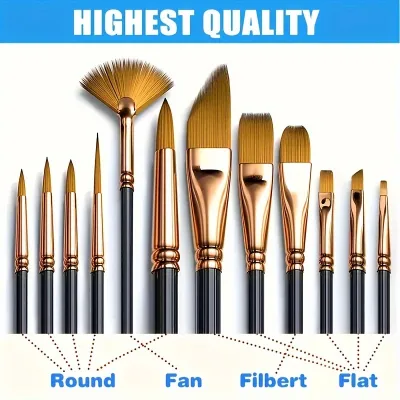
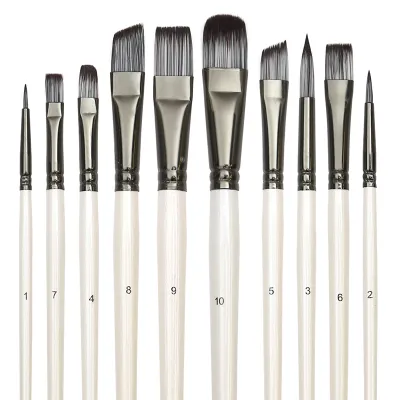
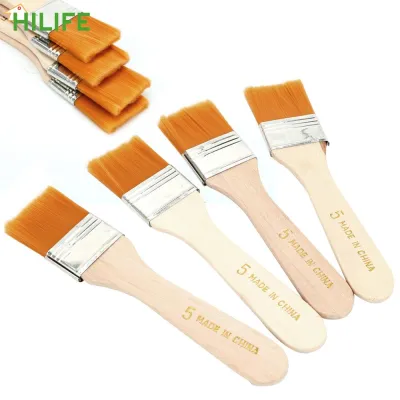
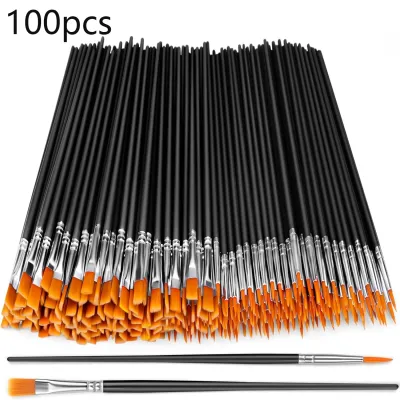
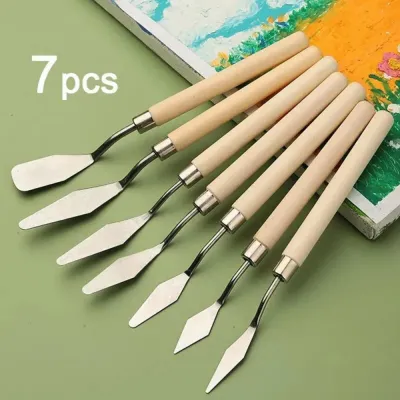
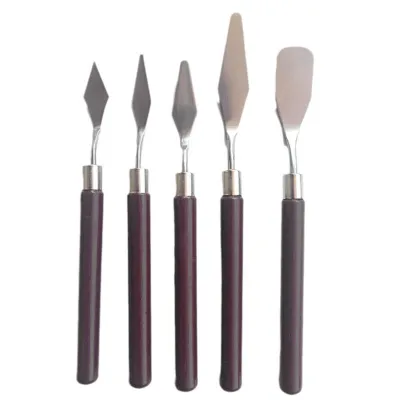
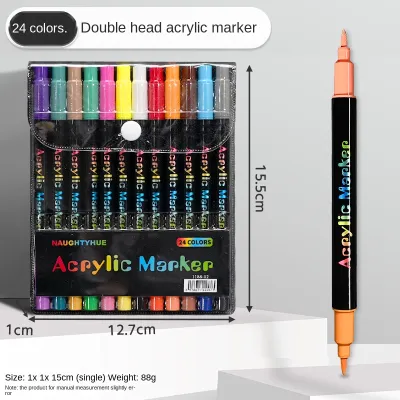
Prices are valid at publication and may change. Please refer to the product page for the latest price.
Different painting mediums place unique physical demands on your tools. Watercolor and gouache require brushes with high water-holding capacity and soft fibers that do not scratch the paper surface. Acrylic paints, which contain abrasive polymer binders, require resilient synthetic fibers that can withstand constant friction and frequent washing. Oil painting demands stiff, robust bristles—such as natural hog bristle or heavy-duty synthetic equivalents—capable of moving thick, viscous paint across textured surfaces.
Precision requirements and surface textures also dictate your tool selection. Fine detail work, such as botanical illustration, miniature painting, or precise lettering, requires a brush that holds a sharp point or a crisp edge under pressure. Rough surfaces like heavy-texture canvas, raw wood, or cold-press watercolor paper act like sandpaper, wearing down delicate brush tips rapidly. For these abrasive surfaces, durable utility brushes are often more practical than delicate, high-end detail brushes.
Inspecting Build Quality and Material Differences
Evaluating build quality before you buy helps you avoid tools that fail mid-project. The most critical component of any brush is the bristle head. Premium brushes typically feature carefully blended natural hairs (such as sable, squirrel, or hog) or high-grade synthetic filaments (like multi-diameter taklon) designed to mimic the tapered structure of natural hair. Budget brushes often use uniform, straight synthetic fibers that lack the ability to hold paint effectively, leading to pooling or sudden dumping of the medium.

To evaluate a brush in a local art shop, perform a gentle physical inspection:
- The Tug Test: Gently pinch the bristles near the ferrule and pull upward. Budget brushes often shed several loose hairs immediately due to poor gluing inside the ferrule, whereas premium brushes remain intact.
- The Spring Test: Press the dry bristles gently against your finger to bend them slightly, then release. A quality brush will snap back to its original shape instantly, while a low-grade brush may remain bent or splay outward.
- The Ferrule Check: Inspect the metal band securing the hair to the handle. Premium brushes use seamless ferrules made of nickel-plated brass, copper, or anodized aluminum, which resist rusting and do not bend easily. Budget brushes often feature seamed aluminum ferrules that can warp, loosen, or rust when exposed to water.
Handle construction and balance also vary significantly across price points. Premium brushes feature balanced, hardwood handles that are sealed with multiple layers of lacquer to prevent water penetration and wood swelling. Budget options often use plastic handles, which can feel unbalanced, or poorly sealed softwood handles that crack and peel after a few washes. A well-balanced handle reduces hand fatigue during long painting sessions, allowing for steadier control.
Observing Performance and Durability During Use
During application, the performance differences between premium and budget tools become highly visible. Paint loading capacity—the amount of paint a brush can hold and release evenly—is a key differentiator. A premium brush acts as a reservoir, allowing you to lay down long, continuous strokes without frequent reloading. Budget brushes often release paint unevenly, causing heavy pooling at the start of a stroke and dry streaking shortly after.
Stroke consistency and edge retention are vital for clean results. High-quality brushes maintain their shape throughout the entire stroke, allowing you to transition from a thick line to a fine point seamlessly. Low-cost brushes tend to split, splay, or lose their edge when pressure is applied, resulting in fuzzy lines and accidental paint smudges. This lack of control can be highly frustrating when working on intricate designs or sharp borders.
Durability over time is where premium tools justify their higher cost. With proper care, a high-end brush can maintain its shape, spring, and point for years. Budget brushes, however, degrade rapidly; synthetic fibers often develop curled, frizzy tips (known as “shrimping”) after only a few painting sessions. Once synthetic fibers curl or natural hairs break off, the brush loses its precision and must be demoted to rough base-coating or mixing duties.
Deciding Where to Allocate Your Budget
To optimize your spending, use a targeted allocation strategy rather than buying complete sets of a single tier. Investing in premium tools is highly recommended for your “workhorse” brushes—the specific sizes and shapes you use most frequently for detailed work. For example, spending S$15 to S$40 on a single high-quality round or detail brush is highly beneficial for watercolorists, as it directly impacts your ability to control washes and fine lines.
Conversely, budget tools are highly practical for specific, non-critical tasks. You can comfortably save money by purchasing budget-friendly flat brushes, foam brushes, or stencil sponges for broad background coverage, canvas priming (gesso application), and paint mixing. Using inexpensive brushes for mixing paint on your palette protects your premium brushes from the mechanical stress and paint buildup that occurs near the ferrule during mixing.
When working with mixed media, always verify tool compatibility before application. Solvents used in oil painting, such as mineral spirits or turpentine, can dissolve the adhesives in budget brushes or melt low-grade synthetic filaments. If you plan to use solvents, ensure your brushes are explicitly rated for oil painting and solvent resistance. For water-based acrylics and watercolors, high-quality synthetic brushes offer excellent durability and are generally easier to clean than natural hair.
Maintaining Your Tools to Maximize Lifespan
Proper maintenance is the most effective way to extend the lifespan of both premium and budget painting tools. Never allow paint to dry in the bristles, especially fast-drying acrylics. Wash your brushes immediately after use using lukewarm water and a mild soap or a dedicated brush cleaner. Avoid hot water, as it can soften the adhesive inside the ferrule, leading to premature shedding.
To dry your brushes correctly, follow these steps to prevent water damage:
- Gently squeeze excess water from the bristles using a clean towel or lint-free cloth.
- Reshape the brush head into its original form using your fingers.
- Lay the brushes flat on a horizontal surface, or hang them upside down using brush clips.
Never dry or store your brushes standing upright in a cup. Gravity will pull water down into the ferrule, where it rots the wooden handle, rusts the metal, and dissolves the glue holding the bristles. In Singapore’s high-humidity environment, store your dry brushes in breathable canvas rolls or open organizers rather than airtight plastic containers. Airtight storage traps residual moisture, creating an ideal breeding ground for mold and mildew that can permanently ruin natural hair bristles.
Frequently Asked Questions (FAQ)
Do premium brushes automatically improve painting skills?
Premium brushes do not automatically improve your fundamental painting skills, but they do remove technical obstacles that can hinder your progress. A budget brush that sheds hairs onto your canvas, loses its point, or releases paint unevenly forces you to fight the tool rather than focus on your technique. Upgrading to a premium brush allows you to experience consistent paint flow and reliable shape retention, making it easier to practice and master precise brush control.
What are the clear signs that a brush needs replacing?
A brush needs replacing or demoting when it can no longer perform its intended function. Clear indicators include permanently splayed or curled bristles that refuse to return to their original shape after washing, a loose or wobbling ferrule that detaches from the handle, and dried paint buildup at the heel (near the ferrule) that splits the brush head. If a brush sheds hairs continuously during a painting session, it should be replaced to avoid ruining your artwork.

Community discussion
Share your experience or ask a question. Comments are reviewed before publication.