
Every year, school corridors fill with appreciation as students and parents seek the perfect way to thank educators for their tireless work. While decorative mugs, scented candles, and novelty trinkets are given with the best of intentions, they frequently accumulate in staffroom cabinets or end up discarded due to a lack of daily utility. Teachers operate in fast-paced, highly organized environments where every item on their desk must earn its place through performance and reliability.
To find a gift that a teacher will genuinely appreciate and use every single day, look no further than high-quality, functional stationery. The ideal classroom tools streamline administrative tasks, withstand heavy daily wear, and reduce physical fatigue during long hours of grading and lesson planning. By focusing on practical specifications, ergonomic design, and consumable compatibility, you can select a thoughtful gift that directly supports an educator’s daily workflow.
What Makes a Stationery Gift Truly Useful for Teachers
Selecting the right stationery requires shifting your perspective from aesthetic appeal to operational utility. A beautifully decorated notebook or an ornate pen may look appealing on a store shelf, but if it fails to perform under classroom conditions, it will quickly be relegated to a drawer. High-utility items are those that solve specific daily pain points, such as ink smudging during rapid grading or organizers that take up too much valuable desk space.
Products mentioned in this guide
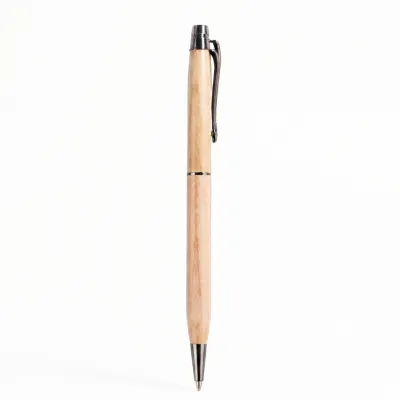
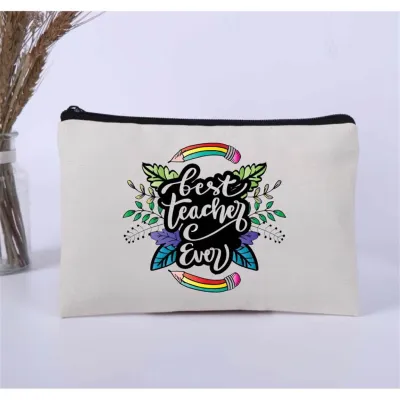
Prices are valid at publication and may change. Please refer to the product page for the latest price.
When evaluating potential gifts, consider four primary dimensions: durability, ergonomic comfort, consumable refillability, and compatibility with standard school supplies. Durability is essential because classroom tools are constantly packed into bags, dropped on hard floors, and handled by dozens of students. Ergonomic comfort is equally critical, as teachers spend hours writing feedback, making balanced weight and comfortable grips highly valuable.
Refillability ensures that a high-quality item does not become useless once its initial consumable component is depleted. A premium pen body that accepts standard, widely available refills is far more sustainable and appreciated than a disposable alternative. Furthermore, compatibility with standard classroom supplies—such as paper sizes, whiteboard surfaces, and standard drawer dimensions—prevents the frustration of receiving an item that does not fit into the teacher’s existing workflow.
To identify a teacher’s specific preferences, take a moment to observe their current workspace or ask subtle questions. Note whether they prefer grading in classic red, vibrant green, or distinct purple ink. Observe if they use lined, grid, or blank paper for their lesson planning, or if they rely heavily on sticky notes for temporary reminders. If a teacher is left-handed, prioritizing quick-drying ink formulations is an incredibly thoughtful touch that prevents the common frustration of hand-smudging.
High-Utility Writing Instruments for Grading and Planning
Writing instruments are the absolute workhorses of an educator’s daily routine. From marking worksheets to drafting lesson outlines, a teacher’s pen is rarely out of reach. Selecting the right writing tool requires looking closely at ink chemistry, tip design, and physical ergonomics to ensure the instrument can keep up with high-volume tasks.

Because smoothness, bleed resistance, and drying speed depend entirely on the exact combination of ink formulation and paper material, it is helpful to understand how different pens interact with standard school paper. High-volume grading requires quick-drying inks that set almost instantly on standard copy paper, preventing smudges as papers are stacked. Checking the tip size and ink flow rate against the teacher’s typical writing speed will help you choose a tool that feels effortless to use.
Smooth Gel Pens and Fineliners for Fast Grading
For detailed feedback and rapid marking, retractable gel pens and water-based fineliners are excellent choices. A 0.5mm tip size offers exceptional precision for writing small, legible comments in tight margins, while a 0.7mm tip provides a bolder, highly visible line that is easy for students to read. However, broader tips release more ink, which can sometimes bleed through thin worksheet paper, making the choice of tip size a balance between readability and paper compatibility.
To minimize hand strain during long grading sessions, prioritize pens with soft, rubberized, or textured ergonomic grips. The physical balance of the pen is equally important; a pen that is too top-heavy or excessively light can cause hand fatigue over time. Look for a well-balanced pen body that sits comfortably in the hand without requiring a tight, tiring grip.
Always check for refill availability before purchasing a premium writing instrument. Gift a pen from an established manufacturer whose refill cartridges are easily accessible in local stationery shops or online marketplaces. This ensures the teacher can easily replace the ink cartridge when it runs out, allowing them to keep using the comfortable pen body for multiple academic years.
Reliable Whiteboard Markers and Highlighters
Whiteboard markers and highlighters are indispensable tools for daily classroom instruction and text annotation. When selecting whiteboard markers, verify that they feature low-odor, alcohol-based ink formulations. This is particularly important for teachers working in air-conditioned or enclosed classrooms, where strong chemical odors can quickly cause discomfort.
Consistent ink flow and clean erasability are the hallmarks of a high-quality whiteboard marker. The marker should deliver a bold, highly visible line that can be easily read from the back of the classroom, yet wipe away cleanly with a standard eraser without leaving ghosting stains or requiring heavy scrubbing. Bullet tips are generally preferred for consistent line width, while chisel tips offer versatility for both broad strokes and fine writing.
For highlighters, steer away from traditional, overly bright fluorescent shades that can cause eye strain and easily bleed through thin paper. Instead, select mild-toned or pastel highlighters. These softer hues effectively draw attention to key text without obscuring the print underneath or bleeding through to the reverse side of textbook pages and student worksheets.
Paper Goods and Organizers for Classroom Management
Paper-based tools remain vital for structuring schedules, tracking student progress, and managing administrative tasks. When choosing paper goods, focus on paper weight, binding durability, and layout flexibility as your primary selection metrics. Avoid overly rigid, highly structured formats that force a teacher into a specific scheduling system that may not align with their school’s timetable.
Premium Notebooks and Planners
When evaluating notebooks and planners, the binding type plays a significant role in daily usability. Thread-bound notebooks offer a lay-flat design, allowing the teacher to write comfortably across the entire spread without fighting a stiff spine. Alternatively, spiral-bound notebooks allow pages to be folded back completely, which is incredibly useful for saving precious desk space during busy lessons.
Paper thickness is a critical specification to verify. Look for notebooks with a paper weight of at least 80 gsm to 100 gsm. This thickness provides excellent bleed resistance and prevents common gel inks or fountain pen inks from feathering or bleeding through to the back of the page, ensuring both sides of the paper can be fully utilized.
Layout flexibility is highly valued by educators who must adapt to changing school terms and exam cycles. Undated planners, dot-grid notebooks, or bullet journals are often preferred over highly prescriptive daily planners. These flexible formats allow teachers to customize their layouts, track lesson plans, and take meeting notes without leaving large sections of pre-dated pages blank during school holidays.
Sticky Notes and Page Flags
Sticky notes and page flags are essential for temporary annotations, quick reminders, and organizing student files. When selecting these items, verify the quality of the adhesive. The notes must feature a reliable adhesive that sticks securely to textbooks, folders, and whiteboards, yet removes cleanly without tearing the paper or leaving a sticky residue behind.
Because these items are used for prolonged periods and come into frequent contact with skin, check that the adhesive is solvent-free and non-toxic. Providing a variety of sizes—such as standard square notes for detailed reminders and narrow page flags for marking specific pages—allows teachers to establish efficient color-coding systems for grading, lesson planning, and administrative tracking.
Functional Desk Accessories for a Clutter-Free Workspace
An organized desk is crucial for maintaining efficiency in a busy classroom. However, many desk accessories designed as gifts are overly decorative, bulky, or fragile. To provide genuine value, prioritize modular or multi-functional organizers that adapt easily to different desk sizes and varying volumes of daily supplies.
Choose materials that are highly durable and easy to clean, such as powder-coated metal mesh, durable plastics, or sealed wood. Classrooms are prone to dust, chalk residue, and accidental ink spills, so avoiding fragile ceramic or fabric-covered organizers is highly practical. A simple wipe with a damp cloth should be all that is required to keep the accessory looking pristine.
Avoid novelty desk toys, fragile ornaments, or oversized organizers that consume valuable workspace. A teacher’s desk must accommodate a laptop, stacks of worksheets, textbooks, and personal items, leaving very little room for non-functional decor. Before purchasing a desk accessory, use this quick checklist to verify its suitability for a standard school desk:
- Footprint: Does the accessory occupy a space smaller than 20 cm by 15 cm to preserve active workspace?
- Height: Is the profile low enough to ensure it does not block the teacher's line of sight to the classroom?
- Stability: Does the base feature non-slip rubber feet to prevent sliding on smooth laminate desks?
- Portability: Can the organizer be easily moved or tucked into a drawer during school holidays or classroom cleaning?
How to Build a Thoughtful Stationery Gift Bundle
If you want to create a truly memorable and practical gift, building a curated stationery bundle is an excellent approach. A thoughtful bundle combines durable hardware with consumable refills, ensuring the gift is both special and immediately useful. This strategic combination prevents the gift from being discarded once the initial ink or paper is depleted.
Start by selecting a durable anchor item, such as a premium refillable pen body, a sturdy aluminum clipboard, or a high-quality notebook. Pair this anchor item with compatible consumables, such as extra ink refills, matching lead for mechanical pencils, or a set of colorful page flags. This ensures the teacher has everything they need for uninterrupted use.
Instead of using single-use wrapping paper or plastic gift bags, package the bundle in a functional container that doubles as storage. A reusable canvas zipper pouch, a clear acrylic desktop caddy, or a sturdy metal pencil case makes excellent packaging that the teacher can immediately use to organize their bag or desk.
Before finalizing your bundle, run through this quick compatibility and readiness checklist:
- Refill Compatibility: Do the extra ink cartridges or pencil leads match the exact model and tip size of the writing instruments provided?
- Paper Compatibility: Are the selected pens and highlighters compatible with the paper weight of the notebook to prevent bleed-through?
- Redundancy Check: Have you removed unnecessary filler items, such as cheap plastic rulers or decorative paperclips, that add bulk without utility?
- Immediate Readiness: Are all items ready for immediate use, with protective wax tips removed from pens and packaging labels neatly cleared?
To make the bundle even more personal, tailor the contents to the teacher’s specific subject area. For example, physical education teachers will highly appreciate a weather-resistant clipboard paired with a heavy-duty lanyard. Art teachers will value high-gsm sketch paper and specialized drawing pencils, while science and mathematics teachers will find grid-lined notebooks and precise fine-tip fineliners incredibly useful for drawing diagrams and formulas.
Frequently Asked Questions (FAQ)
Is it better to give a stationery store gift card instead of physical items?
Gift cards offer maximum flexibility, allowing teachers to purchase the exact consumables, specific planner layouts, or high-end tools that fit their precise teaching style and classroom needs. It completely eliminates the risk of gifting duplicate items or tools that do not fit their workflow. However, a physical bundle can feel more personal and thoughtful. To strike a perfect balance, consider pairing a modest gift card (such as S$10 or S$15) with a small, highly practical physical item, like a premium black gel pen or a pack of high-quality page flags.
What decorative stationery items should I avoid giving to teachers?
Avoid overly ornate or novelty pens, such as those featuring large plastic characters, heavy toppers, or flashing lights. These pens are typically unbalanced, uncomfortable to hold, and use low-quality ink that skips or smudges easily. You should also steer clear of fragile ceramic desk ornaments, heavily scented erasers or markers—which can trigger allergies in enclosed classrooms—and highly specific aesthetic designs that may not align with the teacher’s personal taste or professional environment. Stick to clean, minimalist, and highly functional designs.

Community discussion
Share your experience or ask a question. Comments are reviewed before publication.