
Selecting the perfect Teachers’ Day card in Singapore requires matching the card’s design, paper quality, and message tone to the specific role the educator plays in your child’s life. Whether it is the form teacher who provides daily pastoral care, a subject teacher sparking academic interest, or the principal steering the school’s vision, the right card balances warm appreciation with appropriate school etiquette. By aligning the card’s visual style and written message with these distinct relationships, you can express meaningful gratitude while respecting professional boundaries.
Understanding Teacher-Student Dynamics and School Etiquette
Before purchasing or making a card, evaluate the depth of the relationship between your child and the educator. Teachers interact with students in varied capacities, ranging from daily pastoral guidance to weekly specialized lessons or occasional administrative oversight. A form teacher who manages daily administrative duties and emotional well-being warrants a different approach than a co-curricular activity (CCA) coach or a senior administrator.
The school environment in Singapore typically maintains a respectful, structured atmosphere where professional boundaries are highly valued. While warmth and sincerity are always welcome, the level of formality should reflect the teacher’s position. A highly casual or humorous card might be perfect for a sports coach but could feel out of place when addressed to the principal or vice-principal.
Products mentioned in this guide
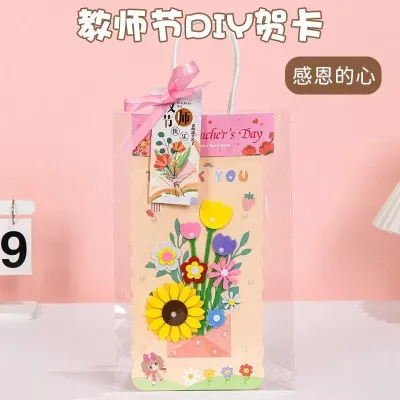
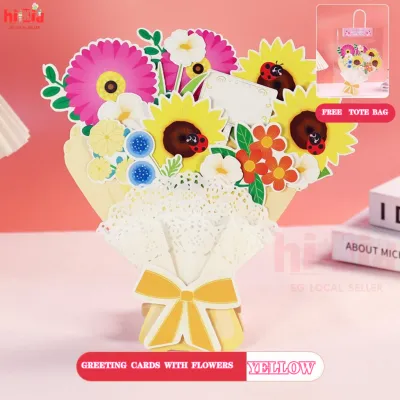

![[MIN 3 CARDS] 🇸🇬SG Punny Teacher Appreciation Card Special Editions for Graduation Greeting Thank You Heartfelt Support Message Card](https://img.lazcdn.com/g/ff/kf/S46b8562713de4564b8cea4c9945a655fF.jpg_400x400q80.jpg_.webp)
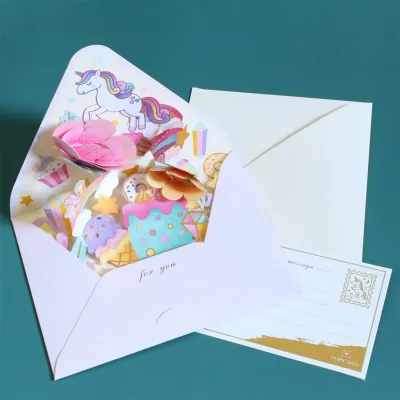
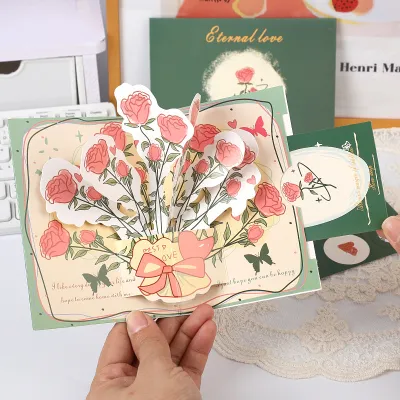
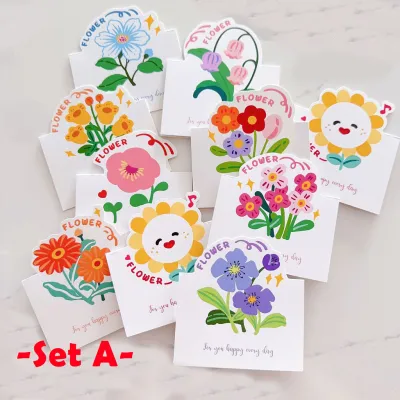
![[SG SELLER] [FREE SHIPPING] 6 Pcs Mini Thank you Cards With Envelope Greeting Card Teachers Mothers Fathers Day](https://img.lazcdn.com/g/p/4f42d57a6e128675f1d2760d9979447d.jpg_400x400q80.jpg_.webp)
Prices are valid at publication and may change. Please refer to the product page for the latest price.
Consider how the card will be delivered to ensure it fits the social context of the classroom. Decide whether your child will present an individual card, contribute to a joint card organized by a group of parents, or participate in a collective class effort. Collective cards are excellent for subject teachers or senior staff, while individual, personalized cards are ideal for form teachers who spend significant time with your child every day.
Choosing Heartfelt Cards for the Form Teacher
Form teachers are the anchor of a student’s daily school experience, managing everything from morning assembly to character development. For these dedicated educators, select card designs that convey warmth, care, and a personal touch. Watercolor illustrations, soft floral patterns, or cards made from high-quality textured paper—such as felt-finish or linen-textured cardstock—create an immediate sense of comfort and appreciation.

The tone of the message should be deeply heartfelt, focusing on the teacher’s patience, emotional support, and guidance throughout the academic year. Form teachers often deal with the daily ups and downs of classroom management, so acknowledging their role in your child’s personal growth and character building is highly meaningful. Expressing gratitude for their constant encouragement helps them feel truly seen and valued.
To make the card memorable, encourage your child to include a specific, positive anecdote from the school term. Mentioning a time when the teacher offered comfort during a difficult day, helped resolve a playground conflict, or celebrated a small personal milestone makes the message genuine. These specific memories transform a standard greeting card into a cherished keepsake that the teacher is likely to save for years.
When choosing the card material, verify that the paper surface is compatible with standard writing instruments. Textured papers can sometimes cause gel pens or fountain pens to feather or bleed. Opt for a heavy cardstock (at least 250 gsm) with a smooth matte interior, which allows your child to write clearly with standard ballpoint or gel pens without worrying about slow drying times or smudging.
Picking Subject-Themed Cards for Subject Teachers
Subject teachers interact with students through the lens of specific academic disciplines, such as mathematics, science, history, or mother tongue languages. For these educators, subject-themed or minimalist designs are highly appropriate and engaging. Look for cards featuring subtle science motifs like laboratory flasks, geometric math patterns, musical notes, or classic literary quotes that celebrate the joy of learning.
Keep the written tone appreciative and focused primarily on academic progress and intellectual curiosity. The message should highlight how the teacher made a complex topic understandable, sparked a newfound interest in the subject, or conducted a particularly memorable classroom experiment. This keeps the focus on the educational journey while showing that their teaching methods are effective and appreciated.
It is important to maintain a respectful and professional student-teacher boundary in these cards. Avoid overly intimate or highly personal family details, keeping the message centered on the classroom experience. A polite, respectful tone shows that you value their professional expertise and dedication to helping your child succeed academically.
If your child plans to write with a fine-liner or a fountain pen, check the card’s bleed resistance. Many mass-produced cards use thin, glossy paper on the inside, which can cause ink to bead up or smear easily. Choosing a card with an uncoated, absorbent inner page ensures that the ink dries quickly and remains sharp, preserving the legibility of your child’s message.
Opting for Formal Cards for the Principal and Senior Staff
School leaders, including principals, vice-principals, and senior administrative staff, shape the overall culture, safety, and educational standards of the institution. When expressing appreciation to senior management, opt for classic, elegant, and traditional card designs. Look for premium cardstock featuring clean minimalist typography, subtle gold or silver foil accents, or embossed borders that convey a high level of respect.
The tone of a card addressed to school leadership should be formal, polite, and professional. Focus the message on gratitude for their strategic leadership, clear vision, and the safe, nurturing environment they maintain for all students. Acknowledging the smooth operation of the school and the dedication of the entire staff under their guidance is a thoughtful way to show appreciation.
Because these cards represent a high level of institutional respect, they are typically signed by the parents or the family as a whole, rather than just the young child. While the child can certainly sign their name, the accompanying message should reflect a family’s collective gratitude for the school’s leadership. This approach maintains the appropriate professional decorum suitable for senior educational administrators.
Finding Energetic Cards for CCA Instructors
Co-curricular activity (CCA) instructors, sports coaches, and performing arts directors bond with students over shared passions, physical training, and creative pursuits. For these dynamic educators, select vibrant, energetic, or hobby-specific card designs. Look for illustrations that represent the specific activity, such as footballs, musical instruments, paintbrushes, or uniform group emblems.
The tone for a CCA instructor’s card should be encouraging, enthusiastic, and team-oriented. Highlight the values of teamwork, personal resilience, discipline, and sportsmanship that the instructor has instilled in your child. Mentioning a specific achievement, a challenging training session, or a memorable performance during the competition season helps celebrate the shared journey of the activity.
Because CCAs are highly collaborative, organizing a group card signed by all team or club members is an excellent way to show collective appreciation. A larger, multi-signed card reflects team spirit and allows every student to contribute a short note of thanks. This collective gesture often carries a powerful impact, showing the instructor the unified gratitude of the entire squad or ensemble.
Writing Meaningful Messages and Presenting the Card
The most valuable part of any Teachers’ Day card is the personal effort put into the message. Encourage your child to handwrite at least a short note or draw a small doodle inside the card. Even if the handwriting is slightly uneven, a child’s personal effort adds an authentic touch of sincerity that printed text simply cannot replicate.
Before preparing any gifts to accompany the card, always check the school’s official guidelines regarding teacher appreciation tokens. In Singapore, schools maintain strict policies to ensure transparency and fairness, typically requiring any physical gifts to be nominal in value—often under S$5. Keeping gifts small and symbolic ensures compliance with school regulations and prevents any awkwardness for the teacher.
If you wish to pair the card with a small token, choose practical stationery items or simple handmade crafts. A high-quality black or blue gel pen, a set of sticky notes, or a durable bookmark are excellent choices that teachers can use daily in the classroom. Ensure that any stationery item is functional and reliable, avoiding extravagant gifts, cash, or retail vouchers, which are strictly prohibited under school policies.
Frequently Asked Questions (FAQ)
Is it necessary to give a card to every single teacher?
It is not mandatory or expected to give an individual card to every single teacher who interacts with your child. Focus your efforts on the key educators who have the most significant impact on your child’s daily school life, such as the form teacher and primary subject teachers. If you wish to show appreciation to the wider school staff, a single, larger card addressed to the entire staff room is a thoughtful and practical alternative.
Can I send a digital e-card instead of a physical one?
Digital e-cards are highly convenient, eco-friendly, and suitable for large groups or secondary subject teachers with whom your child has less frequent contact. However, physical cards remain the preferred choice for form teachers, CCA coaches, and principals. A physical card serves as a tangible keepsake that teachers can display on their desks or keep in a memory box, making the gesture feel more personal and enduring.
Community discussion
Share your experience or ask a question. Comments are reviewed before publication.