
Selecting school supplies in Singapore requires balancing a student’s personal style with the practical demands of their academic level. Character-branded stationery, particularly from Sanrio, offers a comforting sense of familiarity that can ease classroom transitions. However, the ideal items change significantly as a child progresses from the play-based learning of early primary school to the rigorous, exam-focused environment of upper secondary school.
To ensure these items serve as effective learning tools rather than classroom distractions, parents and students must match specific product designs to the physical and academic requirements of each grade. For younger children, the focus remains on physical safety, ergonomic support, and ease of handling. For older students, the priority shifts toward high-capacity storage, fast-drying ink, and compliance with strict examination guidelines. Selecting the right balance ensures that beloved characters like Hello Kitty, My Melody, or Cinnamoroll support, rather than hinder, daily study habits.
Core Criteria for Selecting Grade-Appropriate Sanrio Supplies
When evaluating licensed character stationery, the primary challenge is balancing aesthetic appeal with functional design. A beautifully illustrated notebook or pencil case loses its value if it cannot withstand daily wear or fails to fit standard school storage. Buyers should prioritize items where the character design is integrated into a structurally sound product, rather than choosing items based solely on the print. Look for ergonomic features, such as cushioned grips on writing instruments and lightweight materials for storage containers, to prevent physical strain during long study sessions.
Products mentioned in this guide
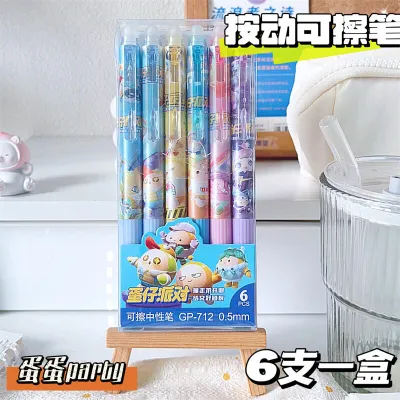
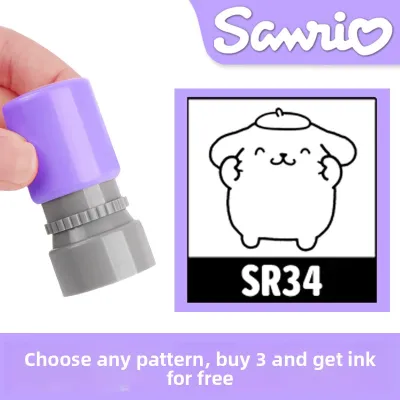
Prices are valid at publication and may change. Please refer to the product page for the latest price.
Material durability and safety certifications are critical considerations for items used daily in Singapore’s humid climate. High humidity can cause low-quality paper to warp and cheap adhesives to fail. Opt for water-resistant fabrics like treated polyester or high-grade polyurethane (PU) for pencil cases, and ensure plastic components are free from harmful chemicals like phthalates and BPA. Checking for international safety standards on packaging ensures that the items are safe for prolonged skin contact.
Finally, physical compatibility with school infrastructure is essential. Desk spaces in Singapore classrooms are often compact, requiring pencil cases that open vertically or have a small footprint to avoid cluttering the workspace. Similarly, school bags must accommodate textbooks, files, and water bottles, meaning stationery pouches and folders must be streamlined and flexible enough to slide into tight compartments without tearing or bending.
Primary School: Building Foundational Study Habits
Primary school marks a critical transition where children move from guided activities to independent classroom routines. During these formative years, stationery plays a dual role: it acts as a comforting companion and serves as a tool for developing organizational skills. Choosing the right items helps young learners take ownership of their belongings and build confidence in managing their daily tasks.

As students progress through primary school, their responsibilities shift from basic motor skill development to independent packing and sorting. Stationery must adapt to this growth, transitioning from simple, single-compartment storage to more structured organizational systems. Clear labeling spaces and distinct visual designs are highly beneficial during this stage, as they help prevent loss and make it easier for children to identify their own items in a busy classroom.
Lower Primary (Grades 1–3): Focus on Grip, Safety, and Simplicity
In the lower primary years, children are still developing their fine motor skills and learning the correct way to hold writing instruments. Sanrio pencils and pens for this age group should feature ergonomic triangular grips or chunky barrels that fit comfortably in smaller hands. These designs encourage a proper tripod grip, reducing hand fatigue and frustration during early writing exercises. Avoid thin, slippery plastic barrels that require excessive squeezing pressure to hold steady.
Safety remains a paramount concern for younger students who may handle their supplies roughly. Look for stationery items made from non-toxic materials, featuring rounded edges on rulers and scissors, and break-resistant casings on erasers and pencil sharpeners. Wooden pencils should have high-quality, break-resistant lead that does not snap easily under heavy pressure, minimizing the need for frequent sharpening and reducing classroom distractions.
Storage solutions for lower primary students should prioritize simplicity and high visibility. A wide-opening, single-compartment pouch with a sturdy, oversized zipper is ideal, as it allows children to see all their tools at a glance without rummaging. Soft fabric or silicone pouches are preferable to metal tin cases, which can be noisy when dropped and are prone to denting. These soft materials are also much easier to wipe clean when ink leaks or dirt accumulates.
Upper Primary (Grades 4–6): Transitioning to Organization and Volume
As students enter upper primary, the number of school subjects increases, requiring a wider variety of specialized tools such as highlighters, correction tape, and mathematical instruments. To manage this influx of supplies, students need multi-compartment pencil cases. These cases allow for systematic sorting, keeping daily writing tools separate from occasional-use items like protractors or colored pencils, which helps students retrieve what they need quickly during fast-paced lessons.
Notebook selection also becomes more demanding during these years, as writing tasks grow longer and more structured. Look for Sanrio-themed notebooks that offer standard single-line ruling with consistent spacing suitable for upper primary writing formats. The paper should have a smooth texture to facilitate faster writing speeds while maintaining legibility, helping students keep up with teacher dictation and whiteboard notes.
Sturdy binding and adequate paper weight are crucial to preventing damage and ink bleed-through. Standard school pens, especially gel pens, require paper with a higher density—ideally 70 to 80 grams per square meter (GSM)—to ensure that notes written on one side do not ruin the reverse page. Spiral-bound or thread-sewn notebooks are highly recommended, as they lay flat on the desk and resist tearing when pages are turned frequently throughout the school term.
Secondary School: Functionality, Portability, and Exam Readiness
Entering secondary school introduces a highly demanding academic environment characterized by multiple classrooms, specialized laboratories, and rigorous study schedules. At this stage, stationery choices must prioritize high performance, efficiency, and streamlined organization. The playful designs of early childhood give way to more sophisticated, mature aesthetics that reflect the student’s growing independence.
Portability and weight become major factors as secondary students move between different subject venues throughout the school day. Heavy, bulky stationery items add unnecessary weight to school bags that are already loaded with thick textbooks and personal electronic devices. Selecting lightweight, compact, and highly durable Sanrio items ensures that students can carry their essential tools comfortably without sacrificing functionality.
Lower Secondary (Grades 7–8): Managing Heavier Workloads
Lower secondary students must manage a significant increase in handouts, worksheets, and subject-specific notes. To prevent loose papers from cluttering their bags, expandable document folders and multi-pocket ring binders are indispensable. Sanrio-themed folders with clear indexing tabs allow students to dedicate specific sections to different subjects, ensuring that homework and revision materials are always organized and easily accessible.
The variety of writing and drawing instruments also expands, requiring high-capacity pen pouches that remain compact. A well-designed pouch should comfortably accommodate standard pens, mechanical pencils, highlighters, and a complete geometry set without stretching the seams. Look for designs with internal mesh pockets or elastic loops, which keep high-value items secure and prevent smaller tools like eraser refills from getting lost at the bottom of the bag.
Time management becomes a critical skill as students balance academic deadlines with co-curricular activities (CCAs). Introducing a compact planner or diary featuring subtle Sanrio illustrations can encourage students to track their homework, project milestones, and personal schedules. A physical planner helps students visualize their week, fostering self-discipline and reducing the stress associated with last-minute assignment rushes.
Upper Secondary (Grades 9–10): Exam-Focused Efficiency
In the upper secondary years, preparation for national examinations demands stationery that offers absolute reliability and speed. Writing instruments must feature smooth-flowing, quick-drying ink to prevent smudging, which is particularly important for left-handed writers or during fast-paced essay writing. A pen that skips or leaks can disrupt a student’s focus and affect the legibility of their exam scripts, making high-quality ink technology a top priority.
For mathematics and science subjects, clear grid-ruled or dotted notebooks are highly beneficial. These layouts help students align equations, draft accurate scientific diagrams, and plot graphs efficiently during practice sessions. Choosing notebooks with clean, unobtrusive grid lines ensures that the student’s own work remains the focal point of the page, facilitating easier review and self-correction.
Examination halls have strict regulations regarding the types of stationery allowed inside. To avoid issues with exam invigilators, students should opt for minimalist, distraction-free Sanrio designs, or use a completely transparent pencil case to house their branded writing tools. Ensuring that all pencil cases are clear and free from hidden pockets or complex mechanisms guarantees compliance with official guidelines, allowing students to focus entirely on their exam performance.
Essential Verification Checklist Before Purchasing
Before purchasing any Sanrio stationery, it is important to verify specific product details to ensure they meet both school requirements and quality standards. Use the following checklist to guide your purchasing decisions:
- Paper Specifications: Check the paper weight (GSM) and ruling format. For general writing, a minimum of 70 GSM is recommended to prevent ink bleed-through. Verify whether the school requires specific line spacing, grid sizes, or blank pages for different subjects before buying themed notebooks.
- Pen and Ink Compatibility: Confirm whether writing instruments use standard refill sizes. Choosing pens that accept widely available refills reduces long-term costs and ensures the student does not have to discard a favorite character pen casing when the ink runs out. Test the drying speed of gel inks to ensure they do not smudge under normal writing pressure.
- Hardware and Construction: Inspect the quality of zippers, seams, and fasteners on pencil cases and folders. Double-stitched seams and metal zipper pulls offer significantly better durability than single-stitched variants or cheap plastic slides. For synthetic leather or plastic items, check for easy-to-clean surfaces that can be wiped down with a damp cloth.
- Cost-Effectiveness: Evaluate the price of licensed Sanrio merchandise against standard, non-branded equivalents. While character licensing adds a premium, the investment is justified if the item offers comparable durability, ergonomic benefits, and genuine utility. Avoid buying overly decorative items that prioritize novelty features over basic functionality, as these often have a shorter lifespan and higher cost per use.
Frequently Asked Questions (FAQ)
Are Sanrio stationery items allowed in national examination halls?
National examination regulations in Singapore generally focus on preventing cheating and minimizing distractions rather than banning specific brands. Branded stationery, including Sanrio items, is typically permitted as long as it complies with standard rules. This means pencil cases must be completely transparent, and writing tools must not contain any printed notes, formulas, or complex mechanical features. To ensure full compliance and avoid any last-minute stress, students should place their essential pens, erasers, and rulers inside a simple, clear plastic zip pouch before entering the examination hall, leaving opaque or highly decorated character cases in their school bags.
How can I prevent Sanrio pencil cases from deteriorating quickly?
To extend the lifespan of fabric and synthetic leather Sanrio pouches, regular maintenance and proper usage are key. For canvas or polyester cases, spot-cleaning with a mild detergent and a soft brush is highly effective for removing ink stains and dirt. Avoid machine washing or harsh wringing, as this can damage internal linings and fade printed character graphics. For polyurethane (PU) leather cases, a simple wipe with a damp microfiber cloth is sufficient. Additionally, avoid overstuffing the pencil case beyond its intended capacity; excessive pressure strains the zippers and seams, leading to track misalignment or tearing over time.
Is it more practical to buy Sanrio stationery sets or individual items?
While pre-packaged Sanrio stationery sets are visually appealing and convenient for gifting, purchasing individual items is generally more practical for daily school use. Stationery sets often contain filler items, such as low-quality rulers or decorative erasers, that do not meet classroom standards or the student’s specific needs. By purchasing items individually, parents and students can select high-quality, ergonomic tools that match exact school requirements, such as specific pen tip sizes or paper weights. A practical hybrid approach is to buy core functional items like pens, notebooks, and binders individually, while reserving themed sets for weekend activities, home study backups, or gifts.

Community discussion
Share your experience or ask a question. Comments are reviewed before publication.