
Choosing between a pouch laminator and a roll laminator depends primarily on your document sizes, production volume, and available workspace. If you handle standard office documents, ID cards, or occasional classroom materials, a pouch laminator offers a compact, user-friendly, and cost-effective solution. Conversely, if you regularly process oversized banners, high-volume school projects, or continuous custom-length items, a roll laminator provides the necessary speed, flexibility, and long-term cost efficiency.
Understanding the mechanical differences and operational demands of each machine type will help you make an informed decision. By evaluating how each system handles film, heat, and feeding, you can select the equipment that integrates seamlessly into your daily workflow.
How Pouch and Roll Laminators Actually Work
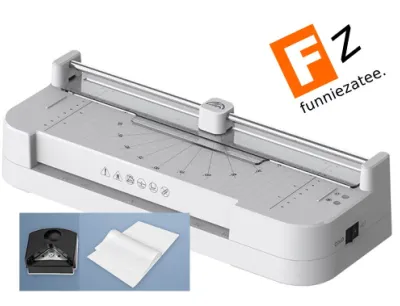
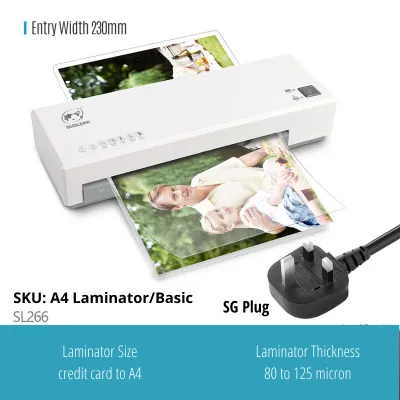
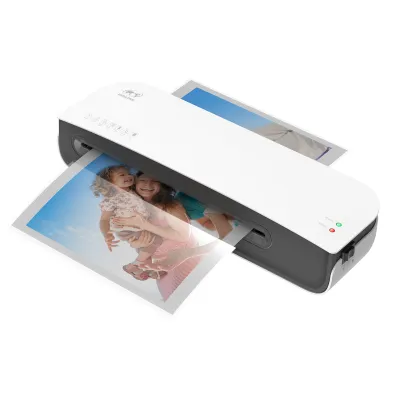
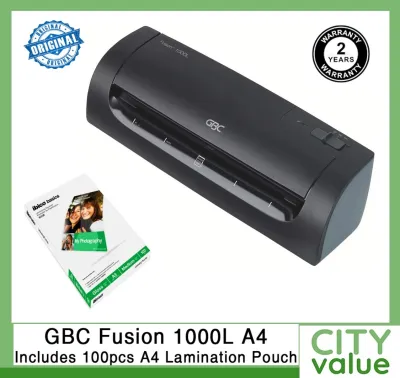
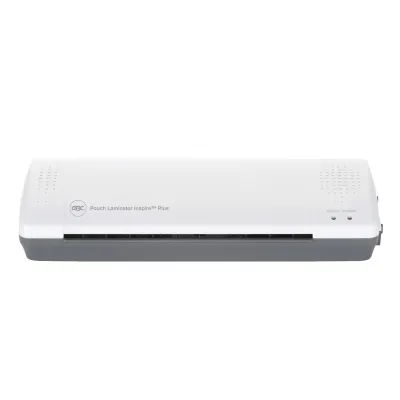
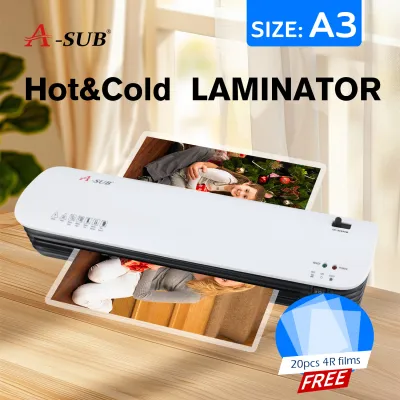
A pouch laminator operates using pre-cut plastic sleeves that are sealed on one side. To use this system, you place your document inside the pouch, ensuring a small, even border of plastic remains around the edges of the paper. You then feed the sealed end of the pouch directly into the machine’s entry slot. Inside the unit, heated rollers melt the adhesive lining of the pouch while simultaneously applying pressure, fusing the plastic layers together to encapsulate the document.
Products mentioned in this guide
![[SG] GBC 240HS Home Office A3 Laminator | Fast Warm-Up Jam-Free Technology [Evergreen Stationery]](https://img.lazcdn.com/g/p/6d9e8892e7124e1b78cc71c262f1b954.jpg_400x400q80.jpg_.webp)
![[✅SG Ready Stock] Laminator A4 Laminating Machine Hot Cold Laminating Film Laminator Home School Office Supplies过塑机覆膜机](https://img.lazcdn.com/g/p/b43d141aaba4b96660a1a587efd2c8dc.jpg_400x400q80.jpg_.webp)
Prices are valid at publication and may change. Please refer to the product page for the latest price.
A roll laminator utilizes two continuous rolls of laminating film, with one roll positioned above the feeding path and the other below. As you feed documents through the machine, it pulls film from both rolls at the same time, sandwiching the paper between the two layers. Heated rollers or heat shoes melt the adhesive on the film, and pressure rollers seal the layers together. This continuous feed mechanism allows you to laminate multiple items sequentially without stopping.
The setup process differs significantly between these two machine types. Pouch laminators are essentially plug-and-play devices that require minimal preparation. You simply turn the machine on, select the appropriate temperature setting for your pouch thickness, and wait a few minutes for the rollers to heat up. Once heated, the machine is ready for immediate use.
Roll laminators require a more involved setup and calibration process before you can begin laminating. You must thread the film from both rolls through the roller assembly, ensuring the adhesive sides face the correct direction to avoid damaging the rollers. You also need to align the edges precisely and adjust the tension settings to prevent wrinkles, bubbles, or film wrapping around the rollers. This calibration requires patience and practice to master.
When to Choose a Pouch Laminator
Pouch laminators are ideal for low-to-medium volume environments where users need to protect standard-sized documents. Common applications include laminating ID cards, visitor badges, letter-sized office documents, photographs, and occasional classroom flashcards. Because the pouches are pre-cut to precise dimensions, they provide a clean, professional finish with minimal effort.

The primary limitation of a pouch laminator is its manual, sheet-by-sheet operation. You must manually place each document into an individual pouch, align it, and feed it into the machine. While this is manageable for a few dozen sheets, it becomes highly inefficient and labor-intensive for bulk runs or continuous production. If you need to laminate hundreds of documents at once, a pouch system will significantly slow down your workflow.
Size constraints are another critical factor to consider when choosing a pouch laminator. You are strictly limited by the physical throat width of the machine, which typically ranges from 9 to 13 inches. You are also restricted to the pre-cut pouch sizes available on the market. You cannot laminate continuous banners, oversized posters, or custom-shaped items that exceed these standard dimensions.
When using a pouch laminator, you must also perform regular consumable checks to ensure compatibility. Pouches are measured in thickness, typically using microns or mils. Common thicknesses range from 3 mil for flexible protection to 10 mil for rigid, heavy-duty applications. You must verify that your machine’s heating element is capable of reaching the temperatures required to melt the adhesive on thicker pouches, as using a pouch that is too thick for your machine will result in an incomplete seal.
When to Choose a Roll Laminator
Roll laminators are the preferred choice for high-volume environments, schools, and professional print shops that require continuous or large-format lamination. They excel at protecting oversized items such as banners, large maps, posters, and bulk classroom projects. If your daily workflow involves laminating large quantities of materials, a roll laminator offers the efficiency you need.
The continuous feed capability of a roll laminator provides a massive volume advantage over pouch models. You can feed one document immediately after another into the machine without waiting for individual pouches to clear. The machine laminates the items in a single, continuous web of film, which you can later trim to the desired size. This continuous workflow drastically reduces the hands-on labor time required for large projects.
Size flexibility is another major benefit of roll laminating systems. Because the film is supplied on a continuous roll, you are not restricted by the length of the document. You can laminate a ten-meter banner just as easily as a standard letter-sized sheet. Additionally, if your roll laminator is wide enough, you can feed multiple smaller documents side-by-side, maximizing film usage and reducing waste.
However, roll laminators come with several operational considerations that you must evaluate. These machines have a much larger physical footprint than pouch models, often requiring a dedicated table, heavy-duty desk, or a specialized rolling stand. They also require longer warm-up times due to the larger mass of their heating elements. Furthermore, the initial threading process can result in wasted film if the alignment is not set up correctly.
Comparing Key Decision Factors
To determine which laminator type fits your budget and workflow, you must compare their upfront and long-term costs. Pouch laminators feature a very low upfront machine cost, making them highly accessible for home offices and small classrooms. However, individual laminating pouches are relatively expensive on a per-unit basis. If you laminate frequently, the ongoing cost of purchasing pouches can quickly add up.
Roll laminators require a much higher initial investment for the machine itself. However, the continuous film rolls are significantly cheaper when calculated as S$ per meter compared to the S$ per sheet cost of individual pouches. For high-volume users, the lower consumable cost of roll film eventually offsets the higher upfront price of the machine, making it the more economical choice over time.
Space and storage requirements also play a major role in your decision. Pouch laminators are compact, lightweight, and highly portable. You can easily store them in a cabinet, drawer, or on a shelf when they are not in use, freeing up valuable desk space. Roll laminators are heavy, bulky, and designed to remain permanently set up in a dedicated workspace, copy room, or production area.
Workflow speed and preparation time are additional variables to consider. Pouch laminators warm up quickly, often in under five minutes, making them ideal for quick, on-demand laminating tasks throughout the day. Roll laminators can take fifteen to twenty minutes to reach operating temperature. However, once heated, they process documents at a much faster continuous rate, making them far superior for scheduled, large-scale laminating sessions.
| Feature | Pouch Laminator | Roll Laminator |
|---|---|---|
| Ideal Volume | Low to medium (occasional use) | High volume (daily or bulk runs) |
| Max Document Size | Limited by throat width (typically up to A3) | Virtually unlimited length; widths up to 60+ inches |
| Consumable Format | Pre-cut individual pouches | Continuous film rolls |
| Space Requirement | Minimal (portable, easy to store) | Substantial (requires dedicated desk or stand) |
| Finish Quality | Excellent edge seal; uniform thickness | High quality; requires manual trimming of edges |
Your Final Selection Checklist
To finalize your decision, review your specific operational needs and environmental constraints against this actionable framework.
Choose a pouch laminator if:
- Your primary documents are standard sizes, such as A4, A3, or smaller ID cards.
- Your laminating volume is low to moderate, consisting of occasional small batches.
- You have limited physical space and need a portable machine that can be stored away when not in use.
Choose a roll laminator if:
- You regularly laminate oversized items, banners, or custom-length documents.
- You process high volumes of documents in bulk runs and need to minimize labor time.
- You have a dedicated workspace, copy room, or production area to house a larger machine.
Before making a purchase, verify the exact maximum document width of the models you are considering to ensure they can accommodate your largest projects. You should also check the local power requirements of the machine, as some larger roll laminators may require specialized electrical outlets. Finally, measure your available storage or desk space to confirm the machine will fit comfortably in your environment.
As a next step, carefully review the manufacturer’s specifications for compatible film thicknesses, warm-up times, and feed speeds. Checking the warranty terms and the availability of replacement parts or technical support in your region will also help ensure long-term satisfaction with your investment.
Frequently Asked Questions (FAQ)
Can I use a pouch laminator for large posters?
A pouch laminator cannot be used for large posters that exceed the physical throat width of the machine. Most standard pouch laminators have a maximum entry width of 9 to 13 inches, which limits them to A4 or A3 document sizes. Even if you find larger laminating pouches online, they will not fit through the feed path of a standard machine. For oversized posters, you must use a wide-format roll laminator or utilize a professional printing and laminating service.
Do roll laminators require special training to operate?
Roll laminators do have a steeper learning curve than pouch models, primarily due to the film threading and calibration process. Threading the film rolls correctly and adjusting the tension requires patience, as incorrect settings can lead to wrinkles, bubbles, or film wrapping around the rollers. However, reading the manufacturer’s manual and practicing with scrap paper will help you master the process quickly. Many modern roll laminators also feature color-coded threading paths or auto-threading mechanisms to simplify setup for new users.
Which type of laminator is better for preserving photos?
Pouch laminators are generally better for preserving individual photos because the pre-cut pouch provides a complete, factory-sealed edge on all four sides. This complete encapsulation prevents moisture, dust, and air from reaching the edges of the photograph. Roll laminators seal the top and bottom surfaces of the document, but the edges must be trimmed manually after lamination, which can leave the paper core slightly exposed if you do not leave a sufficient border. When laminating photos, always verify that the film is compatible with photographic paper and test your heat settings on a duplicate print first.

Community discussion
Share your experience or ask a question. Comments are reviewed before publication.