
Selecting the correct postal bag size is essential for protecting your shipments, minimizing postage costs, and presenting a professional package to your recipient. To find the right fit, you must measure your item’s three-dimensional volume rather than relying solely on its flat dimensions, then add a calculated margin for thickness and closure. Choosing a bag that is too small risks seam splits and transit damage, while an oversized bag can lead to shifting contents and unnecessary dimensional weight surcharges from local couriers.
Decoding Postal Bag Dimensions and Measurement Labels
When browsing packaging supplies, you will typically see dimensions listed as width by length. It is critical to check the manufacturer’s specification sheet to confirm whether the stated length includes the self-adhesive sealing flap. In most standard packaging designs, the flap is excluded from the primary length measurement, meaning you have a few extra centimeters of material to fold over, but verifying this detail prevents unexpected sizing shortfalls.
The thickness of the postal bag, often measured in microns or mils, directly influences both its weight capacity and its internal usable space. Thicker, heavy-duty bags offer excellent puncture resistance but are less flexible, which slightly reduces the maximum volume they can accommodate compared to thinner, more pliable bags of the same nominal dimensions. If you are shipping dense or heavy items, prioritizing a higher micron rating is necessary to prevent the bag from stretching or tearing under load.
Products mentioned in this guide
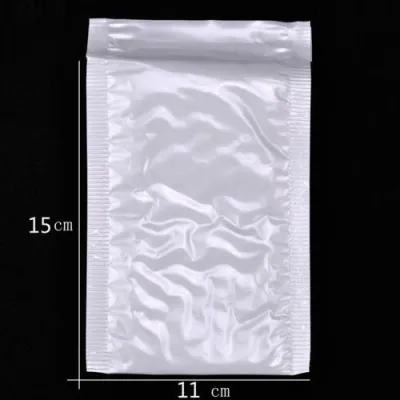
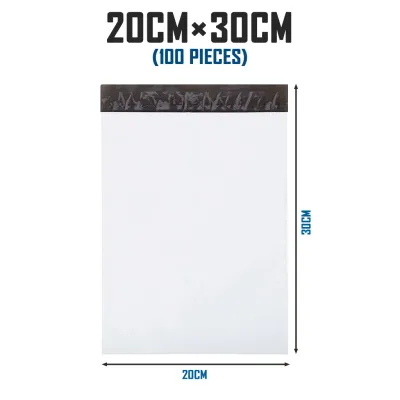
![[100pcs] White Polymailer Bags – Waterproof Tear-Resistant Courier Shipping Bags for eCommerce & Mailing](https://img.lazcdn.com/g/p/5ac19457619c8d71b03e006291511e2b.png_400x400q80.png_.webp)
![100pcs x [ 13cm x 23cm] Colored Poly Mailer Plastic Mailing Bag Packaging Shipping Polymailer- Gold Color Courier Postal Pack](https://img.lazcdn.com/g/p/36a8bbb31858b467a16fde3ea0041d36.png_400x400q80.png_.webp)
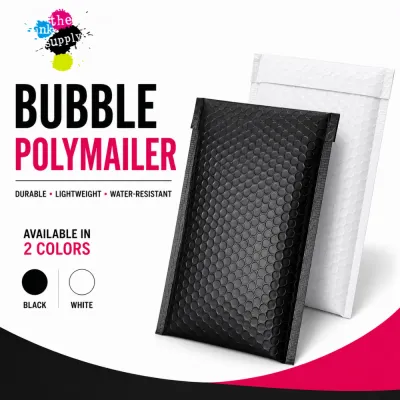
Prices are valid at publication and may change. Please refer to the product page for the latest price.
You must also distinguish between flat lay dimensions and gusseted dimensions. A standard flat postal bag has no depth of its own and must stretch outward to accommodate three-dimensional items, which pulls the sides inward and reduces the effective width and length. Conversely, gusseted postal bags feature folded side or bottom panels that expand under pressure, making them far better suited for bulky, boxy, or thick items without putting excessive stress on the seams.
Matching Bag Sizes to Your Item Categories
Different types of cargo require distinct sizing strategies to ensure they arrive intact while keeping shipping fees manageable. For flat and flexible items like documents, catalogs, or soft apparel, a snug fit is highly beneficial. Minimizing excess space prevents the contents from sliding around, which keeps the package neat and helps you avoid paying extra for unnecessary volume when using local courier services.

Rigid or pre-boxed items demand a completely different approach, as their unyielding corners can easily puncture thin plastic. When shipping books, board games, or boxed goods, you must select a postal bag that offers generous dimensional clearance on all sides. This extra space ensures the material can wrap smoothly around the sharp edges without stretching the seams to their breaking point during transit.
If your items are fragile and require protective layers like bubble wrap, foam sheets, or crumpled paper void fill, you must calculate your bag size based on the fully wrapped dimensions. Protective wrapping can easily double or triple the thickness of an item, turning a flat object into a bulky package that will no longer fit into a standard flat mailer. Always wrap the item completely first, then measure the final bundled shape before selecting your bag.
For multi-item shipments, you must decide whether to consolidate everything into a single large postal bag or split the order into multiple smaller packages. While consolidation often reduces individual tracking fees, packing multiple heavy or irregularly shaped items together can cause them to rub against each other, increasing the risk of internal damage. If you choose a single large bag, ensure it features high tear resistance and that individual items are wrapped separately inside.
Step-by-Step: Calculating the Ideal Bag Size for Your Items
To determine the exact postal bag dimensions you need, start by preparing your item exactly as it will be shipped, including any inner boxes, protective wrapping, or tissue paper. Use a reliable measuring tape to find the maximum length, width, and height of this fully prepped bundle. Always measure at the thickest points, as any protrusions or uneven folds will dictate the minimum space required inside the bag.
Once you have these three measurements, apply a simple mathematical formula to find the minimum flat bag dimensions. To find the required bag width, add the item’s width and its height together, then add a safety margin of at least two to three centimeters to account for seam allowance and material stiffness. To find the required bag length, add the item’s length and its height together, plus an additional two to three centimeters for a comfortable fit before the sealing flap is folded down.
Adjust your calculations based on whether the item can be rolled or folded, or if it must remain completely flat. Soft textiles like t-shirts or blankets can be rolled tightly into cylindrical shapes, which often fit more efficiently into narrower, deeper bags. Rigid items like framed prints or certificates must remain flat, meaning you cannot rely on material stretch and must choose a stiff, oversized mailer that prevents any bending.
If your calculations yield dimensions that fall between standard commercial sizes, always opt for the next size up rather than trying to squeeze the item into a tight fit. If you regularly ship highly unusual, extremely long, or exceptionally bulky items that do not fit standard options, stop and consult a packaging supplier. Many suppliers can provide custom-sized bags or suggest alternative formats like courier boxes or tube mailers that offer better protection.
Checking Material and Closure Specs for Your Load
The physical dimensions of a postal bag are only half the equation; you must also verify that the material density and closure system can handle the weight of your shipment. Lightweight items like clothing are perfectly safe in standard low-density polyethylene bags, but heavier items like metal hardware or thick books require high-density materials with superior tear resistance. Inspecting the bag’s seams and checking for reinforced edges will help prevent catastrophic failures during automated sorting.
The type of closure on the postal bag determines both security and packing efficiency. Self-adhesive peel-and-seal strips are the industry standard for secure, tamper-evident shipping, as the adhesive bonds permanently to the plastic and cannot be opened without visibly tearing the bag. For items that may need to be returned or accessed multiple times, look for bags with dual adhesive strips or integrated ziplock closures, which allow the recipient to reuse the same packaging.
Never assume that all plastic postal bags offer universal protection against environmental hazards. Check the manufacturer’s product descriptions to verify specific attributes such as water resistance, UV protection, and puncture limits. If you are shipping items that are highly sensitive to moisture, such as documents or electronics, look for bags with high-quality waterproof seals and perform a quick visual check of the seams to ensure there are no micro-perforations that could let water in.
Frequently Asked Questions (FAQ)
Can I use a larger postal bag and fold the excess material down?
Yes, you can use an oversized postal bag and fold the excess material down, but you must do so carefully to avoid shipping issues. Folding and taping down the excess material is highly recommended because loose, flapping plastic can easily catch on automated sorting conveyor belts, leading to torn packages or lost items. Additionally, local couriers often calculate shipping fees based on the volumetric weight of the package, so leaving a bag loosely packed and bulky could result in unexpected surcharges. Ensure the excess is folded flat against the item and secured tightly with heavy-duty packaging tape.
How do I measure irregularly shaped items for a postal bag?
To measure an irregularly shaped item, use the bounding box method by imagining the item sitting inside a tight, rectangular box. Measure the absolute maximum length, width, and height of this imaginary box to find your base dimensions, ensuring you measure across the widest and thickest points. If the item has sharp protrusions, such as heels on shoes or decorative corners, wrap those specific areas in thick cardboard or bubble wrap first to prevent them from puncturing the flexible plastic of the postal bag during transit. If the shape is extremely awkward or sharp, switching to a rigid cardboard box is often safer than using a flexible bag.

Community discussion
Share your experience or ask a question. Comments are reviewed before publication.