
Poplin fabric is a versatile, plain-weave textile characterized by its distinct ribbed texture, lightweight feel, and exceptional durability. Originally crafted from a silk warp and wool weft, modern poplin is more commonly made from cotton, polyester, or synthetic blends. Its tight, dense weave makes it a staple for structured garments, everyday apparel, and various home crafting projects. Whether you are planning to sew a crisp button-down shirt, a lightweight summer dress, or structured home decor items, understanding how poplin behaves is essential for achieving a professional finish.
Selecting the right fabric requires looking beyond the name “poplin” to evaluate its specific fiber content, weight, and drape. Because poplin can be manufactured from a wide variety of raw materials, its physical properties, care requirements, and suitability for different sewing projects will vary significantly. By examining the structural characteristics of this classic weave, you can confidently determine if poplin is the ideal match for your next creative endeavor.
What Defines Poplin? Understanding the Weave and Composition
To understand poplin, you must first look at its construction rather than its fiber content. Poplin is defined by a simple plain weave, which is a basic over-under pattern of intersecting threads. However, what sets poplin apart from other plain-weave fabrics is the specific variation in the thickness of its yarns. The weave utilizes fine, tightly packed warp threads running lengthwise, crossed by heavier, coarser weft threads running crosswise.
Products mentioned in this guide
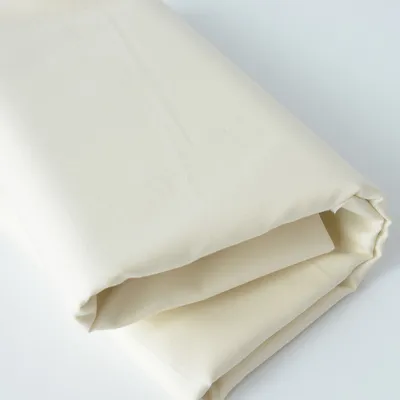
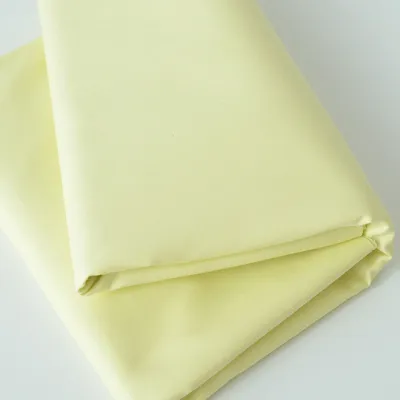
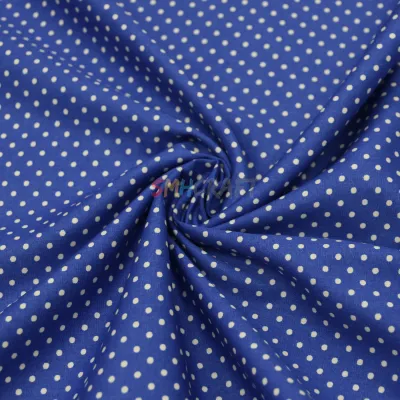
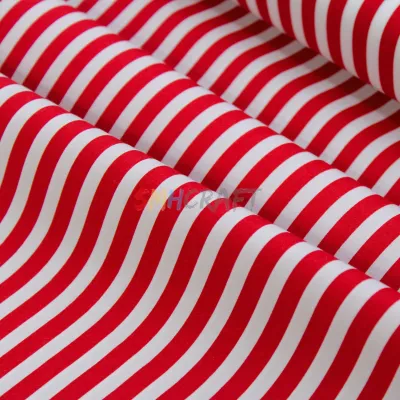
Prices are valid at publication and may change. Please refer to the product page for the latest price.
This combination of fine and thick yarns creates a subtle, horizontal ribbed effect across the surface of the fabric. Although these ribs are incredibly fine and often barely visible to the naked eye, they give poplin its signature crispness and structural integrity. The tight packing of the threads also results in a dense, smooth surface that resists wind and water better than looser plain weaves.
While the term “poplin” refers strictly to this weaving technique, the actual fiber composition can vary widely. Historically developed as a silk and wool blend, modern poplin is commonly made from cotton, polyester, poly-cotton blends, or even luxurious silk and rayon.
Because of this diversity, you should never assume that a fabric labeled “poplin” is automatically made of 100% cotton. A polyester-blend poplin will behave very differently under an iron compared to a pure cotton variety. Always verify the exact fiber composition by checking the fabric bolt, the manufacturer’s label, or the online product specifications before making a purchase.
Key Characteristics to Evaluate for Your Sewing Needs
When evaluating poplin for a sewing project, its physical traits and handling properties are the most critical factors to consider. Poplin is highly regarded for its crisp drape, which allows it to hold structured shapes without feeling heavy or bulky. Unlike fluid fabrics that cling to the body, poplin stands slightly away from the frame, making it excellent for tailored designs. It is typically lightweight to medium-weight, offering a comfortable balance of breathability and substance.

The breathability and durability of poplin depend heavily on its fiber content. Pure cotton poplin is exceptionally breathable and cool, making it ideal for warm-weather clothing. Adding polyester increases wrinkle resistance and durability, though it may slightly reduce breathability, while pure synthetic poplins are highly durable but can trap heat.
Handling poplin during the sewing process presents a unique set of characteristics that you must manage. Because of its tight weave, poplin holds creases beautifully, making it easy to press hems, pleats, and collar edges. However, this same tight structure means that raw edges can fray easily if left unfinished. Additionally, synthetic poplins can be somewhat slippery to cut and sew, while pure cotton poplins are generally stable and easy to control under the presser foot.
To ensure you select the right poplin for your needs, perform a few simple observable checks when shopping. Hold the fabric up to the light to evaluate its opacity; lighter colors and lower-weight poplins may require a lining for garments. Squeeze a handful of the fabric to see how quickly it wrinkles and how easily those wrinkles can be smoothed out. Finally, let the fabric drape over your hand to observe whether it falls in soft folds or holds a stiffer, more structured shape.
Best Sewing Projects and Applications for Poplin
Poplin’s unique combination of crispness and lightweight structure makes it incredibly versatile, particularly for garments that require clean lines. Classic button-down shirts and tailored blouses are perhaps the most famous applications for this fabric, as the weave supports sharp collars, neat cuffs, and structured button plackets. A-line skirts, structured shift dresses, and lightweight summer dresses also benefit from poplin’s ability to hold a clean silhouette without sagging.
Beyond apparel, poplin is a popular choice for crafting, quilting, and lightweight home decor. Its smooth surface is excellent for embroidery, fabric painting, or applique. In quilting, cotton poplin creates crisp blocks, while in home decor, it works well for table runners, napkins, and decorative pillow covers.
However, poplin is not suitable for every type of project, and attempting to use it for the wrong application can lead to disappointing results. You should avoid using poplin for heavy winter outerwear, as it lacks the thickness and insulation required for cold-weather protection. Similarly, highly draped evening gowns that require fluid, liquid-like movement will not drape correctly when made from crisp poplin. Because poplin is a woven fabric with virtually no mechanical stretch, it is also entirely unsuitable for activewear or patterns designed specifically for knit fabrics.
When selecting a sewing pattern for poplin, always adjust your choices to accommodate this lack of stretch. Look for patterns that incorporate structural elements like darts, pleats, gathers, or zippers to provide shape and ease of movement. If a pattern calls for a fabric with stretch or a highly fluid drape, look for alternative materials, or be prepared to modify the pattern to include extra ease and closures.
Preparation, Sewing, and Care Guidelines
Proper preparation is the foundation of a successful sewing project, especially when working with woven fabrics like poplin. Before cutting into your fabric, you must pre-wash and shrink it according to its specific fiber content. Pure cotton poplin is prone to shrinking during its first wash, so skipping this step can result in a finished garment that is too small. If your poplin is a polyester blend, it may shrink less, but pre-washing is still recommended to remove any manufacturing residues or excess dyes.
When you are ready to sew, selecting the correct tools will prevent damage to the tightly woven fibers of the poplin. Use a universal or sharp needle, typically in size 70/10 or 80/12, depending on the exact weight of your fabric. A needle that is too large can leave visible holes in the dense weave, while a dull needle may cause snagging or skipped stitches. Pair your needle with a high-quality all-purpose polyester or cotton thread, and set your sewing machine to a standard stitch length of 2.0 mm to 2.5 mm.
To prevent raw edges from fraying, plan to finish your seams using pinking shears, a zigzag stitch, or an overlock stitch. For a professional interior finish on unlined garments, French seams or flat-felled seams work beautifully. When pressing, use a hot steam iron for pure cotton, but lower the temperature for synthetic blends to avoid melting the fibers.
Always follow the manufacturer’s specific care instructions for washing and maintaining your finished poplin items. For standard cotton and polyester-blend poplins, machine washing in cool or warm water followed by tumble drying on low is generally safe. However, if you are working with delicate blends such as silk poplin, home washing may cause irreversible damage. In these cases, or when care labels conflict with standard methods, stop and consult a professional dry cleaner to preserve the beauty and longevity of your project.
Frequently Asked Questions (FAQ)
Is poplin fabric good for beginners?
Yes, poplin is widely considered one of the best fabrics for beginner sewists due to its exceptional stability. Unlike slippery silks or highly elastic knit fabrics, poplin lies flat on the cutting table and does not shift or stretch out of shape under the presser foot. This stability makes it easy to cut accurately, pin securely, and sew straight seams. The primary challenge for beginners is managing the fraying edges, which requires learning basic seam finishing techniques like zigzag stitching or using pinking shears. Starting with a simple cotton poplin project, such as a basic tote bag or an elastic-waist skirt, is an excellent way to build confidence.
How does poplin compare to broadcloth or twill?
While poplin, broadcloth, and twill are all common woven fabrics, they differ significantly in texture, weight, and structure. Broadcloth is very similar to poplin as a plain-weave fabric, but it typically uses yarns of uniform size, resulting in a smoother, flatter finish without poplin’s subtle horizontal ribs. Twill, on the other hand, is woven with a diagonal pattern that creates a heavier, more durable, and highly wrinkle-resistant fabric, such as denim or gabardine. You should choose poplin when you want a lightweight, crisp fabric with a subtle texture for shirts and dresses. Choose broadcloth for an ultra-smooth, uniform surface, and opt for twill when your project demands maximum durability and weight, such as for trousers or jackets.

Community discussion
Share your experience or ask a question. Comments are reviewed before publication.