
Pompompurin is a beloved character IP rather than a single notebook manufacturer, meaning the paper quality you experience depends entirely on the stationery brand producing the item. To find a satisfying writing experience, you must look past the character design and evaluate the actual manufacturer’s paper specifications, thickness, and ink handling capabilities. This guide provides a framework to compare these physical attributes across different Pompompurin notebook options available on the market.
When you purchase a notebook featuring the yellow golden retriever character, you are buying a licensed design printed on paper sourced by a specific manufacturer. A notebook bought from a high-end Japanese stationery brand will perform very differently from a budget-friendly option found in a local novelty shop. Understanding how to identify the manufacturer and read paper specifications is key to ensuring your pens glide smoothly without ruining the reverse side of the page.
By focusing on physical attributes like paper weight, surface texture, and ink compatibility, you can make an informed decision that matches your writing style. Whether you use fountain pens, gel pens, or standard pencils, knowing what to look for on the packaging will help you find a notebook that is both adorable and highly functional.
Products mentioned in this guide
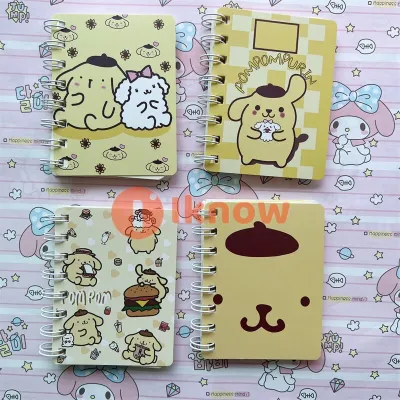
Prices are valid at publication and may change. Please refer to the product page for the latest price.
Identifying the Actual Manufacturers of Pompompurin Notebooks
To understand the paper quality of a Pompompurin notebook, you must first identify who actually manufactured it. Sanrio licenses its characters to a wide variety of stationery brands globally, ranging from premium paper manufacturers to generic novelty producers. The paper quality, binding durability, and overall writing experience are determined by these licensees rather than Sanrio itself.
You can distinguish between official Sanrio boutique merchandise, licensed stationery collaborations, and unauthorized print-on-demand products by inspecting the packaging. Official and licensed products always feature a copyright notice, a Sanrio licensing sticker, or the logo of an established stationery brand. Unauthorized products often lack these details, featuring generic covers with no manufacturer information or licensing marks.
Established stationery brands typically provide consistent paper specifications and strict quality control. When Sanrio collaborates with known paper manufacturers, the notebook packaging usually displays the manufacturer’s brand alongside the character art. These products offer predictable paper performance, whereas generic or unlicensed novelty notebooks often use standard, low-grade paper that varies from batch to batch.
Furthermore, licensed collaborations often specify the exact type of paper used, such as fountain-pen-friendly paper or recycled sheets. This transparency allows you to research the paper’s reputation before buying. In contrast, generic manufacturers rarely disclose their paper sources, leaving you to guess how the pages will handle your writing instruments.
Evaluating Paper Thickness and Texture Specifications
Paper thickness is a primary factor in how a notebook handles different writing instruments. This specification is typically measured in GSM (grams per square meter), which indicates the weight and density of the paper. When browsing Pompompurin notebooks, look for this rating on the back cover, the product label, or the online listing details.

A higher GSM generally indicates thicker paper that is more resistant to ink penetration. For everyday writing with standard ballpoint pens or pencils, paper between 70 GSM and 80 GSM is usually sufficient. If you write with gel pens, rollerballs, or fountain pens, look for notebooks featuring 100 GSM to 120 GSM paper to ensure a sturdier writing surface.
Paper texture, or tooth, also significantly affects your writing experience. Smooth finishes allow gel pens and fountain pens to glide effortlessly across the page without catching, which helps prevent ink skipping. Conversely, a slightly textured or toothy paper provides the necessary friction for pencils and ballpoint pens, giving you better control over your handwriting. You can verify these finishes by checking product descriptions for terms like “smooth,” “matte,” or “textured.”
Additionally, consider how the paper’s coating affects texture. Coated papers tend to be exceptionally smooth and slow down ink absorption, which enhances ink sheen but increases drying time. Uncoated papers absorb ink faster, reducing the risk of smudging, but they may feel slightly rougher under a fine-nib pen. Understanding these differences helps you choose a notebook that matches your preferred writing speed and style.
Assessing Ink Compatibility and Bleed-Through Risks
Using high-flow inks on incompatible paper often leads to frustrating writing issues. Fountain pens, wet markers, and heavy gel pens deposit a large volume of liquid onto the page, which can easily saturate thin or highly absorbent paper fibers. This saturation causes two main issues: bleed-through, where ink penetrates completely to the other side, and ghosting, where a shadow of the writing is visible on the reverse side.
To prevent these issues, you can perform simple, non-destructive tests on your notebook before committing to regular use. If the notebook does not include a dedicated test page, use the bottom corner of the very last page to test your favorite pens. Apply a small amount of ink and observe how quickly it dries, whether it spreads outward, and if it shows through on the reverse side.
Watch closely for signs of feathering, which occurs when ink spreads uncontrollably along the paper fibers, creating fuzzy, distorted lines. If you notice feathering or significant ghosting during your test, the paper is likely highly absorbent and well suited for low-flow instruments like ballpoint pens or colored pencils. For wet inks, you will need paper specifically treated or sized to resist liquid absorption.
It is also helpful to observe how different ink colors behave on the page. Some highly saturated inks may ghost more prominently than lighter shades, even on thicker paper. Conducting a quick test with your most frequently used pens ensures you will not accidentally ruin subsequent pages during your daily writing or journaling sessions. If you plan to use watercolor washes or heavy markers, you will likely need to look for specialized mixed-media paper rather than standard notebook sheets.
Decision Framework: Selecting Your Ideal Pompompurin Notebook
Choosing the right Pompompurin notebook requires balancing your aesthetic preferences with your functional writing needs. If you rely on fountain pens, heavy gel pens, or markers, prioritize official collaborations with established stationery brands. These notebooks offer verified paper specifications, consistent ink handling, and reliable binding that can withstand daily use.
For those who primarily use standard ballpoint pens or pencils, generic or independent print options can be a practical choice. While these notebooks may lack detailed paper specifications, their standard paper is highly adequate for low-flow writing tools. This allows you to focus primarily on the cover design and layout without worrying about ink bleeding through the pages.
Before making a purchase, always verify the product details if the listing lacks clear paper weight or manufacturer information. Checking for official copyright notices and licensing marks helps ensure you are receiving a product that meets basic quality standards. By matching your writing tools to the verified paper specifications of the manufacturer, you can enjoy both the adorable Pompompurin designs and a satisfying writing experience.
If you are shopping in a physical store, take a moment to feel the weight of the notebook and gently flex the pages. A sturdy spine and pages that feel substantial to the touch are good indicators of quality, even when explicit specifications are missing from the label. For online purchases, reading customer feedback specifically focused on paper feel and ink performance can provide valuable insights that go beyond the basic product description.
Frequently Asked Questions (FAQ)
How can I verify if a Pompompurin notebook is an official Sanrio product?
To verify authenticity, look for the official Sanrio copyright symbol, which is typically accompanied by the character’s creation year, on the back cover or packaging. Authentic merchandise often features a holographic security sticker or a specific brand authorization label. Additionally, purchasing from authorized retailers or official brand stores ensures you are getting a genuine, licensed product.
What should I do if the notebook packaging does not list the paper weight?
If the paper weight is not listed, you can perform a quick visual and tactile check by holding a single page up to the light to gauge its opacity and thickness. You can also test your primary writing instrument on the last page or the inside back cover to check for bleed-through and ghosting. Alternatively, check online user reviews or contact the seller directly to ask for the specific GSM or material details.

Community discussion
Share your experience or ask a question. Comments are reviewed before publication.