
Selecting the correct polymailer bag size is a balancing act between protecting your items, minimizing shipping costs, and presenting a professional package to your customers. If a bag is too small, the seams can burst during transit; if it is too large, the excess material can get caught in sorting machinery or increase your shipping fees. By matching the physical dimensions of your products to standard mailer sizes and accounting for thickness, you can streamline your packaging process and ensure your items arrive safely.
To find the ideal fit, you must look beyond flat measurements and consider how a product’s volume expands the bag. A systematic approach to measuring your items and understanding material specifications will help you choose the right inventory for your shipping needs.
How to Measure and Calculate the Right Polymailer Size
To determine the minimum polymailer size required for any item, you must measure its three primary dimensions: length, width, and height (or thickness). Because polymailers are flat, three-dimensional items will pull the front and back sheets together, reducing the available width and length of the bag.
Products mentioned in this guide
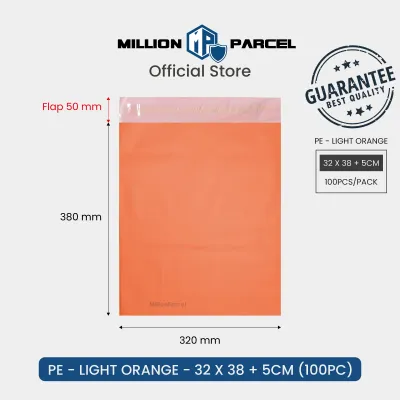
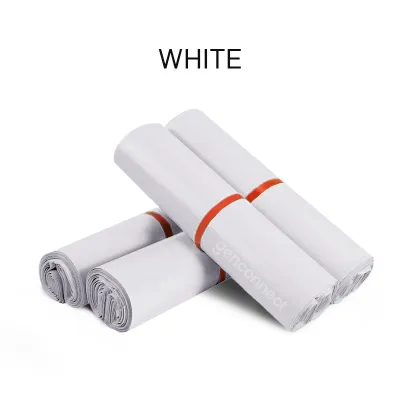
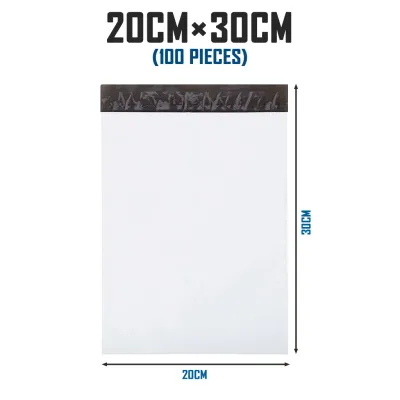
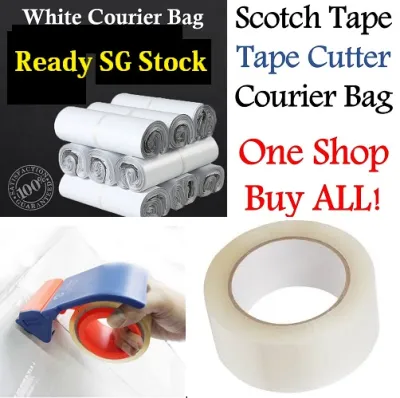
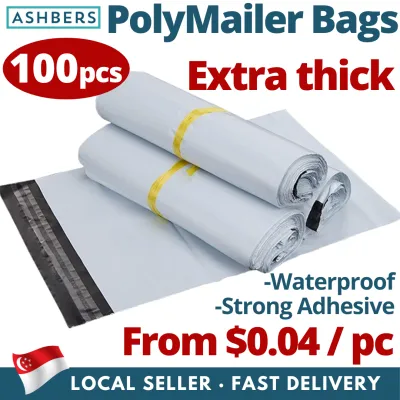
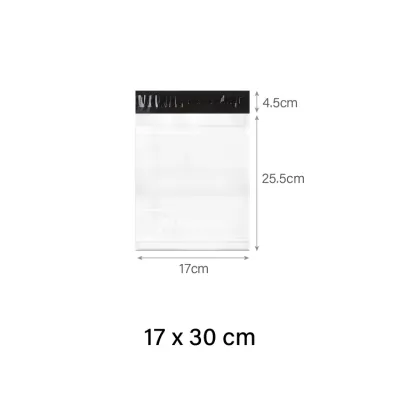
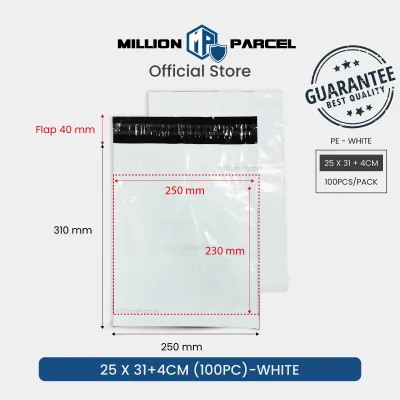
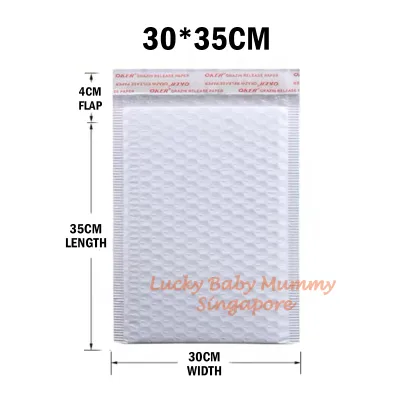
Prices are valid at publication and may change. Please refer to the product page for the latest price.
To calculate the minimum required width of your polymailer, use this formula: Required Bag Width = Product Width + Product Height + Seam Allowance
The seam allowance should be at least 10 to 20 millimetres to ensure the item slides in easily without putting excessive tension on the side seals. For example, if you are shipping a book that is 150 millimetres wide and 30 millimetres thick, your minimum bag width should be at least 190 to 200 millimetres.
To calculate the minimum required length of your polymailer, use this formula: Required Bag Length = Product Length + Product Height + Seam and Flap Allowance
The flap allowance must account for the fold-over section containing the adhesive strip, which typically requires an additional 40 to 50 millimetres. Using the same book example with a length of 220 millimetres and a thickness of 30 millimetres, the minimum bag length would be 220 + 30 + 50, resulting in a required length of 300 millimetres.
Bulky, rigid, or irregularly shaped items require extra space to prevent stretching or tearing. Soft items like clothing can compress easily, but rigid items like boxed board games or plastic toys do not yield. For these rigid products, always round up your calculations to the next standard bag size to avoid punctures.
Matching Common Polymailer Dimensions to Product Categories
Standard polymailer sizes generally fall into three main categories, each suited for specific types of e-commerce goods. Understanding these ranges helps you stock the right variety of packaging without overcomplicating your inventory.

Small polymailers, typically ranging from 150 x 220 millimetres to 180 x 250 millimetres, are ideal for lightweight, non-fragile items. These are commonly used for shipping jewelry, small cosmetics, keychains, phone cases, and single fashion accessories. Because these items are small, using a compact mailer prevents them from shifting excessively and keeps the package neat.
Medium polymailers, usually measuring between 250 x 350 millimetres and 300 x 400 millimetres, are the most versatile option for online retailers. This size range easily accommodates folded apparel such as t-shirts, dress shirts, light sweaters, as well as books, stationery sets, and small electronics in their retail packaging. When packing apparel, folding the garment flat and squeezing out excess air before sealing helps maintain a uniform thickness.
Large polymailers, which measure 400 x 500 millimetres or larger, are designed for bulky soft goods or multiple items shipped together. These are suitable for winter coats, hoodies, bedding, or shoe boxes. For highly dimensional or boxy items, consider using gusseted polymailers, which feature expandable sides or bottoms that open up to accommodate volume without distorting the bag’s shape.
Keep in mind that nominal dimensions can vary slightly between packaging manufacturers. A “medium” bag from one supplier might differ by a few millimetres from another, so always verify the exact specification sheet and request samples for a physical trial before placing a bulk order.
Key Specifications Beyond Dimensions to Verify
While dimensions are critical, the material properties of the polymailer determine how well it protects your products during transit. Evaluating these specifications ensures your packaging can withstand rough handling and environmental factors.
The thickness of a polymailer is typically measured in microns or mils. Standard utility mailers are usually around 40 to 50 microns thick, which is sufficient for lightweight clothing and soft items. For heavier goods, items with sharp corners, or shipments traveling long distances, opt for heavy-duty mailers with a thickness of 60 to 75 microns to provide superior tear and puncture resistance.
The quality of the adhesive strip and seal strength is another vital factor. High-quality mailers feature a hot-melt adhesive strip that creates a permanent, tamper-evident bond once pressed closed. In warm and humid climates, such as Singapore, inferior adhesives can soften and lose their grip, so it is essential to test the seal strength under local environmental conditions to ensure it remains secure.
Opacity and color options also play a role in security and branding. Co-extruded polymailers, which feature a dark grey or black interior layer and a colored exterior, offer complete opacity to keep high-value items hidden from view. If brand presentation is a priority, custom-printed or colored mailers can enhance the unboxing experience, provided they maintain the necessary opacity and durability.
Because minor dimensional and material variances exist across different brands, rely on the specific product label and manufacturer specifications rather than generic category assumptions. Conducting a simple drop test with a fully packed mailer can help verify if the chosen thickness and seal strength are adequate for your shipping workflow.
Frequently Asked Questions (FAQ)
Can I use a polymailer for fragile items?
Polymailers do not provide crush or impact protection because they lack structural rigidity and cushioning. Shipping fragile items like glassware, ceramics, or delicate electronics solely in a standard polymailer will likely result in damage during transit.
For fragile goods, you should use rigid corrugated boxes or heavily padded bubble mailers to absorb shocks. Alternatively, you can pack the fragile item securely inside a rigid inner box with protective cushioning, and then place that box inside a waterproof polymailer to protect it from moisture and dirt.
How does bag size affect my shipping costs?
Using a polymailer that is too large can unnecessarily increase your shipping costs. Many courier services calculate shipping fees based on dimensional weight (volumetric weight) rather than actual weight, meaning excess empty space in a bag can push your package into a higher pricing tier, costing you more in S$.
Additionally, oversized bags allow items to slide around during transit, which can cause the contents to bunch up, look unprofessional upon arrival, or sustain damage. Choosing a snug, properly sized polymailer keeps your packages compact, helps control shipping expenses, and ensures a neat presentation.

Community discussion
Share your experience or ask a question. Comments are reviewed before publication.