
When selecting materials for your next crafting venture, matching the fiber’s inherent physical properties to your project’s functional demands is the key to success. Poly rope yarn has emerged as a favorite among modern crafters seeking structural integrity, weather resistance, and bold definition. This specialized material is a thick, synthetic cord engineered from thermoplastic polymers, designed to offer structural support that traditional wool or cotton yarns simply cannot provide. If you are planning to create durable home decor, rigid storage solutions, or resilient outdoor accessories, understanding how this synthetic workhorse behaves will help you achieve a flawless finish.
What Is Poly Rope Yarn?
To understand poly rope yarn, it is helpful to look at its chemical and physical construction. Unlike standard knitting or crochet yarns that are spun from short natural or acrylic fibers into soft, pliable plies, poly rope yarn is typically extruded from synthetic polymers like polypropylene or polyethylene. These polymers are drawn into continuous, high-strength filaments that are then either tightly twisted or braided together to form a dense, rope-like structure. This manufacturing process gives the yarn its characteristic smooth, slightly glossy surface and exceptional tensile strength.
The physical differences between standard yarn and poly rope yarn are immediately apparent upon handling. Traditional yarn is designed for warmth, breathability, and drape, making it highly elastic and soft to the touch. In contrast, poly rope yarn is thick, heavy, and structurally rigid. It behaves more like utility cordage than apparel fiber, prioritizing form retention over flexibility. This rigidity means it does not split easily when worked with hooks or needles, providing clean stitch definition for structural patterns.
Products mentioned in this guide
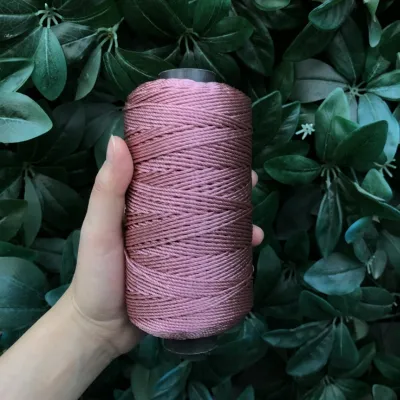
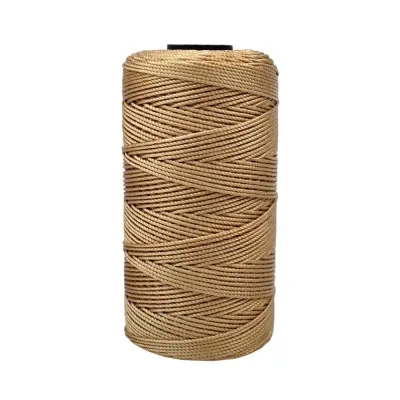
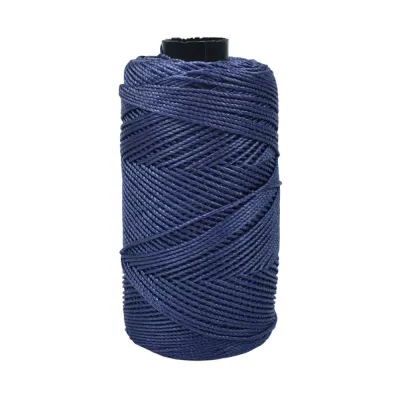
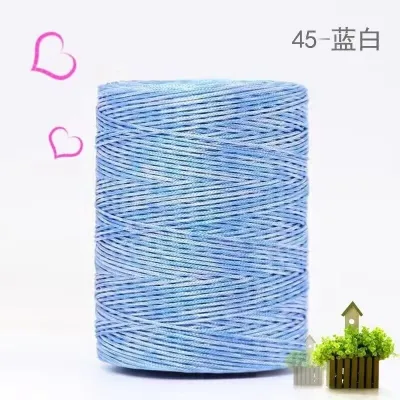
Prices are valid at publication and may change. Please refer to the product page for the latest price.
It is also important to note that the term “poly” is an umbrella label in the textile world. A product sold as poly rope yarn might be composed entirely of polypropylene, polyethylene, or a polyester blend. Each of these synthetic variations possesses slightly different melting points, textures, and levels of stiffness. Before finalizing a purchase, always examine the product label to verify the exact material composition, as this dictates how the yarn will react to heat, tension, and moisture.
Key Characteristics and Performance Traits
The popularity of poly rope yarn in structural crafting stems from its unique performance profile. First and foremost are its structural traits: high durability, stiffness, and superb knot-holding capability. When you tie a knot in a high-friction synthetic rope, the fibers lock into place under tension, preventing the knot from slipping or loosening over time. This structural stability is invaluable for complex, weight-bearing designs that must maintain their shape under physical stress.

Environmental resistance is another major advantage of this material, particularly in humid tropical climates like Singapore. Because polypropylene and polyethylene are hydrophobic, they do not absorb water. Moisture simply sits on the surface or drains through the gaps in the braid, allowing the yarn to dry rapidly. This resistance to water absorption directly prevents the growth of mold, mildew, and rot. While a cotton hanger in a humid bathroom or balcony might develop dark spots and musty odors within months, a poly rope alternative remains clean and structurally sound.
UV resistance is a variable trait that requires careful verification. While synthetic polymers are inherently durable, prolonged exposure to direct sunlight can cause untreated plastics to break down, fade, and become brittle over time. Many manufacturers add UV stabilizers to their poly rope yarns during the extrusion process to protect them from sun damage. However, you should never assume all poly yarns are sun-proof; always check the manufacturer’s technical specifications to confirm UV-stabilization if your project is destined for a sunny patio or garden.
Finally, it is essential to recognize that poly rope yarn completely lacks the drape and elasticity of natural fibers like wool or cotton. It will not stretch under normal tension, nor will it flow softly over curves. This lack of elasticity makes it highly predictable for structural forms, but it also means the material can be physically demanding to work with, requiring more hand strength to manipulate than traditional fibers.
Best Craft Projects for Poly Rope Yarn
Matching the unique physical properties of poly rope yarn to the right project ensures a successful and long-lasting creation. Its strength and rigidity make it a poor choice for delicate apparel, but these same qualities make it shine in structural, utilitarian, and outdoor applications.
Macrame and Structural Decor
Macrame relies heavily on the physical tension and definition of individual knots to create visual patterns. Poly rope yarn excels in this medium because its inherent stiffness and surface friction allow complex knot sequences—such as square knots, clove hitches, and crown knots—to remain incredibly crisp and secure. The rope does not compress easily, meaning your patterns retain their three-dimensional depth even when subjected to physical stress.
This makes the yarn highly suitable for functional structural decor. Heavy potted plants, for instance, can put immense strain on hanging planters. A planter crafted from poly rope yarn will not stretch or sag over time, keeping your ceramics safely suspended at their intended height. Similarly, large-scale wall hangings and structural room dividers benefit from the material’s weight and rigidity, hanging straight and flat without the unsightly curling or warping common with softer fibers.
Basket Weaving and Storage Bins
Creating self-supporting storage containers usually requires either an internal wire frame or an incredibly stiff material. Poly rope yarn provides the necessary rigidity naturally. When woven or crocheted into a dense fabric, the thickness and stiffness of the synthetic rope support its own weight, allowing baskets, bowls, and storage bins to stand upright and maintain their shape even when completely empty.
To achieve this self-supporting structure, crafters typically employ large crochet hooks or heavy-duty weaving needles. Working with a 4mm or 5mm poly rope generally requires a hook size ranging from 6mm to 10mm, depending on how tightly you wish to stitch. The resulting dense, interlocked loops create a rugged, puncture-resistant barrier that is perfect for holding household items, toys, or even acting as a decorative cover for indoor planters.
Outdoor and Garden Crafts
The weather-resistant nature of poly rope yarn makes it a premier choice for outdoor utility and decorative projects. Traditional natural fibers rot quickly when exposed to soil, rain, and varying outdoor temperatures, but synthetic poly yarn remains virtually unaffected by the elements. This makes it highly functional for creating durable outdoor door mats, patio rugs, and decorative hanging lanterns.
In the garden, this yarn can be used to construct custom plant trellises, hanging shelf organizers, or secure ties for climbing vines. Because it does not harbor moisture, it will not encourage fungal growth against the stems of your plants. When planning outdoor projects, remember to verify the specific product’s weather-resistance ratings and colorfastness. Cheaper dyes may fade under intense sunlight or bleed onto concrete floors during heavy rain, so choosing a high-quality, solution-dyed poly yarn is recommended for long-term outdoor exposure.
When to Avoid Poly Rope Yarn (Limitations)
While poly rope yarn is an exceptional material for structural and outdoor crafts, its physical properties make it entirely unsuitable for several types of projects. Understanding these limitations will save you time, money, and potential physical discomfort.
First, you must strictly avoid using poly rope yarn for wearable garments, blankets, or accessories that come into direct contact with the skin. The material’s stiffness, coarse texture, and lack of breathability will cause severe skin friction and chafing. Unlike natural wool or cotton, synthetic poly fibers do not wick moisture away from the body; instead, they trap heat and sweat, making garments incredibly uncomfortable, especially in warm climates. The lack of drape also means any wearable item would feel stiff, boxy, and unyielding.
Second, do not use poly rope yarn to create baby items, teething toys, or pet toys intended for chewing. Infants and pets explore the world with their mouths, and synthetic fibers can shed microplastics or contain chemical colorants and stabilizers that are unsafe to ingest. Unless a specific poly rope product possesses verified, independent non-toxic safety certifications (such as OEKO-TEX or local toy safety standards) explicitly stating it is safe for infant oral contact, it should be kept far away from nurseries and playpens.
Finally, keep in mind the material’s high sensitivity to heat. Polypropylene and polyethylene are thermoplastics, meaning they will soften, melt, and deform when exposed to high temperatures. Placing a hot pan directly onto a poly rope trivet, using a hot iron to press a finished piece, or washing the item in boiling water will instantly ruin the structural integrity of the fibers and potentially release unpleasant chemical fumes. Always consult the manufacturer’s care label to verify the exact thermal limits of your yarn before applying any form of heat.
Tips for Choosing and Working with Poly Rope Yarn
Working successfully with poly rope yarn requires a few adjustments to your purchasing decisions and crafting techniques. By selecting the right specifications and using the correct tools, you can minimize physical strain and ensure a professional finish.
When purchasing, pay close attention to the diameter and core construction of the rope. A 2mm to 3mm yarn is ideal for detailed macrame patterns, delicate jewelry, or smaller baskets, while a 5mm or thicker rope is better suited for large-scale wall hangings, heavy plant hangers, and outdoor mats. Additionally, verify whether the rope is hollow or has a solid core. Hollow-core ropes are lighter, more flexible, and can be flattened, making them easier to sew through or coil. Solid-core ropes are heavier, highly rigid, and maintain a perfectly round profile, which is excellent for structural baskets but requires more physical hand strength to manipulate.
Your choice of tools is equally critical. Synthetic fibers have a tendency to snag on rough surfaces, so avoid using wooden or bamboo crochet hooks and knitting needles, which may have micro-abrasions. Instead, opt for large, smooth aluminum, steel, or high-quality plastic hooks. These smooth surfaces allow the stiff synthetic cord to glide easily, significantly reducing friction and minimizing hand and wrist fatigue during long crafting sessions.
Finishing the ends of poly rope yarn requires careful attention to prevent rapid fraying. Because the fibers are synthetic, they will unravel quickly once cut. For a safe and reliable finish, you can use mechanical methods such as tying tight whipping knots with a thinner thread, braiding the ends, or applying a small amount of clear, heavy-duty fabric glue to lock the fibers in place. If you decide to heat-seal the cut ends with a flame, you must prioritize safety: work exclusively in a well-ventilated area (ideally outdoors) to avoid inhaling toxic plastic fumes, and use appropriate tools to pinch the hot, molten plastic to prevent severe skin burns. If the manufacturer’s instructions do not explicitly verify that the specific polymer blend is safe for heat-sealing, rely strictly on mechanical binding or glue.
Frequently Asked Questions (FAQ)
Is poly rope yarn safe for children's toys?
While poly rope yarn is perfectly safe for decorative nursery items like wall hangings or storage baskets kept out of reach, it is not suitable for teething toys or playthings intended for direct mouth contact. Synthetic fibers can shed microplastics, and the dyes used may not be rated for ingestion. Only use this yarn for children’s toys if the manufacturer provides explicit, verifiable non-toxic and child-safety certifications.
Can you wash projects made with poly rope yarn?
Yes, most projects made with poly rope yarn are highly washable due to the material’s water-resistant properties. You can easily wipe the surface clean with a damp cloth or hand-wash the item in cool water using a mild detergent. However, you must avoid machine washing with heavy agitation, which can snag the fibers, and never use high-heat drying or hot water, as the extreme heat will melt or severely deform the synthetic polymers.
How do I stop the ends of poly rope yarn from fraying?
To prevent the cut ends of poly rope yarn from unraveling, you can employ mechanical finishing techniques such as wrapping the tip tightly with whipping thread, braiding the tail, or applying a dab of clear fabric glue. If you choose to heat-seal the ends with a lighter or flame, ensure you work in a well-ventilated space to avoid inhaling synthetic fumes, and never touch the molten plastic directly with your bare skin.

Community discussion
Share your experience or ask a question. Comments are reviewed before publication.