
Gift-giving is an art where presentation sets the initial tone and builds anticipation. In Singapore, with diverse cultural celebrations, corporate events, and personal milestones occurring year-round, finding the right packaging is essential. Plastic gift bags have become a popular choice due to their durability, water resistance, and sheer variety of designs. Whether you are preparing for a festive holiday exchange, a wedding favor distribution, or a professional seminar, these bags offer a practical yet stylish solution to protect and showcase your gifts.
However, selecting the perfect plastic gift bag requires more than just picking the first attractive design you see. A bag that is too small will stretch and distort, while one that is too large can make the gift look sparse and poorly planned. Furthermore, the material must be strong enough to support the weight of the item without tearing at the seams or handles. By understanding the different plastic materials, calculating precise dimensions, and checking key structural features, you can ensure your gift is presented beautifully and securely.
Understanding Plastic Gift Bag Materials and Finishes
The material of a plastic gift bag dictates both its structural integrity and its visual appeal. Different plastics offer varying levels of clarity, stiffness, and tear resistance, making certain types more suitable for specific gifts. The three most common plastics used for gift bags are polypropylene (PP), polyethylene (PE), and polyvinyl chloride (PVC).
Products mentioned in this guide
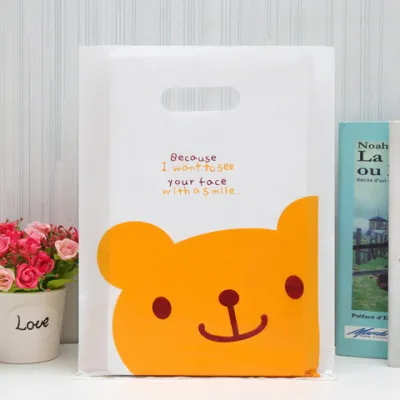
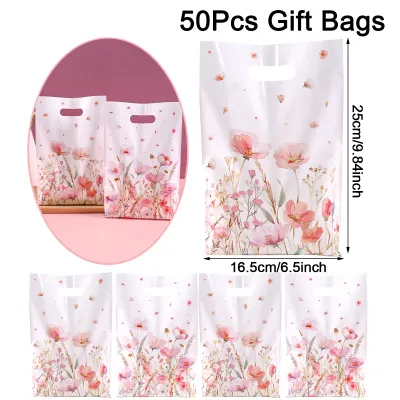
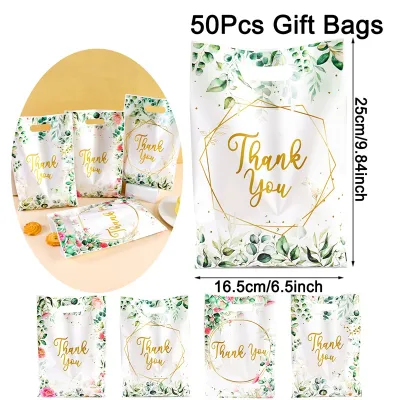
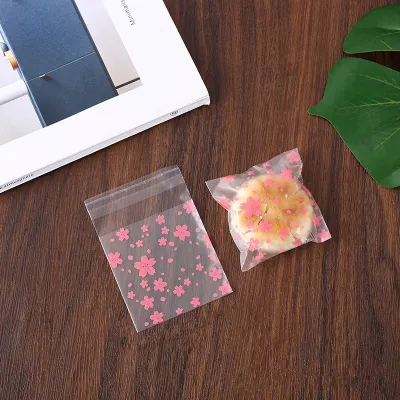
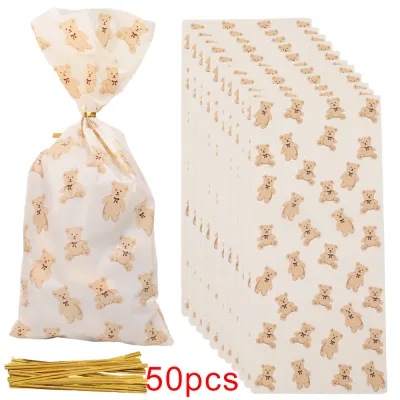
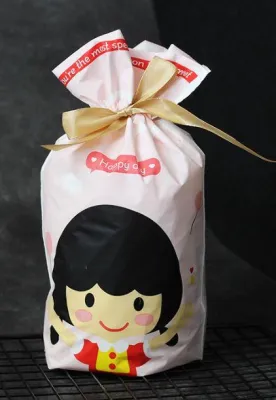
Prices are valid at publication and may change. Please refer to the product page for the latest price.
Polypropylene (PP) is highly favored for its exceptional clarity and rigid structure. It produces a distinct, clean crinkle sound and offers a high-gloss finish that makes colors pop. This material is excellent for showcasing visually appealing gifts, such as artisanal cookies, colorful stationery sets, or handmade crafts. Because PP is relatively stiff, it holds its shape well, but it can be prone to tearing if punctured by sharp corners.
Polyethylene (PE) is available in two primary forms: Low-Density Polyethylene (LDPE) and High-Density Polyethylene (HDPE). LDPE is incredibly smooth, highly flexible, and exceptionally resistant to punctures and tears. This makes it the ideal choice for packaging clothing, soft toys, or items with slightly pointed edges that might pierce stiffer plastics. HDPE, on the other hand, is more translucent, crinkly, and lightweight, often used for simpler utility bags rather than premium gift presentations.
Polyvinyl Chloride (PVC) is a thick, highly transparent, and rigid plastic. It is commonly used to manufacture structured, tote-style gift bags that can stand upright on their own. PVC bags are highly durable and offer a modern, minimalist aesthetic, making them popular for corporate gifts, luxury cosmetics, or heavier items. However, because of their rigidity, they do not stretch, so your gift must fit easily within the pre-formed dimensions.
Beyond the raw material, the visual finish of the bag plays a significant role in the overall presentation. Frosted finishes are semi-opaque, diffusing light to create a soft, sophisticated look that partially conceals the contents. This finish is highly popular for weddings and upscale corporate events. Glossy finishes maximize clarity and shine, making them perfect for vibrant, high-energy celebrations like children’s birthdays or festive holiday exchanges. Matte finishes offer a non-reflective, smooth surface that feels modern and premium to the touch, providing a subtle elegance.
When selecting a bag, always check the manufacturer’s specifications for thickness, which is typically measured in microns (µm) or mils. For lightweight items like greeting cards, stickers, or single pens, a thickness of 30 to 40 microns is sufficient. For medium-weight gifts such as notebooks, cosmetics, or small books, look for a thickness of 50 to 70 microns. Heavy or bulky items, such as mugs, glass jars, or small hampers, require a robust thickness of 80 to 100 microns or more to ensure the bag does not stretch, sag, or tear during transport.
Matching Bag Sizes to Common Gift Dimensions
Selecting the correct bag size is crucial for both aesthetic appeal and practical transport. A well-fitted bag keeps the gift secure and prevents it from shifting excessively, while also leaving enough room for decorative elements. To simplify the selection process, it helps to understand standard size categories and how they correspond to common gift items.

Small plastic gift bags, typically measuring around 10 by 15 centimeters, are designed for delicate, lightweight items. These are perfect for packaging jewelry boxes, enamel pins, custom keychains, small cosmetics, or individual wrapped treats. Because these items are small, a compact bag ensures they do not get lost in a sea of plastic and remain the focal point of the presentation.
Medium plastic gift bags, generally around 20 by 30 centimeters, are highly versatile and accommodate a wide range of standard gifts. This size is ideal for novels, A5-sized notebooks, medium plush toys, skincare gift sets, or small electronic accessories. A medium bag provides enough surface area to showcase the gift clearly while remaining easy to carry.
Large plastic gift bags, measuring 30 by 40 centimeters or more, are reserved for bulkier or multiple items. This category is suitable for folded apparel like shirts or sweaters, boxed board games, larger toys, or curated gift hampers. These bags must be constructed from thicker plastic to handle the increased volume and weight of the contents.
To determine the exact bag size you need, you must measure the physical footprint of your gift. Use a ruler or measuring tape to find the maximum width, height, and depth (thickness) of the item. If you are using a flat plastic bag without gussets, you must account for the depth of the gift in your width and height calculations.
For a flat bag, use the following formula to find the minimum required dimensions:
- Minimum Bag Width = Gift Width + Gift Depth + 3 centimeters (safety margin)
- Minimum Bag Height = Gift Height + Gift Depth + 8 centimeters (clearance for closure)
Adding these safety margins ensures that the plastic can flex around the three-dimensional shape of the gift without splitting the side seams or making it impossible to close the top.
If your gift is particularly thick or box-shaped, look for bags with gussets. A bottom gusset is an extra fold of plastic at the base of the bag that expands to create a flat bottom. This allows the bag to stand upright on a table, which is highly desirable for display purposes at events. Side gussets expand along the edges of the bag, allowing it to accommodate thick, rectangular items like shoe boxes or board games without stretching the front and back panels.
Finally, always leave adequate space at the top of the bag. This extra clearance is essential for folding the top over, sealing it with an adhesive strip, or gathering the plastic to tie a decorative ribbon or twist tie. If you plan to use decorative tissue paper to elevate the presentation, ensure there is enough vertical space so the paper can flare out elegantly from the top of the bag without being crushed or flattened.
Key Features to Check Before Buying
A beautiful design is meaningless if the bag fails structurally during transit. To prevent embarrassing tears or dropped gifts, it is essential to inspect several key features before making a purchase. These structural details determine how much weight the bag can safely carry and how secure the contents will remain.
The handle is the primary point of stress on any gift bag, making its design and reinforcement critical. Die-cut handles are cut directly into the plastic near the top of the bag. While they offer a clean, minimalist look, they are best suited for lightweight to medium items. Ensure the area around the die-cut handle is reinforced with an extra layer of plastic to prevent it from stretching or tearing under load. Soft loop handles are separate plastic strips welded securely to the inner top edge of the bag, offering a comfortable grip and better weight distribution for slightly heavier items. For premium frosted PP or rigid PVC bags, rope or ribbon handles are often threaded through reinforced metal eyelets, providing maximum strength and a luxurious feel.
The closure mechanism is another vital feature to evaluate, depending on the level of security and presentation style you desire. Ziplock or resealable strip closures are excellent for keeping dust, moisture, and air out, making them the preferred choice for food gifts like cookies or tea leaves. Self-adhesive strips, commonly found on flat apparel bags, provide a quick, neat, and permanent or semi-permanent seal that keeps the contents secure and flat. Drawstring closures, which utilize a ribbon or cord threaded through the top of the bag, offer a classic, elegant look that is incredibly easy to open and close, making them perfect for festive party favors.
Additionally, pay close attention to the seam strength and bottom construction of the bag. High-quality plastic bags feature wide, uniform heat-sealed seams along the sides. If the seals look thin, uneven, or have tiny gaps, they are highly likely to split when the bag is filled. For heavy or awkwardly shaped items, a reinforced bottom gusset is indispensable. This design distributes the weight of the gift across a larger, flat surface area, preventing the bottom of the bag from sagging, stretching, or bursting open when lifted.
Where to Source Plastic Gift Bags in Singapore
Finding the right plastic gift bags in Singapore is relatively straightforward, thanks to a variety of local retail and online options. Depending on your timeline, budget, and the quantity you require, different sourcing channels will best suit your needs.
For immediate, last-minute needs or when you only require a few bags, physical retail stores are the best option. Local stationery shops, party supply stores, and neighborhood lifestyle boutiques across Singapore carry a diverse selection of gift bags. Visiting a physical store allows you to perform a tactile quality check, feeling the thickness of the plastic and verifying the exact color and finish before purchasing. This eliminates the risk of buying bags that are too thin or have a different hue than expected.
If you are planning a large event, such as a wedding, a corporate seminar, or a festive holiday giveaway, sourcing from online marketplaces or local packaging suppliers is highly recommended. Buying in bulk packs of 50, 100, or more significantly reduces the cost per unit, making it a highly economical choice. Many local packaging suppliers in Singapore offer a wide range of specialized sizes, custom printing options, and fast local delivery, with some even providing self-collection services for urgent orders.
When shopping on online marketplaces or supplier websites, it is crucial to verify the product details carefully to avoid sizing mismatches. Always read the product description to confirm whether the listed dimensions represent the flat size or the usable size after expansion. Check customer reviews for real-life photos, which can provide a more accurate representation of the bag’s transparency, thickness, and overall quality. Finally, review the seller’s return policy and estimated delivery times to ensure your packaging arrives well in advance of your gifting occasion.
Frequently Asked Questions (FAQ)
Can plastic gift bags be reused or recycled?
High-quality plastic gift bags, particularly those made from thick frosted polypropylene (PP) or structured polyvinyl chloride (PVC), are highly durable and designed for multiple uses. To safely reuse a bag, inspect the handles for any signs of stretching, check the seams for minor tears, and wipe down the interior with a clean, dry cloth to remove any dust or debris.
When it comes to recycling, the process depends on the specific plastic material and local recycling guidelines. Look for the resin identification code stamped on the bottom or side of the bag. Bags made from High-Density Polyethylene (Code 2), Low-Density Polyethylene (Code 4), or Polypropylene (Code 5) are commonly accepted in clean plastic recycling streams. In Singapore, ensure that the bags are completely clean, free of food contamination, and stripped of any non-plastic components—such as paper labels, adhesive tape, or fabric ribbons—before placing them in the blue recycling bins.
How do I elevate the presentation of a plastic gift bag?
While plastic gift bags are highly practical, they can sometimes look plain if not styled thoughtfully. To elevate the presentation, start by adding a structured insert. Placing a piece of colored cardstock or rigid cardboard at the bottom of a clear or frosted bag creates a stable, flat base that keeps the gift upright and adds a pop of color.
You can also enhance the exterior of the bag by tying a high-quality ribbon—such as satin, grosgrain, or organza—around the handles. Attaching a personalized, handwritten gift tag adds a thoughtful, human touch that balances the modern look of the plastic.
Finally, consider layering the interior. Instead of placing the gift bare inside a clear bag, wrap the item in crisp, colorful tissue paper or surround it with shredded paper. For frosted bags, this layering technique creates an elegant, diffused silhouette that builds anticipation and makes the unboxing experience feel far more premium and sophisticated.

Community discussion
Share your experience or ask a question. Comments are reviewed before publication.