
Choosing a planner in Singapore often comes down to how the paper handles your daily writing tools. Fountain pens and gel pens require vastly different paper characteristics to perform at their best. While fountain pen inks are highly fluid and prone to spreading, gel inks are thicker but can pool or smudge on highly coated surfaces. Finding the right balance ensures your daily logs, schedules, and reflections remain legible and clean throughout the year.
Singapore’s tropical climate adds an extra layer of complexity to this choice. High relative humidity can naturally introduce moisture to paper fibers over time, making paper more absorbent and prone to ink feathering. Understanding how different paper types, weights, and finishes interact with your preferred pens is the key to avoiding ruined pages and messy layouts.
Understanding How Ink Interacts With Planner Paper
To evaluate planner paper effectively, you must first understand the three common issues that ruin a clean layout: bleed-through, feathering, and ghosting. Bleed-through occurs when ink penetrates completely through the paper sheet, appearing as spots or full lines on the reverse side. This physical breakthrough makes writing on both sides of a page virtually impossible and ruins subsequent pages.
Products mentioned in this guide
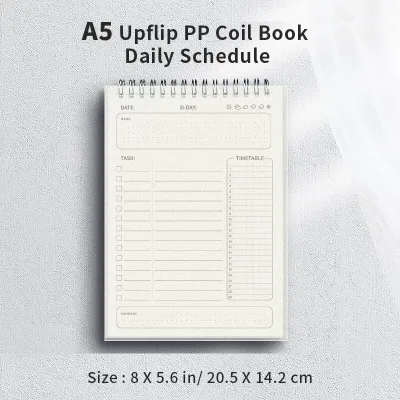
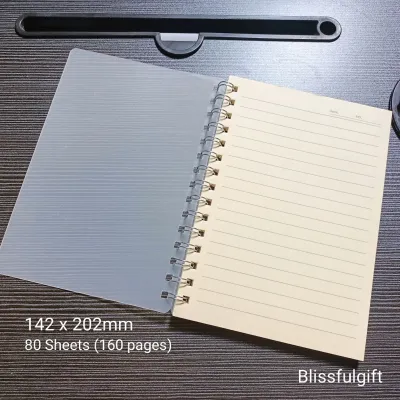
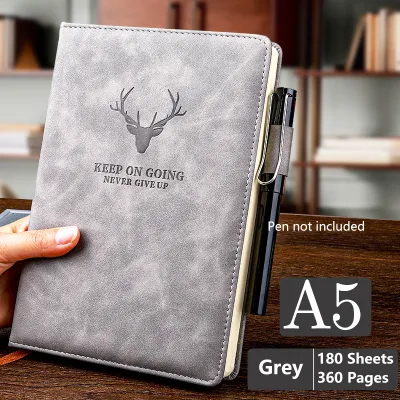
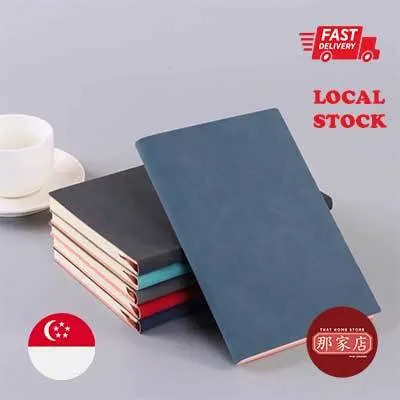
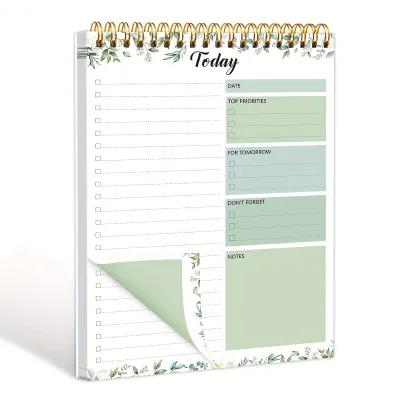
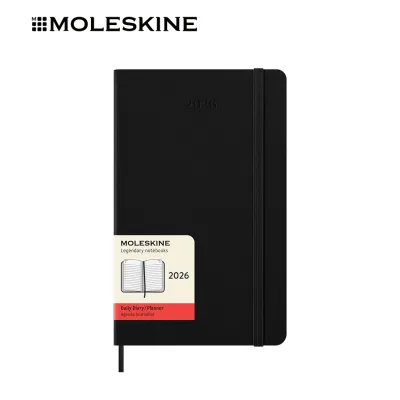
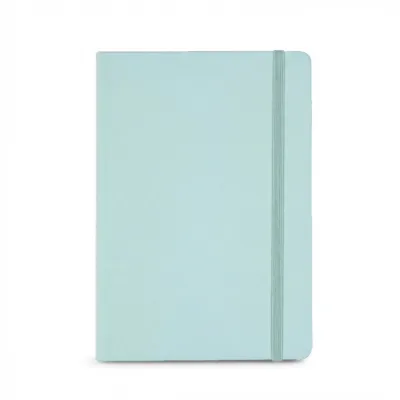
Prices are valid at publication and may change. Please refer to the product page for the latest price.
Feathering happens when ink spreads laterally along the paper fibers, causing sharp pen lines to look fuzzy, thick, or distorted. This is particularly common with wet writing instruments on highly absorbent paper. Ghosting, or show-through, is when the writing is visible as a shadow on the back of the page, even though the ink has not physically broken through the surface. While ghosting does not ruin the paper, it can reduce readability for those who prefer a pristine look.
Fountain pen inks are primarily water-based, highly fluid, and slow-drying. They rely on the paper’s surface treatment to hold the ink in place while the water evaporates. If the paper is too absorbent, the ink sinks in quickly, causing severe feathering and bleed-through. Conversely, gel pen inks use a water-based gel medium containing suspended pigments. They are thicker when at rest but become fluid under the pressure of the rolling ball. They dry relatively quickly but can sit on top of highly coated papers, leading to smudging if you turn the page too fast.
Paper sizing and surface coatings play a critical role in managing these ink behaviors. Sizing is a chemical treatment applied during papermaking to reduce absorbency. Internal sizing is mixed into the pulp, while surface sizing is applied to the finished sheet. High sizing prevents water-based inks from sinking too deeply or spreading laterally, which is crucial for fountain pens. However, excessive coating can prevent gel inks from anchoring, causing long drying times and smearing under a hand or ruler.
Comparing Paper Types in Popular Planner Brands
When browsing local stationery boutiques or online marketplaces in Singapore, you will encounter three main categories of paper used in popular planners. The first is specialized ultra-thin paper, often sourced from Japan. These papers are incredibly thin, typically ranging from 52 gsm to 68 gsm, yet they are highly sized. They resist bleeding and feathering beautifully, allowing fountain pen inks to show off their unique shading and sheen. However, because they are so thin, they exhibit significant ghosting, which some users find distracting.

The second category is standard wood-free paper, usually ranging from 80 gsm to 100 gsm. This is the most common paper found in mid-range and premium planners. It offers a balanced writing experience but can vary wildly in quality depending on the brand. Some wood-free papers are highly absorbent, causing fountain pen ink to feather instantly, while others are treated with enough sizing to handle gel pens and fine fountain pens perfectly without any issues.
The third category is recycled or textured paper, often used in eco-conscious or rustic planners. These papers tend to have more “tooth” (surface texture) and higher absorbency. While they provide a satisfying tactile feedback and are excellent for gel pens and ballpoints, they are generally unsuitable for fountain pens. The loose fibers can catch in the delicate tines of a fountain pen nib, and the high absorbency leads to immediate feathering.
Choosing between these paper types involves clear trade-offs. Thinner, highly sized papers allow for a compact, lightweight planner with hundreds of pages, making them ideal for daily layouts. However, you must tolerate ghosting and slightly longer drying times. Thicker papers eliminate ghosting entirely but result in a heavy, bulky planner that is harder to carry around in your daily bag.
Specifications and Labels to Check Before Buying
When shopping for a planner, paper weight is usually measured in GSM (grams per square meter). It is a common misconception that a higher GSM automatically guarantees a better experience with fountain pens. A 120 gsm sketch paper might bleed terribly because it lacks proper sizing, whereas a 52 gsm specialized paper can handle wet inks without any bleed-through. GSM only measures weight and thickness, not ink resistance.
Instead of relying solely on GSM, look for specific manufacturer claims. Labels such as “fountain pen friendly” or “ink-proof” indicate that the paper has been treated with surface sizing to prevent feathering and bleeding. These papers allow the ink to pool slightly on the surface, preserving the crispness of your lines. If you primarily use gel pens, look for labels indicating a “smooth finish” or “quick-drying compatibility,” which suggest the paper balances absorption and smoothness to prevent smudging.
The finish of the paper—whether it is smooth or toothy—greatly affects the writing feel and drying time. A smooth, coated finish allows gel pens and fountain pens to glide effortlessly across the page. However, this lack of friction increases drying times, which can be problematic for left-handed writers. A toothy finish provides more resistance, which can help control your handwriting, but it may cause fountain pens to feel scratchy and absorb ink too quickly.
How to Test Paper Compatibility at Home or In-Store
If you have the opportunity to visit a physical stationery store, or if you have just purchased a new planner, performing a simple paper test is the best way to verify compatibility. Always use the back pages, such as those designated for notes, contacts, or grid spacing, to perform a discreet test before committing to your main calendar pages.
Begin by writing a few characters using your standard writing pressure, then draw a small solid block of ink to test saturation. Use the exact pens you plan to use daily, noting how the line width holds up. If a fine 0.38mm gel pen line suddenly looks like a 0.5mm line, the paper is absorbing too much ink and feathering. Check the reverse side of the page under natural light to evaluate ghosting and look closely for any tiny spots of bleed-through.
To find the absolute limits of the paper, test it with your wettest writing instruments. Draw a thick line with a highlighter or write with a broad-nib fountain pen. Observe how long the ink takes to dry by gently tapping the line with a scrap piece of paper at five-second intervals. If the ink remains wet after thirty seconds, you will need to use a blotting sheet in your daily routine to prevent smudging when closing your planner.
Decision Framework: Matching Your Planner to Your Pen
To make the final selection, match your primary writing instrument and daily planning habits to the correct paper profile. If you write primarily with fountain pens, appreciate ink characteristics like shading, and want a high page count daily planner, choose a planner featuring specialized thin, highly sized paper. You must accept visible ghosting on the reverse side and use a blotting sheet to manage slower drying times in Singapore’s humid environment.
If you rely on gel pens for quick, colorful, and precise entries, opt for a standard wood-free paper planner (around 80 to 100 gsm) with a semi-smooth or slightly toothy finish. This combination provides rapid drying times, preventing smudges when you close your planner quickly during meetings or commutes, while maintaining excellent line clarity.
If you enjoy using a mix of heavy highlighters, brush pens, and broad fountain pens, look for planners with ultra-thick paper (120 gsm to 160 gsm). While these planners are heavier and contain fewer pages, they offer the highest resistance to both bleeding and ghosting, allowing you to decorate your pages without worrying about the reverse side.
Frequently Asked Questions (FAQ)
Does higher GSM always mean better paper for fountain pens?
No. GSM measures the weight of the paper per square meter, not its chemical composition or surface treatment. A high-GSM paper without proper surface sizing will absorb ink like a sponge, leading to severe feathering and bleeding. Conversely, low-GSM papers with specialized sizing can handle wet fountain pen inks perfectly, though they will show more ghosting due to their thinness.
Can I use highlighters on fountain-pen-friendly planner paper?
It depends on the highlighter and ink combination. Because fountain-pen-friendly paper keeps ink on the surface longer to prevent bleeding, running a liquid highlighter over freshly written fountain pen ink will likely cause smearing. To avoid this, allow your writing to dry completely, use a dry wax-based highlighter, or apply mild, water-based highlighters with a very light touch.

Community discussion
Share your experience or ask a question. Comments are reviewed before publication.