
To choose the correct parcel bag size, you must match the three-dimensional volume of your item to the flat, two-dimensional dimensions of the bag, leaving a safe margin for thickness and sealing. Selecting the right size prevents split seams, reduces shipping costs, and ensures your items arrive intact. Whether you are shipping soft clothing, rigid stationery, or boxed goods, calculating the required space before purchasing packaging materials saves time and minimizes waste.
Understanding Parcel Bag Dimensions and Measurements
When browsing parcel bags online or in stationery shops, the dimensions listed on the packaging usually represent the external flat measurements of the bag. However, the actual usable space inside is always smaller than these numbers suggest. Understanding how manufacturers measure these bags is the first step to avoiding packaging errors.
First, you must differentiate between the outer dimensions and the inner usable dimensions. The outer width and length are measured from edge to edge, including the side seams. Because these seams take up a few millimeters on each side, the internal width is slightly narrower than the advertised size. For thick or rigid items, this small difference can prevent the item from sliding into the bag smoothly.
Products mentioned in this guide
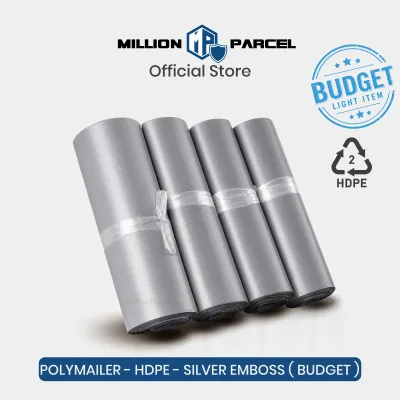
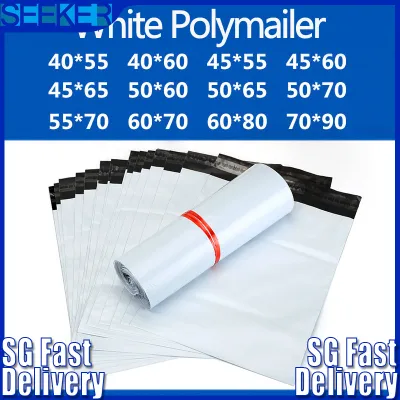
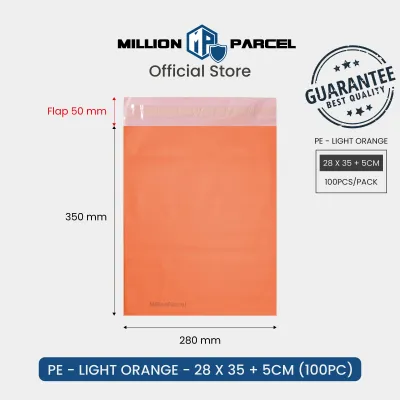
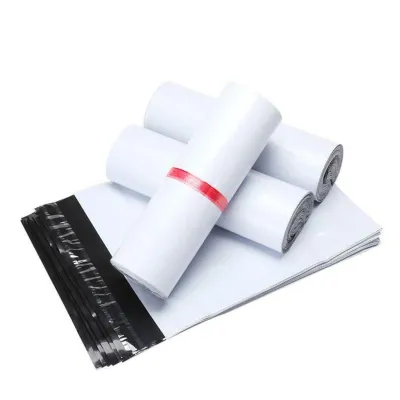
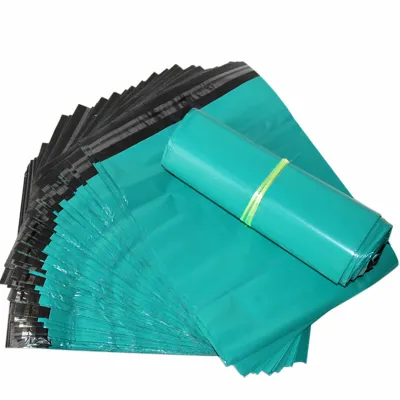
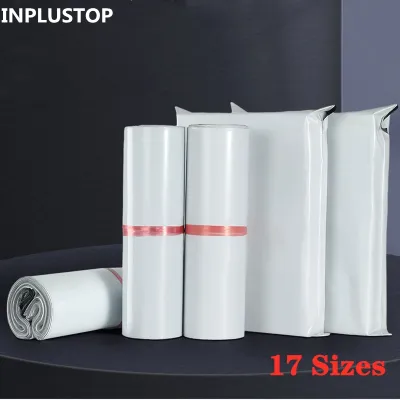
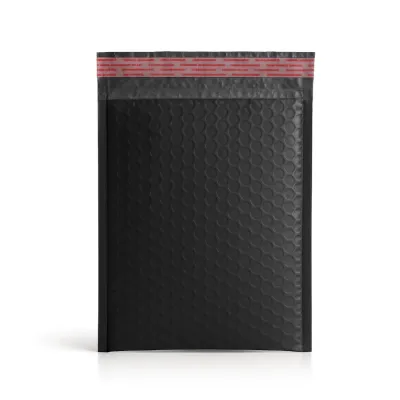
Prices are valid at publication and may change. Please refer to the product page for the latest price.
Second, the self-seal flap affects the total usable length. Most parcel bags feature a fold-over flap with an adhesive strip. The advertised length often includes this flap, meaning the actual usable length of the bag is shorter by the height of the flap, which typically ranges from 40 mm to 50 mm. When planning your packaging, always subtract the flap length from the total length to find the true depth of the bag.
Finally, the thickness of the plastic material, often measured in microns, influences flexibility and overall capacity. Thinner bags stretch slightly but are more prone to puncturing when holding sharp or heavy items. Thicker, heavy-duty bags offer better protection and tear resistance, but they are stiffer and have less give, which can make it harder to fit bulky items near the bag’s maximum capacity limits.
How to Measure Your Items for the Perfect Fit
To find the correct parcel bag size, you cannot rely on simple two-dimensional estimations. You must measure the physical item accurately, taking its depth into account. This process requires a standard measuring tape or ruler and a basic formula to convert a three-dimensional object into a flat bag size.

Start by measuring the longest, widest, and highest points of the item. If you are placing the item inside an inner box, a protective sleeve, or wrapping it in bubble wrap first, make sure to measure the item after it has been fully prepped for shipping. These protective layers add significant volume that can easily push an item into the next bag size category.
The measurement technique changes depending on whether the item is flexible or rigid. For flexible items like t-shirts, plush toys, or soft textiles, you can use a snugger fit. These items naturally compress and conform to the shape of the bag, allowing you to use bags that are closer to the item’s flat dimensions.
For rigid items like books, stationery sets, or boxed goods, there is no flexibility. The bag must be large enough to slide over the corners without catching or tearing the plastic. To calculate the minimum flat bag width and length required for a rigid, three-dimensional item, use these standard formulas:
- Minimum Bag Width = Item Width + Item Thickness + 20 mm (allowance for seams and ease)
- Minimum Bag Length = Item Length + Item Thickness + 50 mm (allowance for the sealing flap and ease)
For example, if you are shipping a book that is 200 mm wide, 250 mm long, and 30 mm thick, your minimum bag width should be 200 + 30 + 20 = 250 mm. Your minimum bag length should be 250 + 30 + 50 = 330 mm. Using these calculations ensures you select a bag that accommodates the item’s volume without stretching the seams.
Matching Item Shapes to Parcel Bag Sizes
Different item shapes require different packaging strategies to ensure they remain secure during transit. Matching the shape of your item to the correct bag style and size helps maintain professional presentation and prevents damage.
Flat items, such as documents, calendars, or single magazines, are the easiest to pack. For these items, choose a snug size that minimizes movement inside the bag. If a flat item slides around too much, it can bend at the corners or cause the bag to fold and catch in sorting machinery. A close fit keeps the item flat and reduces the overall shipping volume, which can help lower postage costs.
Bulky or thick items, such as winter jackets, shoes in boxes, or multiple stacked items, require extra length and width allowance. When a thick item is placed inside a flat parcel bag, it pulls the front and back sheets of plastic together, which dramatically reduces the available width and length. If you do not add extra allowance for this depth, the bag will stretch tightly, putting immense pressure on the side seams and increasing the risk of a blowout during transit.
Fragile items require a different approach altogether. You must reserve extra space inside the parcel bag for cushioning materials like bubble wrap, foam peanuts, or crumpled paper. Wrap the item securely first, then measure the fully cushioned bundle before selecting your bag size. Never try to squeeze a fragile item into a tight bag, as any external impact will transfer directly to the item rather than being absorbed by the cushioning.
Practical Sizing Checklist Before You Ship
Before sealing your package and sending it off, run through a quick checklist to ensure your parcel is secure, cost-effective, and compliant with standard shipping practices.
First, verify that the self-seal flap closes completely and lies flat against the back of the bag. The adhesive strip must make full contact with the plastic without pulling, wrinkling, or leaving exposed adhesive. If the bag is overstuffed, the flap may pull back, exposing the sticky strip to dust, dirt, or other packages, which can cause the bag to pop open during sorting.
Second, check if the bag thickness is sufficient for the item’s weight and physical characteristics. Heavy items or those with sharp corners, such as metal stationery clips or hardbound book edges, require thicker plastic bags to prevent punctures. If you only have thin bags available, consider wrapping sharp corners in cardboard or bubble wrap first to protect the outer plastic.
Finally, consider how the packed dimensions affect your shipping costs. Many courier services in Singapore calculate shipping fees based on volumetric weight rather than actual weight. An oversized bag with excess loose plastic can increase the volumetric size of your package unnecessarily. Additionally, using a bag that is too large leads to material waste, whereas choosing a correctly sized bag keeps your shipping profile compact and economical.
Frequently Asked Questions (FAQ)
Can I use a larger parcel bag and fold the excess?
Yes, you can use a larger parcel bag and fold the excess material over to create a snugger fit. This is a practical solution if you only stock one large bag size for various items. To do this safely, place your item inside, fold the empty portion of the bag tightly over the item, and secure the folded flap with heavy-duty packaging tape. Ensure there are no loose, flapping corners that could get caught in automated sorting belts at the courier facility.
Do parcel bag sizes include the self-seal adhesive strip?
In most cases, the advertised length of a parcel bag includes the self-seal flap and its adhesive strip. This means the actual usable length of the bag is shorter than the listed dimension by about 40 mm to 50 mm. When purchasing parcel bags, always check the product specifications to see if the dimensions are listed as usable dimensions or total dimensions. If the listing does not specify, it is safest to assume the flap is included in the total length and choose one size larger.

Community discussion
Share your experience or ask a question. Comments are reviewed before publication.