
Selecting the right parcel bag size depends entirely on the physical dimensions, thickness, and flexibility of the item you plan to ship. A bag that is too small risks bursting at the seams during transit, while an oversized bag allows items to slide around, increasing the risk of damage and potentially raising shipping fees. To find the perfect fit, you must calculate the item’s total volume—including its height or depth—and match it to the usable interior space of the packaging.
How to Measure Your Items for a Parcel Bag
To determine the minimum bag dimensions required for a secure fit, start by measuring the length, width, and height of your item at its widest and thickest points. Do not rely on flat dimensions alone unless the item is completely flat, such as a single sheet of paper or a thin card. For three-dimensional objects, the thickness of the item directly reduces the available width and length of the parcel bag once it is inserted.
For bulky or irregularly shaped items, you can calculate the required bag width by adding the item’s width to its height, plus a small margin for seam allowance. To find the required bag length, add the item’s length to its height, then add the length of the sealing flap. This calculation ensures the bag can wrap around the depth of the object without stretching the plastic or paper material to its breaking point.
Products mentioned in this guide
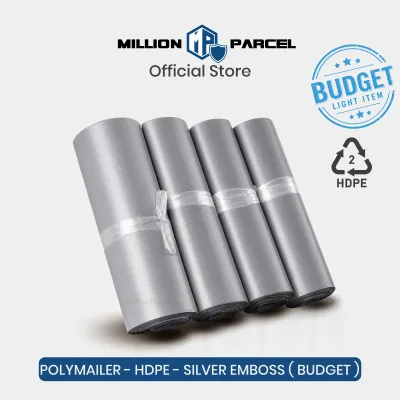
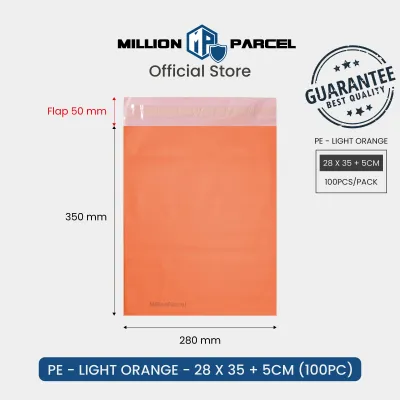
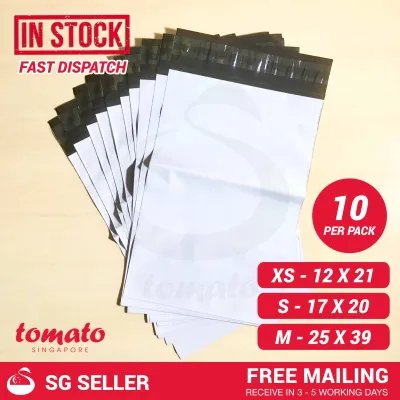
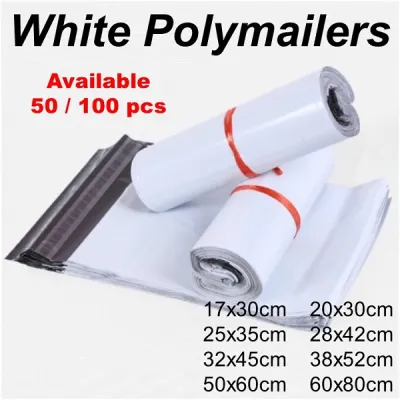
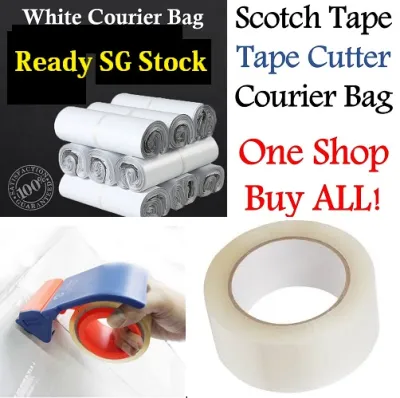
Prices are valid at publication and may change. Please refer to the product page for the latest price.
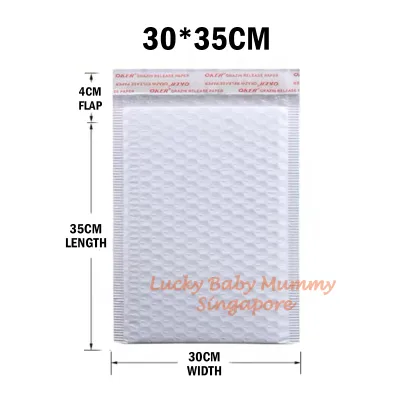
Always factor in the sealing flap and the folding margin when selecting your bag. The total length listed on parcel bag packaging often includes the flap, but the usable length is only the space below the adhesive strip. Leaving a margin of at least 2 to 3 centimeters ensures you can fold the flap over smoothly and seal the package securely without putting tension on the adhesive.
Matching Parcel Bag Sizes to Common Item Categories
Different types of goods require specific packing strategies to ensure they arrive intact while keeping shipping costs manageable.

Apparel and textiles are highly compressible and generally forgiving when it comes to sizing. For items like t-shirts, sweaters, or jeans, focus on the flat dimensions of the folded clothing. Choose a bag size that fits the folded item snugly to prevent it from unfolding and shifting, which can create awkward bulges that make the package difficult to stack.
Books, documents, and stationery require a very precise, snug fit to prevent damage. If a book shifts inside an oversized bag, its corners are highly susceptible to bending, creasing, or denting during transit. For documents and notebooks, look for bags with rigid backings or select a size that matches the item closely, ensuring there is minimal empty space for the contents to slide.
Bulky or irregularly shaped goods, such as boxed items, toys, or hardware, demand larger dimensions to accommodate both the item and any necessary protective wrapping. Because these items have rigid edges, they do not conform to the shape of a flexible bag. You will need to select a bag that is significantly larger than the item’s flat dimensions to prevent the corners from puncturing the material.
Small accessories, including jewelry, keychains, or small stationery tools, should be packed in compact, small-format bags. Using a bag that is too large for a tiny item increases the risk of the bag getting caught in sorting machinery or tearing from the inside as the item slides around. Keeping the packaging proportional to the accessory ensures a safer journey.
Key Specifications to Check Beyond Dimensions
While finding the correct length and width is essential, the physical properties of the parcel bag determine whether it can actually survive the shipping process.
Always review the manufacturer’s stated material thickness and weight limits on the packaging. Thickness is typically measured in microns or mils; a higher number indicates a thicker, more puncture-resistant barrier. If you are shipping heavy or sharp-edged items, verify that the bag’s specifications are rated for the weight of your product to prevent accidental tearing.
The closure mechanism is another critical point of failure. Examine the width and quality of the adhesive strip on the sealing flap. A wider adhesive strip provides a larger contact area, which is vital for maintaining a secure seal under tension or in humid conditions. Look for tamper-evident seals that tear the bag material if anyone attempts to open it, ensuring security during transit.
Environmental resistance should also be verified through the product specifications rather than assumed. If your shipping route exposes packages to outdoor elements, check the label for water-resistance ratings and tear-strength claims. High-quality poly mailers typically offer excellent moisture protection, but you should verify these material properties on the product label to ensure they meet your specific shipping standards.
Common Sizing Mistakes and How to Avoid Them
Avoiding common packing errors can save you from costly product returns, negative customer feedback, and unnecessary shipping surcharges.
Oversizing is a frequent mistake that occurs when shippers choose a large bag “just in case.” Excess space allows the contents to shift violently during transit, which can lead to impact damage even if the item is not fragile. Additionally, many courier services calculate shipping costs based on dimensional weight rather than actual weight, meaning an unnecessarily large bag could increase your shipping fees.
Undersizing poses the opposite risk, often resulting in seam bursting or adhesive failure. When a parcel bag is stretched too tightly over an item, the constant tension weakens the side seals and can cause the adhesive strip to peel away. If you have to force an item into a bag, the bag is too small and should be replaced with the next size up.
Finally, ignoring the flap when calculating dimensions is a simple oversight that can ruin a packing job. Always subtract the sealing flap length from the manufacturer’s listed total length to find the true usable interior space. If the usable space is too short, you will not be able to seal the bag properly, leaving your items exposed to dust, moisture, and loss.
Frequently Asked Questions (FAQ)
How much extra space should I leave for protective wrapping?
You should always measure your item after it has been fully wrapped in bubble wrap, foam, or paper packaging, rather than trying to estimate the extra space beforehand. Once the wrapped item is measured, add an allowance of at least 1 to 2 centimeters to the width and length to account for the stiffness of the protective layers, ensuring the parcel bag can close without compressing the padding.
Can I use a standard parcel bag for fragile items?
Standard, single-layer parcel bags offer virtually no impact protection on their own and are not suitable for fragile items like glassware, ceramics, or delicate electronics. If you are shipping fragile goods, check the item’s vulnerability and use a rigid cardboard box or a heavy-duty padded mailer with built-in bubble lining, ensuring you verify that the packaging meets the protective specifications required for delicate transit.

Community discussion
Share your experience or ask a question. Comments are reviewed before publication.