
Selecting the right paper pad requires matching the physical properties of the paper to your specific writing or drawing instruments. The overall quality and feel of a paper pad are not determined by a single universal standard; instead, they depend on how the paper fibers, weight, and surface treatments interact with different inks and mediums. For instance, a smooth, highly coated paper pad that allows a fountain pen to glide effortlessly may cause a graphite pencil to slip without leaving a clear mark, while a textured sketchpad that grips charcoal beautifully will feather and bleed when exposed to liquid ink.
In tropical environments with high relative humidity, such as Singapore, paper selection becomes even more critical. Cellulose fibers naturally absorb moisture from the air, which can soften the paper structure, slow down ink drying times, and increase the likelihood of feathering or ghosting. Understanding the technical specifications of different paper pad categories allows you to predict how a pad will perform under your specific working conditions before you make a purchase.
Defining Your Paper Needs: Writing vs. Drawing
Identifying your primary use case is the essential first step in narrowing down paper pad specifications. Writing tasks generally demand a surface that minimizes friction and controls ink spread. If you write with fountain pens, gel pens, or fine-point rollerballs, you require a paper pad that resists bleed-through and feathering, which occurs when ink spreads along the paper fibers. Conversely, ballpoint pen users often prefer a slight texture to prevent the pen tip from slipping, while prioritizing fast drying times to avoid smudging during rapid note-taking.
Products mentioned in this guide
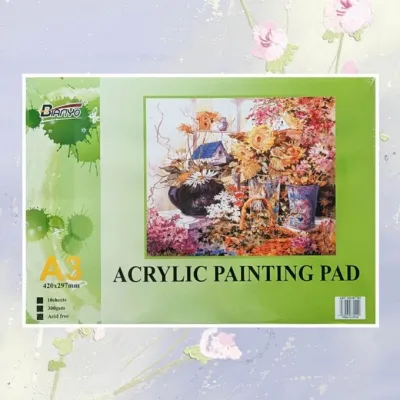
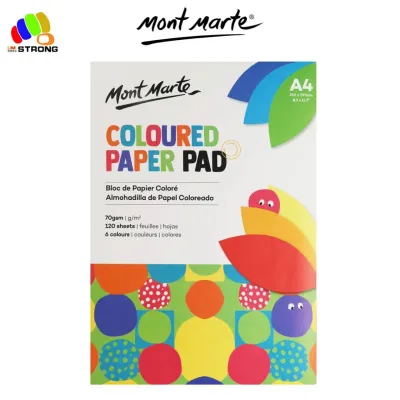
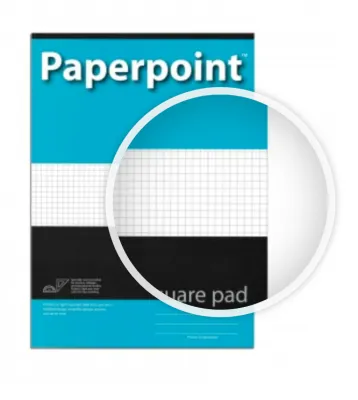
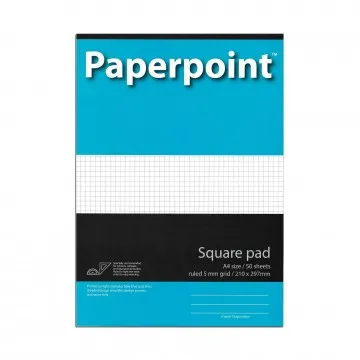
![[SG] Azone Paperpoint 2mm A4 Graph Pad [Evergreen Stationery]](https://img.lazcdn.com/g/p/4517179b5ce70a7d45efb9c70c571738.jpg_400x400q80.jpg_.webp)
Prices are valid at publication and may change. Please refer to the product page for the latest price.
Drawing tasks require entirely different paper characteristics, focusing on texture, absorption, and structural durability. Dry mediums like graphite, charcoal, and colored pencils rely on the paper’s physical texture, or tooth, to scrape and hold the pigment particles. Wet mediums, including markers, ink washes, and light watercolors, demand high paper density and specialized sizing to prevent the sheet from buckling, warping, or tearing under moisture. Erasability is another critical factor for artists, requiring strong surface fibers that do not pill or tear when subjected to friction from rubber or vinyl erasers.
Using a paper pad designed for one medium with another often leads to frustrating results. A highly smooth, non-porous paper pad optimized for calligraphy will cause wet drawing markers to pool on the surface, leading to smearing and uneven color distribution. Meanwhile, attempting to write detailed notes on a heavily textured sketchpad can wear down fine felt-tip pens prematurely and result in shaky, inconsistent lines. Matching your tool’s ink or pigment type to the correct paper category ensures both a pleasant creative experience and the longevity of your work.
Key Dimensions for Evaluating Paper Quality and Feel
To compare paper pads objectively, you must look past brand marketing and evaluate the technical specifications listed on the product packaging or manufacturer datasheets. The most common metric is paper weight, measured in grams per square meter (GSM). Standard everyday writing pads typically range from 60 to 80 GSM, which is lightweight and suitable for dry ballpoint pens but prone to ghosting. Premium writing pads and light sketching pads generally feature weights between 80 and 120 GSM, offering improved opacity and structural integrity, while mixed-media and watercolor pads exceed 150 GSM to handle liquid applications without warping.

Surface texture, or tooth, directly dictates the tactile feedback of your pen or pencil. Hot-pressed papers undergo high-pressure heated rollers during manufacturing, resulting in an ultra-smooth, satin-like finish that allows fine liners and fountain pens to glide without catching. Cold-pressed papers are dried with less pressure, preserving a natural, textured surface that is ideal for grabbing dry pigments and dry-brush painting techniques. Vellum and matte finishes sit in the middle, offering a versatile balance for general writing and sketching.
Sizing and coating refer to the chemical treatments applied to paper to control its absorbency. Internal sizing mixes water-resistant compounds directly into the paper pulp, while surface sizing coats the finished sheet to prevent liquids from penetrating too deeply. Highly sized papers keep ink crisp and vibrant on the surface, which is excellent for showcasing fountain pen ink properties like shading and sheen, though it extends drying times. Unsized papers, such as newsprint or basic sketching sheets, act like blotting paper, absorbing ink instantly but causing significant line spreading.
Binding and pad construction determine how comfortably you can use the paper pad and how easily pages can be removed or archived. Wirebound or spiral pads allow the cover and pages to fold back completely, making them highly portable and space-efficient for small desks or field sketching. Glue-bound pads feature a strip of adhesive along the top or side edge, allowing you to tear out clean sheets without leaving ragged edges, which is ideal for scanning or framing. Staple-bound pads offer a secure, low-profile binding but may not lay completely flat unless the spine is manually broken.
Premium and Archival Paper Pads
Premium and archival paper pads are engineered for users who prioritize paper longevity, ink performance, and a luxurious tactile feel. These pads typically utilize acid-free, pH-neutral paper made from high-quality wood pulp or cotton fibers. Acid-free formulation prevents the paper from yellowing, becoming brittle, or degrading over decades, making them the standard choice for legal documents, historical journals, and professional artwork. They generally feature weights of 80 to 120 GSM for writing and up to 300 GSM for painting, ensuring excellent opacity and minimal show-through.
One of the primary trade-offs of premium paper pads is their cost and specific ink compatibility. In local stationery boutiques, these pads are often priced from S$10 to S$35 depending on the size and sheet count, representing a significant investment compared to standard office stationery. Additionally, the heavy surface sizing that prevents fountain pen ink from feathering also slows down drying times. In humid climates, wet inks can remain wet on premium coated paper for several minutes, requiring the use of blotting paper or extended waiting times before closing the pad to prevent transfer smudges.
These pads are ideally suited for fountain pen enthusiasts, calligraphers, and professional illustrators who use wet inks, brush pens, or fine-point markers. The smooth surface preserves the delicate tips of expensive pens and allows for precise line control. If your work involves intricate line work, wet ink techniques, or documents that must be preserved for many years, investing in a premium, acid-free paper pad provides the necessary structural support and chemical stability.
Everyday and Student-Grade Paper Pads
Everyday and student-grade paper pads are designed with utility, volume, and cost-efficiency in mind. These pads typically feature lighter paper weights, ranging from 60 to 75 GSM, and are manufactured using standard wood pulp without extensive chemical purification. The paper surface is usually lightly sized or unsized, which allows everyday writing instruments like ballpoint pens, gel pens, and pencils to dry almost instantly upon contact. This fast-drying characteristic makes them highly practical for rapid note-taking, lecture scribbles, and temporary drafts.
The primary trade-off of student-grade paper is its vulnerability to ink penetration and environmental degradation. Because the paper is thin and highly absorbent, using liquid inks, broad gel pens, or markers will almost certainly result in ghosting, where the writing is visible on the other side, or complete bleed-through, which ruins the subsequent sheet. Over time, the residual acids in standard wood pulp paper will react with light and air, causing the pages to turn yellow and become brittle, making them unsuitable for long-term archiving.
These pads are best suited for students, office workers, and writers who generate high volumes of temporary notes, lists, and quick calculations. They are highly economical, often sold in multi-packs at local supermarkets or online marketplaces for a fraction of the cost of premium alternatives. If your daily writing tools are limited to standard ballpoint pens, mechanical pencils, or quick-drying gel pens, an everyday paper pad offers a practical, low-maintenance surface that keeps up with fast-paced writing without smudging.
Sketching and Mixed-Media Paper Pads
Sketching and mixed-media paper pads are specifically engineered to withstand the physical demands of dry drawing tools and light wet applications. Sketching pads generally feature weights between 90 and 120 GSM with a distinct medium-to-rough tooth that grabs graphite, charcoal, and pastel pigments effectively. Mixed-media pads are heavier, typically starting at 150 GSM and reaching up to 250 GSM, combining the textured surface of a drawing pad with the internal sizing of a painting paper to resist buckling when exposed to light washes of ink or watercolor.
The main trade-off of these textured pads is their lack of suitability for fine, everyday writing. The pronounced tooth of a sketchpad creates significant friction, which can feel scratchy when writing with a ballpoint or fountain pen. This friction can also cause the delicate felt tips of fine liners and brush pens to fray rapidly, destroying the pen’s precision. Furthermore, the highly absorbent nature of mixed-media paper can cause fountain pen inks to feather heavily, resulting in thick, fuzzy lines rather than crisp handwriting.
These pads are the ideal choice for artists, designers, and hobbyists who work with a variety of dry and light wet mediums. If your creative process involves layering graphite, blending colored pencils, applying charcoal, or adding light watercolor washes, a dedicated mixed-media pad provides the necessary thickness and surface strength. The robust paper fibers can endure repeated erasing and scraping without pilling, ensuring your artwork maintains a clean, professional appearance.
How to Test and Verify Paper Feel Before Committing
Because paper feel is highly subjective and depends on your specific tools, performing a few simple tests can save you from purchasing an incompatible pad. When shopping in person, start with a visual and tactile inspection. Hold a single sheet of the paper pad up to a bright light source; high-quality paper will show a uniform distribution of fibers without cloudy patches, indicating consistent density and thickness. Run your fingertips gently across the surface to feel the texture; a premium writing pad should feel silky and uniform, while a sketchpad should have a dry, consistent drag.
If you have access to a sample sheet or have purchased a new pad, conduct a systematic ink test in an inconspicuous area, such as the bottom corner of the back page. Draw a series of lines, crosshatches, and solid color blocks using your favorite pens and markers. Observe the edges of the lines under good lighting to see if the ink feathers into the surrounding fibers. Flip the page over to check for ghosting or bleed-through, noting whether the ink has penetrated to the other side or if the paper fibers have warped under the moisture.
Finally, always verify the manufacturer specifications printed on the cover or product listing. Check the dimensions to ensure they fit your storage or carrying cases, such as standard A4, A5, or B5 sizes. Look for specific labels like “acid-free” for archival work, “fountain pen friendly” for wet inks, or “heavyweight” for mixed media. If you are buying online, read user reviews specifically mentioning the exact pen or medium you plan to use, as this provides practical insight into how the paper behaves under real-world conditions.
Decision Framework: Which Paper Pad Should You Choose?
To make your final decision, align your primary writing or drawing medium with the corresponding paper pad category. If your work involves fountain pens, calligraphy, or archival journaling, prioritize premium, acid-free paper pads with a weight of 80 to 120 GSM and a smooth, highly sized finish. These specifications ensure your ink lines remain sharp, colors stay vibrant, and the paper does not yellow over time, though you must allow extra time for the ink to dry.
For high-volume note-taking, daily planning, and general office tasks using ballpoint pens or pencils, choose everyday, student-grade paper pads. These pads offer excellent cost-efficiency and fast-drying surfaces that prevent smudging, making them ideal for rapid writing where long-term preservation is not a priority. Their lightweight nature also makes them easy to carry in a backpack or briefcase.
If your focus is artistic expression using graphite, charcoal, colored pencils, or light washes, select a dedicated sketching or mixed-media pad. Look for a weight of at least 110 GSM for dry media and over 150 GSM for mixed media, ensuring a pronounced tooth that grips pigments and a sturdy structure that resists erasing and light moisture. Always verify compatibility first if you plan to use heavy alcohol-based markers or wet watercolors, as these specialized mediums may require dedicated marker pads or high-weight watercolor blocks to prevent bleed-through.
Frequently Asked Questions (FAQ)
Does a higher GSM always mean better paper quality?
A higher GSM indicates that the paper is heavier and thicker, but it does not automatically mean the paper is of higher quality for your specific task. While a high-GSM paper (such as 200 GSM) is excellent for preventing bleed-through with wet mediums like watercolors or markers, it can be overly bulky, stiff, and slow-drying for everyday writing. Conversely, a premium 80 GSM paper can offer exceptional smoothness, bleed resistance, and archival properties for fountain pens while remaining lightweight and flexible. Quality is defined by how well the paper’s fiber composition, sizing, and finish match your writing or drawing tools.
How can I prevent ink from feathering on standard paper pads?
If you are using a standard, lower-weight paper pad that is prone to feathering, you can minimize the issue by adjusting your writing instruments and inks. Switch to drier-writing pens, such as fine-point ballpoints, hybrid gel pens, or fountain pens with extra-fine nibs, which deposit less liquid onto the page. If you must use a fountain pen, opt for specialized well-behaved or dry inks formulated specifically to resist feathering on absorbent paper. Additionally, try to write with a lighter hand to reduce ink pooling, and allow the ink to dry completely before closing the pad or turning the page.

Community discussion
Share your experience or ask a question. Comments are reviewed before publication.