
Finding the perfect journal notebook is not about searching for a single, universally superior brand. Instead, the ideal writing experience is a highly personal equation determined by how your specific pen, ink, and paper interact. A notebook that feels luxurious to a fountain pen enthusiast might frustrate a rapid note-taker using a gel pen, especially in humid climates where ink drying times are naturally extended. To make an informed choice, you must look past brand prestige and evaluate the physical characteristics of the paper itself. By understanding how paper weight, surface coating, texture, and binding construction influence your daily writing, you can select a journal that elevates your thoughts rather than hindering your pen.
Key Dimensions for Evaluating Journal Paper Quality
To evaluate a journal notebook objectively, look beyond vague marketing terms like “premium” and focus on measurable physical specifications. The first key metric is paper weight, measured in grams per square meter (GSM), which indicates the density and thickness of the sheet. While a higher GSM generally provides greater opacity and reduces ink show-through, it also increases the overall weight of the notebook, making it bulkier to carry during daily commutes.
The presence of surface coating, or sizing, is another critical factor dictating how paper behaves when it meets liquid ink. Coated papers feature a microscopic barrier that prevents ink from immediately sinking deep into the fibers, keeping lines crisp and colors vibrant, though this extends drying times. Uncoated papers absorb ink rapidly, which helps prevent smudging but can cause the ink to spread outward along the fibers, a phenomenon known as feathering.
Products mentioned in this guide
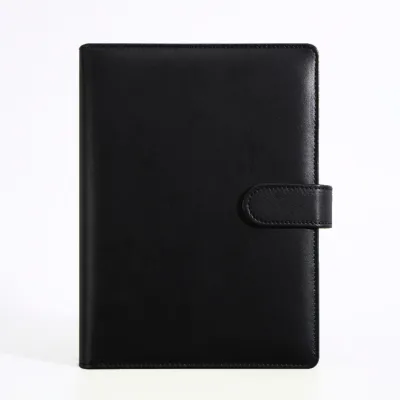
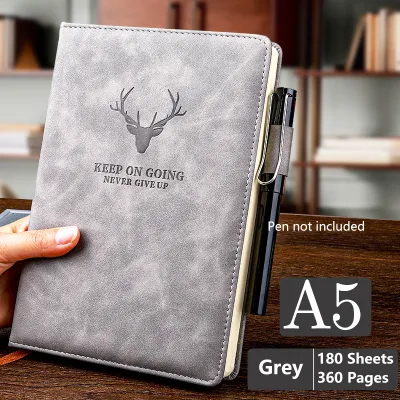
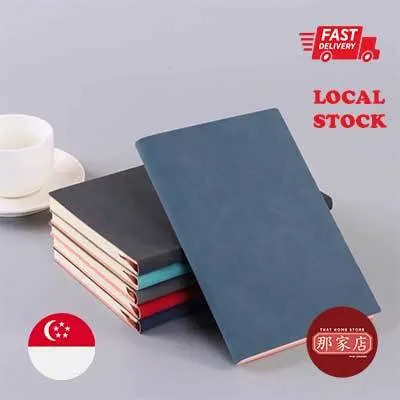
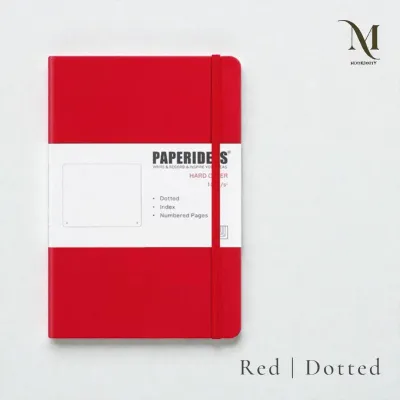

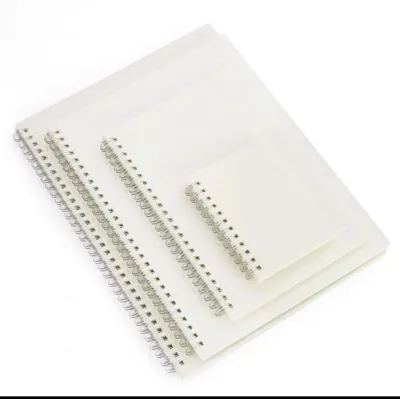
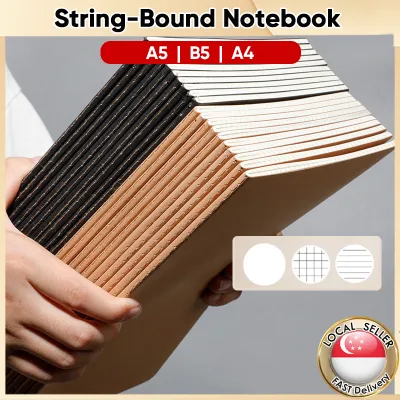
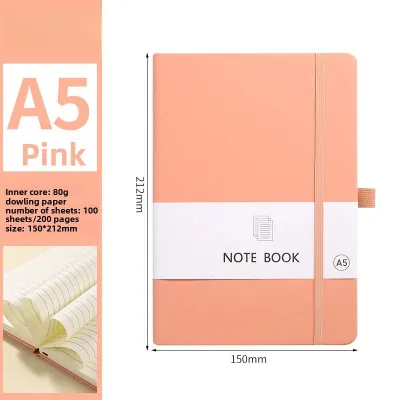
Prices are valid at publication and may change. Please refer to the product page for the latest price.
Paper texture, or “tooth,” describes the tactile feedback you feel as your pen glides across the page. High-tooth paper has a rougher, more organic surface that grips the writing tip, making it excellent for pencils and certain fineliners. Low-tooth paper is ultra-smooth, allowing pens to slide effortlessly with minimal resistance, which is often preferred by those who write quickly.
Finally, the physical construction of the notebook, particularly its binding style, directly shapes your comfort. Thread-sewn bindings are highly desirable because they allow the notebook to lay completely flat when opened. This lay-flat capability ensures you can write comfortably across the entire page, including the area near the central gutter, without having to constantly hold the pages down.
How Pen and Ink Choices Affect the Writing Experience
Your choice of writing instrument should dictate your choice of journal paper, as different inks require specific surface properties to perform optimally. Fountain pens, which deposit a relatively large volume of liquid, water-based ink, are highly sensitive to paper quality. To prevent the ink from feathering or bleeding through, fountain pen users generally require either heavily coated paper or high-GSM sheets. Without these protective characteristics, the liquid ink will quickly saturate the paper fibers, ruining the clean lines of your handwriting.

Gel and rollerball pens also utilize liquid or semi-liquid inks, but they are typically applied with a rolling ball mechanism that demands a balance between absorption and smoothness. For these pens, a moderately coated surface that allows for relatively quick drying is ideal. In humid environments, gel inks on highly coated papers can remain wet for several minutes, leading to accidental smudges when you close the notebook.
Ballpoint pens and fine-liners offer the greatest versatility across various paper types. Because ballpoint ink is oil-based and viscous, it dries almost instantly and rarely bleeds, even on thin, uncoated paper. However, the high pressure required to write with a ballpoint pen can leave deep physical indentations on lower-GSM papers, which can be distracting when you write on the reverse side of the sheet.
Rather than relying solely on a brand’s reputation, always check the manufacturer’s technical specifications for explicit mentions of “fountain pen friendly” properties or specific ink compatibility. Many high-quality stationery manufacturers provide detailed descriptions of their paper treatments, allowing you to match the notebook to your preferred pen before making a purchase.
Comparing Popular Journal Notebook Categories
The diverse landscape of journal notebooks can be broadly organized into three distinct categories based on their paper characteristics. Understanding these categories allows you to narrow down your options based on your writing habits, though you should always verify specific product details on official store listings, as paper formulations can change over time.
High-GSM and Coated Paper Notebooks
Notebooks featuring high-GSM and coated paper are engineered to handle wet inks and heavy handwriting pressure with ease. When you run your fingers across these pages, they feel exceptionally smooth, offering almost no tactile resistance or tooth. This ultra-smooth surface allows fountain pens and wet gel pens to glide effortlessly, while the high opacity of the thick paper ensures that even dark inks do not show through on the other side.
This category is the premier choice for fountain pen collectors, calligraphy hobbyists, and anyone who enjoys using bold, wet writing instruments. The coating keeps the ink sitting on top of the page, preserving the sharp edges of your letters and allowing specialized inks to display their unique shading or sheen properties.
However, these benefits come with notable trade-offs. The protective coating that prevents ink absorption also dramatically increases drying times, making these notebooks prone to smudging if you write quickly or close the journal too soon. Additionally, the thick, high-GSM paper results in a heavier, bulkier notebook profile that can be cumbersome to carry in a small bag during daily travels.
Standard Weight and Uncoated Paper Notebooks
Standard weight and uncoated paper notebooks are designed for everyday utility, prioritizing portability, rapid drying, and general ease of use. These pages typically have a slight, natural tooth that provides a comfortable level of feedback as you write. Because the paper is uncoated, it absorbs ink almost instantly, making it highly practical for quick note-taking and spontaneous journaling.
This category is ideal for students, professionals, and rapid note-takers who rely on standard ballpoint pens, quick-drying gel pens, or pencils. The lightweight nature of these notebooks makes them incredibly easy to slip into a backpack or tote bag, allowing you to carry your journal everywhere without feeling weighed down.
The primary trade-off of standard uncoated paper is its limited tolerance for wet inks. If you attempt to use a fountain pen or a heavy rollerball on these pages, you will likely experience significant show-through, where the ink is visible on the reverse side, or even complete bleed-through, where the ink ruins the subsequent page. The thinner paper is also more susceptible to physical creasing and warping in humid conditions.
Textured and Specialty Paper Notebooks
Textured and specialty paper notebooks offer a highly tactile, sensory writing experience that appeals to those who view journaling as a creative, multi-sensory ritual. These papers feature a noticeable tooth and an organic, sometimes slightly irregular surface texture that provides substantial feedback to the hand. The weight of these papers can vary widely, with some designed to mimic traditional handmade parchment.
This category is perfectly suited for pencil sketchers, charcoal artists, and mixed-media journalers who incorporate light watercolor washes or ink sketches alongside their writing. The textured surface excels at grabbing graphite and dry media, allowing for rich shading and precise control that smooth papers cannot replicate.
The trade-offs for this tactile feedback are felt most acutely by users of fine-tipped pens. The pronounced tooth of textured paper can cause delicate fountain pen nibs to catch or skip, and it can quickly wear down the fiber tips of fine-liners. Additionally, the uneven surface may prevent a perfectly smooth, continuous glide, which can tire your hand during long, continuous writing sessions.
Decision Framework: Which Journal Notebook Should You Choose?
Selecting the right journal notebook requires matching your primary writing instrument and lifestyle needs to the correct paper category. To simplify your decision, use the following condition-based framework to identify the best match for your daily routine:
- Choose High-GSM/Coated Paper if: You primarily write with fountain pens, calligraphy pens, or wet gel pens; you value crisp lines and vibrant ink colors; and you do not mind waiting a few moments for your ink to dry before closing your journal.
- Choose Standard Uncoated Paper if: You use ballpoint pens or quick-drying gel pens; you need to take notes rapidly on the go; and you prefer a lightweight, highly portable notebook that fits easily into a daily commute bag.
- Choose Textured/Specialty Paper if: You write primarily with pencils or fine-liners; you enjoy a high level of tactile feedback and resistance; or you plan to combine your writing with sketching and light mixed-media art.
Before finalizing your purchase, always go through a quick verification checklist on the product label or official online store listing. First, verify the exact paper weight (look for the GSM rating) to ensure it matches your thickness preference. Second, confirm the binding type, looking specifically for terms like “thread-sewn” or “exposed spine” to guarantee a true lay-flat writing experience. Finally, check the ruling format—whether ruled, grid, dotted, or blank—to ensure it aligns with your layout habits.
Because paper performance is highly dependent on the specific chemical composition of your ink, it is highly recommended to purchase a single notebook or a small paper sample pack before committing to a bulk purchase. Testing your personal pen collection on a single sheet is the only foolproof way to guarantee that your writing tools will perform harmoniously with your new journal.
Frequently Asked Questions (FAQ)
Does higher GSM always mean better paper quality?
No, a higher GSM rating simply indicates that the paper is heavier and thicker, not necessarily that it is of superior quality or better suited for your pens. While thick paper is excellent for preventing ink from showing through to the other side, its actual writing performance depends heavily on surface treatments like sizing and coating. A lower-GSM paper that has been meticulously coated can handle wet fountain pen inks beautifully without feathering, whereas a heavy, high-GSM uncoated paper might absorb the ink like a sponge, causing significant feathering. Always look for a combination of GSM and coating details rather than relying on weight alone.
How can I test a journal notebook for bleed-through before committing?
The safest way to test a new journal notebook is to perform a pen test on the very last page or an inconspicuous index page at the back of the book. Using the exact pen and ink combination you plan to use daily, write a few sentences using your normal writing pressure, and then draw a small solid block of ink to test the paper’s limits. Wait for the ink to dry completely, then turn the page and inspect the reverse side under direct light. Check for show-through (ghosting), where the ink is visible but the paper surface remains intact, versus actual bleed-through, where the ink has physically penetrated the fibers to the other side.
Community discussion
Share your experience or ask a question. Comments are reviewed before publication.