
Quick Answer: Which Protector Should You Choose?
Choosing between packing paper and bubble wrap is not a matter of finding a single superior material, but rather matching the protective qualities of each medium to the specific vulnerabilities of your items. Neither option is universally superior; the optimal choice depends heavily on the item’s surface sensitivity, overall fragility, weight, and the shipping conditions it will encounter.
Select packing paper if your primary goal is to prevent surface scratches, wrap tightly around irregular shapes without adding bulk, or fill empty spaces within a box to prevent shifting. Packing paper is highly breathable, making it excellent for items sensitive to moisture buildup, such as wood or leather. It is also the ideal choice for wrapping everyday kitchenware, books, and non-fragile home goods.
Choose bubble wrap if your items are highly fragile, heavy, or require substantial shock absorption to survive drops, vibrations, and rough handling during transit. The air-filled pockets of bubble wrap act as excellent shock absorbers for delicate glassware, crystal, ceramics, and heavy electronic components.
Products mentioned in this guide
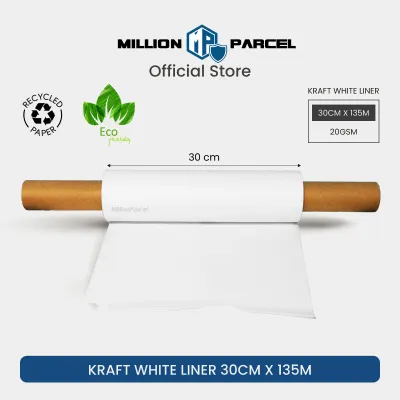
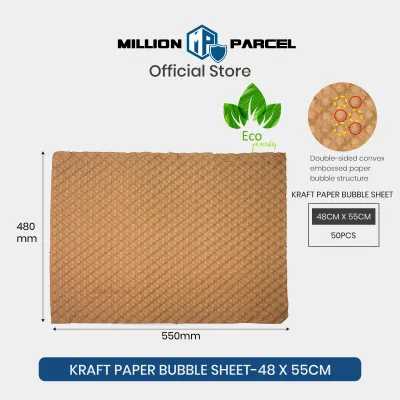
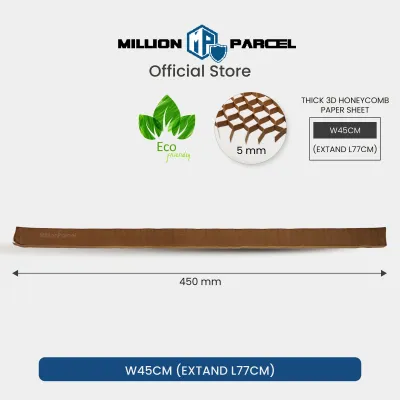
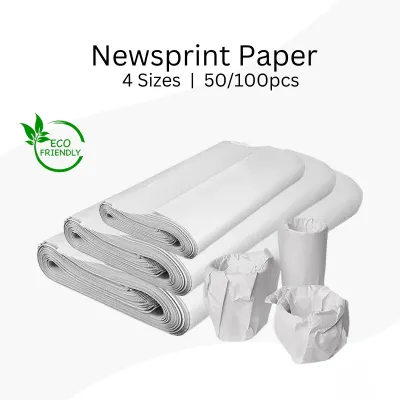
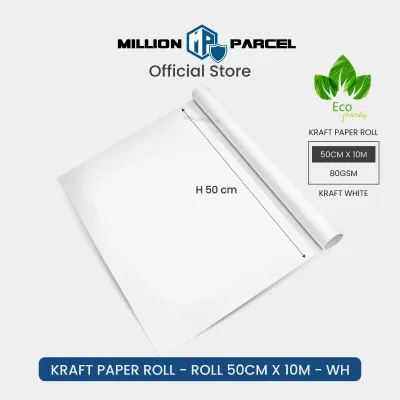
Prices are valid at publication and may change. Please refer to the product page for the latest price.
Before applying any wrapping material to high-value items, specialized electronics, or valuable antiques, always verify the manufacturer’s packaging guidelines. Some delicate finishes or sensitive electronic components require specialized anti-static or non-abrasive barriers before standard packing materials can be safely applied.
Key Differences in Protection and Material Properties
Understanding the physical characteristics of packing paper and bubble wrap allows you to make an informed decision based on how each material behaves under pressure, humidity, and physical impact. Each material relies on a fundamentally different protective mechanism to keep your belongings secure.

Packing Paper Properties
Standard packing paper is typically unprinted, clean, off-white or brown kraft paper, usually ranging in weight from 50 gsm to 80 gsm. Its primary structural properties are flexibility, breathability, and a smooth, non-abrasive surface texture. Because it contains no ink, it eliminates the risk of stain transfer associated with printed newsprint.
Paper protects items by creating a physical barrier against friction and light abrasions. When crumpled, packing paper forms a dense, semi-rigid structure that is highly effective at absorbing compressive forces and preventing items from shifting inside a moving box. Its porous nature allows air to circulate, preventing the accumulation of condensation in humid environments.
Bubble Wrap Properties
Bubble wrap is constructed from low-density polyethylene (LDPE) plastic sheets featuring regularly spaced, air-filled hemispheres. These air pockets serve as miniature cushions that distribute external impact forces across a wider surface area. Bubble wrap is categorized by bubble size, typically ranging from small 10mm bubbles for surface protection to large 25mm bubbles for heavy-duty cushioning and void filling.
While bubble wrap offers superior impact resistance, its plastic composition makes it completely non-breathable. Under tight pressure or temperature fluctuations, the plastic bubbles can trap moisture or leave temporary circular marks on highly sensitive, glossy, or freshly painted surfaces. This phenomenon, often referred to as “ghosting,” occurs when the plastic plasticizers interact with the surface finish.
Weight, Bulk, and Shipping Dimensions
When preparing items for shipping via courier services, the physical weight and volume of your packaging materials directly impact shipping costs. Packing paper is dense and heavy when used in large quantities, but it adds virtually no external volume to wrapped items, keeping box dimensions compact.
Bubble wrap is extremely lightweight, adding negligible physical weight to your shipment. However, its inherent loft adds significant bulk to wrapped items, which can force you to use larger shipping boxes. Because many modern courier services calculate shipping fees based on volumetric weight rather than actual physical weight, wrapping items excessively in large bubble wrap can inadvertently increase your shipping costs.
When to Choose Packing Paper
Packing paper excel in scenarios where surface preservation, space efficiency, and structural stability within the box are your primary concerns. Recognizing these specific scenarios ensures you do not over-allocate expensive plastic cushioning where simple paper suffices.
Preventing Surface Abrasions and Chemical Reactions
The soft, unprinted surface of packing paper is ideal for protecting items susceptible to scratching, scuffing, or chemical discoloration. When items rub against each other during transit, micro-frictions can dull glossy glazes, scratch polished metals, or scuff delicate plastics. Wrapping each item individually in paper creates a smooth barrier that eliminates this friction.
Using unprinted packing paper also avoids the chemical risks associated with printed newspaper. The petroleum- or soy-based inks used in daily newspapers can easily transfer onto porous ceramic glazes, fine china, matte plastics, and light-colored fabrics under the influence of pressure, heat, and humidity. Clean, acid-free packing paper remains chemically inert and safe for prolonged contact.
Efficient Void Filling
An empty space inside a moving box is a primary cause of transit damage, as it allows items to slide, collide, or crush under external pressure. Crumpled packing paper is one of the most effective and economical materials for filling these empty spaces. When crumpled tightly, the paper fibers lock together, creating a firm structure that resists compression.
Unlike bubble wrap, which can pop under sustained heavy pressure, crumpled paper maintains its structural density. It can be packed tightly into the corners, bottom, and top of a box to create a supportive nest that holds items firmly in place throughout their journey.
Wrapping Irregular Geometries
Items with complex, irregular shapes—such as cutlery, small decorative figurines, tools, and kitchen utensils—are difficult to wrap efficiently with bulky materials. Packing paper is highly conformable, allowing you to fold, crease, and tuck it tightly around intricate details. This tight wrap provides targeted protection without creating awkward, oversized packages that are difficult to arrange logically inside a moving box.
Limitations of Packing Paper
While highly versatile, packing paper has distinct physical limitations. It offers minimal protection against severe, high-velocity impacts or drops onto hard surfaces, as it lacks the elasticity to dissipate sudden shock waves. Additionally, paper is highly vulnerable to moisture; if the package is exposed to rain, spills, or high humidity, the paper will absorb water, lose its structural integrity, and fail to protect the contents.
When to Choose Bubble Wrap
Bubble wrap is the industry standard for high-level impact protection. Its unique physical properties make it indispensable when preparing fragile, heavy, or high-value items for the rigors of shipping and handling.
Superior Shock Absorption
The primary function of bubble wrap is to protect items from sudden kinetic energy, such as when a box is dropped, stacked roughly, or subjected to the constant vibrations of a moving truck. The air trapped within each bubble compresses under impact, converting the sudden force into thermal energy and distributing the remaining pressure evenly across the plastic sheet.
This shock-absorbing capability is essential for items made of glass, crystal, delicate porcelain, and thin plastics. By wrapping these items in multiple layers of bubble wrap, you create a protective buffer zone that significantly reduces the risk of structural failure during a fall.
Supporting Heavy and High-Value Objects
Heavy items, such as stone sculptures, thick ceramic pots, cast-iron kitchenware, or heavy glass vases, exert substantial force on their packaging. Under these loads, thin paper wrapping can easily tear, exposing the item’s edges to direct impact. Bubble wrap, particularly varieties with larger bubble profiles, provides the robust physical barrier needed to support this weight without tearing or compressing completely.
For high-value items where any level of damage results in significant financial loss, bubble wrap provides an extra layer of security. The visible cushioning allows packers to easily verify that an item is adequately protected before sealing the container.
Moisture and Liquid Resistance
Made from low-density polyethylene, bubble wrap is naturally waterproof and impervious to moisture. In tropical climates or during rainy moving days, cardboard boxes can easily soften if exposed to water. Bubble wrap ensures that even if the outer box becomes damp, the wrapped items inside remain dry and protected from water damage, mold, and mildew.
Limitations of Bubble Wrap
Despite its protective strength, bubble wrap should not be used indiscriminately. Its non-porous plastic surface can trap moisture against wrapped items, leading to condensation and potential damage to wood finishes, leather, or metal components. Furthermore, the pressure of the plastic bubbles can leave permanent circular impressions on delicate finishes, such as polished wood, lacquerware, or freshly cured paint, if applied directly without a protective paper barrier.
Item-by-Item Packing Decisions
Applying these general principles to your actual inventory requires a systematic approach. Different household and commercial items demand specific wrapping configurations to maximize safety while minimizing material waste.
Glassware and Ceramics
For highly fragile glassware, stemware, and delicate ceramics, a hybrid packing method yields the best results. Start by wrapping the item in a clean layer of packing paper to protect the surface glaze or glass from scratches. For wine glasses, crumple a small piece of paper and place it inside the bowl to reinforce the structure, then wrap additional paper tightly around the delicate stem.
Once the initial paper layer is secure, wrap the entire item in one to two layers of small-bubble wrap to provide impact resistance. This combination ensures the item is protected against both surface friction and external shock. Pack these items vertically in the box, as glass is structurally stronger when oriented upright rather than laid flat.
Electronics and Screens
Electronics, computer monitors, and televisions require careful handling to prevent both physical damage and static discharge. Before packing, always consult the manufacturer’s instruction manual for specific transport guidelines. Standard bubble wrap can generate significant static electricity through friction, which can permanently damage sensitive internal circuitry.
To pack electronics safely, wrap the device first in unprinted packing paper or place it inside a specialized anti-static foam sleeve. Once this static-safe barrier is established, wrap the exterior in heavy-duty or anti-static bubble wrap to protect the screen and chassis from physical impact. Ensure all cables are detached and wrapped separately to prevent them from scratching the screens during transit.
Furniture and Wood Finishes
Wooden furniture, polished finishes, and leather upholstery are highly sensitive to moisture and physical pressure. Wrapping these items directly in bubble wrap is a common mistake that often results in trapped humidity, mold growth, or permanent circular marks on the wood finish.
To protect these surfaces, wrap the item first in thick packing paper, moving pads, or clean cotton blankets. This breathable layer absorbs ambient moisture and prevents direct plastic-to-surface contact. Once the surface is protected, you can apply bubble wrap or specialized cardboard corner guards to the outer edges, legs, and corners to shield them from chips, dents, and structural impacts.
Books and Dense Items
Books, heavy documents, and solid metal items are structurally dense and highly resistant to impact damage. Wrapping these items in bubble wrap is unnecessary and creates excess bulk, reducing the amount of space available in your boxes and increasing shipping costs.
Instead, pack books flat or spine-to-spine in small, sturdy boxes to prevent the pages from bending. Use minimal packing paper to fill any small gaps around the edges of the box, ensuring the books cannot slide around during transit. This approach keeps the box compact, structurally sound, and easy to carry.
Securing Your Wrapping
When securing your wrapped items, choose a high-quality packaging tape that adheres firmly to the wrapping material. Never apply packaging tape directly to the surface of your items, as the adhesive can leave a sticky residue, strip away delicate finishes, or damage paper surfaces upon removal. Always tape the wrapping material to itself, ensuring a tight, secure fit that will not unravel during handling.
Cost, Sustainability, and Practicality
While protection is the primary goal, secondary factors such as cost, environmental impact, and convenience play a significant role in determining which material is best suited for your needs.
Cost and Sourcing in Singapore
Packing paper is generally much more cost-effective per square meter than bubble wrap, making it the preferred choice for bulk packing. In Singapore, both materials are readily available. You can source them from local home improvement stores, neighborhood hardware shops in heartland areas, or specialized packaging suppliers and online marketplaces.
For large-scale moves, purchasing packing paper in bulk reams is highly economical. Bubble wrap is typically sold in rolls of varying lengths; while more expensive, purchasing a larger roll is generally more cost-effective than buying pre-cut sheets.
Sustainability and Environmental Impact
From an environmental perspective, packing paper is the clear leader. Unprinted packing paper is fully biodegradable, compostable, and highly recyclable. In Singapore, clean packing paper can be easily disposed of in the blue recycling bins located across HDB estates and private condominiums, where it is integrated into the national paper recycling stream.
Bubble wrap, being made of low-density polyethylene plastic, presents more recycling challenges. It is not accepted in standard blue recycling bins if it is contaminated or mixed with other waste, and it often ends up in waste-to-energy incineration plants. To minimize its environmental footprint, bubble wrap should be stored and reused for future moves, or dropped off at specialized plastic film recycling collection points where soft plastics are accepted.
Storage and Cleanup
Packing paper is exceptionally convenient to store and clean up. Before use, a large ream of flat paper sheets occupies minimal space in a closet or storeroom. After your move, the used paper can be quickly flattened, stacked, and bundled for recycling, taking up very little trash volume.
Bubble wrap rolls are highly voluminous and require significant storage space before packing begins. Post-move cleanup can also be cumbersome, as the bulky plastic sheets quickly fill up trash bins. If you plan to reuse bubble wrap, you must dedicate a substantial amount of storage space to keep the rolls clean and dry until their next use.
Frequently Asked Questions (FAQ)
Can I use regular newspaper instead of packing paper?
Using regular newspaper is not recommended for valuable, porous, or light-colored items. The ink used in daily newspapers does not fully dry and can easily transfer onto ceramics, glass, plastics, and fabrics when subjected to pressure, heat, or humidity. This ink transfer can leave permanent stains that are difficult or impossible to remove. Unprinted packing paper is clean, ink-free, and safe for all surfaces.
Does bubble wrap pop during transit or temperature changes?
High-quality bubble wrap is engineered to withstand standard atmospheric pressure changes and temperature fluctuations encountered during road transport, sea shipping, or air freight. However, if boxes are stacked excessively high or if heavy items shift inside a box, the localized pressure can exceed the strength of the plastic, causing the bubbles to pop and reducing their protective capability. Always ensure heavy items are placed at the bottom of the box to prevent crushing the bubble wrap protecting lighter items.
How much wrapping material do I need for a standard moving box?
While the exact amount depends on the fragility and size of your items, a general estimation method is to allocate approximately 3 to 4 sheets of packing paper per standard kitchen item (such as plates or bowls) and 2 to 3 layers of bubble wrap for highly fragile glass items. For void filling, estimate that approximately 10% to 15% of the total volume of each box should consist of crumpled paper or cushioning material to ensure that nothing shifts when the box is moved.

Community discussion
Share your experience or ask a question. Comments are reviewed before publication.