
Selecting the ideal nylon spandex fabric requires looking past superficial aesthetics to analyze technical specifications and physical performance. This highly versatile material blends the strength and smooth texture of nylon with the exceptional elasticity of spandex, making it the premier choice for swimwear, activewear, and form-fitting garments. To make an informed purchase, you must evaluate three foundational specifications: weight (measured in grams per square meter, or GSM), fiber composition, and stretch capabilities.
In regions with tropical climates like Singapore, where humidity levels are consistently high, choosing the wrong fabric specifications can lead to uncomfortable, heat-trapping garments or activewear that sags after a few washes. Understanding how to interpret a supplier’s spec sheet and verify those claims with simple physical tests ensures your sewing projects or production runs maintain their shape, color, and comfort over time.
Key Nylon Spandex Specifications That Actually Matter
Grams per Square Meter (GSM)
Grams per Square Meter, commonly abbreviated as GSM, is the standard metric unit used to measure fabric weight and density. This figure tells you how heavy a single square meter of the fabric is, which directly influences its thickness, drape, and opacity. A lower GSM, typically ranging from 150 to 190, indicates a lightweight fabric that offers excellent breathability and a fluid drape. These lighter weights are highly suitable for lining garments, lightweight summer tops, or athletic wear designed for intense workouts in warm weather.
Products mentioned in this guide
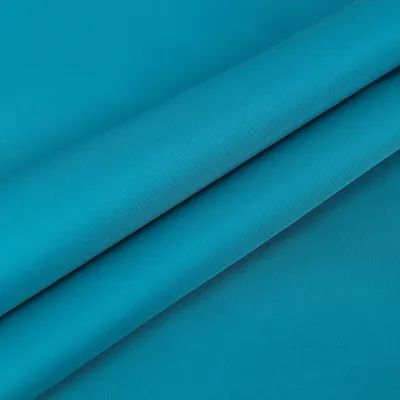
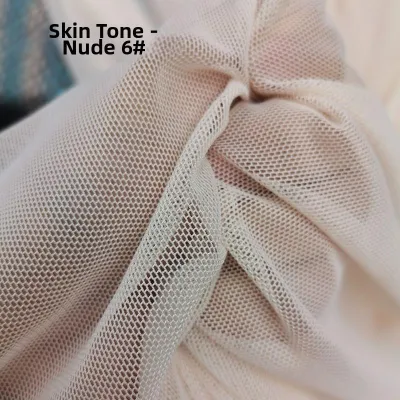
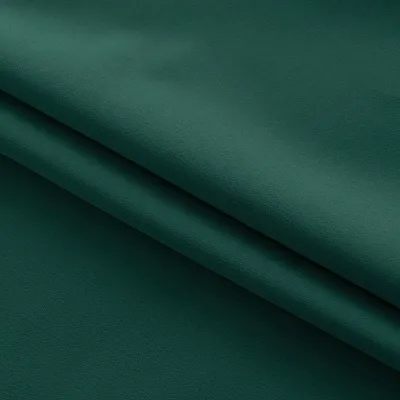
Prices are valid at publication and may change. Please refer to the product page for the latest price.
Conversely, a high GSM of 220 to 300 or more indicates a thicker, heavier fabric with greater structural integrity. High-GSM fabrics provide natural compression, making them the industry standard for high-performance leggings, athletic tights, and structured swimwear. It is a common misconception that a higher GSM automatically equates to superior quality. In reality, fabric weight is entirely about fitness for purpose; a high-GSM fabric will feel stifling and heavy if worn as a running shirt in humid conditions, while a low-GSM fabric will fail to provide the necessary support and coverage for compression wear.
Spandex (Elastane) Percentage
The ratio of nylon to spandex determines how much the fabric will stretch, how tightly it will hug the body, and how well it will resist wear over time. Spandex, also known as elastane or Lycra, is the component responsible for elasticity, while nylon provides the structural backbone, abrasion resistance, and soft hand feel. Casual garments and comfort-focused apparel generally feature a lower spandex content, typically between 8% and 12%. This range provides a comfortable amount of give without exerting high pressure on the body.
For high-performance activewear, compression garments, and swimwear, the spandex percentage usually climbs to between 15% and 25%. This higher concentration of elastane delivers the firm, sculpting support required to hold muscles in place and minimize muscle fatigue during physical activity. However, higher spandex content also makes the fabric heavier, more expensive, and slightly more challenging to sew, as the slick surface can cause feeding issues on standard sewing machines.
Stretch Direction and Recovery
When evaluating stretch fabrics, you must distinguish between two-way and four-way stretch. Two-way stretch fabrics expand in only one direction, usually crosswise from selvage to selvage, while remaining relatively stable lengthwise. This type of stretch is suitable for looser garments or items that only require lateral give. Four-way stretch fabrics, on the other hand, expand both crosswise and lengthwise. This multidirectional elasticity is essential for modern athletic wear, leotards, and fitted garments, allowing the fabric to conform perfectly to the body’s natural movements without restriction.
Equally important is stretch recovery, which refers to the fabric’s ability to snap back to its original dimensions after being stretched to its limit. High-quality nylon spandex fabric should possess near-perfect recovery. If a fabric has poor recovery, garments will quickly lose their shape, resulting in unsightly bagging at the knees, elbows, and waistbands. Over time, poor recovery also causes the elastane fibers to degrade, leading to permanent stretching and a shortened garment lifespan.
How to Assess Nylon Spandex Fabric Quality Beyond the Spec Sheet
Stretch and Recovery Test
When technical specifications are incomplete or you want to verify a supplier’s claims, a manual stretch test provides immediate, reliable feedback. Cut a small, precise swatch of the fabric, ideally 10 centimeters square. Hold the swatch against a flat ruler and stretch it firmly along the crosswise grain to its comfortable limit without forcing the fibers to snap. Note the extended measurement to calculate the stretch percentage; for instance, if a 10-centimeter sample stretches easily to 20 centimeters, it possesses 100% stretch.

Once you release the fabric, observe how quickly and completely it returns to its original 10-centimeter state. High-quality nylon spandex will snap back almost instantly without leaving any wavy distortion or permanent elongation along the edges. While performing this test, look closely at the stretched surface for “grinning,” which occurs when the white elastane core fibers show through the dyed nylon surface. Excessive grinning indicates that the fabric was either poorly dyed or constructed with low-density yarns that will look washed-out when worn.
Opacity and Density Check
Achieving adequate opacity is a common challenge with stretch fabrics, particularly under tension. To perform a basic light test, hold a single layer of the fabric up to a bright window or an overhead light source. A high-quality, densely knit fabric will diffuse the light evenly across its surface, showing no visible pinpricks of light or irregular gaps between the knitted loops. If you see tiny, uneven holes or a sheer, mesh-like appearance, the knit density is too low for bottom-weight garments.
For swimwear and athletic leggings, the “squat test” is the ultimate benchmark for opacity. Place your hand inside a sample of the fabric and stretch it firmly over your knuckles or a dark-colored object. If your skin tone or the dark object is clearly visible through the stretched fabric, it will become see-through when worn on the body during exercise. This issue is particularly prevalent in lighter-colored fabrics, which require a higher GSM or a specialized dense knit structure to maintain opacity under tension.
Surface and Edge Inspection
A thorough visual and tactile inspection of the fabric’s surface reveals a great deal about the manufacturing standards of the mill. Examine the fabric under natural light to check for shade variation, dye streaks, or uneven coloring, which indicate poor dye house controls. Run your hand across the surface to check for a smooth, consistent texture; any snags, tiny slubs, or broken elastane loops indicate sub-par yarn quality.
You should also pay close attention to how the cut edges behave. High-spandex knits naturally tend to curl along the cut edges due to the high tension of the elastane fibers. While a slight curl is normal and expected, excessive, tight curling makes cutting patterns and feeding the fabric through a sewing machine exceptionally difficult. Finally, rub a small section of the fabric vigorously against itself several times; if the fibers begin to fuzz or form tiny pills immediately, the fabric will likely degrade quickly under the friction of regular wear.
Evaluating Fabric Brands and Suppliers for Reliability
Specification Transparency
Reliable fabric brands and suppliers distinguish themselves by providing comprehensive, unambiguous technical data sheets rather than relying on vague marketing descriptions. When sourcing nylon spandex fabric, look for suppliers who clearly list the exact fiber breakdown, verified GSM, total width versus usable width, and the specific knit type (such as interlock or tricot). They should also provide clear recommendations for sewing, including the appropriate needle type—typically a ballpoint or super stretch needle—and compatible thread types to prevent skipped stitches and seam damage.
Swatch and Sample Policies
Before committing to large yardage or bulk rolls, which represent a significant financial investment, always utilize the supplier’s swatch or sample program. Ordering a small sample cut allows you to perform physical tests and, more importantly, conduct a test sew on your sewing machine or serger. This step is critical for evaluating seam slippage, which occurs when the fabric yarns pull away from the stitched seam under tension. Testing a physical sample is the only reliable way to assess the “hand” or skin-contact feel of the fabric, ensuring it meets the comfort requirements of your specific garment design.
Dye Lot and Shrinkage Consistency
For anyone manufacturing garments or working on multi-piece projects, batch-to-batch consistency is vital. Inquire with your supplier about their dye lot policies and tolerance levels. Because different dye batches can result in subtle but noticeable color variations, reliable suppliers will track dye lots and ensure that all yardage for a single order comes from the same batch. Additionally, ask if the supplier provides pre-washed shrinkage data. If they do not, you must establish a pre-washing protocol, testing a measured swatch under standard washing and drying conditions to calculate the shrinkage rate before cutting into your main fabric supply.
Frequently Asked Questions (FAQ)
Is a higher spandex percentage always better for activewear?
No, a higher spandex percentage is not universally superior and involves distinct functional trade-offs. While fabrics with 18% to 25% spandex offer exceptional compression and support for high-impact sports, spandex is inherently dense, heavy, and non-breathable. In warm, humid environments like Singapore, garments with excessively high spandex content can trap body heat and moisture, leading to discomfort during prolonged wear. Furthermore, high-spandex fabrics are slicker and more difficult to sew, requiring specialized machine adjustments, stretch needles, and careful handling to avoid skipped stitches and seam puckering.
How can I tell if nylon spandex will shrink in the wash?
Although synthetic fibers like nylon and spandex are highly resistant to shrinking compared to natural fibers, they can still experience heat-induced shrinkage, particularly when exposed to high water temperatures or hot dryer cycles. To determine how a specific fabric will behave, always consult the manufacturer’s care label or technical sheet first. You can also perform a controlled test by cutting a precise 10-centimeter square swatch, washing and drying it according to your planned garment care routine, and measuring the dry swatch. Any reduction in size allows you to calculate the exact shrinkage percentage and adjust your sewing patterns accordingly.

Community discussion
Share your experience or ask a question. Comments are reviewed before publication.