
Navigating Singapore’s public transport, motoring fees, and daily retail transactions requires a reliable contactless payment method. For years, the choice for a physical reloadable card has primarily come down to two options: EZ-Link and Nets flashpay. While both cards utilize contactless technology to streamline your daily routines, their utility diverges significantly depending on whether you are commuting by train, driving through Electronic Road Pricing (ERP) gantries, or buying lunch at a local hawker centre.
To choose the right card for your lifestyle, you must look at how you move through the city.
Choose EZ-Link if: Your daily routine centers on public buses and trains, you require specialized transit concessions (such as student, senior citizen, or workfare passes), or you prefer a transit-focused rewards ecosystem linked directly to your commutes.
Products mentioned in this guide
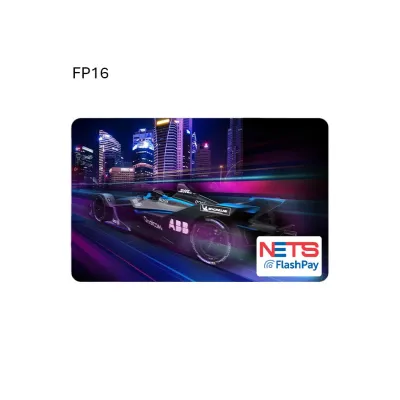
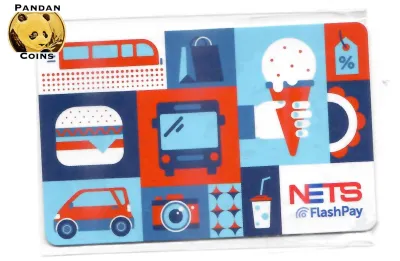
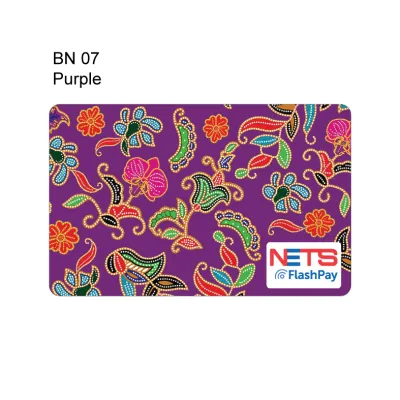
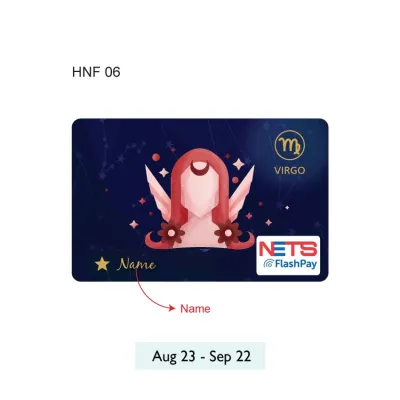
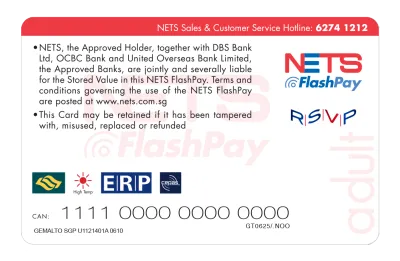
Prices are valid at publication and may change. Please refer to the product page for the latest price.
Choose NETS FlashPay if: You are a driver in Singapore who needs a single, dependable card to slot into your vehicle’s In-Vehicle Unit (IU) or On-Board Unit (OBU) for ERP tolls, parking charges, and quick payments at petrol stations and drive-through lanes.
Choose Neither (Use Contactless Bank Cards) if: You want to declutter your wallet, do not drive, and prefer to tap your existing contactless credit card, debit card, or mobile wallet directly at transit gantries without managing a separate stored-value card.
Verify first if: You are holding an older legacy card. Due to ongoing system upgrades in Singapore’s transit network, older physical cards may require migration to the SimplyGo platform or complete replacement to remain functional at transit gates.
Public Transport and SimplyGo Compatibility
Singapore’s public transit network operates under the SimplyGo system, an account-based ticketing platform designed to unify transit payments. This system has fundamentally changed how physical cards like EZ-Link and NETS FlashPay interact with bus and train readers. Understanding how these cards function under SimplyGo is essential to avoiding delays at the gantry.
When you tap in and out at MRT stations or on public buses, both EZ-Link and NETS FlashPay calculate your fares identically. The Land Transport Authority (LTA) uses a distance-based fare structure, meaning you will pay the exact same fare regardless of which card you tap, provided both are configured correctly under the SimplyGo system. The physical tap experience is virtually indistinguishable: you hold your card over the reader for a fraction of a second, wait for the green light or beep, and proceed.
However, the underlying technology differs based on whether your card is an Account-Based Card (SimplyGo-enabled) or a traditional Card-Based Pricing (CBP) card. Account-based cards process transactions on a central backend server, meaning your card balance is updated in the cloud rather than directly on the physical chip. This allows you to view your transaction history, track fares, and top up your card remotely using a smartphone app. If you prefer to see your card’s remaining balance instantly on the gantry screen as you tap out, you must verify if your card is running on the older CBP system, as SimplyGo-enabled cards display a “SimplyGo” text prompt instead of a live balance on the reader.
Concession cards represent another critical distinction. If you qualify for subsidized transit fares—such as students, senior citizens, national servicemen, or persons with disabilities—your options are predetermined. These specialized concession passes are managed and issued through SimplyGo Pte. Ltd. and are built on the EZ-Link platform. NETS FlashPay does not offer equivalent public concession card variants. If you rely on these subsidized rates, you must use the official EZ-Link concession card issued to your name.
Before heading out on your commute, it is highly recommended to verify your card’s current status. You can check if your physical card is SimplyGo-compatible by looking for the SimplyGo logo on the back of the card, inserting it into a ticketing machine at any MRT station, or registering the card’s unique identification number in the SimplyGo mobile application. If you hold an older legacy card that is not compatible with the current ticketing infrastructure, you will need to visit a SimplyGo Ticket Office to transition your balance to a modern, compatible card.
Motoring with NETS FlashPay: ERP, Parking, and Driving Needs
For drivers in Singapore, the choice of a reloadable card extends far beyond public transit. Your card must integrate seamlessly with your vehicle’s hardware to handle toll payments and parking charges automatically. This is where the functional differences between EZ-Link and NETS FlashPay become most apparent.

The Electronic Road Pricing (ERP) system relies on physical cards inserted into an In-Vehicle Unit (IU) or the newer On-Board Unit (OBU) installed in your car. Historically, both EZ-Link and NETS FlashPay have been compatible with dual-mode IUs. However, NETS FlashPay has long been the traditional standard for motoring payments. When choosing a card for your vehicle, you must check your specific IU model. Older first-generation IUs, dual-mode IUs, and the Next-Gen ERP (ERP 2.0) OBUs have varying card compatibility profiles. NETS FlashPay cards are specifically designed to meet the technical standards of dual-mode IUs, allowing for automatic deductions as you drive under active ERP gantries.
Car park payments present another logistical hurdle. Singapore utilizes the Electronic Parking System (EPS) across Housing & Development Board (HDB) estates, shopping malls, and commercial buildings. While most modern car parks are designed to accept both card types, certain older or privately managed car parks may have readers configured exclusively for the NETS payment network. Having a NETS FlashPay card in your IU ensures you can exit these car parks without the hassle of a failed transaction at the exit gantry. Additionally, NETS FlashPay integrates smoothly with various digital parking solutions and automated top-up systems tailored specifically for motorists.
Petrol stations and drive-through lanes also favor the NETS ecosystem. Major petrol kiosks across Singapore—including Esso, Shell, Caltex, and SPC—have payment terminals optimized for NETS transactions. If you need to pay for fuel or quick purchases at a drive-through without leaving your vehicle, a NETS FlashPay card provides a fast, contactless option that is widely accepted at these drive-up terminals.
To prevent unexpected gantry errors, vehicle damage from sudden stops, or traffic fines, motorists must observe strict safety and verification protocols. Always physically test your card in your vehicle’s IU or OBU before embarking on a route with active ERP gantries. Ensure the card is inserted in the correct orientation and that the unit’s LED indicator turns green, signaling a successful connection. If you are uncertain about compatibility with your specific vehicle hardware, consult the Land Transport Authority (LTA) OneMotoring portal or the card manufacturer’s official guidelines before driving.
Retail Payments and Daily Spending
Beyond transit and motoring, both cards function as micro-payment tools at physical retail merchants across Singapore. However, their acceptance networks reflect their historical development and corporate backing.
NETS FlashPay benefits from the vast, nationwide infrastructure of the Network for Electronic Transfers (NETS). This means any retail terminal that accepts contactless NETS payments can typically accept your NETS FlashPay card. This network is incredibly dense, covering everything from neighborhood hawker stalls and food courts to major supermarket chains like FairPrice, Cold Storage, and Sheng Siong, as well as convenience stores like 7-Eleven and Cheers. EZ-Link also boasts a substantial retail footprint, particularly within convenience stores, fast-food outlets, and transit-adjacent merchants. However, in smaller neighborhood shops and traditional wet markets where only standard NETS terminals are installed, a NETS FlashPay card often provides more reliable acceptance.
When using these cards for daily spending, you must be aware of contactless transaction limits. Stored-value cards are designed for quick, low-value transactions and typically do not require a PIN or signature for purchases under S$100. However, for security reasons, there is a maximum limit to how much electronic cash can be stored on a physical card at any one time (usually capped at S$500). If you plan to make larger retail purchases, you should verify the merchant’s specific contactless terminal limits, as some systems may prompt for a secondary verification or restrict transaction values.
Reward programs can add extra value to your daily expenditures, but they require active management. EZ-Link offers a dedicated rewards platform through its mobile app, allowing users to earn points for every transit trip and retail transaction. These points can be redeemed for dining vouchers, shopping discounts, or ride credits. NETS FlashPay occasionally runs merchant-specific promotions and cashback campaigns. Because loyalty structures, partnership agreements, and point-earning rates change frequently, you should read the current cardholder terms and conditions on the respective official websites rather than assuming fixed, long-term benefits.
Card Costs, Top-Ups, and Management
Acquiring and maintaining a reloadable card involves upfront costs, ongoing top-up logistics, and understanding what happens when a card reaches the end of its operational lifespan.
When purchasing a new physical card, you will encounter varying price structures depending on where you buy it. Generally, a standard physical card purchased at an MRT passenger service centre or a SimplyGo Ticket Office costs around S$10 to S$12. This price typically includes a non-refundable card fee (usually S$5) and an initial stored-value balance (usually S$5 to S$7). Special edition cards featuring popular pop-culture designs, custom artwork, or collectible packaging are often sold at higher price points at convenience stores or online marketplaces, and these premium variants may not include any pre-loaded value. Standard physical cards conform to the universal CR80 credit card dimensions, ensuring they fit seamlessly into standard wallets, cardholders, and vehicle IU card slots. To find the most accurate, up-to-date pricing and design availability, check the official SimplyGo or NETS websites before making a purchase.
Topping up your card is highly convenient in Singapore, with multiple physical and digital channels available:
- MRT Station Kiosks: You can place your physical card on the reader of any SimplyGo Kiosk or ticketing machine to top up using a bank card or cash.
- Convenience Stores: Outlets like 7-Eleven and Cheers offer top-up services at their cash registers, though they may charge a small administrative fee (typically S$0.50) per transaction.
- AXS and SAM Machines: These self-service terminals located across the island allow you to top up your cards using debit cards or digital payment modes.
- Mobile Applications: If your smartphone is equipped with Near Field Communication (NFC) capabilities, you can top up both EZ-Link and NETS FlashPay cards directly through their respective mobile apps by holding the card against the back of your phone and paying via a linked credit card or bank transfer.
To eliminate the risk of running out of funds at a transit gantry or an ERP exit, you can set up auto top-up facilities. EZ-Link offers the “EZ-Reload” service, while NETS provides the “NETS Auto Top-Up” service. Both systems link your physical card to a designated credit card, debit card, or GIRO bank account. When your card balance falls below a predefined threshold (such as S$3 or S$5), the system automatically charges your linked account to add a set amount (such as S$20 or S$30).
Physical reloadable cards do not last indefinitely; they typically have an operational lifespan of 5 years from the date of manufacture. Once a card expires, it can no longer be used for transit or retail payments. You can check your card’s expiry date via ticketing machines, the SimplyGo app, or the NETS app. If your card has expired, or if it is lost or damaged, you can apply for a refund of the remaining stored value. To safeguard your funds against loss or theft, you must register your card online under your name via the respective card portal. Unregistered cards are treated like physical cash; if you lose an unregistered card, the remaining balance cannot be blocked or refunded.
The Practical Alternative: Contactless Bank Cards
As payment technologies have matured, many residents and visitors in Singapore are moving away from dedicated reloadable cards entirely. The SimplyGo framework allows commuters to use their existing contactless bank cards—including Mastercard, Visa, and NETS contactless debit or credit cards—directly at transit gantries and physical retail terminals.
This alternative offers several distinct advantages. First, it eliminates wallet clutter by removing the need to carry a dedicated transit card. Second, it completely removes the administrative chore of monitoring balances and performing manual top-ups, as fares are billed directly to your bank account. Finally, you avoid paying non-refundable card issuance fees for a physical piece of plastic that will eventually expire.
However, contactless bank cards come with specific limitations that may make them less suitable for certain users:
- Foreign Transaction Fees: Tourists using foreign-issued credit or debit cards may incur administrative fees or unfavorable currency conversion rates from their issuing banks for every daily transit charge.
- Bank Statement Clutter: Transit fares are aggregated and posted to your bank statement every few days. If you prefer a clean, singular view of your monthly bank transactions, this aggregation can make tracking individual journeys more complex.
- In-Vehicle Unit Compatibility: Standard contactless bank cards cannot be inserted into older dual-mode vehicle IUs for automated ERP or parking payments. While some newer digital parking systems allow direct card-less billing, drivers generally still require a dedicated physical card like NETS FlashPay for reliable, universal motoring payments.
- Suitability for Dependents: Children, teenagers, and elderly family members who do not possess personal bank accounts or smartphones still require a physical, dedicated reloadable card for their daily commutes.
The decision rule is straightforward. If you do not drive, do not qualify for specialized transit concessions, and prefer a streamlined digital wallet, switching entirely to your contactless bank card is the most efficient choice. However, if you are a driver who needs a card permanently slotted into your vehicle’s IU, or if you are managing transit payments for dependents, maintaining a dedicated physical reloadable card remains highly practical.
Frequently Asked Questions (FAQ)
Can I use both NETS FlashPay and EZ-Link on the same SimplyGo account?
Yes, the SimplyGo mobile application and online portal allow you to add and manage multiple cards under a single user account. You can register both your physical EZ-Link cards and NETS FlashPay cards within the same app interface. This centralized management system allows you to monitor transaction histories, track travel fares, and initiate remote top-ups for all registered cards. However, please note that fares are calculated and charged individually per physical card; you cannot aggregate or transfer balances between different cards, nor can you combine them to meet minimum spend requirements for reward programs.
What happens to my balance if I lose my reloadable card?
If you lose a registered EZ-Link or NETS FlashPay card, you can report the loss immediately through the SimplyGo app, the official website, or by calling their respective customer service hotlines. Once reported, the card will be blocked within a specified time frame (usually within 48 hours) to prevent unauthorized transactions. Any remaining stored value on the card at the time of the block will be refunded or transferred to your designated bank account. However, if your card was never registered under your name, the card network cannot verify your ownership, and the remaining balance will be permanently lost.
Are there any monthly maintenance or inactivity fees for these cards?
Generally, standard physical reloadable cards do not charge monthly maintenance fees during their active operational lifespan. However, if a card remains completely inactive for an extended period after its expiry date, a monthly service fee or dormancy charge may be deducted from the remaining stored value until the balance is depleted. To avoid these deductions, you should monitor your cards’ expiry dates and apply for a refund of any remaining balance as soon as you stop using a card. Always read the specific terms and conditions provided by the card issuer at the time of purchase to understand the exact dormancy thresholds and fee structures.

Community discussion
Share your experience or ask a question. Comments are reviewed before publication.