
Choosing the right reloadable card in Singapore depends on how you commute, drive, and pay for daily essentials. While public transit users generally rely on EZ-Link, drivers managing Electronic Road Pricing (ERP) and parking fees often require a dedicated NETS card. Understanding how these systems overlap, and where they remain strictly separate, is key to avoiding transaction failures at transit gantries or car park exit barriers.
Each card operates on specific technical standards that dictate where it can be read. Some cards require physical insertion into an in-vehicle unit, while others rely on contactless tapping at retail terminals or transit gates. By evaluating your daily travel patterns and your vehicle’s hardware, you can select the most efficient card configuration for your lifestyle.
Core Features and Primary Use Cases
EZ-Link is the long-standing standard for public transit in Singapore, designed primarily for train and bus commutes. It operates on the Contactless e-Purse Application System (CEPAS) standard, allowing commuters to tap and go at transit gantries. Over the years, its utility has expanded to include retail payments at convenience stores, supermarkets, and selected hawker stalls, making it a highly versatile option for non-drivers.
Products mentioned in this guide
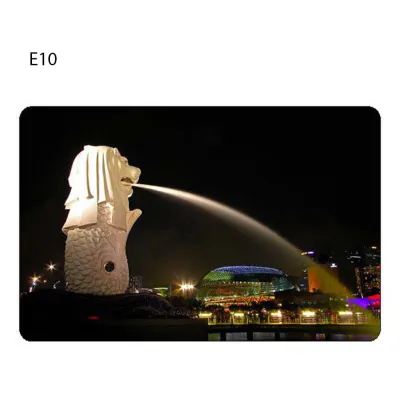
Prices are valid at publication and may change. Please refer to the product page for the latest price.
The NETS CashCard is a dedicated motoring card designed specifically for vehicle owners. Historically, it has been the standard payment method for ERP gantries and electronic car park systems. Unlike transit-focused cards, the traditional CashCard relies on a physical chip that must be inserted into a vehicle’s first-generation In-Vehicle Unit (IU) to facilitate automatic deductions while driving.
NETS FlashPay serves as a multi-purpose bridge between transit and motoring. Also built on the CEPAS standard, this card allows users to pay for public bus and train rides while remaining compatible with newer dual-mode IUs. This dual-functionality makes it a popular choice for drivers who want a single card to manage both their daily commute and their motoring expenses.
Hardware compatibility is a critical factor when choosing between these options. A vehicle equipped with an older, first-generation IU requires a physical chip-based card, whereas a dual-mode IU or the newer ERP 2.0 On-Board Unit (OBU) can read contactless CEPAS cards. Drivers must identify their specific vehicle hardware before purchasing a card to ensure seamless transactions.
Detailed Comparison of Daily Transactions
Public transit and retail tap-and-pay compatibility vary significantly across these three card types. EZ-Link and NETS FlashPay are fully integrated into the national transit network, allowing immediate access to buses and trains. Standard chip-based NETS CashCards cannot be used at transit gantries. For retail purchases, EZ-Link and NETS FlashPay enjoy wide acceptance at point-of-sale terminals, whereas the traditional CashCard is rarely accepted outside of motoring-related merchants.

ERP and car park deduction requirements depend heavily on the generation of your vehicle’s receiver. First-generation IUs only accept the classic, chip-based NETS CashCard. If you insert a CEPAS-compliant card like EZ-Link or NETS FlashPay into a first-generation unit, the system will display an error, and deductions will fail. Conversely, dual-mode IUs and ERP 2.0 OBUs accept contactless cards, including NETS FlashPay, EZ-Link, and the newer contactless NETS CashCard variants.
Reload options and availability differ across the card networks, though all offer physical and digital top-up channels. Users can top up EZ-Link and NETS FlashPay cards at transit ticketing machines, AXS stations, convenience stores, and via NFC-enabled mobile applications. Traditional chip-based CashCards generally require physical insertion at top-up terminals, local bank ATMs, or specific motoring kiosks, making them slightly less convenient to reload on the go.
Card validity periods and expiry conditions are important for long-term maintenance. Most stored-value cards in Singapore have a validity period of five to ten years from the date of manufacture. Once a card expires, it can no longer be used for transactions or transit rides. Cardholders must monitor these dates to arrange for balance transfers or refunds before the card becomes completely inactive.
Decision Framework: Which Card Should You Get?
You should choose EZ-Link if your daily routine revolves around public transit, walking, and occasional retail purchases. If you do not own a vehicle, the extensive transit integration and retail network of EZ-Link make it the most practical choice. It eliminates the need to carry cash for small transactions at hawker centers or convenience stores.
You should choose the NETS CashCard if you are a driver with a vehicle equipped with a first-generation IU. If your driving habits are predictable and you rarely use public transit, keeping a dedicated CashCard permanently inserted in your vehicle minimizes hassle. This setup ensures you are always prepared for ERP gantries and car park charges without needing to remove the card for other uses.
You should choose NETS FlashPay if you want a single, versatile card that covers both public transit and motoring. This card is ideal for drivers of vehicles with dual-mode IUs who also commute via train or bus. It allows you to transition from driving to public transit seamlessly, using the same card for both systems.
Before making a final decision, verify the hardware installed in your vehicle and the payment terminals at your frequent destinations. Checking whether your car park uses a legacy system or a modern contactless reader will help you avoid unexpected payment failures. Ensuring compatibility with your specific vehicle setup is the most reliable way to choose the correct card.
Practical Tips for Reloading and Maintenance
Setting up an auto-reload facility is a highly effective way to prevent insufficient balance errors at ERP gantries or transit gates. Both EZ-Link and NETS offer automated top-up services that link your card to a preferred bank account or credit card. When the card balance falls below a specified threshold, the system automatically applies a pre-determined top-up amount, ensuring uninterrupted travel.
Monitoring your card balance and transaction history is straightforward with official mobile applications. By downloading the respective app for your card, you can register your card number and track expenditures in real time. This digital tracking is particularly useful for drivers who need to claim parking or toll expenses for work-related travel.
When handling expired, lost, or physically damaged cards, prompt action is necessary to recover any remaining funds. Card issuers provide specific channels for balance refunds, which may involve visiting a transit ticket office or submitting an online request. Be aware that administrative fees may apply to balance transfers or refund processing, depending on the terms and conditions of the specific card issuer.
Frequently Asked Questions (FAQ)
Can I use my contactless bank card directly for transit and ERP instead of a reloadable card?
You can use a contactless bank card directly for public transit via the SimplyGo system, which eliminates the need to maintain a separate stored-value card for buses and trains. However, bank cards cannot be used directly in standard vehicle IUs for ERP and car park payments. Motoring deductions still require a compatible physical stored-value card inserted into the vehicle’s unit, or a registered digital payment profile linked to compatible newer vehicle hardware.
What happens to the remaining balance if my reloadable card expires?
The remaining balance on an expired reloadable card is not lost, but the card will cease to function at payment terminals. You can apply for a refund of the remaining balance or transfer the funds to a active card through authorized customer service channels, such as transit ticket offices or online portals. Processing times and potential administrative fees vary by issuer, so it is advisable to check the official website of the card brand for the most current procedures.

Community discussion
Share your experience or ask a question. Comments are reviewed before publication.