
Selecting the right fabric material is one of the most critical decisions in any sewing, crafting, or garment-making project. The performance, comfort, and longevity of a finished item depend heavily on whether you choose a natural or synthetic fiber. Understanding how these materials differ in their physical properties, care requirements, and ideal applications will help you make an informed choice that aligns with your project goals.
Understanding the Core Properties of Natural and Synthetic Fabrics
Natural fabrics are made from fibers derived directly from nature, categorized into plant-based and animal-based materials. Plant-based fibers, such as cotton and linen, are composed primarily of cellulose, which gives them a structured, breathable quality. Animal-based fibers, including wool and silk, consist of proteins, which naturally provide insulation, moisture management, and a characteristic softness or luster.
Synthetic fabrics, on the other hand, are entirely man-made from petroleum-based chemicals. Materials like polyester, nylon, and acrylic are created through chemical synthesis, where liquid polymers are extruded through spinnerets to form long, continuous filaments. These filaments are then spun into yarns, resulting in fabrics that are highly uniform, smooth, and incredibly strong.
Products mentioned in this guide
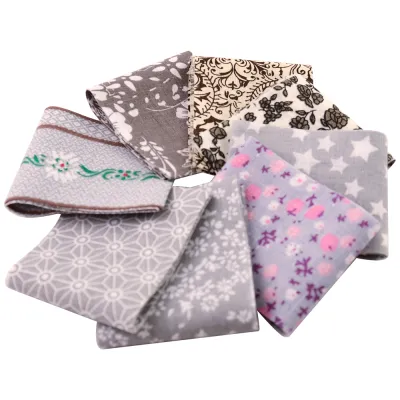
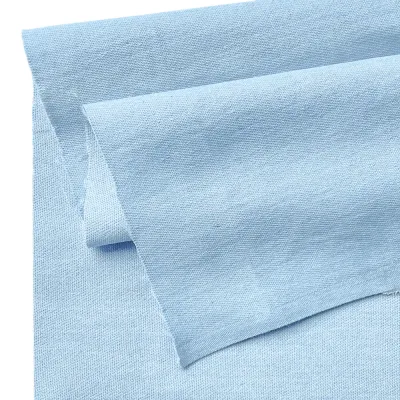
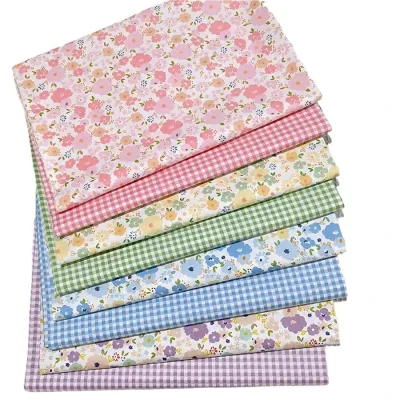
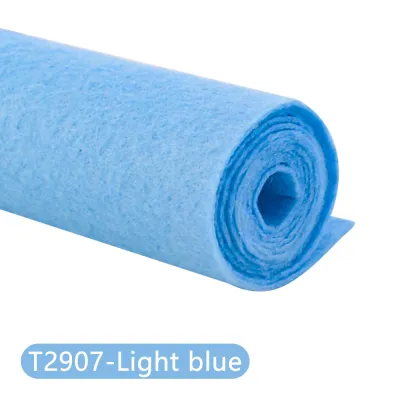
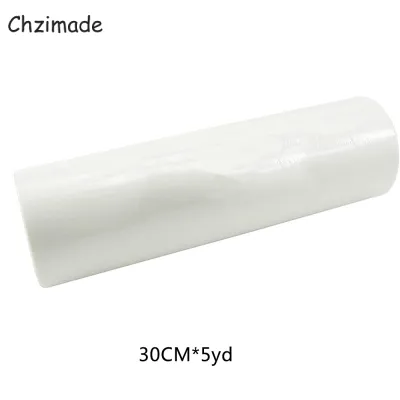
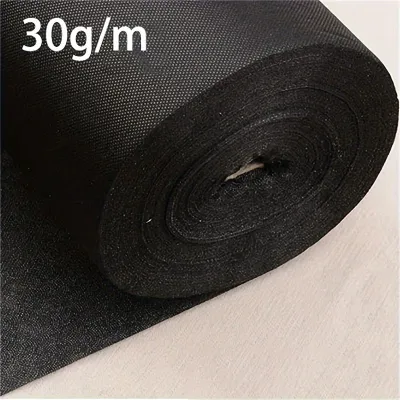
Prices are valid at publication and may change. Please refer to the product page for the latest price.
The fundamental physical properties of these two categories differ significantly, particularly regarding breathability, moisture absorption, and temperature regulation. Natural fibers possess microscopic pores that allow air to circulate freely and absorb water directly into their internal structure. This makes them highly breathable and comfortable against the skin. In contrast, synthetic fibers are hydrophobic, meaning they naturally repel water. While this prevents them from absorbing sweat, it can cause them to trap heat and moisture against the skin unless they are specifically engineered with advanced moisture-wicking channels.
Structural differences also dictate how these materials behave under stress. Synthetic fibers are known for their exceptional tensile strength, elasticity, and wrinkle resistance. They can stretch and recover their original shape easily, and their molecular structure resists creasing. Natural fibers are generally less elastic and are highly prone to wrinkling, as their internal hydrogen bonds break and reform easily when exposed to moisture, heat, or pressure.
It is important to clarify that the fiber name alone does not guarantee a specific performance outcome. The way a fabric is constructed—whether it is woven into a dense canvas, knitted into a stretchy jersey, or treated with chemical finishes—can alter its baseline properties. For example, a tightly woven cotton duck canvas will feel stiff and wind-resistant, while a loose cotton voile will feel incredibly light and airy, even though both are made from the exact same natural fiber.
Care, Washing, and Maintenance Differences
Proper maintenance is essential to preserve the appearance and structural integrity of your fabrics. Natural and synthetic fibers react differently to water, agitation, and heat, meaning they require distinct care routines to prevent damage, shrinkage, or structural failure over time.

Washing and Drying
Natural fibers are highly susceptible to shrinkage and distortion when exposed to water and heat. Cotton and linen fibers swell when wet and can contract significantly during the drying process, while wool fibers can felt and shrink irreversibly due to friction and warm water. Synthetic fibers are highly resistant to shrinkage in water, but they are extremely sensitive to heat. High temperatures in a washing machine or tumble dryer can cause synthetic fibers to warp, shrink unevenly, or even melt, destroying the fabric’s drape and texture.
Ironing and Heat Styling
Ironing requirements vary drastically between these material groups. Natural fabrics like linen and cotton can withstand high heat and often require steam to release stubborn wrinkles. Synthetics, however, have low melting points. Direct contact with a hot iron can instantly melt polyester or nylon, leaving a shiny patch or a hole. When pressing synthetic fabrics, you must use a very low heat setting, a dry iron, or a pressing cloth to protect the synthetic surface from direct heat exposure.
Stain Removal and Pilling
Stain resistance and pilling behavior are also heavily influenced by fiber type. Natural fibers absorb liquids easily, making them vulnerable to water-based stains like tea, coffee, or juice, but they release oil-based stains relatively well during washing. Synthetic fibers are lipophilic, meaning they attract and hold onto oils, making sweat sebum or grease stains difficult to remove. Furthermore, because synthetic fibers are exceptionally strong, they are highly prone to pilling. When friction causes fibers to break, the strong synthetic strands hold the tangled fiber balls securely to the fabric surface, whereas natural fiber pills tend to break off and wash away naturally.
Safety and Verification
Before applying any cleaning, heat, or chemical treatment to a fabric, always check the manufacturer’s care label. If the label is missing, damaged, or if you are working with unidentified deadstock fabric, test a small, hidden scrap first. If you are unsure of the material’s composition or care requirements, stop and consult a professional cleaner to avoid damaging your project.
Best Applications for Sewing and Craft Projects
Matching the right fabric material to your sewing or crafting project ensures that the finished item performs as intended, drapes beautifully, and is easy to handle during construction.
Ideal Uses for Natural Fabrics
Natural fabrics are the premier choice for everyday apparel, garments designed for sensitive skin, breathable summer wear, and high-end tailoring. Their superior drape, softness, and ability to regulate temperature make them incredibly comfortable to wear for extended periods, especially in warm climates.
For sewists, natural fabrics like medium-weight cotton and linen are exceptionally stable and easy to handle. They do not slip or stretch excessively under the sewing machine foot, making them ideal for beginners learning to cut, pin, and sew straight seams. However, because natural fibers tend to fray easily along raw edges, you must finish your seams using techniques like overlocking, zigzag stitching, or French seams. Additionally, because natural fabrics shrink, you must pre-wash and dry your fabric before cutting out your pattern pieces to ensure the finished garment fits correctly after its first laundering.
Ideal Uses for Synthetic Fabrics
Synthetic fabrics excel in high-performance scenarios, outdoor gear, heavy-duty accessories, and garments that require maximum durability, stretch recovery, or water resistance. Activewear, swimwear, raincoats, backpacks, and utility pouches rely on the strength and weather-resistant properties of nylon, polyester, and polyurethane-coated fabrics.
Synthetics are also highly valued for their ability to hold permanent heat-set pleats, resist wrinkling during travel, and maintain their shape and color vibrancy over years of heavy use. When sewing synthetic materials, you must adapt your tools and techniques. Slippery synthetics like polyester satin or highly elastic knits can be challenging to sew, often requiring specialized ballpoint or stretch needles to prevent skipped stitches. You may also need to use fine, sharp pins or fabric clips to avoid leaving permanent puncture holes in delicate synthetic coatings, and a walking foot can help feed slippery layers evenly through your machine.
How to Choose the Right Fabric Material for Your Project
When selecting fabric, a structured decision-making framework based on your local environment, project requirements, and budget will help you make the best purchase.
Climate Considerations
In hot and humid environments like Singapore, climate compatibility is a major factor in fabric selection. Heavy, non-breathable synthetic fabrics can trap heat and perspiration, leading to discomfort. For daily wear, lightweight natural fabrics like linen, cotton lawn, and cotton voile are highly recommended because they allow heat to escape and dry relatively quickly. However, if you are designing activewear for outdoor running or hiking, engineered performance synthetics are superior to cotton. While cotton absorbs sweat and becomes heavy and damp, high-tech polyester knits wick moisture away from the skin and dry rapidly, keeping you comfortable during physical exertion.
Project Matching
Consider the structural needs of your sewing pattern or craft template. A structured garment, such as a tailored blazer or an A-line skirt, requires a medium-to-heavyweight fabric with inherent body, such as cotton drill or structured wool. A flowing maxi dress or a soft blouse requires a lightweight fabric with excellent drape, such as silk crepe de chine or polyester chiffon. Always check the pattern instructions for recommended fabric weights, often measured in grams per square meter (GSM), and verify if the design requires a woven fabric or a knit fabric with a specific stretch percentage.
Understanding Blends
Blended fabrics offer a practical compromise by combining the best characteristics of both natural and synthetic fibers. A common example is a poly-cotton blend, which pairs the breathability and soft feel of cotton with the wrinkle resistance and durability of polyester. This results in an easy-care fabric that requires minimal ironing and holds its shape well. When purchasing fabric, always check the product tag or bolt end to verify the exact blend ratios, as a higher percentage of natural fiber will yield a softer, more breathable fabric, while a higher synthetic percentage will increase durability and reduce wrinkling.
Sourcing and Budget
Your budget and sourcing options will also guide your selection. Natural fibers, particularly high-quality linen, pure silk, and organic cotton, sit in a higher price band, often ranging from S$15 to S$50 or more per meter at local specialty shops. Synthetics and synthetic blends are generally much more budget-friendly, typically ranging from S$5 to S$20 per meter, making them excellent choices for mock-ups, lining fabrics, and high-wear utility items. When evaluating fabric at the point of purchase, consider both the weight (GSM) and the usable width of the fabric—typically 110 cm or 150 cm—to ensure you purchase the correct amount of yardage for your project.
Frequently Asked Questions (FAQ)
How can I tell if a fabric is natural or synthetic without a label?
A burn test is a classic, practical method used to identify fabric composition when a care label is missing. To perform this test safely, cut a tiny scrap of fabric and hold it with long metal tweezers over a heat-safe surface, such as a ceramic dish or a metal bowl. Always conduct the test in a well-ventilated area or outdoors, and keep a bowl of water nearby to extinguish any flames immediately. Never hold the fabric with your bare hands, and do not breathe in the smoke directly.
Observe how the fabric burns, smells, and what residue it leaves behind. Natural plant fibers like cotton and linen burn with a steady yellow flame, smell like burning paper, and leave behind soft, light grey ash. Animal fibers like wool and silk burn slowly, self-extinguish easily, smell like burning hair, and leave dark, crushable, irregular ash. Synthetic fibers like polyester and nylon melt quickly, shrink away from the flame, produce a chemical or sweet plastic odor, and leave behind a hard, dark, uncrushable melted bead that can cause severe burns if touched while hot.
Are natural fabrics always more sustainable than synthetic ones?
The environmental impact of textiles is complex, and natural fabrics are not automatically more sustainable than synthetic ones. While natural fibers are biodegradable and do not shed persistent synthetic microplastics into our water systems during washing, their cultivation can carry a heavy environmental toll. For example, conventional cotton farming requires massive volumes of water and heavy pesticide use, which can deplete local water resources and degrade soil health.
Synthetic fabrics are derived from non-renewable fossil fuels and take hundreds of years to decompose in landfills, shedding microplastics with every wash cycle. However, they require far less land and water to produce than natural fibers, and they can often be recycled mechanically or chemically into new materials. To make an eco-conscious choice, look for independent, verifiable environmental certifications on product tags, such as the Global Organic Textile Standard (GOTS) for organic natural fibers, or the Global Recycled Standard (GRS) for recycled synthetic materials.

Community discussion
Share your experience or ask a question. Comments are reviewed before publication.