
Choosing the right oil painting brush is a foundational decision that directly impacts your control over the medium, the texture of your brushstrokes, and your overall budget. The choice between natural and synthetic bristles depends primarily on your preferred painting technique, the viscosity of your paint, and how you manage your tools. Natural bristles, particularly hog hair, are traditionally preferred for heavy-body oil paints and expressive, textured strokes because of their unique physical structure. Conversely, synthetic bristles are highly favored for smooth blending, fine detail work, and as budget-friendly options for artists of all levels. To make the right selection, you must evaluate the specific brush’s stiffness, its resistance to solvents, and how it handles the consistency of your chosen paint medium.
Core Differences Between Natural and Synthetic Bristles
Understanding the structural differences between natural and synthetic bristles is essential for selecting the right tool. Natural bristles are sourced from animal hair, such as hog, sable, squirrel, or camel. These organic fibers possess unique microscopic structures, most notably “flagging,” which refers to the split ends at the tip of each hair. This natural texture allows the brush to hold and distribute heavy-body paint exceptionally well.
Synthetic bristles, on the other hand, are manufactured from extruded filaments, typically nylon or polyester. Modern manufacturing techniques allow producers to engineer these filaments with precise tapers, varied diameters, and even artificial texturing to mimic the performance of natural hair. While synthetic brushes have historically been viewed as entry-level tools, advanced engineering has made them highly competitive with natural alternatives.
Products mentioned in this guide
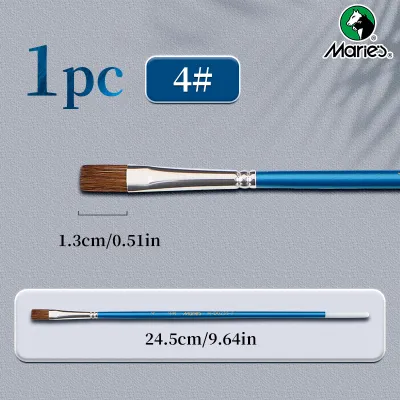
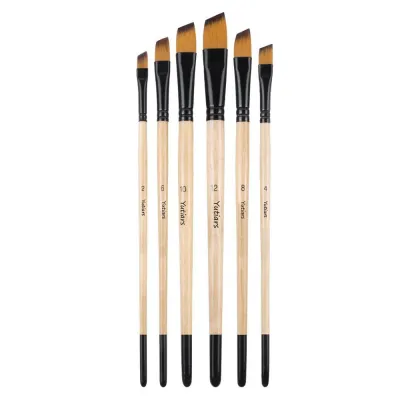
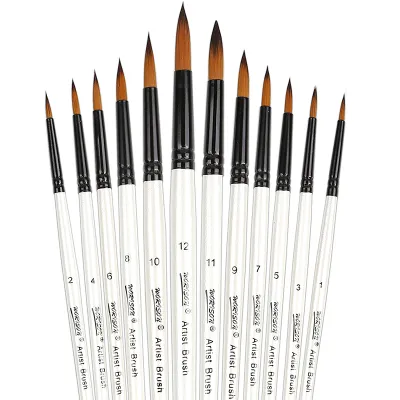
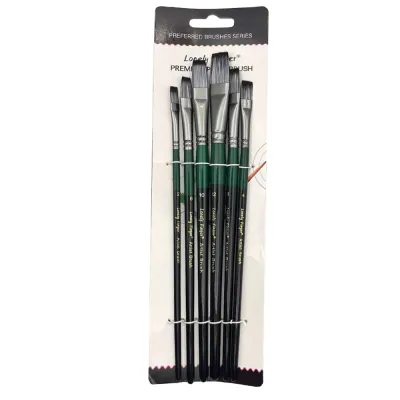
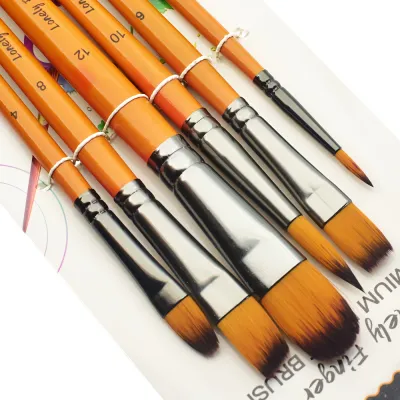
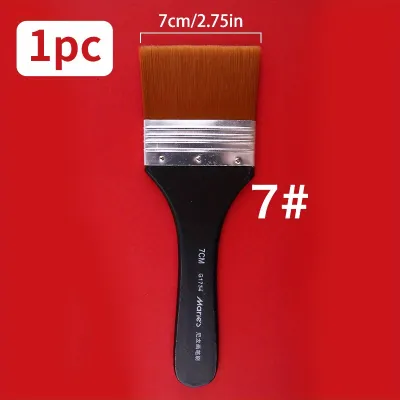
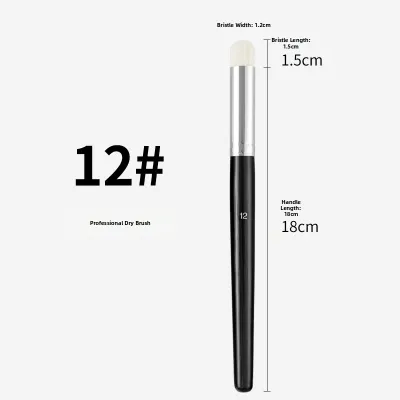
Prices are valid at publication and may change. Please refer to the product page for the latest price.
However, simply reading the material name on a brush handle does not guarantee a specific level of performance. Artists should always check the manufacturer’s specifications for stiffness, elasticity, and compatibility with specific mediums and solvents before making a purchase.
Natural Bristle Characteristics
The physical structure of natural bristles is characterized by organic variation. Hog bristle, the most common natural choice for oil painting, features a natural curve and flagged tips that act like tiny fingers to grab and hold thick paint. This structural complexity allows the brush to carry a heavy load of paint without it immediately sliding off.
However, the stiffness, spring, and absorbency of natural brushes vary significantly depending on the animal source. For instance, red sable offers a soft, springy touch ideal for delicate work, while hog hair provides the maximum stiffness required to move heavy paint. Because natural hair is porous, it can absorb moisture and solvents over time. In humid climates, such as Singapore’s tropical environment, natural bristles may absorb ambient moisture or become limp during long painting sessions, temporarily altering their shape and spring.
Synthetic Bristle Characteristics
Synthetic filaments are engineered to overcome some of the limitations of natural hair while replicating its desirable traits. Manufacturers can control the exact taper, length, and texture of each synthetic fiber, creating brushes that range from ultra-soft to highly stiff. Because synthetic fibers are non-porous, they do not absorb water, oils, or solvents.
This resistance allows synthetic brushes to maintain their original stiffness and shape consistently, even during prolonged painting sessions involving heavy medium usage. However, because performance varies widely based on the specific polymer blend and engineering process used, it is crucial to verify the filament type on the packaging. Some synthetics are designed specifically to mimic stiff hog bristle, while others are engineered to replicate the soft, smooth glide of sable.
Key Performance Dimensions for Oil Painting
When evaluating an oil painting brush, you should focus on observable, testable behaviors rather than relying on generalized marketing claims. The way a brush performs on the canvas is determined by how its bristles interact with the viscosity of your paint and the chemicals in your cleaning setup. By understanding these performance dimensions, you can systematically test and select brushes that match your handling preferences.

Paint Load and Release Behavior
The capacity of a brush to hold paint—and how smoothly it releases that paint onto the canvas—is a critical factor in your painting flow. Natural bristles, with their microscopic scales and flagged ends, excel at holding large volumes of heavy-body oil paint. This allows you to lay down long, continuous strokes without frequent interruptions to reload your palette.
Synthetic filaments, being smoother and less porous, release paint more predictably and evenly. However, this smoothness means they may not hold as much thick, unthinned paint in a single load, requiring you to reload the brush more frequently when working with heavy impasto. To find your preference, test the brush with your typical paint consistency to observe how the paint clings to the bristles and how much pressure is required to release it.
Stroke Texture and Blending Control
The visual texture left on your canvas is directly influenced by the stiffness and shape of your brush bristles. Stiffer natural bristles, such as hog hair, leave distinct, visible brushmarks that are highly desirable for expressive, textured styles and impasto techniques. These stiff fibers have the strength to push thick paint around, creating physical ridges on the canvas.
In contrast, softer synthetic filaments or fine natural hairs (like sable) are designed for smooth blending, glazing, and precise detail work. They glide across the surface without leaving harsh lines, making them ideal for portraiture or realistic still life. Keep in mind that stroke texture is also heavily influenced by the shape of the brush head (such as flat, filbert, or round) and the amount of physical pressure you apply.
Solvent Resistance and Shape Retention
Oil painting involves exposure to various solvents, mediums, and cleaning agents, which can take a toll on brush fibers. Natural bristles are susceptible to chemical damage; prolonged exposure to strong solvents like mineral spirits or turpentine can strip the natural oils from the hair, making the bristles brittle, prone to breaking, and limp.
Synthetic filaments are highly resistant to solvent degradation, allowing them to retain their shape, snap, and stiffness even after repeated exposure to harsh cleaning routines. When selecting a brush, always check the manufacturer’s care instructions and solvent compatibility warnings. If you prefer using strong solvents for underpainting or quick cleanups, synthetic brushes often provide a more durable and resilient option.
Decision Framework: Matching Material to Your Needs
Selecting the right brush involves balancing your artistic style, your working environment, and your budget. By analyzing your specific painting habits, you can determine which bristle material will offer the most satisfying and cost-effective experience.
Choose Natural Bristles If…
You should choose natural bristle brushes if your painting style relies heavily on traditional oil techniques, thick impasto, and expressive, textured brushwork. If you enjoy the tactile feedback of a stiff brush that can push heavy-body paint across the canvas, natural hog hair is highly suitable. This choice is also ideal for artists who appreciate the traditional “snap” and superior paint-holding capacity that only flagged natural hair can provide. However, selecting natural bristles means you must be committed to a meticulous maintenance routine, as these brushes require careful cleaning and conditioning to prevent them from drying out and losing their shape over time.
Choose Synthetic Bristles If…
Synthetic brushes are the practical choice if your work involves fine details, smooth blending, or the frequent use of highly thinned paint and glazing mediums. If you prefer a brush that maintains its exact shape and stiffness throughout a long painting session, synthetic filaments are highly reliable. They are also excellent if you frequently use strong solvents and want a durable tool that resists chemical wear. For students, hobbyists, or artists who practice frequently and require easy-to-clean tools that can withstand rigorous use, synthetic brushes offer an accessible and highly durable solution.
Budget and Value Considerations
Evaluating the cost-effectiveness of your brushes requires looking beyond the initial purchase price to consider long-term durability. High-quality natural hair brushes, particularly premium sable or dressed hog bristle, typically carry a higher initial cost and can represent a significant investment. If they are not maintained perfectly or are exposed to harsh solvents, they may need frequent replacement, increasing your ongoing expenses.
Synthetic brushes generally offer a lower entry price, making it easier to build a diverse collection of shapes and sizes. Because they resist chemical damage, they often provide a longer lifespan under demanding conditions, offering excellent value for high-volume practice. When shopping, check local art supply stores in Singapore, such as those in Bras Basah Complex, or reputable online marketplaces to compare current S$ pricing and evaluate the cost per brush against your expected usage frequency.
Cleaning and Maintenance Requirements
Proper maintenance is the single most important factor in extending the lifespan of both natural and synthetic oil painting brushes. Regardless of the material, the cleaning process should begin immediately after your painting session. Start by using a lint-free cloth or paper towel to squeeze out as much excess paint from the bristles as possible, working from the ferrule to the tip. Next, wash the brush thoroughly using a dedicated brush soap and lukewarm water. Avoid hot water, as it can melt the glue holding the bristles inside the metal ferrule.
Each bristle type has specific vulnerabilities that require targeted care. Natural bristles are organic and can dry out, becoming brittle and prone to shedding. To prevent this, you should periodically apply a specialized brush conditioner or a drop of natural oil soap to keep the hairs supple. Synthetic bristles do not need conditioning, but they are highly prone to paint buildup near the ferrule. If paint dries in this area, it forces the bristles outward, permanently ruining the brush’s shape. Always inspect the base of the bristles during cleaning to ensure no residue remains. Never leave either type of brush soaking face-down in solvent or water, as this will permanently bend the bristles and damage the wooden handle. Always dry your brushes flat or hanging head-down to prevent water from seeping into the ferrule.
Frequently Asked Questions (FAQ)
Can I use the same brush for both oil and acrylic paints?
While synthetic brushes are highly versatile and can transition between oil and acrylic paints after a thorough cleaning, natural bristle brushes should generally be reserved exclusively for oil painting. Acrylic paint is highly alkaline, which can strip the natural oils from animal hair, causing the bristles to become dry, brittle, and prone to breaking. Additionally, natural bristles absorb water from acrylic paints, causing them to swell, lose their shape, and become limp. To preserve the integrity of your natural brushes and prevent cross-contamination of mediums, it is highly recommended to dedicate specific brushes to oil painting and use synthetic options for your acrylic work.
How do I test a brush's stiffness before buying?
To evaluate a brush’s stiffness and spring before purchasing, you can perform a few simple, non-damaging tests in the store. Gently press the dry bristles against the back of your hand or a clean, flat surface, bending them slightly to feel the resistance and how quickly they snap back into shape. A high-quality brush should feel springy rather than limp or stiffly rigid. You should also examine the packaging or manufacturer’s product description for a stiffness rating, which typically ranges from soft to extra-stiff. Finally, observe the thickness and taper of the bristles; thicker, coarser fibers generally indicate a stiffer brush designed for heavy paint, while fine, tapered tips suggest a softer brush meant for detailed work.

Community discussion
Share your experience or ask a question. Comments are reviewed before publication.