
Selecting the right planner layout for 2027 depends on how you process time and tasks. If your primary goal is high-level scheduling, tracking major deadlines, and maintaining a macro view of your month, a monthly planner is the most efficient choice. For those who need to balance daily to-do lists with a clear overview of the upcoming week, a weekly planner offers an ideal middle ground. If your day is packed with hourly appointments, detailed meeting logs, or extensive journaling, a daily planner provides the necessary space and structure. Finding your match requires evaluating your daily task density, your need for micro-management versus long-term goal tracking, and your physical portability constraints.
Consider how you currently manage your schedule. A high-density schedule with multiple meetings, time-blocked study sessions, or freelance project milestones demands a layout that prevents tasks from spilling over or becoming illegible. Conversely, if you rely heavily on digital calendars for real-time notifications and only use paper to visualize major milestones, a minimalist monthly grid prevents unnecessary bulk.
Portability is another critical factor to weigh against writing space. A larger planner offers expansive room for detailed notes but can add noticeable weight to your daily commute bag, especially during warm, humid transit rides where carrying lighter loads is preferable. A smaller, pocket-sized format is highly portable but limits your writing to short, abbreviated bullet points. Balancing these physical dimensions with your writing habits ensures your planner remains a functional tool rather than a burdensome accessory.
Products mentioned in this guide
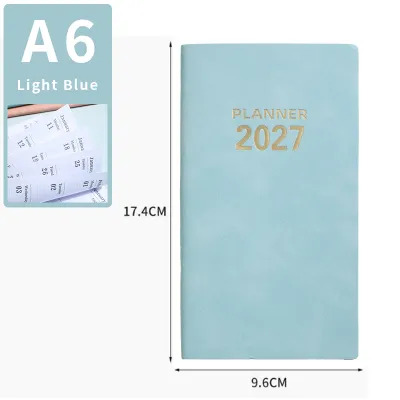
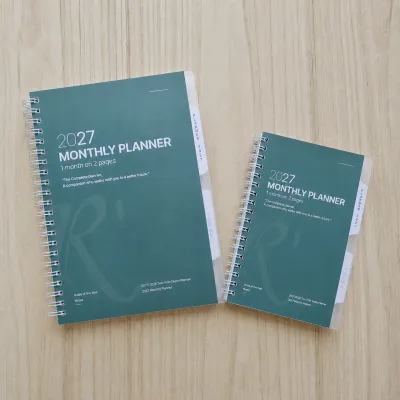
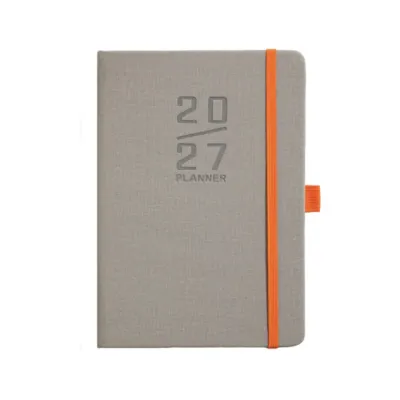
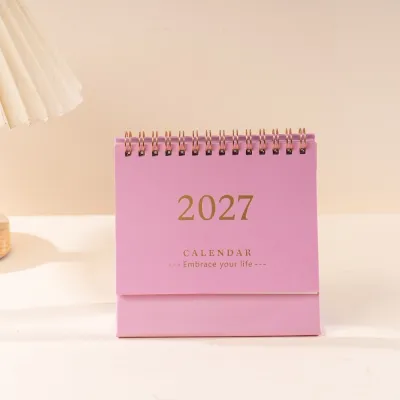
![[2 in 1] 2027 Vincent van Gogh Monthly Planner + Weekly Planner/Notebook - (A5 | 120 pages)|ROYCE PUBLISHING](https://img.lazcdn.com/g/p/167f5ca7dc71bb65dfe551a31e9f4650.jpg_400x400q80.jpg_.webp)
Prices are valid at publication and may change. Please refer to the product page for the latest price.
Comparing MUJI Planner Formats for 2027
The design philosophy behind these planners centers on minimalism, functional layouts, and the removal of non-essential decorative elements. This clean aesthetic allows you to customize each page to your specific organizational system without visual distraction. By focusing on structured grids, consistent line weights, and neutral tones, these formats serve as adaptable templates for various time-tracking granularities. Understanding how each layout structures time helps you identify which format aligns with your cognitive style and daily workflow.
Monthly Planners: Big-Picture Tracking
Monthly planners utilize a classic grid layout that displays an entire month across a two-page spread. This format is designed for macro-level tracking, allowing you to see how your weeks connect and where your busiest periods lie. The spacious daily blocks are ideal for recording fixed deadlines, travel dates, birthdays, and long-term project milestones. Because the entire month is visible at a single glance, you can easily anticipate upcoming commitments and plan your preparation phases accordingly.
This format is highly suited for individuals with a lower density of daily tasks or those who prefer a hybrid planning system. If you use digital calendars to manage hourly appointments and notifications, a physical monthly planner acts as an excellent high-level dashboard. It provides a tactile space to step back from digital screens and review your monthly progress, goals, and major events without getting bogged down in minute-by-minute details.
Before purchasing a monthly planner, perform a quick verification check of the supplementary pages. Because the monthly grids occupy only a small portion of the book, manufacturers often include additional lined, gridded, or blank note pages at the back, along with annual overview inserts. Inspect the product specifications or physical layout to ensure the volume of these note pages matches your need for free-form writing, brainstorming, or habit tracking throughout the year.
Weekly Planners: Balancing Detail and Overview
Weekly planners are designed to bridge the gap between high-level monthly planning and granular daily tracking. These layouts typically come in several variations, such as vertical columns for time-blocking, horizontal blocks for chronological journaling, or a weekly-plus-notes format that places the weekly schedule on the left page and a gridded note page on the right. This structural variety allows you to decompose larger monthly goals into manageable daily tasks while maintaining a clear view of the entire week’s commitments.
This format is ideal for users who track weekly habits, manage moderate-density to-do lists, and coordinate multiple weekly meetings. The weekly-plus-notes layout is particularly popular among students and project managers, as it provides a structured timeline for deadlines alongside ample space for meeting minutes, action items, or weekly reflections. It helps you visualize your weekly workload capacity, preventing you from overcommitting on any single day.
When evaluating a weekly planner, a key physical verification check is the binding method. To write comfortably across a two-page weekly spread, the planner must lay completely flat at 180 degrees. Check the product description or inspect the spine to confirm if it uses a thread-sewn binding or a flexible lay-flat glue binding. Avoid stiff, tightly glued bindings that force you to hold the pages down with one hand while writing with the other, as this quickly becomes frustrating during daily use.
Daily Planners: Hour-by-Hour Precision
Daily planners offer the highest level of detail, dedicating a full page to a single day. These high-density layouts frequently feature a vertical time axis for precise time-blocking, dedicated priority sections for your top tasks, and generous free-note areas for journaling or sketching. This structure encourages deep time management, helping you allocate specific hours to focused work and track exactly how your time is spent.
This format is highly beneficial for students with complex class schedules, freelancers managing multiple client projects, or professionals with back-to-back meetings. The expansive daily page ensures that no detail is lost, providing enough room to write down phone numbers, quick reminders, and detailed task steps. It also serves as an excellent tool for daily reflection, allowing you to combine your schedule and personal diary into a single volume.
However, the primary limitation of a daily planner is its physical bulk and weight. Because it requires over three hundred pages to cover the entire year, a daily planner is significantly thicker and heavier than its monthly or weekly counterparts. Before committing to this format, check the product’s physical dimensions and weight against your daily commute bag. If you frequently travel or work on the move, a heavy daily planner may end up staying on your desk, defeating its purpose as a portable organizational tool.
Key Physical Specifications to Verify Before Purchase
To ensure your planner integrates seamlessly into your daily routine, you must verify several physical specifications before making a purchase. First, consider size compatibility. Standard paper sizes like A5 (148mm x 210mm), B6 (125mm x 176mm), and A6 (105mm x 148mm) offer different balances of writing area and portability. Measure your existing bags, desk organizers, or favorite planner covers to ensure the size you select fits comfortably within your current setup.

Second, pay close attention to paper specifications. The paper weight, typically measured in grams per square meter (gsm), and the specific paper type directly influence how your favorite writing instruments perform. If you prefer using gel pens, fountain pens, or heavy markers, look for labels indicating high-quality, bleed-resistant paper. Because smoothness, drying speed, and bleed resistance depend on the exact combination of your pen’s ink and the paper’s surface, it is wise to check user feedback regarding paper performance or test a small corner of the page if a sample is available.
Finally, evaluate cover durability based on your primary usage environment. Planners are available with various cover materials, including rigid cardstock, flexible vinyl, or soft paper covers that require an additional protective sleeve. If your planner will spend most of its time on an office desk, a soft cover may suffice. However, if you plan to carry it daily in a backpack or tote bag, a durable hard cover or a water-resistant synthetic sleeve is essential to protect the edges from fraying and prevent moisture damage during humid transit.
Decision Framework: Which Format Fits You Best?
To finalize your choice for the upcoming year, use this conditional decision framework to match your planning habits with the correct format:
- Choose the Monthly format if: Your schedule consists primarily of fixed deadlines, travel, and major milestones. You manage your daily, minute-by-minute tasks using digital tools or a separate notepad, and you prefer a lightweight, highly portable book that adds minimal bulk to your bag.
- Choose the Weekly format if: You need to see your weekly schedule at a glance to balance your workload. You require a structured layout to track habits, meetings, and daily to-do lists, but you do not need to write extensive paragraphs or log hourly schedules every single day.
- Choose the Daily format if: Your daily routine is highly detailed, requiring strict time-blocking, hourly scheduling, or extensive space for journaling and meeting notes. You do not mind carrying a thicker, heavier book in exchange for maximum writing freedom.
If you remain unsure of your writing volume or are transitioning from a digital system to paper, consider a cautious approach. You can verify your preferences first by testing a single monthly insert or a smaller, less expensive format before investing in a full-sized, year-long planner. This trial period allows you to observe your actual writing habits without committing to a layout that might go unused.
Frequently Asked Questions (FAQ)
Can I use fountain pens with MUJI planner paper?
Whether you can use a fountain pen without experiencing bleed-through or feathering depends heavily on the specific paper batch, the paper weight, and the ink formulation you use. While many users find the paper suitable for fine-nib pens and dry inks, wetter inks or broader nibs may cause minor ghosting on the reverse side of the page. To ensure a clean writing experience, check the product packaging for paper specifications, and always perform a discreet test in an inconspicuous corner or on a back note page before filling out your schedule.
Do MUJI planners offer different start months or languages?
Yes, these planners are often released in different regional editions and calendar alignments. Some versions follow a standard calendar year starting in January, while others align with the academic or fiscal year starting in April. Additionally, the language used for days of the week and monthly headings can vary between English, Japanese, or bilingual formats depending on the target market and manufacturing batch. Always verify the start month and language options listed on the product cover or online specification sheet before finalizing your purchase to ensure it matches your planning timeline.

Community discussion
Share your experience or ask a question. Comments are reviewed before publication.