
Selecting the right paper box for moving is the foundation of a smooth, damage-free relocation. To pack efficiently, you need a strategic mix of small, medium, large, and specialty wardrobe boxes. The secret to a successful move lies in matching the weight and density of your household items to the structural limits of each box size. By understanding standard dimensions and verifying the material specifications of your cartons, you can protect your belongings, optimize space in the moving truck, and make lifting much safer.
Quick Guide: Matching Moving Box Sizes to Your Items
When planning your packing strategy, the golden rule is simple: heavy items belong in small boxes, while light, bulky items belong in large boxes. This weight-to-volume rule prevents boxes from becoming too heavy to lift and protects the structural integrity of the cardboard.
A standard moving plan typically utilizes a combination of four main categories:
Products mentioned in this guide
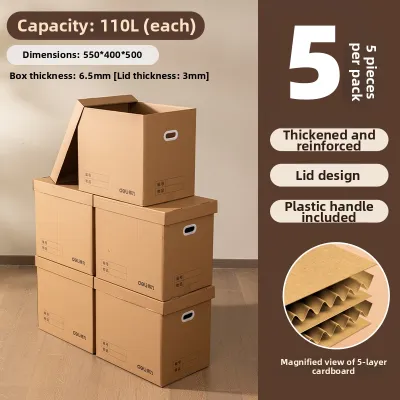
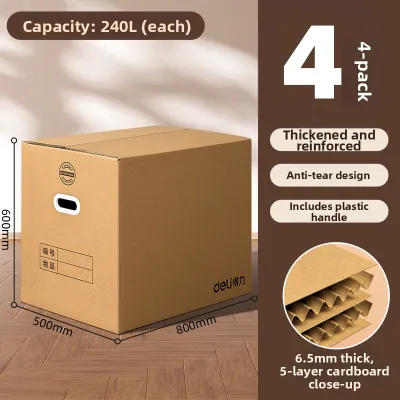
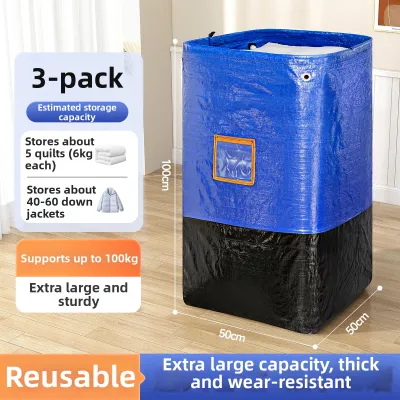
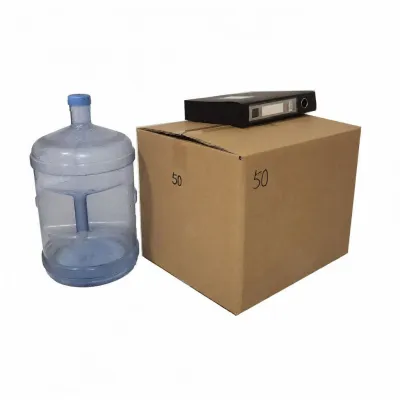
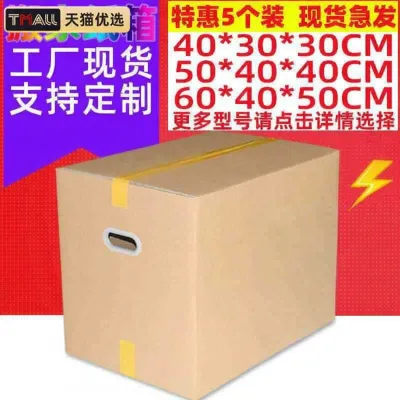
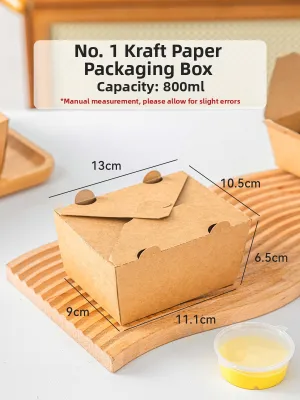
Prices are valid at publication and may change. Please refer to the product page for the latest price.
- Small boxes: Best for dense, heavy items like books, files, and canned goods.
- Medium boxes: The workhorse size for everyday items, including kitchenware, toys, and folded clothes.
- Large boxes: Ideal for lightweight, voluminous goods such as bedding, pillows, and winter wear.
- Specialty boxes: Designed for specific needs, such as wardrobe cartons with hanging rails or double-walled dish packs for fragile glassware.
Before purchasing, check the manufacturer’s exact specifications. Generic terms like ‘medium’ or ‘large’ are not standardized across suppliers. Verifying the precise length, width, and height on the product label ensures your items will fit perfectly.
Small Boxes: Packing Heavy and Dense Items Safely
Small paper boxes are essential for transporting your heaviest belongings without risking structural failure. These compact cartons are the ideal choice for packing books, hand tools, canned food, vinyl records, and heavy kitchen items. Because these items are dense, packing them in larger containers would quickly make the box impossible to lift safely or cause the bottom to give way.

To ensure your small boxes can handle heavy loads, check the manufacturer’s label for the Edge Crush Test (ECT) rating or the corrugated flute type. For heavy items, a box with a higher ECT rating (such as 32 ECT) or a sturdy C-flute construction offers better vertical stacking strength.
When packing, establish strict limits to avoid overfilling. Stop adding dense items once the box reaches a manageable lifting weight, and fill any remaining space with lightweight crumpled paper to prevent shifting.
Medium Boxes: The Standard for Everyday Household Goods
Medium moving boxes are the most versatile cartons you will use, serving as the primary container for the majority of your household goods. They are perfectly suited for items that are moderately heavy but bulky, such as shoes, toys, small appliances, pots, pans, and folded clothing. Because they strike a balance between volume and weight, they are highly manageable for both DIY movers and professional transport services.
When selecting medium boxes, pay close attention to the difference between internal and external dimensions listed in the product specifications. Internal dimensions dictate the actual usable space, which is crucial when trying to fit specific items like a blender or a stack of dinner plates.
Maintaining proper weight distribution is key to keeping medium boxes safe to carry. Place heavier items at the bottom of the carton to establish a stable base, and layer lighter items on top.
Large Boxes: Packing Bulky and Lightweight Items
Large paper boxes provide the volume needed to pack bulky, lightweight household items that would otherwise take up too many smaller containers. These spacious cartons are ideal for bedding, pillows, duvets, winter coats, and linens. They allow you to consolidate soft goods quickly, keeping them clean and organized during the move.
The primary risk with large boxes is the temptation to overpack them with heavy items. Filling a large carton with books or heavy kitchenware is a recipe for disaster, as the sheer weight will likely tear the handles or blow out the bottom seams.
Because the contents of large boxes are typically light, they are prone to shifting and settling during transit. To prevent the box from losing its shape, fill any empty pockets with void-fill materials like crumpled packing paper.
Specialty Boxes: Wardrobe Cartons and Dish Packs
Specialty boxes are engineered to protect specific, high-value, or unusually shaped items that do not fit well in standard rectangular cartons. Wardrobe boxes, for example, feature an integrated hanging rail. This allows you to transfer clothes directly from your closet on their hangers, saving hours of folding and preventing wrinkles. When using wardrobe cartons, always verify the manufacturer’s stated weight capacity for the hanging rail to avoid overloading it.
Dish packs are another crucial specialty option, characterized by their thick, double-walled corrugated construction. This extra layer of cardboard provides superior puncture resistance and shock absorption, making them the preferred choice for fragile glassware, porcelain, ceramics, and delicate kitchen heirlooms.
While specialty boxes offer excellent protection, they are generally more expensive than standard cartons. If you are moving non-fragile kitchenware on a budget, you can skip the specialty dish packs. Instead, use standard medium boxes reinforced with DIY cardboard dividers and wrapped in plenty of packing paper.
How to Calculate the Number of Boxes You Need
Estimating the correct quantity of paper boxes before you begin packing prevents mid-project delays and unnecessary trips to the supplier. Start with a room-by-room assessment of your home, taking into account the unique storage characteristics of local housing, such as built-in wardrobes in HDB flats or compact condominium storage rooms. Walk through each space and note the volume of items on shelves, in drawers, and inside cabinets to determine how many small, medium, and large boxes each room will require.
Always include a buffer in your calculations. Adding an extra 10% to 15% to your estimated box count accounts for last-minute items, misjudged closet volumes, or the occasional packing mistake.
When purchasing your supplies, compare the cost of pre-packaged supplier bundles against buying individual boxes. Many packaging retailers offer moving kits tailored to specific home sizes. Check these bundles carefully to ensure the ratio of small, medium, and large boxes aligns with your actual room-by-room estimate.
Frequently Asked Questions (FAQ)
Can I reuse old delivery cartons for moving?
Reusing old e-commerce delivery cartons is a great way to save money, but you must inspect them carefully before packing. Check the cardboard for signs of previous damage, soft spots, or moisture weakening, which is common in humid climates and can compromise the box’s stacking strength. Look at the manufacturer’s stamp on the bottom to verify the original weight limits. If you decide to reuse a carton, reinforce all seams and corners with high-quality packing tape, and avoid using any boxes that previously held food, liquids, or household chemicals.
What is the difference between single-wall and double-wall moving boxes?
The primary difference lies in the number of corrugated layers used in the box construction. Single-wall boxes consist of one layer of fluted paper sandwiched between two flat linerboards, making them lightweight and cost-effective for standard household items. Double-wall boxes feature two layers of fluting and three linerboards, providing significantly higher stacking strength, puncture resistance, and durability. You can easily identify the wall type by checking the product specifications on the packaging label or by inspecting the exposed cardboard edges.

Community discussion
Share your experience or ask a question. Comments are reviewed before publication.