
Selecting the right carton box for moving is the difference between a seamless transition to your new home and a frustrating day of dealing with damaged belongings. When preparing for a move, you cannot treat all cardboard boxes as equal. The two primary specifications that dictate a box’s performance are its wall thickness—specifically single-wall versus double-wall construction—and its physical dimensions. Understanding how these specifications align with your household items ensures your belongings remain intact, your boxes stack safely in the moving truck, and your moving day proceeds without avoidable accidents.
Wall Thickness Explained: Single-Wall vs Double-Wall Cartons
To choose the right moving box, understand the structural engineering of corrugated cardboard. Corrugated board consists of a wavy inner layer, known as fluting, glued between flat outer layers called liners. A single-wall carton features one layer of fluting sandwiched between two liners. This construction is lightweight and cost-effective, making it ideal for non-fragile items that do not put excessive outward pressure on the box walls.
Double-wall cartons contain two layers of fluting separated by a middle liner, enclosed by two outer liners. This design dramatically increases performance, providing superior puncture resistance, stacking strength, and shock absorption. When stacked inside a moving truck, bottom boxes must bear the cumulative weight of those above them. Double-wall boxes resist vertical compression, preventing stacks from collapsing or leaning during transport.
Products mentioned in this guide
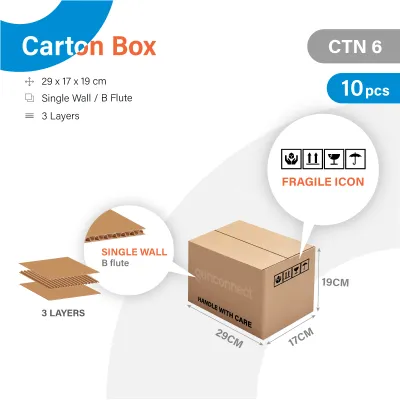
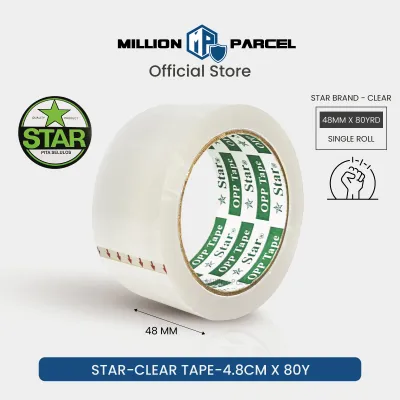
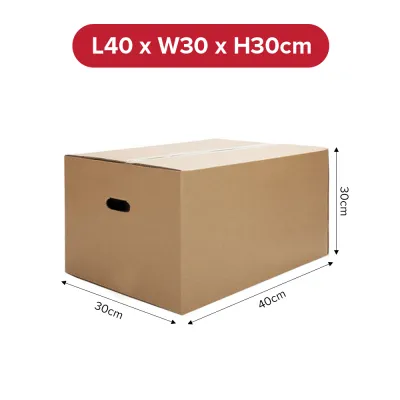
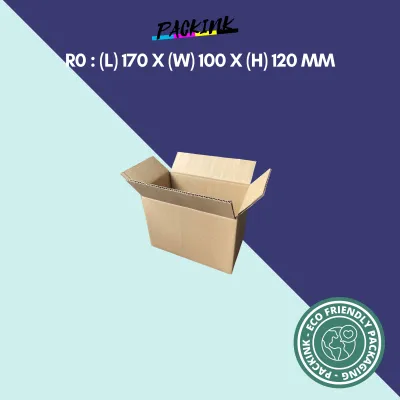
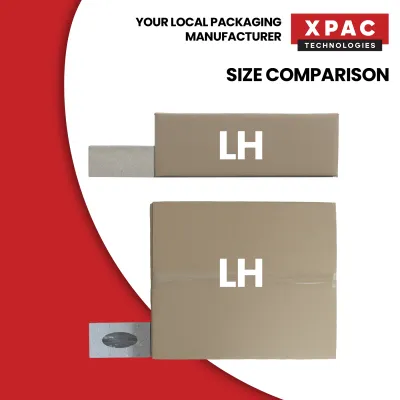
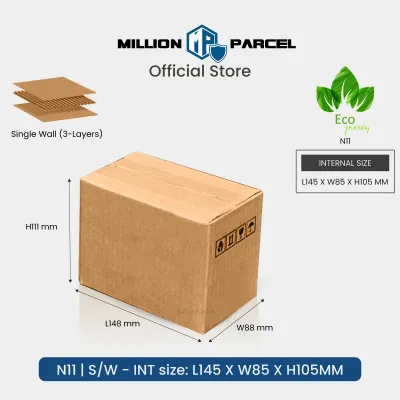
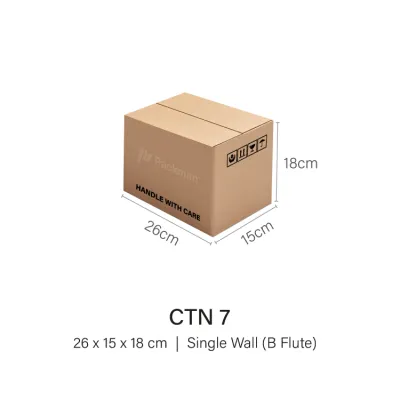
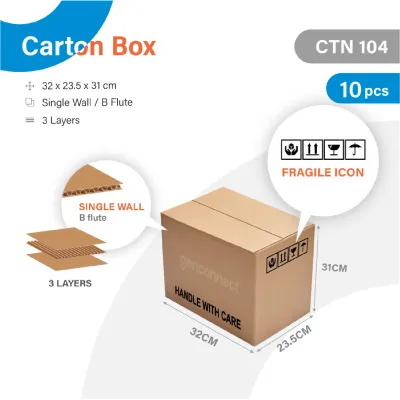
Prices are valid at publication and may change. Please refer to the product page for the latest price.
Match single-wall cartons with lightweight, bulky, or non-fragile goods like clothing, bedding, and plastic toys. Reserve double-wall cartons for heavy, dense, or highly fragile items such as books, kitchenware, electronics, and delicate ornaments.
To verify weight capacity, do not rely on visual thickness or manual squeezing. Check the Edge Crush Test (ECT) rating or maximum load capacity on the Box Maker’s Certificate (BMC) printed on the bottom flaps of the box. A 32 ECT rating is standard for single-wall boxes, while double-wall boxes often feature 48 ECT or higher, indicating superior top-to-bottom stacking strength.
Standard Box Sizes and the Household Items They Fit Best
Selecting the correct box size is a balancing act between packing efficiency, space optimization, and safe lifting limits. The foundational rule of packing is simple: use smaller boxes for heavier items and larger boxes for lighter, bulkier items.

Improper sizing is a frequent cause of moving-day mishaps. Packing heavy items into a large box makes the container difficult to lift, increasing the risk of mover injuries or accidental drops. It also puts immense pressure on the bottom seams, which can cause the box to break open mid-transit. Conversely, underpacking large boxes with heavy items leaves empty space that easily collapses under weight.
Small Boxes for Dense and Heavy Items
Small moving boxes, typically measuring around 30 to 40 centimeters on their longest side, are often referred to as book boxes. These compact containers are specifically engineered to hold dense, heavy items.
You should use small boxes for packing books, office files, printed documents, canned food, hand tools, and small, heavy kitchen appliances. Restricting these items to a smaller volume prevents the total weight of the box from exceeding safe lifting limits—typically recommended to be under 15 to 20 kilograms per box. Packing books in a medium or large box almost guarantees a container that is too heavy to carry safely and highly prone to bottom blowout.
Medium Boxes for Everyday Household Goods
Medium moving boxes, generally ranging from 40 to 50 centimeters in length, are the most versatile and frequently used containers in any residential move. They offer a balanced volume that accommodates a wide variety of standard household items.
This size is ideal for packing shoes, toys, pots and pans, folded clothing, bed linens, towels, and general decorative pieces. Because they hold a moderate volume, you can mix slightly heavier items at the bottom with lighter items on top to maximize space without making the box unmanageable. Medium boxes are the workhorses for packing living rooms, bedrooms, and kitchens.
Large and Specialty Boxes for Bulky or Fragile Items
Large moving boxes, which typically measure 50 to 60 centimeters or more, provide substantial volume but must be packed with strict discipline. You should use large standard boxes exclusively for lightweight, bulky items such as pillows, duvets, winter coats, curtains, and large plastic toys. Packing heavy items in these boxes makes them dangerous to carry and prone to structural failure.
Beyond standard sizes, specialty boxes address specific moving challenges:
- Wardrobe Boxes: These tall, heavy-duty cartons feature a built-in metal hanging bar. They allow you to transfer clothes directly from your closet on their hangers, preventing wrinkles and saving significant packing time.
- Dish-Pack Boxes: Specifically designed for kitchenware, these are almost always double-wall cartons. They often come with customizable cardboard cell dividers to isolate and protect fragile glassware, porcelain plates, and ceramic mugs from impacting one another.
Secondary Specifications to Simplify Your Choices
When sourcing moving boxes, understanding which secondary features actually matter for a residential move can prevent you from overspending on unnecessary premium options.
First, consider the box shape. The Regular Slotted Container (RSC) is the standard design where the outer flaps meet in the center when folded. This is the most cost-effective and structurally sound shape for stacking. Avoid die-cut mailer styles or boxes with tuck-in flaps for general moving; they are designed for shipping individual retail goods and do not offer the same stacking strength.
Second, evaluate surface coatings. Standard moving boxes are made of plain, uncoated kraft paper. While some boxes feature wax coatings or water-resistant finishes, plain kraft is perfectly adequate unless your boxes will be exposed to direct rain during loading or stored for long periods in highly humid, non-climate-controlled environments. In Singapore’s tropical climate, if you must store items in a self-storage facility without air conditioning, water-resistant coatings or heavy-duty plastic wrap can help protect the cardboard from absorbing atmospheric moisture.
Third, pay attention to pre-printed handholes. While built-in handles make carrying boxes more convenient, they represent a physical cutout in the cardboard. If a box is overloaded, lifting it by these handholes can tear the side panels, compromising the box’s structural integrity. If you use boxes with handholes, ensure the weight is well within the box’s limit, or support the box from the bottom when lifting.
How to Verify Box Quality and Weight Limits Before Packing
Before you begin loading your valuable belongings, take a few moments to inspect your carton boxes to verify their structural integrity and confirm their weight capacities.
To find the official limits of a box, locate the Box Maker’s Certificate (BMC) stamp. This circular or rectangular stamp is typically printed on one of the bottom flaps of the carton. The BMC provides critical technical data, including the board construction (single-wall or double-wall), the bursting test rating, or the Edge Crush Test (ECT) rating, along with the maximum gross weight limit. Ensure your packed box does not exceed this specified weight limit.
Next, perform a quick physical inspection of each box. Check the vertical manufacturer’s seam to ensure the glue or metal staples are fully intact and not peeling. Examine the exposed edges of the cardboard; the wavy fluting layer should be uniform and uncrushed. If the fluting is flattened, the box has lost its stacking strength. Finally, check for moisture damage. Cardboard absorbs moisture easily, which softens the fibers and drastically reduces its load-bearing capacity. Avoid using boxes with soft spots, dampness, or water stains.
While it may be tempting to collect free, used boxes from local supermarkets to save on costs, this practice carries hidden risks. Used boxes often suffer from structural fatigue from previous transport cycles. They may also harbor hidden moisture, food odors that attract pests, or actual pest contamination. Investing in clean, unused moving cartons ensures your items remain sanitary and secure.
Frequently Asked Questions (FAQ)
Can extra tape make a single-wall box safe for heavy items?
No, applying extra packing tape will not make a single-wall box safe for heavy items. While heavy-duty packing tape is essential for securing the top and bottom flaps, it only prevents the seams from opening. Tape does not alter the physical properties of the cardboard walls. The bursting strength and vertical stacking resistance depend entirely on the corrugated fluting and liner thickness. Overloading a single-wall box will still cause the sides to bulge, buckle, or puncture, regardless of how much tape you wrap around the exterior.
How can I estimate the number of boxes needed for my move?
To estimate the number of boxes you need, assess your home room by room. Kitchens, home offices, and bookshelves require a higher proportion of small and medium boxes due to the density of books, files, and heavy cookware. Bedrooms and living rooms, which contain bulkier but lighter items like bedding, cushions, and clothing, require more large and wardrobe boxes. For a standard local layout, such as a 3-room or 4-room HDB flat or a typical condominium in Singapore, it is highly practical to purchase your boxes in smaller, structured batches or utilize online moving calculators provided by local relocation services. This approach prevents over-purchasing, saving you money and avoiding unnecessary storage clutter before your moving day.

Community discussion
Share your experience or ask a question. Comments are reviewed before publication.