
Selecting the right moving carton box is the foundation of a successful relocation. Using the wrong size or overloading a box can lead to damaged belongings, physical strain, or bottom blowouts during transit. Standard moving boxes are categorized into small, medium, large, and extra-large sizes, each designed to hold specific types of household items based on weight and volume. By matching the density of your belongings to the appropriate box capacity, you can ensure safe lifting and efficient stacking.
Understanding Standard Moving Carton Box Dimensions
Standard moving boxes come in predictable size ranges, though exact dimensions vary by manufacturer. Understanding these industry baselines helps you plan your packing strategy and estimate how many of each size you will need.
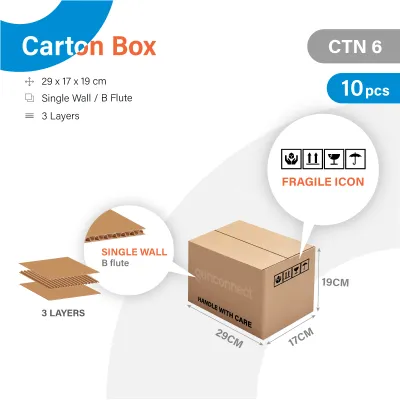
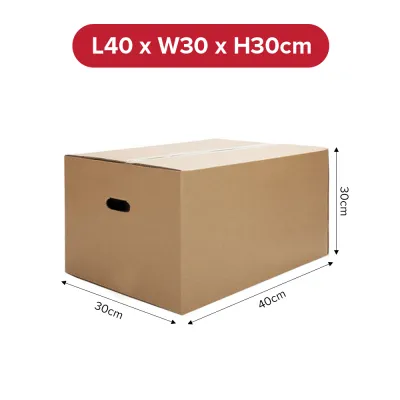
Small moving boxes typically range from 1.5 to 1.6 cubic feet in volume, with dimensions around 40 x 30 x 30 centimeters. These compact containers are designed for your heaviest items, ensuring that the overall weight remains manageable for a single person to lift.
Products mentioned in this guide
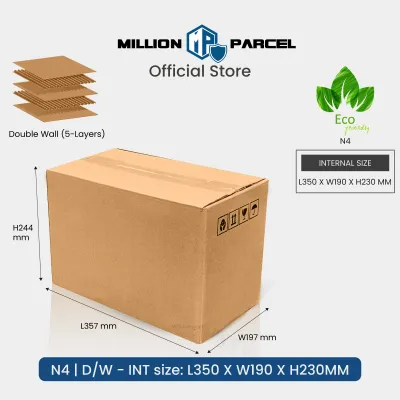
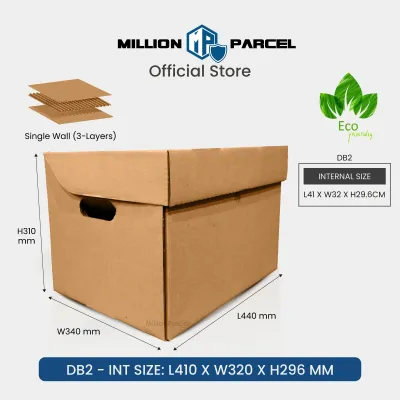
![Casual Liz Wholesales Market Carton Box/Moving Box/Cardboard Box [Local Seller]](https://img.lazcdn.com/g/p/edcb9b91b5af7d246cf0cb44f3ee1b04.jpg_400x400q80.jpg_.webp)
Prices are valid at publication and may change. Please refer to the product page for the latest price.
Medium moving boxes generally offer about 3.0 cubic feet of space, with typical dimensions of 45 x 40 x 40 centimeters. This is the most versatile size in any moving inventory, balancing volume and weight capacity for a wide variety of everyday household goods.
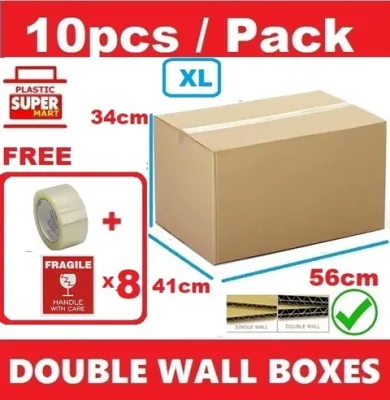
Large moving boxes expand the capacity to approximately 4.5 cubic feet, measuring around 50 x 50 x 50 centimeters. Extra-large boxes provide 6.0 cubic feet or more of space, often measuring 60 x 50 x 50 centimeters. These spacious boxes are reserved strictly for lightweight, voluminous items.
When purchasing boxes from local suppliers or online marketplaces, always check the manufacturer’s detailed specifications. It is crucial to distinguish between external dimensions, which affect how boxes stack together in a vehicle, and internal dimensions, which dictate the actual space available for your items. Thick double-walled boxes will have slightly smaller internal dimensions than single-walled alternatives of the same external size.
Matching Items to the Right Box Size
The golden rule of packing is to match the density of your items to the volume of the box. Heavy, dense items must go into small boxes, while light, bulky items should occupy larger containers to maintain safe lifting weights.

Small and Medium Boxes for Dense or Fragile Items
Small boxes are the safest choice for dense, heavy belongings. Items such as books, hand tools, canned pantry goods, vinyl records, and thick files should always be packed here. Attempting to pack these items in larger boxes makes the container nearly impossible to lift safely and risks tearing the cardboard handles or blowing out the bottom seams.
Medium boxes serve as the workhorse for items of moderate density and fragile household goods. This size is ideal for kitchenware, small appliances, clothing, and decorative pieces. When packing fragile items like glassware or ceramic dishes in a medium box, you must leave ample room for protective wrapping materials like bubble wrap or packing paper. The medium volume allows you to cushion these items thoroughly without making the box too heavy to carry.
By keeping heavy items in small and medium containers, you maintain a safe lifting weight—typically recommended to be under 20 kilograms per box. This protects both your back and the structural integrity of the cardboard during transport.
Large and Extra-Large Boxes for Bulky, Lightweight Items
Large and extra-large boxes are designed specifically to consolidate bulky items that do not weigh very much. Excellent candidates for these sizes include pillows, duvets, blankets, winter coats, cushions, stuffed toys, and lightweight plastic kitchenware.
You should strictly avoid packing heavy items, such as books or heavy kitchen pots, into large or extra-large boxes. Doing so creates a severe lifting hazard and almost guarantees that the box will warp, sag, or break when lifted. The handles on larger boxes are not engineered to support high-density loads.
For specialized packing needs, you can also utilize specialized large formats like wardrobe boxes. These tall, heavy-duty boxes feature a metal hanging bar at the top, allowing you to transfer clothes directly from your closet hangers into the box. This keeps garments wrinkle-free and saves significant packing time, though these boxes require careful handling due to their height.
Evaluating Box Strength and Material Specifications
Not all cardboard boxes are created equal. To protect your belongings, you must evaluate the material specifications and structural strength of the moving carton box before packing.
The primary choice is between single-wall and double-wall corrugated cardboard. Single-wall boxes consist of one fluted medium sandwiched between two flat linerboards, making them lightweight and cost-effective for standard household items. Double-wall boxes feature two layers of fluted medium, providing significantly higher puncture resistance and stacking strength. Double-wall construction is highly recommended for fragile items, heavy electronics, and boxes that will be stacked at the very bottom of the moving truck.
Many professional-grade moving boxes feature manufacturer stamps indicating their strength. Look for the Edge Crush Test (ECT) rating or the Bursting Test rating printed on the bottom flaps. A higher ECT rating indicates better stacking strength, which prevents the boxes on the bottom of a stack from collapsing under the weight of those above them.
While it is tempting to reuse old grocery or delivery boxes to save money, you must inspect them carefully. Previously used boxes often have weakened corners, hidden moisture damage, or compromised seams. For valuable, fragile, or heavy items, investing in new, structurally sound moving carton boxes is a safer choice to prevent accidental damage during transit.
Essential Packing and Weight Distribution Practices
Proper packing techniques are just as important as choosing the right box size. Even the strongest box can fail if it is poorly sealed or unevenly loaded.
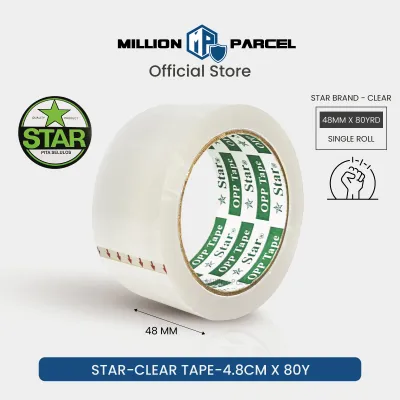
Always secure the bottom of your boxes using high-quality packing tape. The most reliable method is the H-tape technique, where you apply tape along the center seam and across both side edges of the box flaps. This seals all open seams and distributes the weight of the contents evenly across the bottom structure, preventing the flaps from opening under pressure.
Inside the box, eliminate empty spaces to prevent items from shifting during transit. Use crumpled packing paper, bubble wrap, or clean towels as void fill. A properly packed box should have no empty pockets, but it should not be overstuffed either. Overstuffing causes the top flaps to bulge, making the boxes difficult to stack securely in the moving truck and increasing the risk of a stack collapsing.
Finally, label every box clearly on multiple sides. Note the destination room, a brief summary of the contents, and clear indicators if the box is heavy or fragile. This ensures that anyone helping with the move handles the boxes appropriately and places them in the correct rooms immediately, streamlining the unpacking process.
Frequently Asked Questions (FAQ)
Are dish pack boxes necessary for kitchenware?
Dish pack boxes are highly recommended for fragile kitchenware because they feature double-wall corrugated cardboard construction, which is significantly thicker and more impact-resistant than standard medium boxes. Many dish packs also come with customizable cardboard dividers that isolate individual plates, bowls, and glasses, preventing them from knocking against each other during transport.
How can I estimate the total number of boxes needed?
A practical framework is to estimate roughly 15 to 20 boxes of various sizes per room. For a typical one-bedroom apartment, you might need approximately 10 small, 15 medium, and 5 large boxes. Scale this estimate upward based on the length of time you have lived in the home and the density of your belongings, ensuring you have a mix of sizes to accommodate different item types.

Community discussion
Share your experience or ask a question. Comments are reviewed before publication.