
Choosing the right moving box sizes is the foundation of a successful, damage-free relocation. When preparing for a move, matching the physical dimensions and structural strength of your cartons to the specific weight and volume of your household goods prevents box collapse, protects fragile items, and keeps handling safe for you or your movers. A systematic approach to selecting boxes ensures that heavy items remain manageable while bulky, lightweight goods do not take up unnecessary space. Planning your carton inventory in advance also streamlines the loading process, allowing for a more stable and organized arrangement inside the moving vehicle.
Core Principles for Matching Box Sizes to Item Weight
The golden rule of packing is simple: the heavier the item, the smaller the box it requires. High-density items like books, files, and canned goods must go into small cartons to keep the overall weight of each unit within a safe carrying limit. Conversely, large boxes are reserved for low-density, lightweight items such as pillows, blankets, and soft toys that occupy significant volume without adding excessive weight. Adhering to this balance ensures that no single container becomes an immovable anchor or a structural hazard during transit.
Before sealing any carton, performing a safe lift test is an essential step to verify that the packed box is manageable. Gently lift the box a few centimeters off the floor using your legs, keeping your back straight and the load close to your body. If the box bends, feels unstable, or strains your muscles, it is overpacked and needs to be redistributed into smaller containers. This simple check prevents physical strain and protects the structural integrity of the packaging.
Products mentioned in this guide
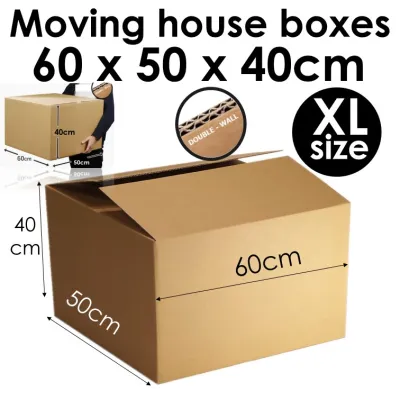
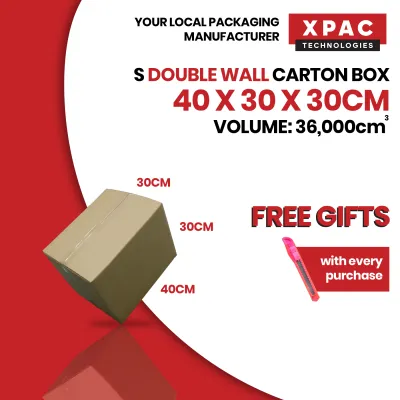
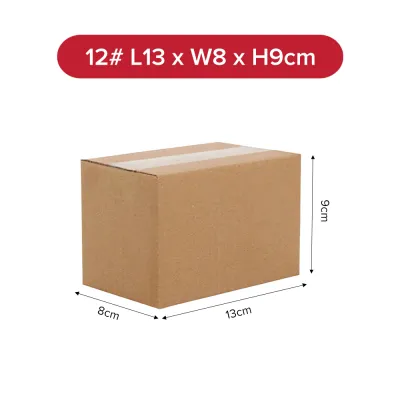

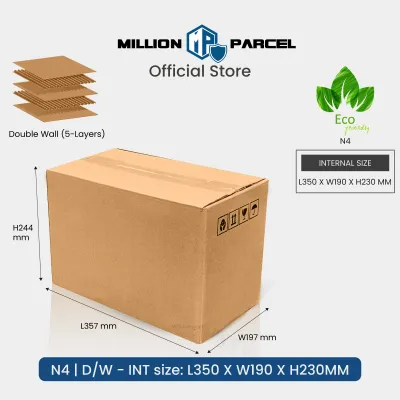
Prices are valid at publication and may change. Please refer to the product page for the latest price.
To ensure structural integrity, always check the manufacturer label printed on the bottom of the carton. This stamp, often called the Box Maker’s Certificate, indicates the burst strength or the Edge Crush Test (ECT) rating, along with the maximum gross weight limit. Verifying these specifications helps you confirm whether the wall thickness and material grade of the corrugated cardboard can support your planned contents. Never exceed these certified limits, as doing so risks sudden material failure during handling.
Recommended Box Dimensions for Heavy and Dense Items
Heavy and dense household goods require compact, sturdy cartons to prevent structural failure during transport. Items such as books, kitchen cookware, hand tools, pantry cans, and small electronics should always be packed into small boxes, typically measuring around 30 to 40 centimeters on each side. These dimensions naturally limit the volume of heavy items you can place inside, keeping the total weight manageable and reducing the risk of physical strain during the move.

Overfilling large boxes with dense items is one of the most common causes of bottom blowouts and handling hazards. When a large carton is packed to the brim with books or heavy ceramic plates, the downward force easily exceeds the holding capacity of standard packing tape and cardboard seams. This not only risks damaging your belongings but also increases the likelihood of personal injury during lifting. Keeping dense items confined to smaller boxes ensures that each unit remains compact and structurally sound.
When purchasing cartons for dense items, it is crucial to check the internal dimensions rather than just the external measurements. Corrugated cardboard boxes designed for heavy-duty use often feature double-wall construction, which increases wall thickness and slightly reduces the usable internal space. Verifying these internal dimensions ensures your items, such as specific cooking pots or heavy reference books, will fit snugly without stretching the cardboard. A snug fit prevents internal shifting, which is a primary cause of box damage.
Ideal Box Sizes for Bulky and Lightweight Items
Bulky, low-density belongings require larger cartons to maximize space efficiency and reduce the total number of trips needed during your move. Items such as winter clothing, bedding, pillows, cushions, and soft toys are ideal candidates for large boxes, which typically measure 50 to 60 centimeters or more on their longest side. These spacious containers allow you to consolidate high-volume items without creating an impossibly heavy load, making the loading process much more efficient.
While large cartons are excellent for lightweight goods, you must still monitor the total weight to prevent the box from becoming awkward to carry. For hanging garments, specialized wardrobe boxes equipped with a metal hanger bar offer an efficient solution, keeping clothes wrinkle-free and organized directly from your closet. When using these tall wardrobe cartons, utilize the empty space at the bottom for lightweight items like shoes or folded sweaters to optimize the volume. This dual-use strategy keeps your packing organized and space-efficient.
To further enhance the capacity of large boxes, consider using space-saving techniques such as vacuum storage bags or compression straps. Compressing bulky bedding and pillows before placing them into the carton significantly reduces their volume, allowing you to fit more items into a single box while keeping the weight well within safe limits. This method also provides an extra layer of moisture protection for your textiles during transit, keeping them clean and dry.
Packing Fragile and Awkwardly Shaped Items
Delicate, valuable, or irregularly shaped household goods require specialized sizing and protective packaging strategies to survive a move intact. Mirrors, large framed artwork, and flat-screen televisions should never be packed into standard square cartons; instead, use telescoping boxes or specialized picture boxes designed to slide over each other for a custom, snug fit. These adjustable cartons minimize movement and keep flat items upright during transport, reducing the risk of glass breakage.
When packing fragile items like glassware, ceramics, or delicate ornaments, leaving adequate internal clearance is vital for cushioning. Select a box that allows at least 5 to 10 centimeters of space between the items and the inner walls of the carton. This clearance must be filled with protective materials such as bubble wrap, packing paper, or biodegradable void-fill peanuts to absorb external shocks and vibrations. Proper cushioning ensures that external impacts do not transfer directly to your delicate belongings.
For highly fragile or exceptionally valuable items, employing a double-boxing technique provides the highest level of protection. This involves packing the item securely inside a small box with ample cushioning, and then placing that entire box inside a slightly larger carton filled with additional shock-absorbing material on all sides. This dual-layer system isolates the delicate item from direct impacts and structural pressure, offering peace of mind for your most cherished possessions.
Common Sizing Mistakes and How to Avoid Them
One of the most frequent errors in preparing for a move is purchasing uniform box sizes for the entire household. While buying a single size of medium boxes might seem convenient, it leads to severe packing inefficiencies. Heavy items will make these medium boxes too heavy to lift safely, while lightweight, bulky items will quickly exhaust your box supply, leaving you with an excessive number of half-empty containers. A diverse selection of box sizes is essential for an organized packing plan.
Another common hazard is the dual threat of overpacking and under-packing. Overpacking stretches the cardboard beyond its structural weight capacity, causing the top to bulge and preventing boxes from stacking flat in the moving truck. Under-packing, on the other hand, leaves empty space at the top of the carton, which can cause the box to collapse when another loaded container is stacked on top of it. Both scenarios compromise the safety of your entire shipment.
Leaving too much empty space inside a box also allows items to shift, slide, and collide during transit, leading to preventable breakage. To avoid this, always fill any remaining voids with crumpled packing paper, towels, or clean linens before sealing the box. Ensuring that every carton is packed firmly to its top rim—without bulging—creates a solid, stackable block that maximizes the stability of the entire load. Taking the time to fill these gaps is a simple yet highly effective protective measure.
Frequently Asked Questions (FAQ)
How do I estimate the total number of moving boxes I need?
To estimate the number of cartons required, start by assessing the storage capacity of your home, focusing on closet space, shelving units, and general room clutter. A standard wardrobe or a fully packed bookshelf typically translates to a predictable volume of small or medium boxes. You can then adjust your estimates based on the proportion of bulky items versus dense items in each room, ensuring you purchase a diverse mix of small, medium, and large cartons to cover all categories. This structured approach prevents last-minute trips to buy more supplies.
Can I reuse old delivery cartons for moving heavy items?
Before reusing old delivery cartons for heavy items, carefully inspect them for structural integrity, looking for signs of moisture damage, deep creases, or weakened corrugated flutes. Delivery boxes are often designed for single-use transit and may have already suffered structural fatigue that reduces their weight-bearing capacity. Using a compromised box for heavy items like books or kitchenware significantly increases the risk of the bottom failing during a lift, so it is safer to reserve used cartons for lightweight, non-fragile goods. Investing in fresh, sturdy boxes for heavy items is always the more reliable choice.

Community discussion
Share your experience or ask a question. Comments are reviewed before publication.