
Selecting the correct mix of moving boxes is the single most effective way to protect your belongings and prevent physical strain during a residential relocation. Matching the physical dimensions and structural strength of your cartons to the density of your household goods ensures that items remain intact while being transported through narrow corridors and onto moving vehicles. The fundamental rule of packing is straightforward: the heavier and denser the item, the smaller the box it requires. Conversely, larger cartons must be reserved exclusively for voluminous, lightweight belongings to keep the total weight manageable.
Understanding Standard Box Categories and Weight Limits
Standard corrugated moving boxes typically fall into four primary categories: small, medium, large, and extra-large or specialized wardrobe cartons. Small boxes generally measure around 30 to 40 centimeters per side and are designed specifically for high-density items. Medium boxes serve as the versatile workhorses of any residential move, offering a balanced volume suitable for kitchenware, small appliances, and toys. Large and extra-large boxes provide substantial volume but require strict packing discipline to avoid overloading.
Before purchasing any cartons, you must evaluate their structural capacity by examining the manufacturer’s printed specifications. Look for the corrugated board rating, which indicates whether the carton is single-wall or double-wall construction. Single-wall boxes feature a single layer of fluted paper sandwiched between two flat linerboards, making them suitable for light to moderate loads. Double-wall boxes incorporate two layers of flutes and three linerboards, offering vastly superior puncture resistance and stacking strength.
Products mentioned in this guide
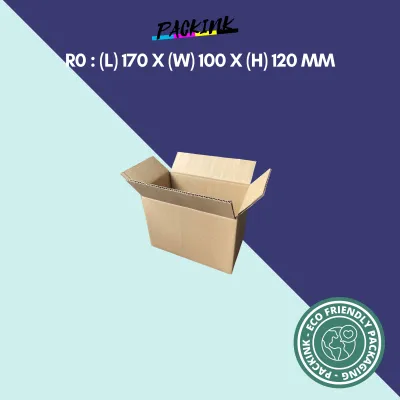
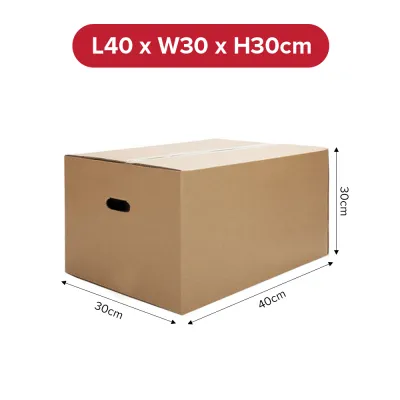
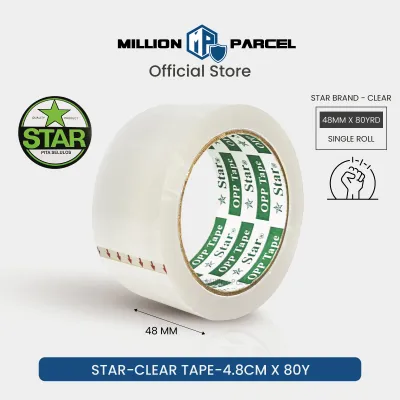
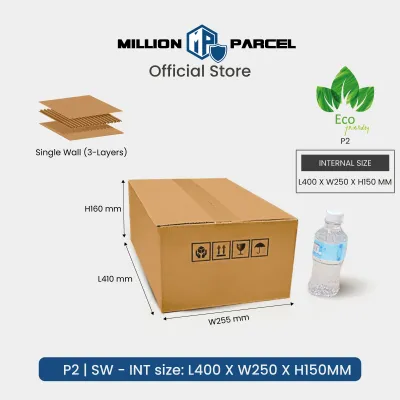
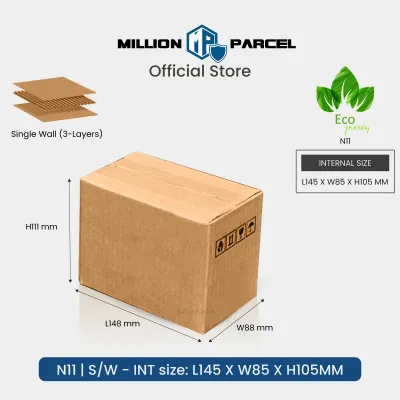
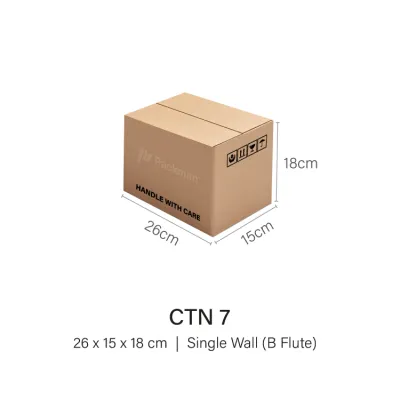
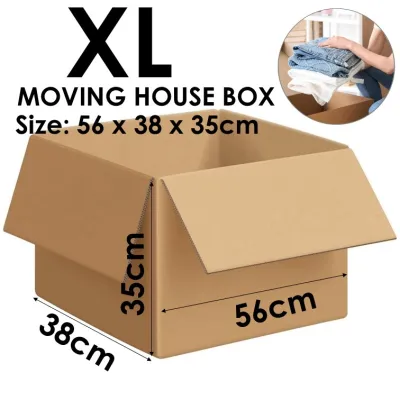
Prices are valid at publication and may change. Please refer to the product page for the latest price.
The physical volume of a box does not correlate directly with its safe weight capacity. A larger box packed with heavy items will fail because the downward force exceeds the shear strength of the cardboard and the adhesive holding the bottom flaps. The overall structural integrity of your packed carton relies on three core components: the cardboard grade, the flute profile (with thicker flutes providing better cushioning and stacking strength), and the quality of the packaging tape used to seal the seams.
To estimate the mix of box sizes you need, analyze your home room by room. A standard bedroom typically requires a higher proportion of medium and wardrobe boxes for clothing and linens, along with a few small boxes for bedside items. A kitchen or study, however, demands a heavy concentration of small and medium boxes to accommodate books, heavy cookware, and pantry items. As a general rule of thumb, a typical three-room HDB flat in Singapore will require approximately 15 to 20 small boxes, 20 to 25 medium boxes, 10 large boxes, and 2 to 4 specialized wardrobe or picture boxes.
Packing Heavy and Dense Items: Why Small Boxes Are Essential
High-density belongings such as books, vinyl records, canned food, and heavy kitchenware—including cast iron skillets and stainless steel pots—must be packed exclusively in small moving boxes. These items possess a high mass-to-volume ratio, meaning they quickly accumulate weight while occupying very little physical space. Placing these items in larger cartons is a common mistake that leads to boxes that are physically impossible to lift safely.

Lifting an overloaded large box poses significant physical risks to both you and your professional movers, including acute lower back strain and muscle tears. Furthermore, overloading creates an extreme structural risk of bottom blowouts. When dense items are poorly distributed inside a large carton, the concentrated downward pressure can easily split the bottom seam, causing your valuable belongings to crash onto the floor.
To pack small boxes safely, start by reinforcing the bottom center seam and the two edge seams with high-quality, pressure-sensitive packaging tape. Apply the tape in an ‘H’ pattern across the bottom flaps to distribute the load evenly. When placing items inside, keep the heaviest objects centered and at the very bottom of the box. Fill any remaining small gaps with crumpled packing paper to prevent shifting, and ensure you do not overfill the box past its top closure flaps, as bulging tops prevent safe stacking in the moving truck.
Handling Bulky, Lightweight, and Fragile Belongings
Medium and large moving boxes are ideal for voluminous but lightweight household goods. Items such as bedding, pillows, winter coats, comforters, and plush toys take up a vast amount of physical space but contribute very little to the overall weight of the carton. When packing these items, you can compress them slightly to maximize space, but be careful not to force too much material into the box, as excessive outward pressure can split the vertical seams of the carton.
Fragile items, including glassware, porcelain plates, delicate ceramics, and small electronics, require a highly disciplined packing strategy within medium-sized boxes. Medium boxes offer the perfect balance: they provide enough room to wrap each item thoroughly in bubble wrap or clean packing paper, while leaving sufficient space for a protective cushion of void fill on all six sides. You must ensure there is at least 5 to 7 centimeters of cushioning material between your fragile items and the interior walls of the box to absorb shocks during transit.
You should strictly avoid using extra-large boxes for fragile goods. Because extra-large boxes lack the structural rigidity of smaller cartons, they are highly prone to flexing when lifted or stacked. If an extra-large box containing fragile items is placed at the bottom of a stack, the weight of the boxes above can cause the sides to buckle, transferring the crushing force directly onto your delicate glassware or electronics.
When to Use Specialized Cartons for Clothes and Odd Shapes
Standard boxes are not always the most efficient or protective choice for every household item. Wardrobe boxes are specialized tall cartons equipped with a built-in metal hanging bar. These boxes allow you to transfer garments directly from your closet on their hangers, which drastically reduces packing time, prevents deep wrinkles in professional attire or delicate silk dresses, and makes unpacking as simple as hanging them back up in your new wardrobe.
For fragile kitchenware, standard medium boxes can be upgraded with specialized cardboard inserts or cell kits. These dividers create individual, padded compartments for plates, bowls, and delicate stemware. By isolating each piece of dinnerware, cell kits prevent items from knocking against one another during transit, significantly reducing the risk of hairline cracks and chips without requiring excessive layers of paper wrapping.
Mirrors, framed artwork, and flat-screen displays require specialized protection that standard square boxes cannot provide. Telescoping or flat picture boxes consist of two interlocking cardboard sleeves that slide over one another, allowing you to adjust the box to the exact length and height of your flat item. Before purchasing these specialized cartons, measure the exact dimensions and thickness of your frames or screens to ensure a snug fit, and always wrap the items in protective foam or heavy-duty bubble wrap before sliding them into the sleeves.
Common Sizing Mistakes to Avoid Before Your Move
One of the most frequent errors home movers make is purchasing a single box size—typically large—under the assumption that it will simplify the buying process. This approach inevitably leads to poorly distributed weight, half-empty boxes that collapse under load, or incredibly heavy boxes that cannot be lifted. A successful move requires a deliberate gradient of box sizes tailored to the specific physical characteristics of your belongings.
In Singapore, navigating the physical pathways of your residential building is a critical logistical factor that must influence your box selection. Narrow HDB or condominium corridors, tight stairwells, and compact passenger lift doors present strict physical boundaries. Purchasing oversized or extra-large boxes can make maneuvering through these tight spaces incredibly difficult, increasing the likelihood of scraping walls, dropping boxes, or finding that your packed items cannot fit through the elevator door.
While reusing old boxes from online marketplaces or supermarkets is environmentally friendly and budget-conscious, you must inspect their physical condition rigorously before packing. Cardboard is highly susceptible to moisture damage, especially in Singapore’s humid tropical climate, which rapidly degrades the structural strength of the corrugated flutes. Inspect every used box for soft spots, dampness, crushed corners, or previous tape tears, as compromised flutes can reduce the box’s load-bearing capacity by more than 50 percent regardless of its original rating.
Frequently Asked Questions (FAQ)
Can I use large boxes for books if I only fill them halfway?
Using large boxes and filling them only halfway with books is highly discouraged due to structural instability. When a large box is under-filled, the empty space at the top leaves the carton vulnerable to collapsing when other boxes are stacked on top of it during transit. Additionally, heavy books in a half-empty box will slide and shift violently whenever the box is tilted or moved, which can easily rupture the side seams or cause the handler to lose their balance. To ensure your books and your back remain safe, always use small, dedicated book boxes packed completely to the top with minimal void space.
How do I verify if a cardboard box is strong enough for my items?
To verify the physical strength of a cardboard box, locate the circular Box Maker’s Certificate (BMC) usually printed on one of the bottom flaps. This stamp provides critical technical specifications, including the Edge Crush Test (ECT) rating or the bursting test pressure. For standard household moves, an ECT rating of 32 is typically sufficient for light to medium loads. However, if you are packing heavy kitchenware, dense books, or valuable fragile items, you should look for double-wall corrugated construction with an ECT rating of 48 or higher to ensure the box can withstand vertical stacking pressure without buckling.
Are plastic storage bins a better alternative to cardboard moving boxes?
Plastic storage bins offer excellent moisture resistance and superior vertical stackability, making them highly effective for long-term storage in humid environments like Singapore. However, for the active transit phase of a move, high-quality corrugated cardboard boxes are often the superior choice. Cardboard provides natural shock absorption that helps cushion delicate items, is significantly more cost-effective when purchased in bulk, and can be folded completely flat for easy recycling or storage once the move is complete. A practical compromise is a hybrid approach: use cardboard boxes for the bulk of your household items, and reserve plastic bins for high-value electronics, documents, and moisture-sensitive clothing.

Community discussion
Share your experience or ask a question. Comments are reviewed before publication.