
To pack a household efficiently, you must match the density of your items to the volume of your moving boxes. The golden rule of packing is to place heavy, high-density items like books and tools into small cartons, while reserving large, high-volume cartons for lightweight goods like linens and pillows. This prevents structural failure of the boxes and ensures they remain safe to lift. Selecting the right mix of small, medium, and large cartons helps optimize space in the moving vehicle and protects your belongings from crushing damage.
Understanding Moving Box Dimensions and Weight Limits
Labels typically list external dimensions (length x width x height), but the internal dimensions dictate the actual usable space. For thick, double-walled boxes, the internal space can be up to a centimeter smaller on each side than the external measurements. Always measure your largest rigid items, such as wide serving platters or desktop monitors, against these internal limits before purchasing to ensure a proper fit.
Corrugated cardboard boxes are categorized by their wall construction. Single-wall cartons consist of one fluted medium sandwiched between two flat linerboards, making them lightweight and suitable for standard items. Double-wall cartons feature two layers of fluting, which significantly increases their resistance to vertical crushing. If you plan to stack boxes several layers high in a moving truck or storage unit, double-wall options are essential for the bottom layers to prevent collapse.
Products mentioned in this guide
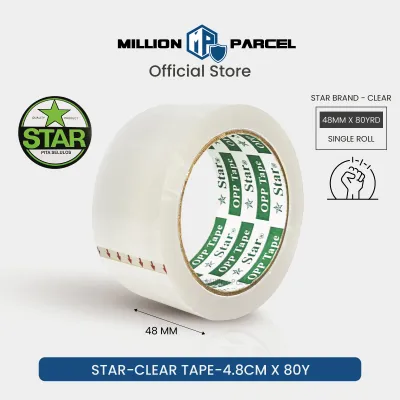
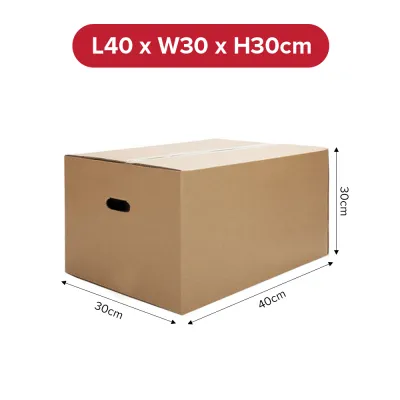
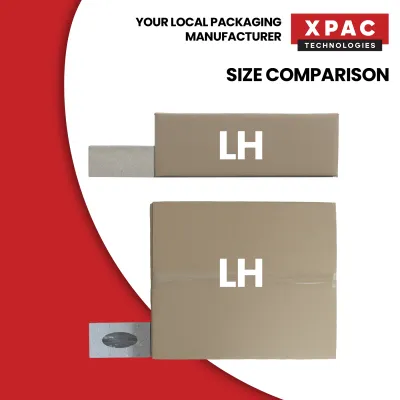
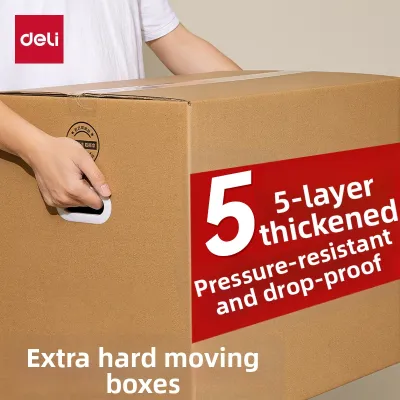
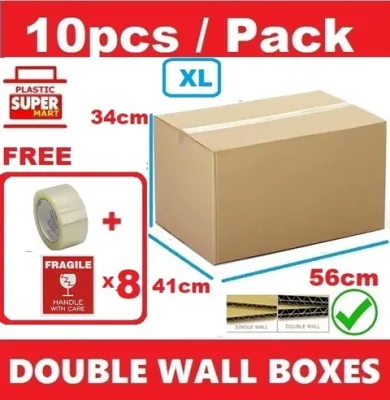
Prices are valid at publication and may change. Please refer to the product page for the latest price.
To find the structural limits of a box, look for the circular manufacturer’s stamp, often printed on the bottom flaps. This stamp displays either the gross weight limit or the Edge Crush Test (ECT) rating. An ECT rating, such as 32 ECT or 44 ECT, measures the box’s stacking strength. For heavy household goods, verifying these ratings ensures you do not exceed the structural capacity of the cardboard, preventing sudden bottom blowouts during transport.
Matching Box Sizes to Item Categories
The core weight-to-volume logic is simple: as item density increases, box size should decrease. Packing a large box full of heavy items makes it nearly impossible to lift and puts immense pressure on the bottom seams. Conversely, packing small boxes with light, fluffy items results in an excessive number of individual cartons, which increases handling time and transport costs. Striking a balance between carton volume and physical lifting limits keeps the move efficient and safe.

Heavy and Dense Items
High-density belongings like books, hand tools, canned pantry goods, and heavy stoneware require small cartons, typically measuring around 30 to 40 centimeters per side. These compact dimensions naturally limit the total weight you can pack into a single container. Before filling the box, check the manufacturer’s stamp to confirm its maximum weight capacity, which is often rated up to 15 or 20 kilograms for small, sturdy cartons.
As you pack, monitor the box for physical signs of overloading. If you notice the side panels bulging outward, the bottom sagging when lifted slightly, or the top flaps failing to meet flatly, the carton is over capacity. Overloaded boxes are highly susceptible to tearing at the corners or dropping their contents through the bottom seams when lifted. If these signs appear, immediately transfer some of the heavier items to another container.
Bulky and Lightweight Items
Large and extra-large moving boxes are designed specifically for high-volume, low-weight items. These include winter clothing, bedding, pillows, cushions, and soft toys. Because these items are highly compressible, you can pack them tightly to utilize the full depth of the carton. Gently pressing down on soft goods helps maximize the internal space, allowing you to fit more into a single trip and reducing the total number of boxes required.
However, even with lightweight items, avoid overstuffing the carton to the point where the top flaps bulge upward. A bulging top prevents proper sealing and makes it impossible to stack other boxes flatly on top, which wastes valuable vertical space in the moving truck. Keep the top surface flat and level, and ensure the total weight remains comfortable for a single person to carry without straining.
Fragile and Awkwardly Shaped Items
Fragile items like glassware, ceramics, and delicate ornaments require medium-sized boxes that leave ample room for protective cushioning. When packing breakables, you must account for the volume of the protective materials themselves. Bubble wrap, packing paper, or foam peanuts should wrap every individual item, with an additional five to eight centimeters of cushioning lining the bottom, sides, and top of the carton.
For items like plates, wine glasses, or mugs, utilizing specialized cardboard dividers or cellular inserts is highly recommended. These inserts keep individual pieces isolated, preventing them from knocking against one another during transit. Once packed, gently press on the sides of the box; it should remain rigid and not compress inward. If the box feels soft or hollow, add more crumpled packing paper to fill any remaining void space.
Checking Box Quality and Packing Efficiency
Before packing, inspect every carton—especially if you are reusing boxes from previous moves or local shops. Look closely for signs of structural degradation, such as soft corners, moisture stains, deep creases, or torn outer paper layers. Moisture is particularly damaging to corrugated cardboard, as it breaks down the fibers and reduces stacking strength by more than half.
To secure your boxes, apply high-quality packaging tape using the “H-taping” method. This involves running a strip of tape along the center seam of the bottom flaps, followed by strips across the side seams to seal all open edges. For heavy boxes, apply a double layer of tape along the center seam. If a reused box shows significant wear, has pre-existing tears, or fails to hold its rectangular shape when empty, retire it from heavy-duty service and use it only for light, non-fragile items.
Frequently Asked Questions (FAQ)
Can I use regular delivery cartons instead of specialized moving boxes?
While reusing delivery cartons from online shopping is an eco-friendly option, they must be inspected carefully. Check for hidden damage, such as puncture holes, deep folds, or weakened corrugated layers from shipping wear. Delivery boxes are often made of thinner, single-wall cardboard and lack the standardized weight ratings and vertical stacking strength of dedicated moving cartons. They are generally safe for lightweight, non-fragile items like clothing or plastic kitchenware, but avoid using them for heavy books or delicate glassware.
How do I know if a packed moving box is too heavy to lift safely?
Perform a physical lift test before sealing the top flaps of any carton. Gently lift the box a few centimeters off the floor to assess its weight distribution and bottom stability. If you feel the cardboard bending in the middle, or if the bottom tape begins to peel or stretch, the box is too heavy. If the load feels uncomfortable to lift or causes the box to lose its shape, open it and redistribute the heavier items into a second carton, filling the remaining space with lightweight packing materials.

Community discussion
Share your experience or ask a question. Comments are reviewed before publication.